In the green highlands of western Cameroon, around the historic town of Foumban, lies the kingdom of the Bamum, one of the most remarkable states in African history. Where their Bamileke neighbours are divided among a hundred small chiefdoms, the Bamum built a single centralised kingdom under a line of sultans reaching back to 1394.Their fame rests above all on Sultan Ibrahim Njoya, who around the turn of the twentieth century invented a script for his language, wrote the history of his people, reshaped their religion and cultivated the arts. Muslim in faith, masters of bronze and beadwork, and heirs to the ancient Nguon festival, the Bamum carry a singular legacy into the present.
The Bamum on Film
Contents
- Origins
- The Name
- The Language
- The Homeland
- The Old Way of Life
- Society and Community
- Religion and Belief
- Traditions
- Crafts
- Food
- Festivals
- History
- Today
Origins
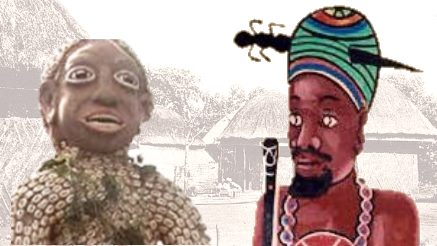
The Bamum, sometimes written Bamoun, are a Grassfields people of western Cameroon who built one of the most remarkable kingdoms in Africa around their capital of Foumban. Unlike the neighbouring Bamileke, who are divided among many small chiefdoms, the Bamum formed a single centralised kingdom under one ruler.
Tradition dates the founding of the kingdom to the end of the fourteenth century, when Nchare Yen led his followers to establish a dynasty at Foumban. Over the following centuries the kingdom expanded by conquest and absorption, growing into the powerful state that the first Europeans encountered in the nineteenth century.
The Name
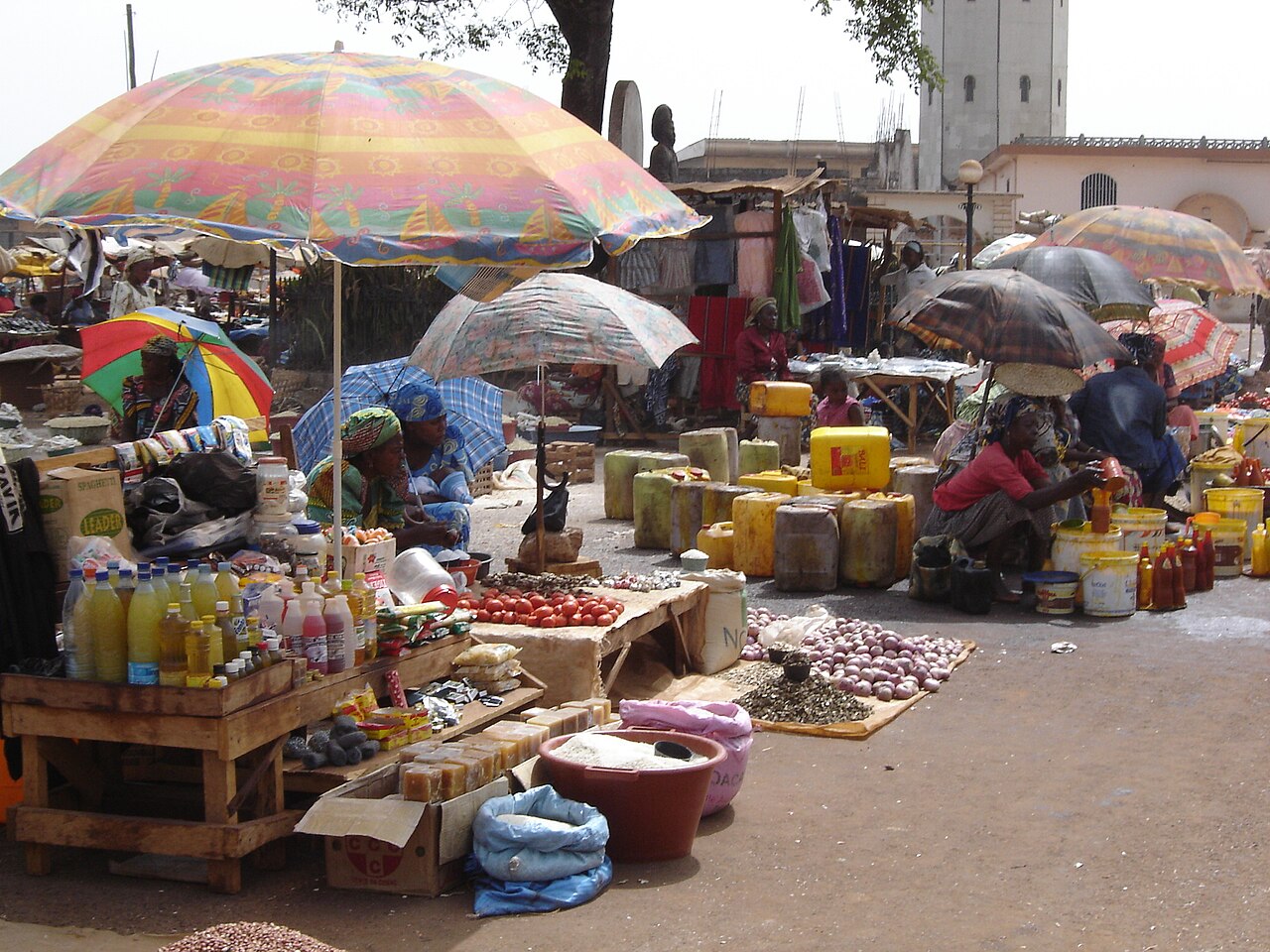
The people call themselves Bamum, a name that applies both to the kingdom and to its inhabitants, and their language is Shupamem. The kingdom is often known simply by the name of its capital, Foumban, which remains the cultural and royal heart of the Bamum.
Foumban, in the West Region of Cameroon near the Noun River, grew around the sultan’s palace into a town famous for its craftsmen and its royal traditions. It stands today as one of the great historic centres of Cameroon, drawing visitors to its palace, museum and artisan quarter.
The Language

The Bamum speak Shupamem, a Grassfields Bantu language, but their most celebrated linguistic achievement is a script of their own. Around 1896 Sultan Njoya devised a writing system for the language, which over years of refinement evolved from a pictographic form into a syllabary of some eighty signs.
Njoya used his script to record the history, laws, medicine and religion of the kingdom, establishing schools and even a printing press to spread it. Suppressed under French rule, the script survived and has been revived in recent times, remaining a proud symbol of Bamum ingenuity. French is today the language of administration and schooling.
The Homeland

The Bamum homeland lies in the highlands of western Cameroon, a country of green hills, savanna and fertile volcanic soils in the basin of the Noun River. The cool, well-watered uplands support dense farming and settlement, much like the neighbouring Bamileke country to the south and west.
Set on the eastern edge of the Grassfields, the Bamum kingdom occupied a strategic position between the highland peoples and the plains to the north and east. This location shaped its history of expansion and its contacts with both the Grassfields world and the wider region.
The Old Way of Life
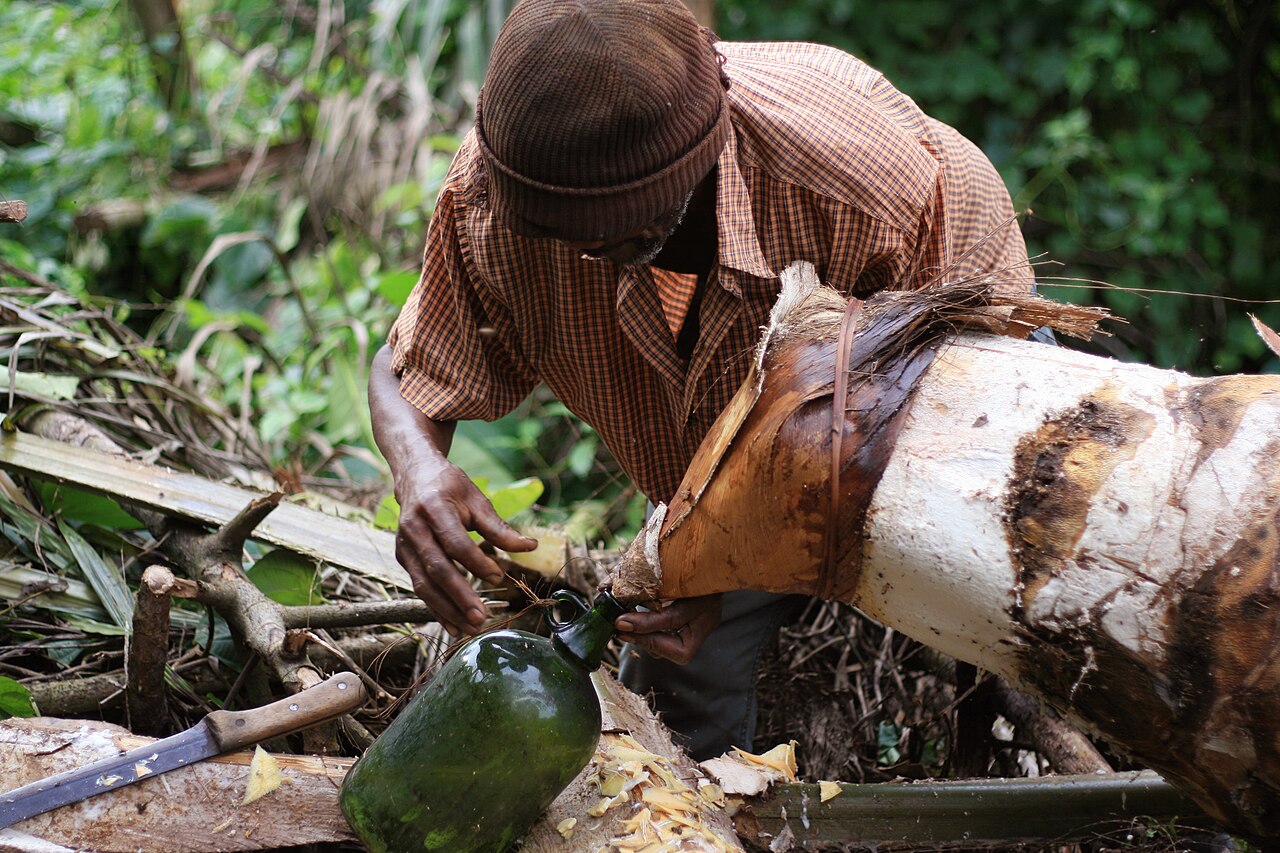
The Bamum were farmers of the highlands, cultivating maize, sorghum, groundnuts, plantains and other crops on the fertile soils around Foumban, supplemented by animal husbandry, hunting and the tapping of palm wine. The agricultural surplus of the highlands supported a populous kingdom and its royal court.
Above the farming villages rose the structures of the state, sustained by tribute, trade and the labour owed to the sultan. Foumban became a centre of craft production and exchange, and the wealth of the kingdom was displayed in the art and regalia of its court.
Society and Community
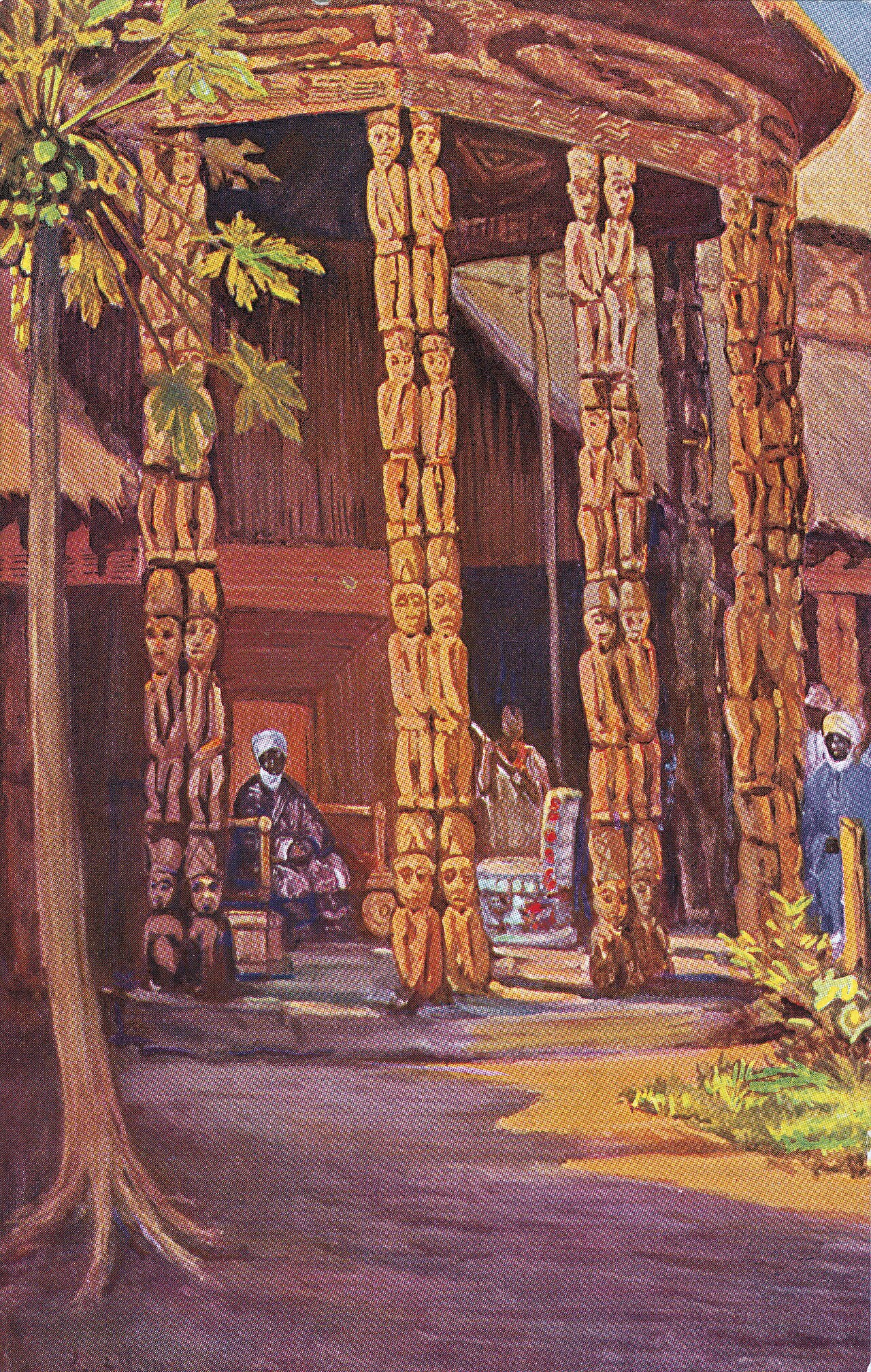
Bamum society was organised as a kingdom under the sultan, or mfon, an absolute yet accountable ruler who governed with the help of queen-mothers, notables and a hierarchy of titled officials and servants. The palace at Foumban, a vast complex of courtyards and halls, was the centre of government and ceremony.
The greatest of the Bamum rulers was Sultan Ibrahim Njoya, who reigned from the 1880s until his deposition by the French in 1931. A tireless innovator, he reformed the administration, developed the script, reshaped religion and the arts, and left a legacy that still defines Bamum identity.
Religion and Belief
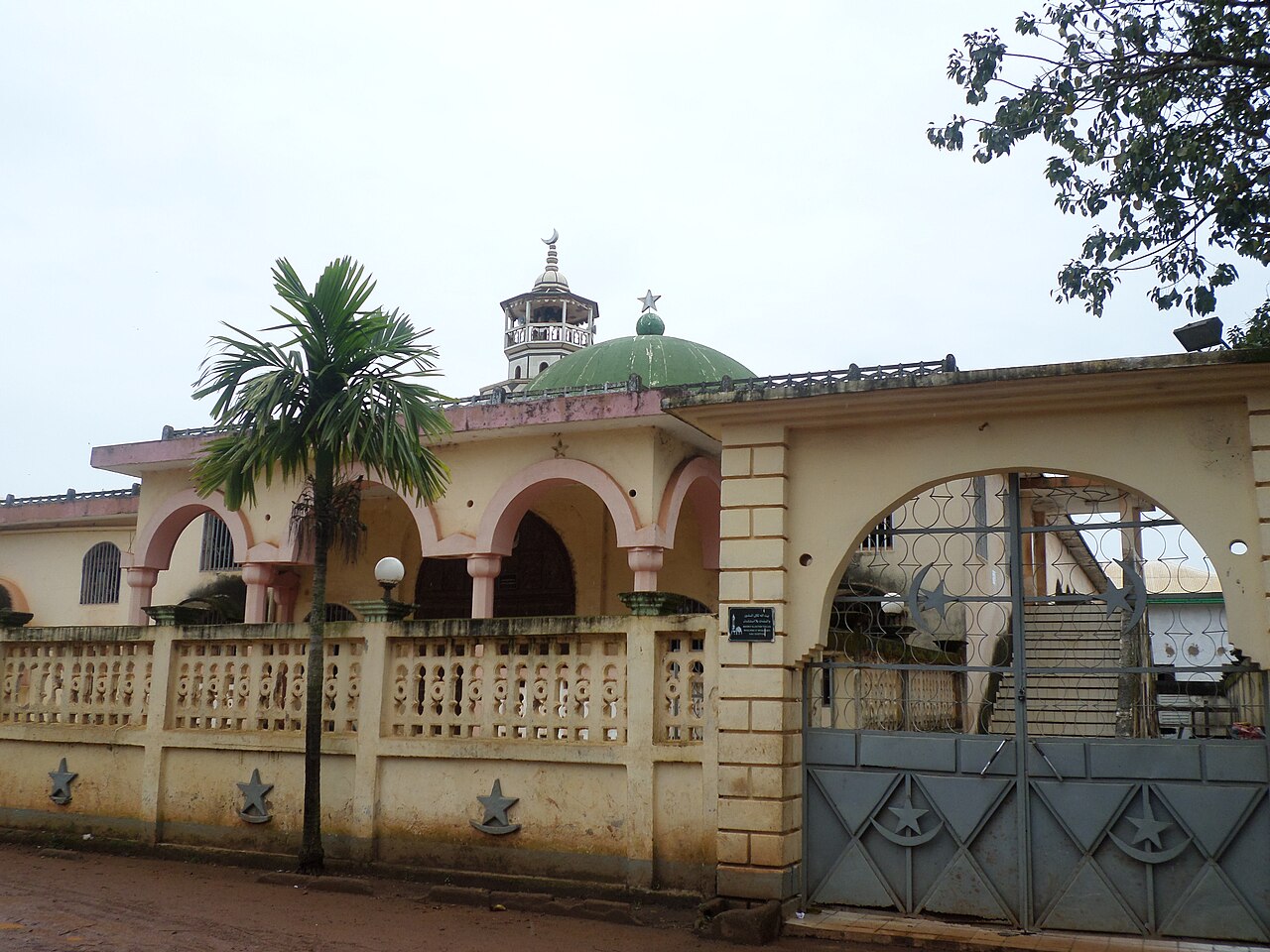
The religious history of the Bamum is unusually eventful. Traditional beliefs centred on ancestors and on the sacred person of the sultan, but in the late nineteenth and early twentieth centuries the kingdom was exposed to both Islam and Christianity. Sultan Njoya himself experimented with a syncretic religion blending elements of all three before ultimately embracing Islam.
Today the majority of Bamum are Muslim, and the central mosque of Foumban stands as a landmark of the town, though Christian and traditional believers are also present. The blend of faiths, and the memory of Njoya’s religious experiments, gives Bamum spiritual life a distinctive character.
Traditions
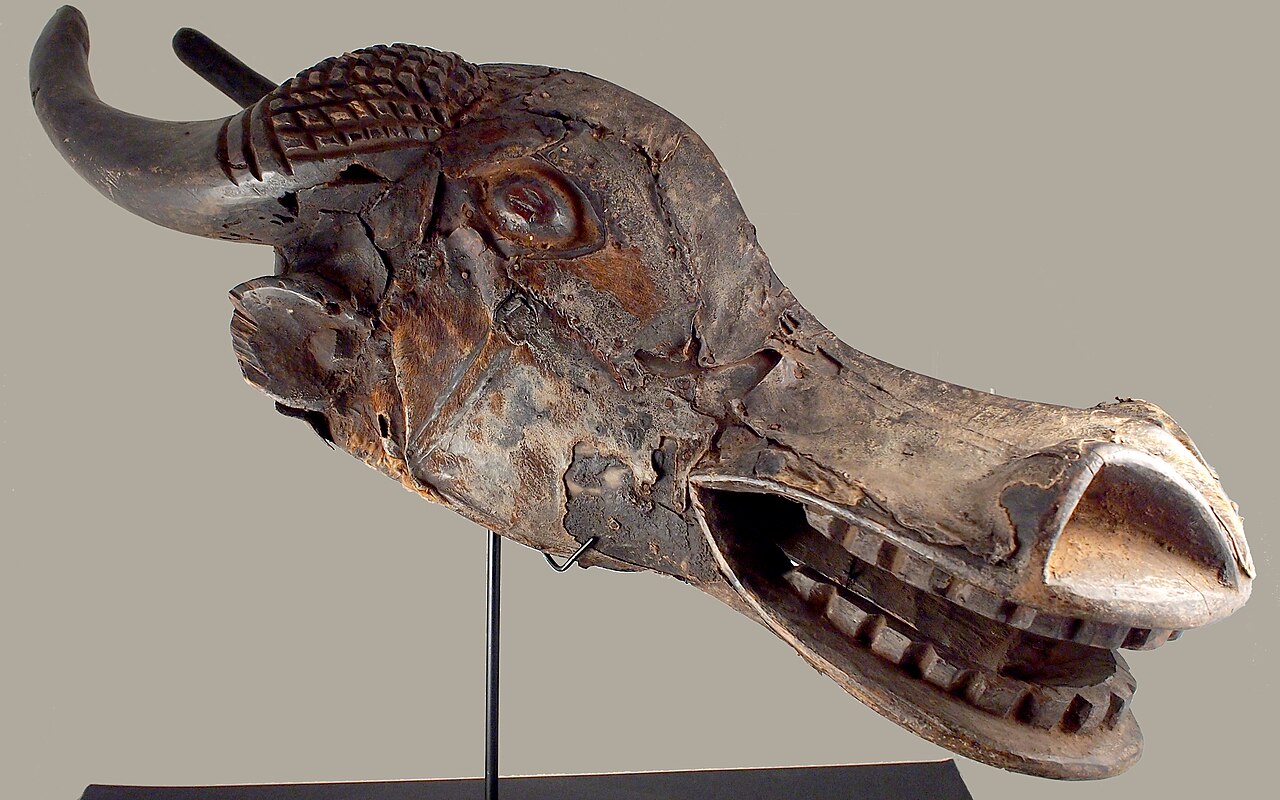
Bamum tradition is bound up with the court and its ceremonies, in which masks, drums, dances and lavish regalia display the power and history of the kingdom. Masked societies perform at royal occasions, and the palace preserves a great treasury of thrones, masks and beaded objects that embody the continuity of the dynasty.
Oral tradition, reinforced by Njoya’s written histories, keeps alive the story of the kingdom from Nchare Yen to the present. Through these ceremonies and records the Bamum maintain an exceptionally strong sense of their royal past.
Crafts
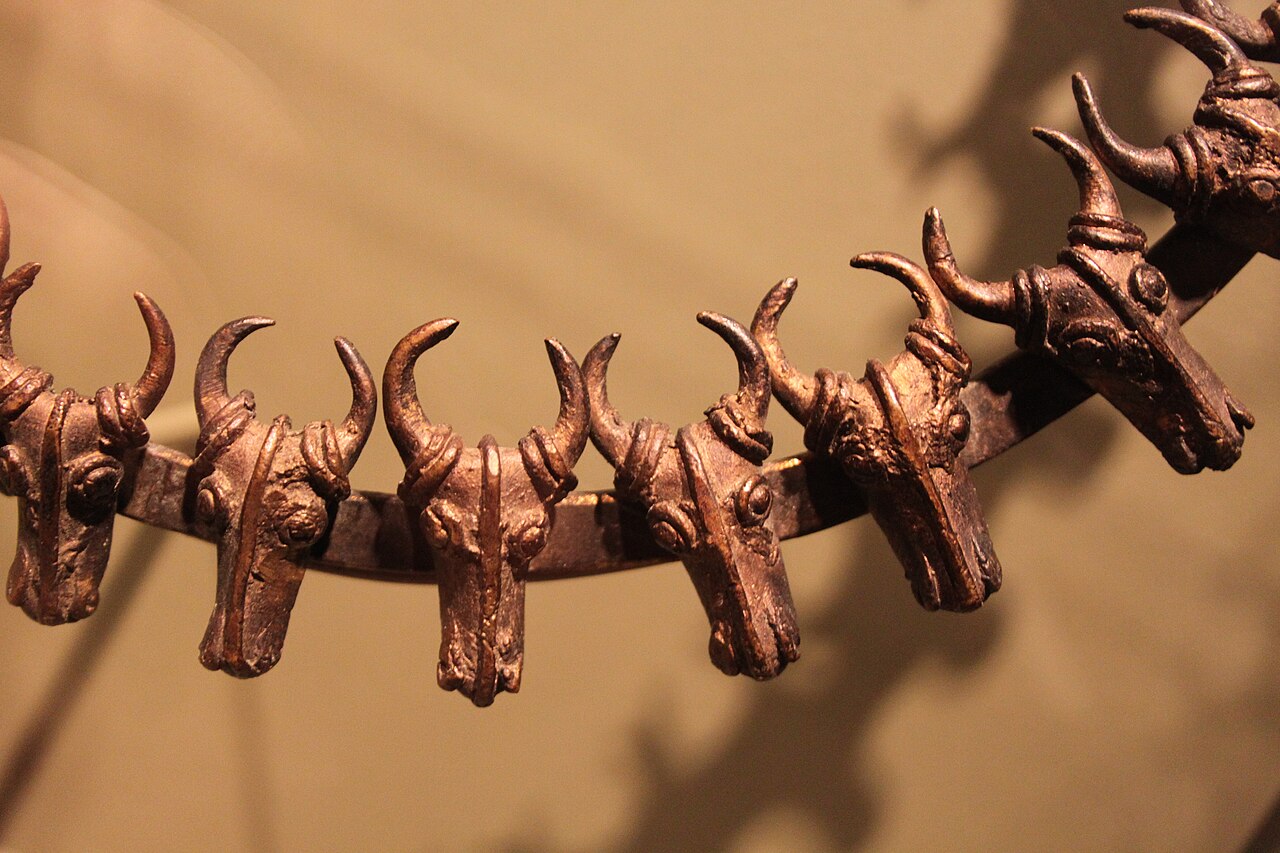
Foumban is celebrated as the artistic capital of Cameroon, and the Bamum are master craftworkers in brass, bronze, beadwork and wood. Using the lost-wax method, their smiths cast fine bronze and brass figures, collars, pipes and regalia, while beadworkers cover thrones and masks in brilliant colour.
The artisan quarter of Foumban, with its street of craftsmen, continues a tradition of court art that once served the sultans and now supplies collectors and visitors. Bamum art, alongside that of the Bamileke, is among the most admired in all of Central Africa.
Food
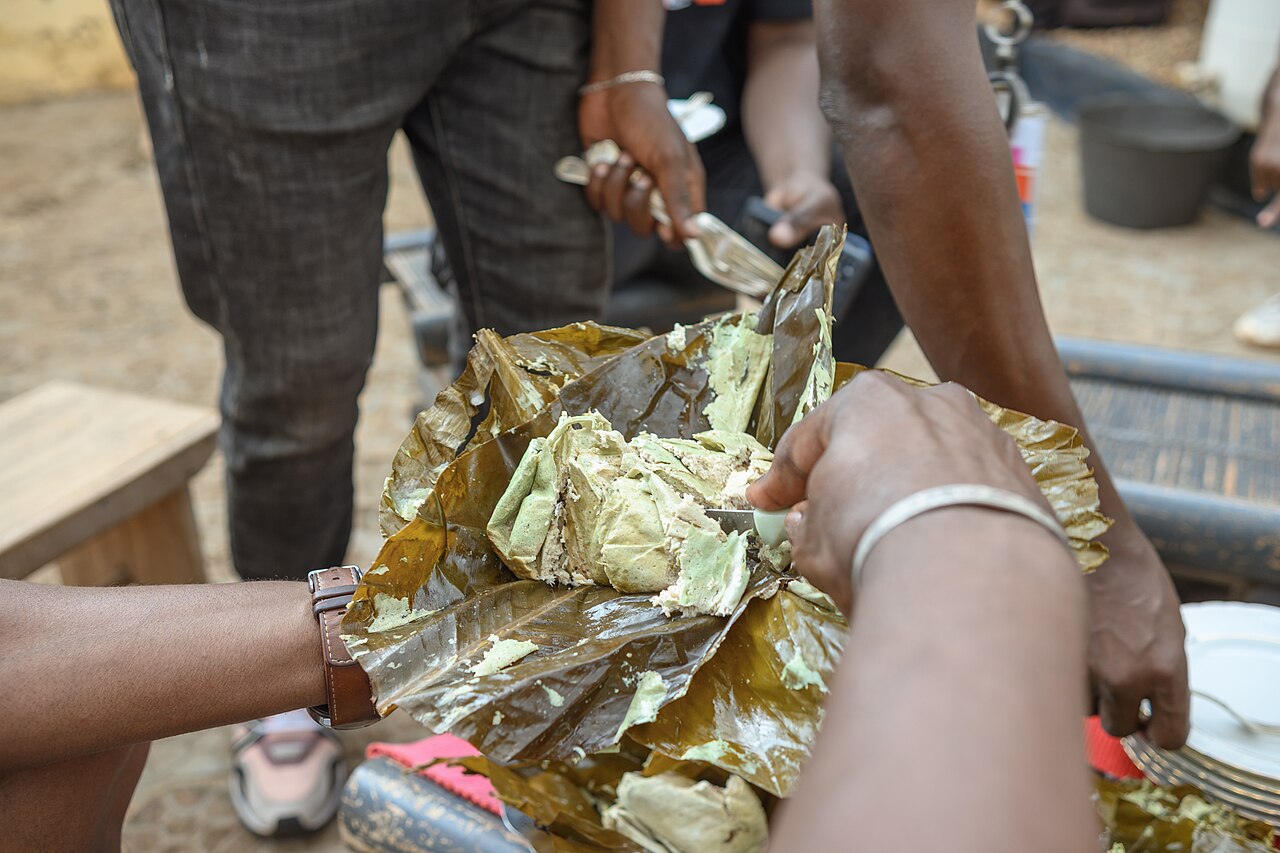
The Bamum diet is that of the Cameroonian highlands, built on maize, plantains, cocoyams, groundnuts and vegetables, served with rich sauces and stews. Dishes prepared from ground pistachio-like seeds, greens and palm oil feature at celebrations, and grilled and stewed meats accompany festive meals.
Shared eating is central to Bamum hospitality, and great gatherings for weddings, funerals and royal ceremonies call for generous feasting. Palm wine and other local drinks accompany these occasions, as they have for generations.
Festivals
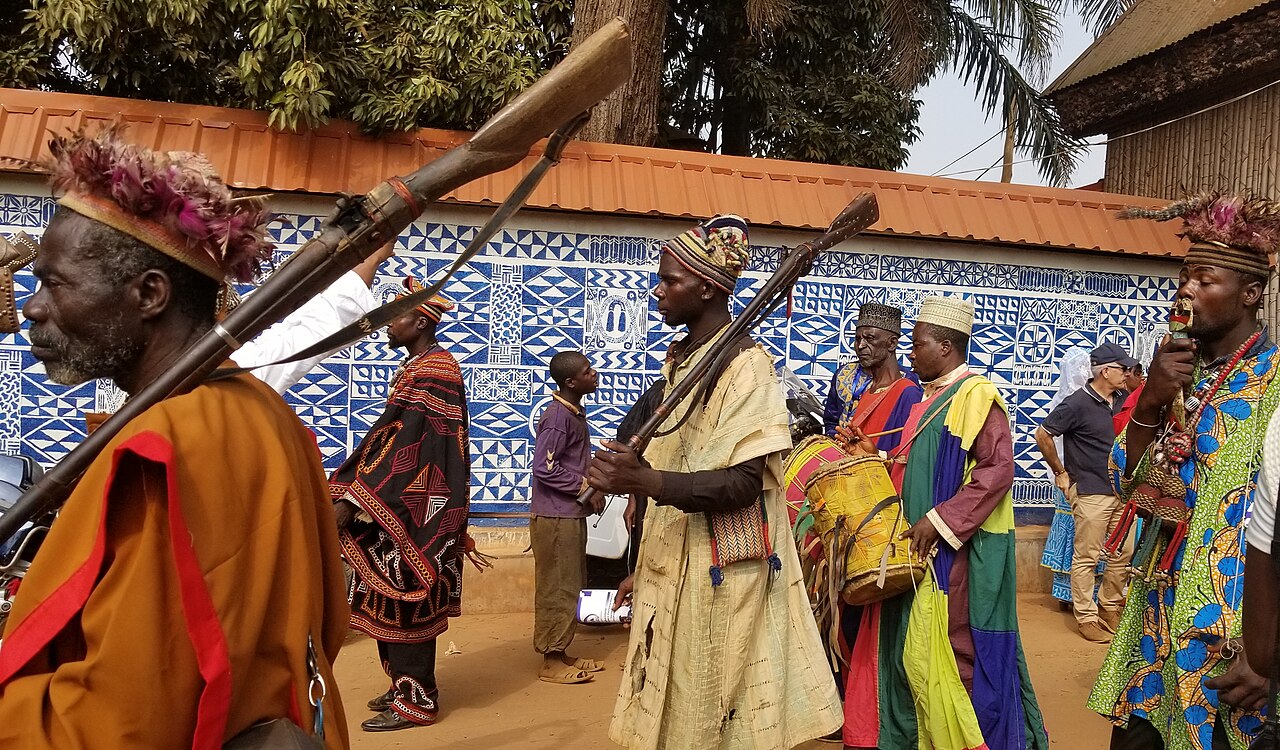
The greatest Bamum festival is the Nguon, a centuries-old ceremony held at Foumban that gathers the people around the sultan. Remarkably, the Nguon includes a ritual in which the ruler is called to account before his subjects, making it one of the oldest traditions of accountable governance in Africa.
Held periodically with great pomp, the Nguon features processions, masked dances, drumming and the display of royal regalia, drawing Bamum from far and wide. It reaffirms the bond between the sultan and his people and celebrates the enduring identity of the kingdom.
History
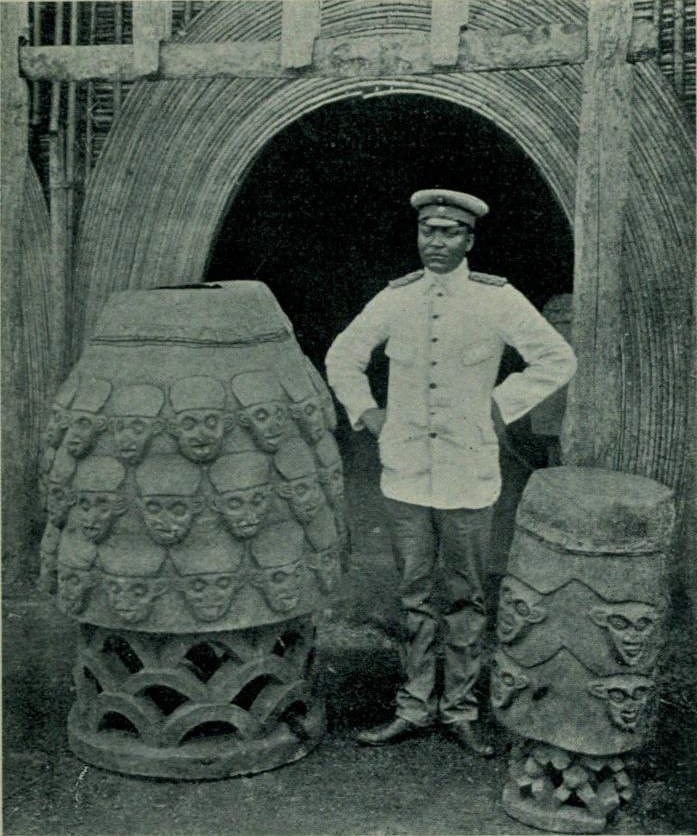
From its founding by Nchare Yen around 1394, the Bamum kingdom grew through some nineteen reigns into a major power of the Grassfields. Its golden age came under Sultan Njoya, who from the 1880s modernised the state, created the famous script, and cultivated the arts, corresponding with German colonial officials who first reached the kingdom.
After the First World War the region passed to French control, and in 1931 the French deposed and exiled Njoya, who died in 1933. The kingdom endured, however, and the sultans of Foumban remained influential traditional rulers through the colonial period and into independent Cameroon.
Today
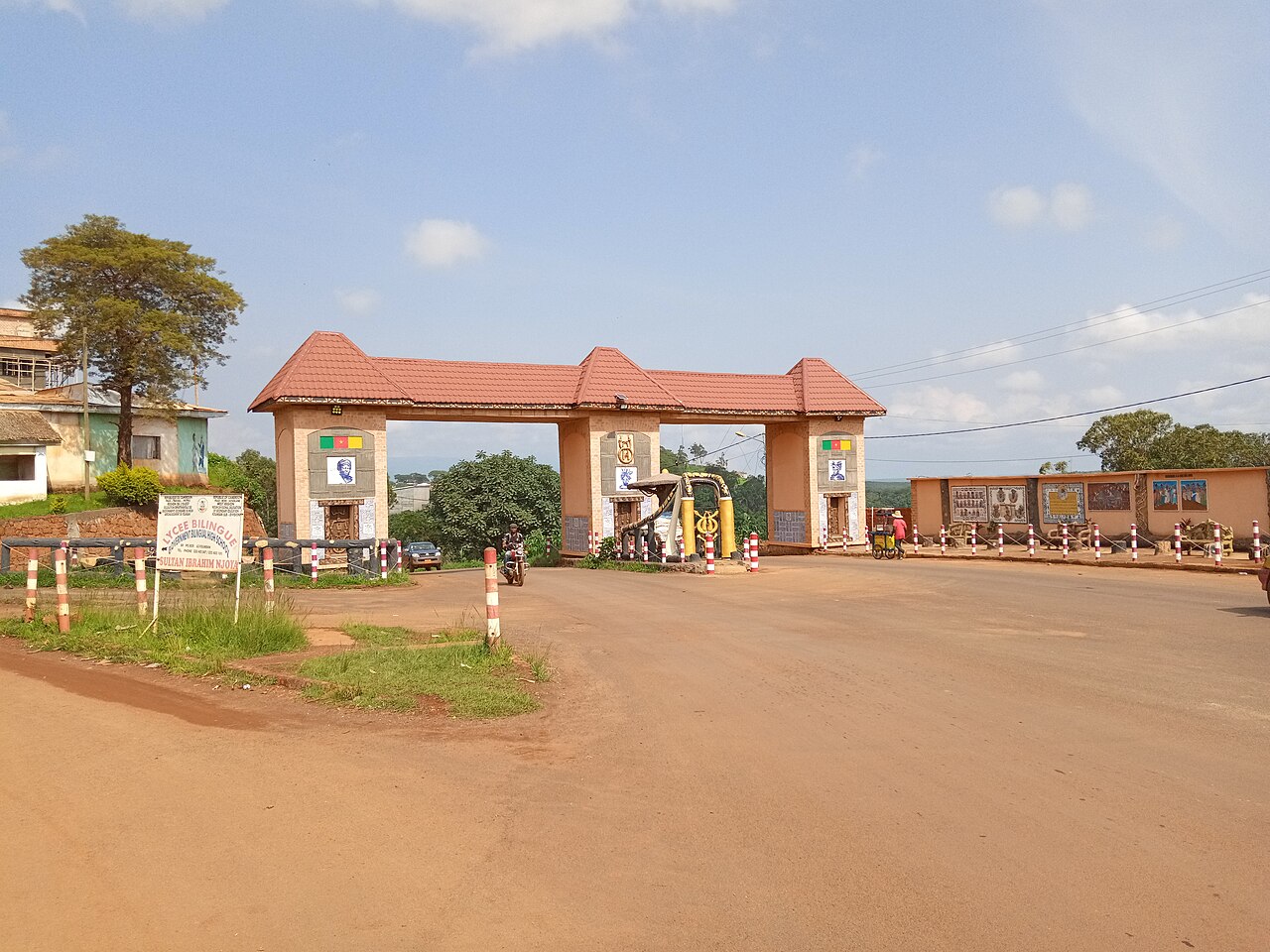
Today the Bamum remain a proud people centred on Foumban, where the sultan still reigns as a traditional ruler and guardian of the kingdom’s heritage. The palace, its museum and the artisan quarter draw visitors from across Cameroon and beyond, and the Nguon festival continues to gather the people.
Predominantly Muslim, renowned for their art and for the extraordinary legacy of Sultan Njoya, the Bamum carry one of Africa’s most distinctive royal traditions into the modern age. Their script, revived and studied anew, stands as a lasting emblem of a kingdom that prized knowledge and innovation.
Related Peoples of the Region
- The Chewa, the Masked Dancers of Malawi
- The Ngoni, the Nguni Migrants of Central Africa
- The Makua, the Largest People of Mozambique
- The Ovimbundu, the Highland Traders of Angola
- The Mbundu, the People of Ndongo and Queen Njinga
- The Lunda, Empire Builders of Central Africa
- The Teke, the Plateau Kingdom of the Congo
- The Bamileke, the Grassfields People of Cameroon
More Peoples of the World
- A Fifth of Humanity, the Story of the Han Chinese
- How the Maori Sailed Across the Pacific to Reach New Zealand
- Zulu of the Green Hills and Their Kingdom Forged by Shaka
- The People Who Never Vanished, the Story of the Maya
- Long Before the Arabs Came, North Africa Belonged to the Amazigh
- The People Who Emerged Into This World, the Story of the Navajo
- Meet the Ainu, an Indigenous People at Japan’s Northern Edge
You May Like

The Tumbuka, the Highland People of Northern Malawi


