Above the noise and sprawl of modern Athens rises a flat-topped rock crowned with white marble columns. This is the Acropolis, the sacred citadel of the ancient city, and the temple that dominates it, the Parthenon, has become the single most recognisable symbol of ancient Greece and of classical civilisation itself.
For nearly two and a half thousand years these buildings have stood as a measure of what human hands could achieve. They were raised in a single extraordinary generation, at the height of Athenian power and confidence, and they still shape how the western world imagines beauty, proportion and democracy.
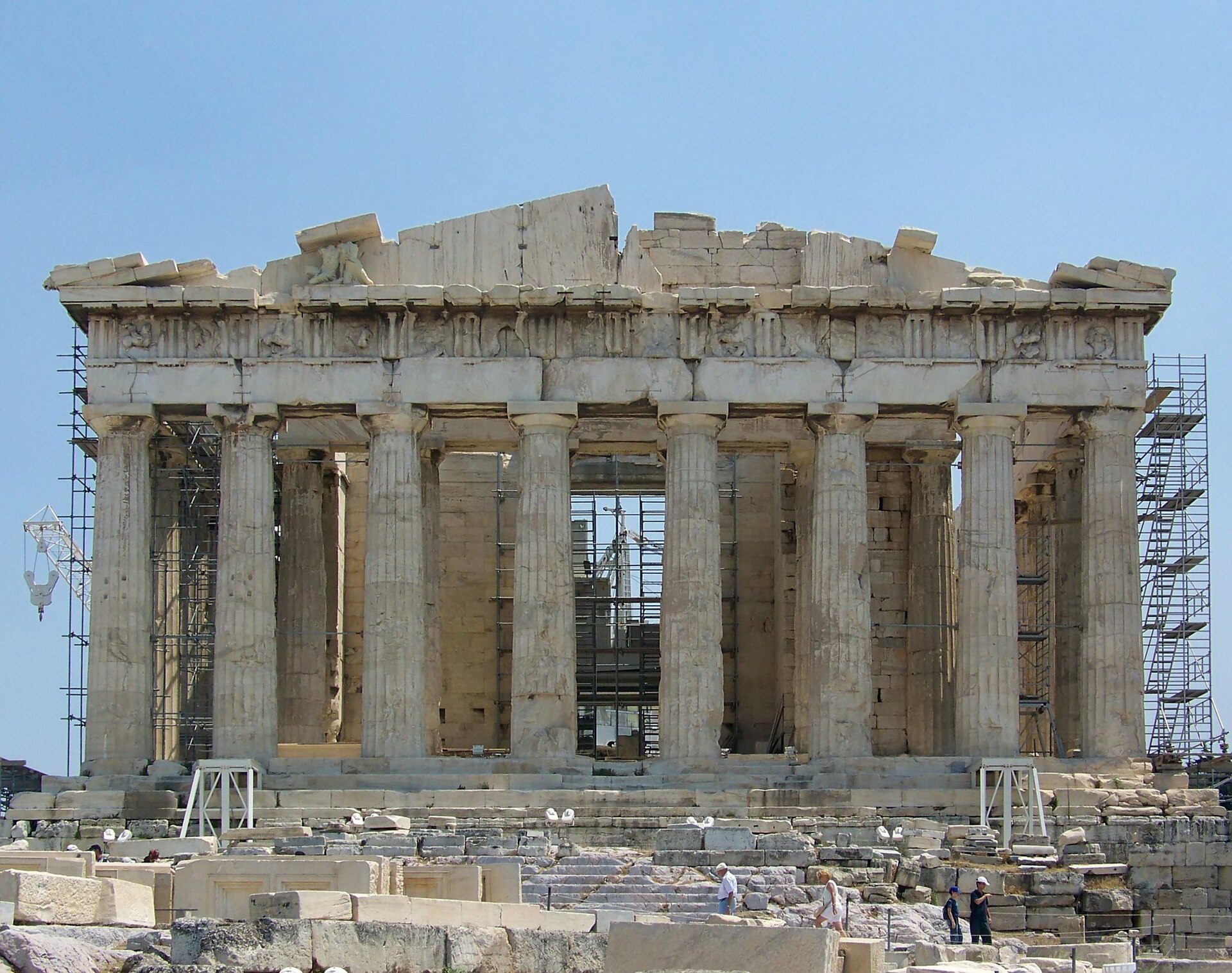
Table of Contents
- A Sacred Rock Above the City of Athena
- Pericles and the Building of a Golden Age
- The Parthenon, Masterpiece of Doric Architecture
- The Propylaea: A Monumental Gateway
- The Small Temple of Athena Nike
- The Erechtheion and the Porch of the Caryatids
- The Theatre of Dionysus, Birthplace of Drama
- The Odeon of Herodes Atticus
- From Temple to Church, Mosque, and Ruin
- The Acropolis Museum and the Question of the Marbles
- Nearby Places
- Closing Thoughts
A Sacred Rock Above the City of Athena
An acropolis simply means the high point of a Greek city, a natural fortress and refuge. The Acropolis of Athens had been settled and fortified since the Bronze Age, long before the marble temples we see today, and it was always regarded as the holiest ground in the city.
Above all it belonged to Athena, the goddess of wisdom and warfare and the protector of Athens. According to myth she had won the city in a contest with the sea god Poseidon, and the buildings on the rock were raised in her honour.

Pericles and the Building of a Golden Age
The Acropolis we know was largely the creation of a single decade of ambition. After the Persians sacked Athens and burned its temples in 480 BC, the Athenians left the ruins standing for a time as a memorial, then resolved to rebuild on a scale never seen before.
The driving force was the statesman Pericles, who in the middle of the fifth century BC used the wealth and confidence of a victorious, democratic Athens to fund a vast building programme. Under the master sculptor Phidias and the architects Ictinus and Callicrates, the rock was transformed.
The Parthenon, Masterpiece of Doric Architecture
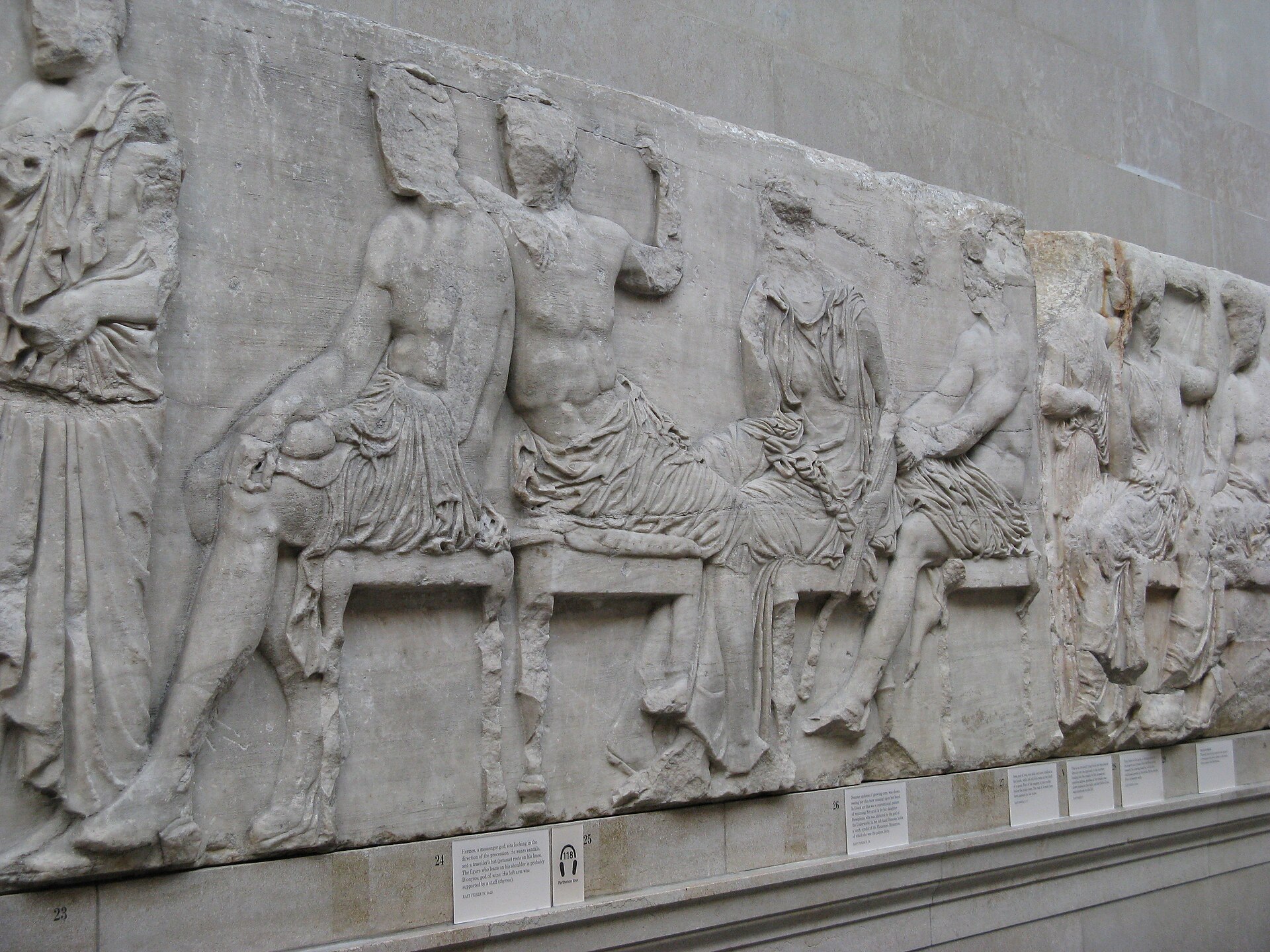
The Parthenon was built between 447 and 432 BC as the temple of Athena Parthenos, Athena the Virgin. Inside stood a colossal statue of the goddess in gold and ivory, long since lost, while the outside was wrapped in some of the finest sculpture the ancient world produced.
Its perfection is partly an illusion of genius. The columns swell slightly and lean inward, the floor curves gently upward, and there is scarcely a truly straight line in the building, all subtle corrections that make the marble look flawlessly regular to the human eye.
The Propylaea: A Monumental Gateway
There was only one way onto the sacred rock, and the Athenians made the approach itself a work of art. The Propylaea is a grand marble gateway of columns and porches through which every procession and pilgrim had to pass.
Designed by the architect Mnesicles, it was deliberately built to prepare the visitor, framing the first sight of the temples beyond and marking the passage from the ordinary city into sacred space.

The Small Temple of Athena Nike
Beside the entrance, on a projecting bastion, stands the tiny and elegant Temple of Athena Nike, Athena as bringer of victory. From this high perch worshippers could look out over the approaches to the city and the sea.
Its position was no accident. In an age of near-constant warfare the Athenians placed the shrine of victory where it commanded the view, a prayer in marble for the safety and success of the city.

The Erechtheion and the Porch of the Caryatids
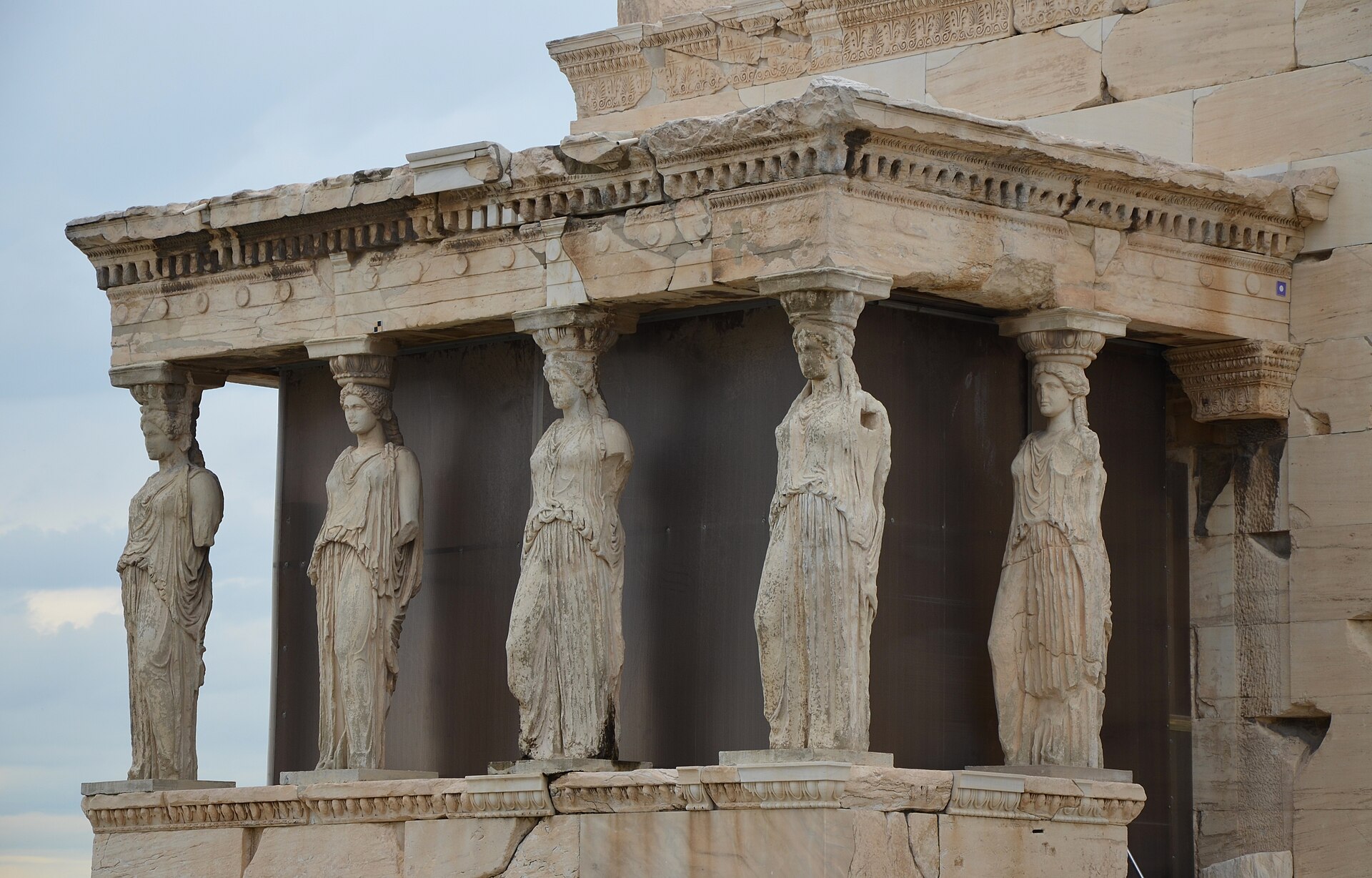
On the north side of the rock stands the Erechtheion, a strange and beautiful temple built on uneven ground to enclose several of the Acropolis’ oldest and holiest spots, including the marks said to be left by Poseidon’s trident.
Its most famous feature is the Porch of the Caryatids, where six sculpted maidens stand in place of columns, calmly bearing the weight of the roof on their heads. They are among the most admired figures in all of Greek art.
The Theatre of Dionysus, Birthplace of Drama
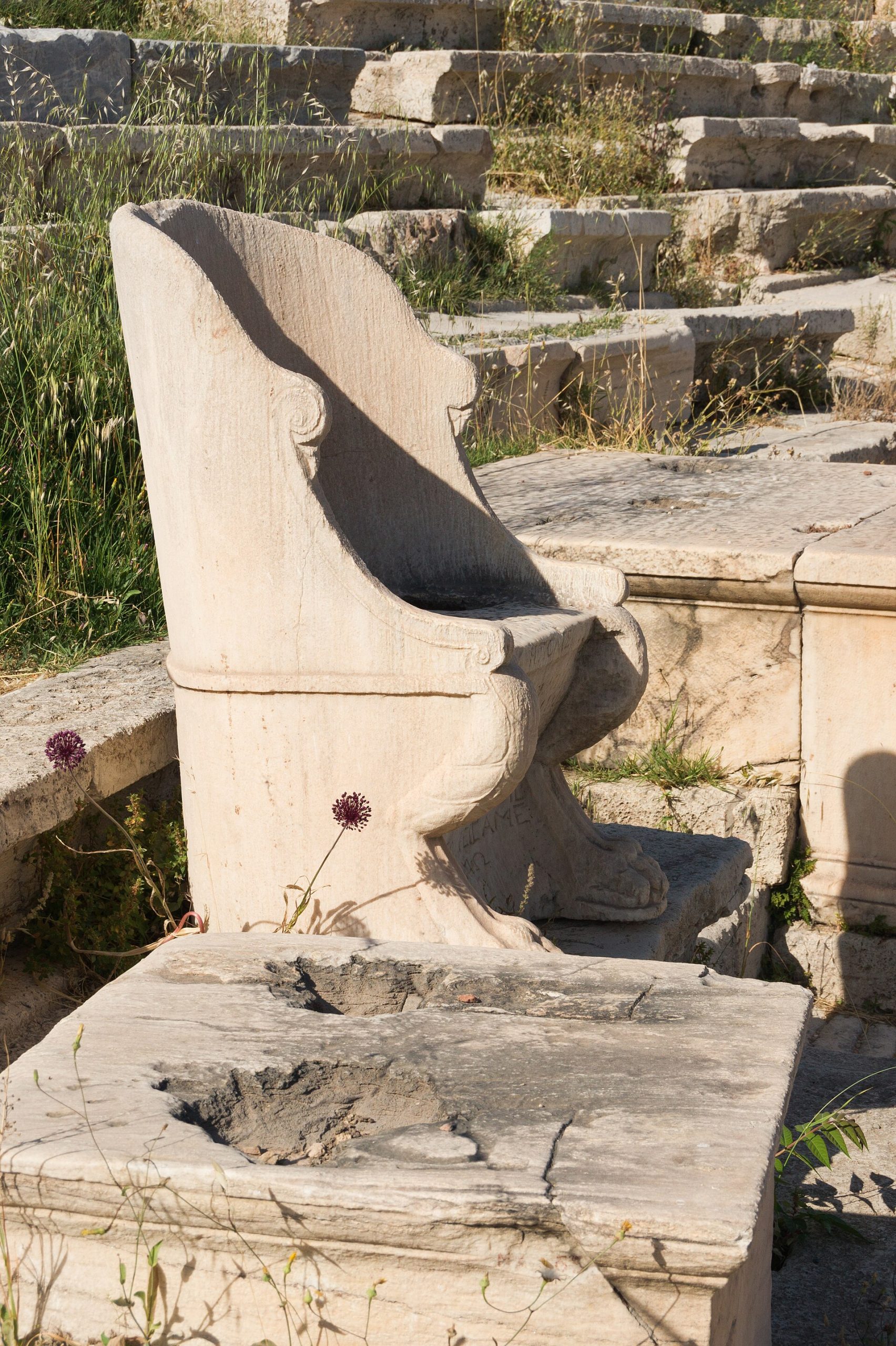
On the southern slope of the Acropolis lies the Theatre of Dionysus, where western theatre was effectively born. Here, at festivals in honour of the god of wine and ecstasy, the great tragedies and comedies of Athens were first performed.
The plays of Aeschylus, Sophocles, Euripides and Aristophanes were staged on this very hillside before audiences of thousands. The stone seats that survive mark the place where drama first became a public art.
The Odeon of Herodes Atticus
Further along the slope stands a later monument, the Odeon of Herodes Atticus, a steep-sided stone theatre built in Roman times by a wealthy Athenian benefactor in memory of his wife.
Restored in the twentieth century, it is once again in use, hosting concerts and performances beneath the floodlit rock. Few audiences anywhere watch a show against so ancient a backdrop.

From Temple to Church, Mosque, and Ruin
The Parthenon has led many lives. For centuries it served as a Christian church dedicated to the Virgin Mary, and later, under Ottoman rule, as a mosque, its ancient walls adapted to each new faith.
Its greatest disaster came in 1687, when the building, then used to store gunpowder, was struck during a war between the Venetians and the Ottomans and blew apart. Much of what had survived two thousand years was destroyed in a single moment.
The Acropolis Museum and the Question of the Marbles
In the early nineteenth century a large part of the Parthenon’s surviving sculpture was removed and shipped to Britain, where the so-called Elgin Marbles remain in the British Museum. Their return is one of the most famous disputes in the world of cultural heritage.
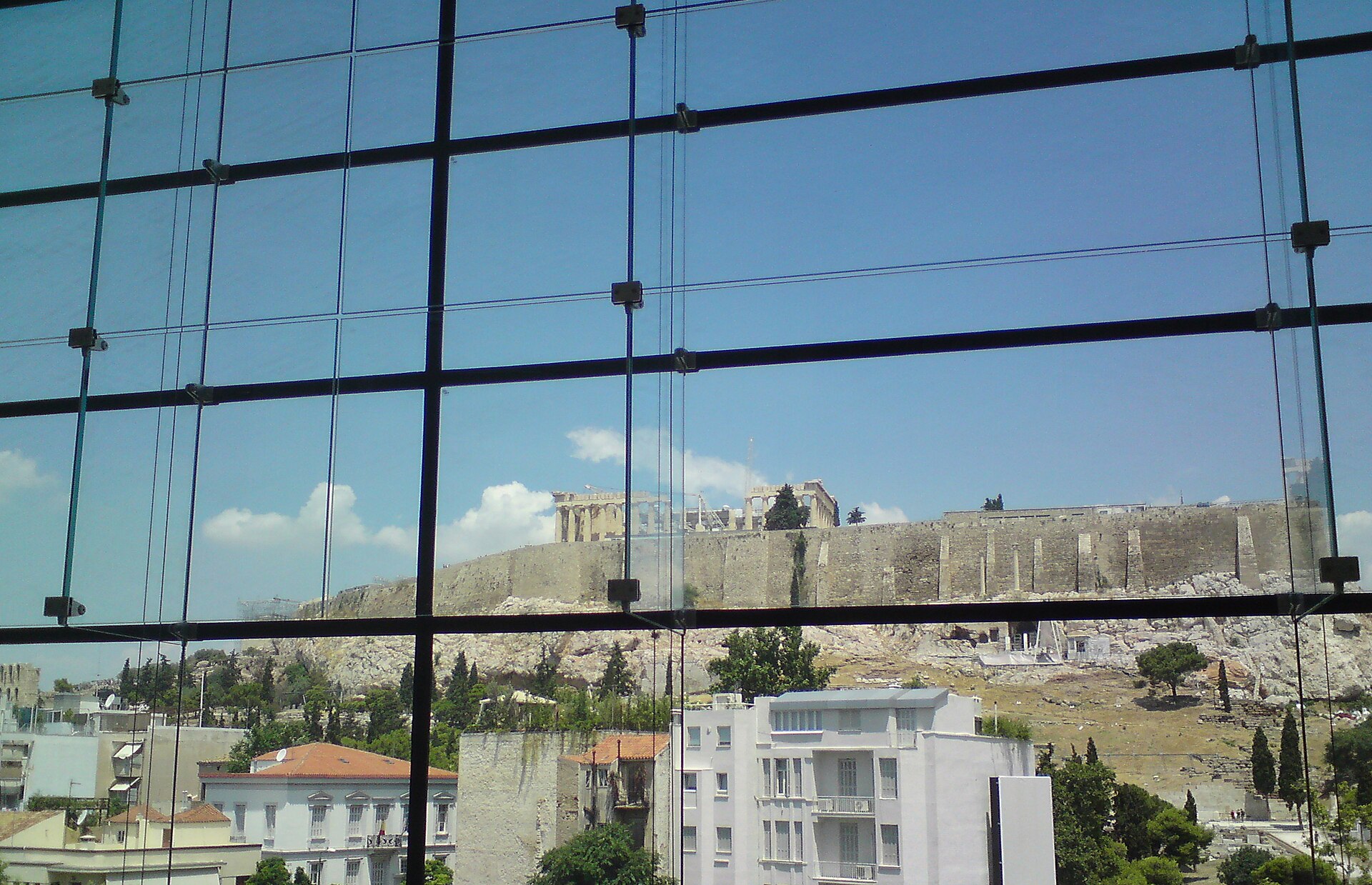
To display what remains, and to make the case for reuniting the sculptures, Athens opened the modern Acropolis Museum at the foot of the hill. The Acropolis itself was among the first sites inscribed on the UNESCO World Heritage List in 1987.
Nearby Places
- Thebes: The Egyptian City of a Hundred Gates — the temple-city of a civilisation the Greeks themselves looked to with awe.
- Abu Simbel — the colossal rock temples of Ramesses II, monumental building on a scale the Greeks would later rival in marble.
Closing Thoughts
The Acropolis is more than a group of ruins; it is a statement in stone about what a small city believed it could achieve. In one generation the Athenians turned a war-scarred rock into a monument that would define beauty for the rest of history.
To climb the sacred hill today, past the gateway and up to the Parthenon, is to walk through the ambitions of classical Athens. Battered by war, fire and time, the marble still holds the proportions that have inspired architects and dreamers for more than two thousand years.


5 thoughts on “The Acropolis of Athens: How One Marble Rock Came to Define Beauty and Democracy”