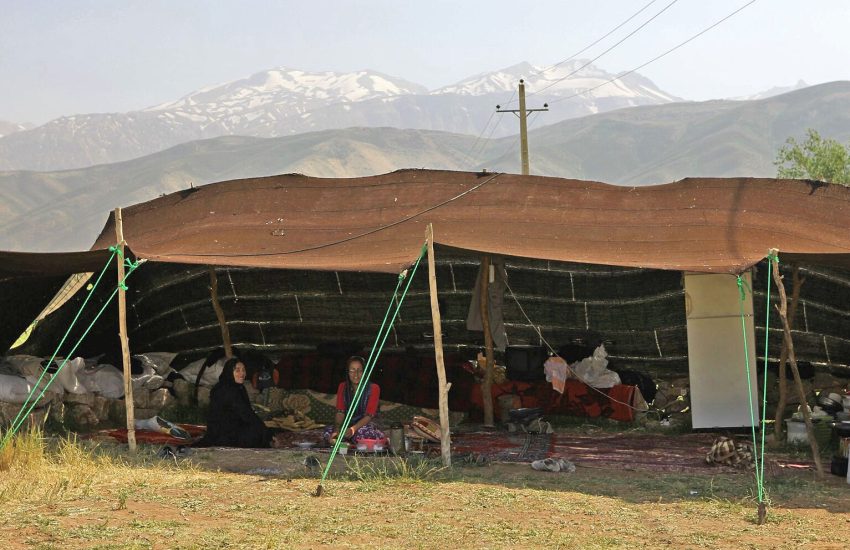
Along the upper Niger, in the savanna heart of Mali, live the largest of the Mande peoples, farmers and warriors who kept the old gods when their kinsmen turned to Islam, built proud pagan kingdoms on the great river, and carved the antelope headdresses that are among the most beloved images of all African art. The Bambara, or Bamana, heirs of the medieval empires and founders of Segou, are the demographic and cultural core of the modern Malian nation.
This portrait follows the Bambara of the Niger savanna: their Mande origins and the kingdoms of Segou and Kaarta, Bamanankan the lingua franca of Mali, the age-set ton and the caste order of smiths and griots, the Komo society and the Chi Wara that keep the old religion’s memory, bogolan mud cloth and the antelope dance, the groundnut stews of the savanna, the conquest by jihad and by France, and the largest people of a nation in crisis on the great river.
Contents
- Farmers of the Upper Niger and Heirs of Mande
- Bambara, Bamana, and the People Who Refused
- Bamanankan, the Lingua Franca of Mali
- The Savanna and River of the Malian Heart
- Millet, the Ton, and the Kingdoms of Segou
- Age Sets, Castes, and the Bonds of the Village
- The Komo, the Chi Wara, and the Coming of Islam
- Bogolan Mud Cloth and the Antelope Dance
- Blacksmiths, Weavers, and the Sculptors of the Cults
- Millet, Rice, and the Sauces of the Savanna
- Harvest Rites and the Masks of the Societies
- The Bamana Empire and the French Conquest
- The Largest People of Mali
Farmers of the Upper Niger and Heirs of Mande
The Bambara, who call themselves Bamana, are the largest people of Mali and one of the great branches of the Mande, the family of peoples of the upper Niger whose ancestors built the medieval empires of Ghana, Mali, and their successors. They are farmers of the savanna, cultivators of millet and sorghum along the great river, and their culture is one of the oldest and most influential in West Africa.
They emerged from the Mande world of the upper Niger, kin to the Malinke who founded the empire of Mali under Sundiata in the thirteenth century, sharing the language, the social structure, and the cultural inheritance of that great civilization, and spreading as farmers across the savanna of what is now central and southern Mali.
Where the Malinke and others of the Mande embraced Islam, the Bambara long held to the old religion, and their very name came to mark that choice, so that they are remembered as the Mande people who kept the traditional gods and cults longest, farmers and warriors of a resolutely local faith.
From this base they built, in the seventeenth and eighteenth centuries, powerful kingdoms of their own, above all at Segou on the Niger, and became the demographic and cultural core of the country that would take the ancient name of Mali, the heirs of the Mande settled on the land of the empire.
The Bambara sit at the heart of the Mande story that begins with Sundiata and the founding of the empire of Mali in the thirteenth century: they share the language, the caste order, and the epic tradition of that civilization, and their kingdoms of Segou can be seen as a late, pagan flowering of the same Mande genius for the state that raised the medieval empires of the Niger.
Bambara, Bamana, and the People Who Refused
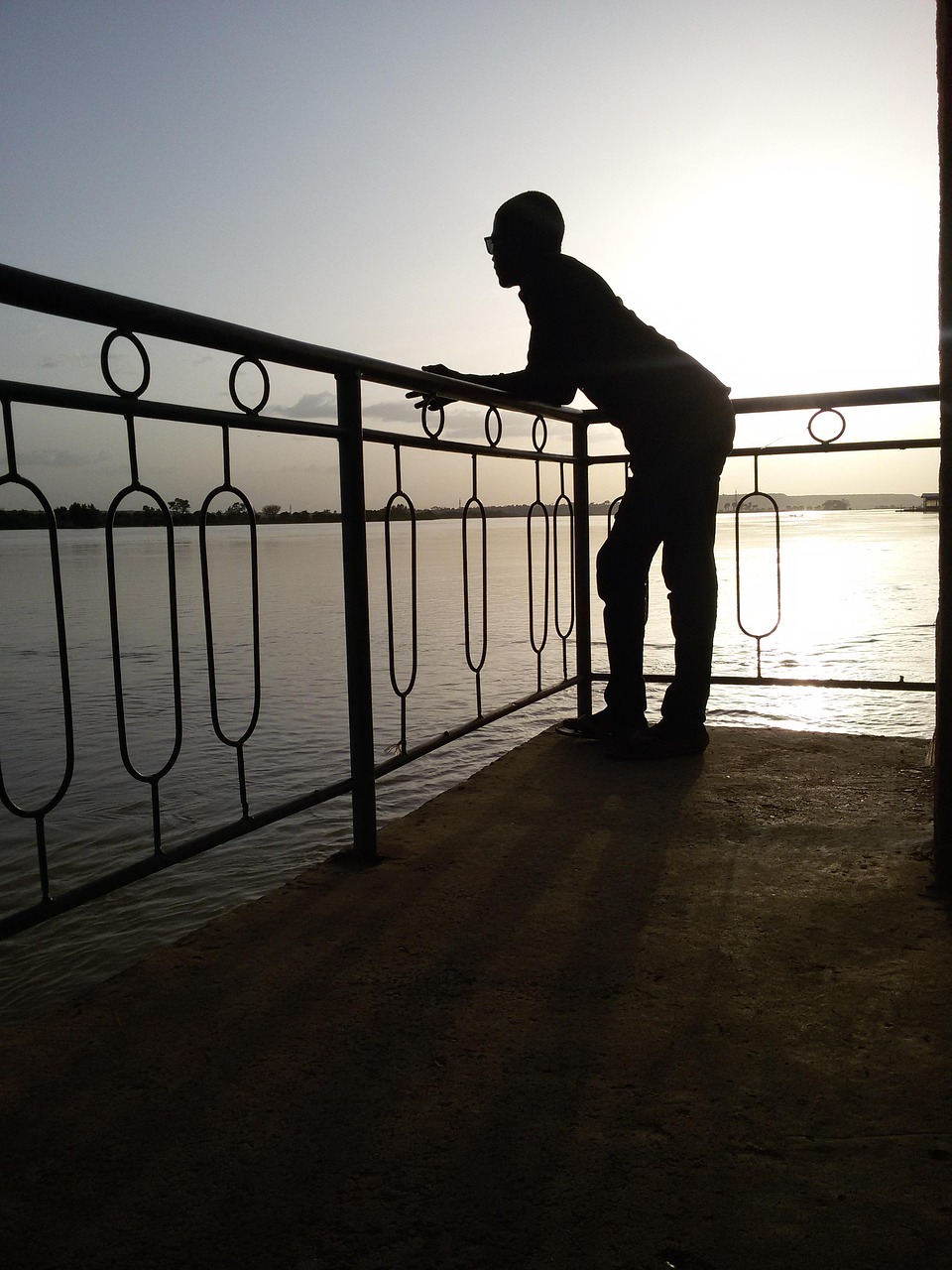
The name Bambara is the familiar international form, from the usage of neighbors and the French, while the people’s own name for themselves is Bamana, and the two name one people; Bamanankan, their language, and Bamanaya, their way of life, carry the self-name.
The name has often been given a meaning tied to religion: the interpretations bamanan or ban ba, glossed as those who refused a master or those who rejected submission, taken to mark the Bambara as the Mande who refused Islam and kept the old gods, a folk etymology that captures their historical identity even if scholars debate the linguistics.
They are the core of the wider Mande world, closely related to the Malinke, the Dyula traders, the Khassonke, and others, all sharing a language continuum, the caste system, and the cultural forms of the upper Niger, of whom the Bamana became the most numerous.
Today Bamana identity is bound up with Mali itself: the Bambara are the nation’s largest group, their language its lingua franca, and their culture, its music, its cloth, its social forms, has become in many ways the national culture of the modern Malian state.

Bamanankan, the Lingua Franca of Mali
Bamanankan, the Bambara language, is a Mande language of the Niger-Congo family, and it is the most widely spoken tongue in Mali, the first language of the Bambara and the second language of much of the country, the lingua franca of markets, music, and daily life across the Malian savanna.
It belongs to the Manding cluster, a continuum of closely related speech, Bambara, Malinke, Dyula, that stretches across Mali, Guinea, Ivory Coast, and beyond, so that a Bambara speaker can be understood across a vast region, one of the great trade languages of West Africa carried by the Mande merchants for centuries.
It is a tonal language rich in proverb and oral art, the medium of the griots, the hereditary bards, whose epics, praise songs, and histories, above all the epic of Sundiata, the founder of old Mali, are recited and sung in the Manding tongue, a living oral literature of great antiquity.
Bamanankan is vigorously alive and growing: the language of Mali’s famous popular music, of radio and increasingly of writing, taught in some schools alongside French, and spreading as the national vernacular of a country whose international name and cultural core are alike Bambara.
Bamanankan’s reach as a trade language rivals Hausa’s in the east: carried by the Dyula merchants of the Mande world along the routes of gold and kola, the Manding tongue became the market speech of a vast swath of West Africa, so that a single language links farmers, traders, and griots from Bamako to the forest edge.
The Savanna and River of the Malian Heart
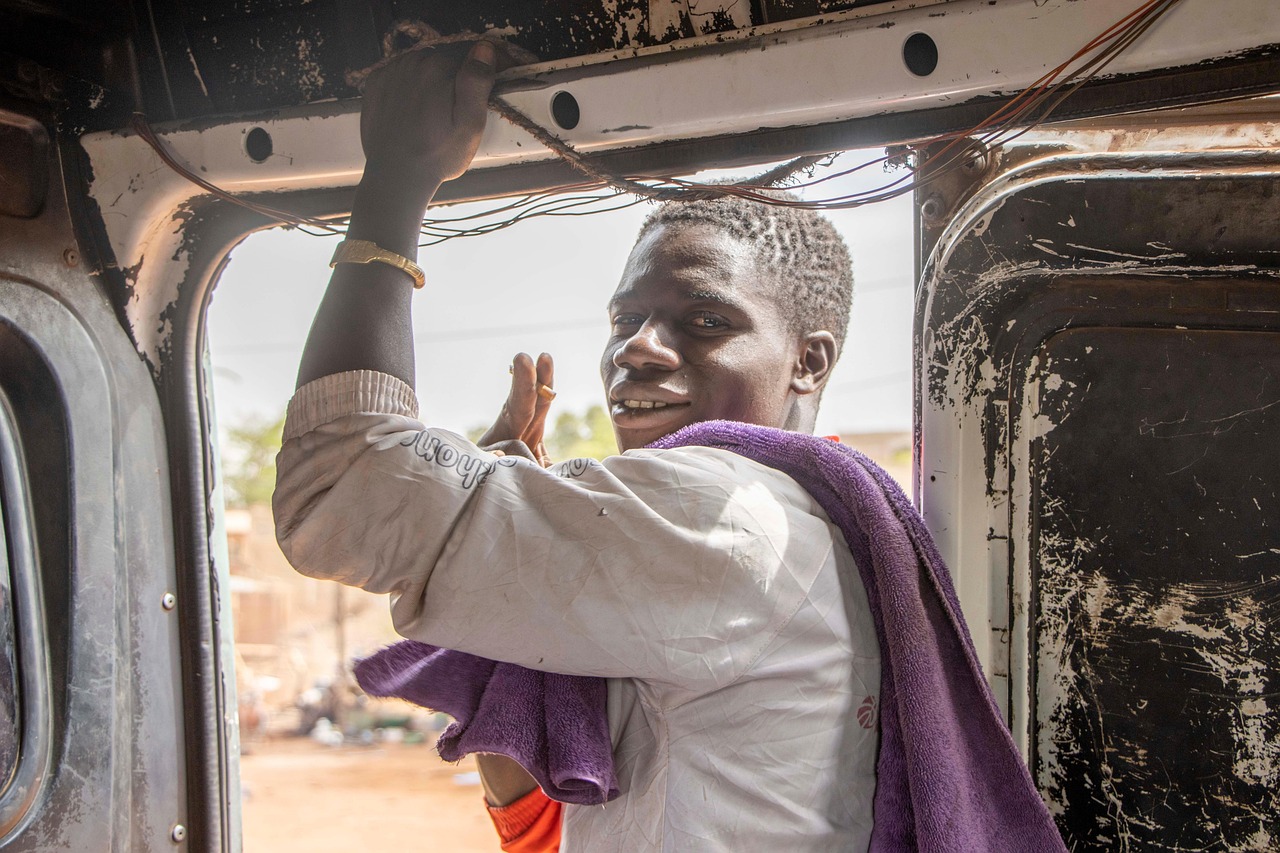
The Bambara homeland is the savanna heart of Mali, the country of the upper and middle Niger from the region of Bamako, the capital, down the great river through Segou and toward the inland delta, a land of open grassland and farmland watered by the Niger and its rains.
The Niger is the axis of their world: the great river that curves through Mali gives water, fish, transport, and the flooded lands for rice, and along its banks lie the old Bambara capitals and the modern cities, Bamako grown into one of West Africa’s fastest-growing metropolises.
It is farming country, the sahelian savanna where millet, sorghum, and increasingly rice and cotton are grown in the rains, a land of villages of mud houses and granaries set among the fields, hot and dry for much of the year and green in the brief wet season.
Bamako, the capital, is the Bambara city above all, a river city that has swelled into a huge and vibrant capital, the heart of Malian music, commerce, and politics, and the modern center of a people who spread from the villages of the savanna into the life of the whole nation.
Millet, the Ton, and the Kingdoms of Segou
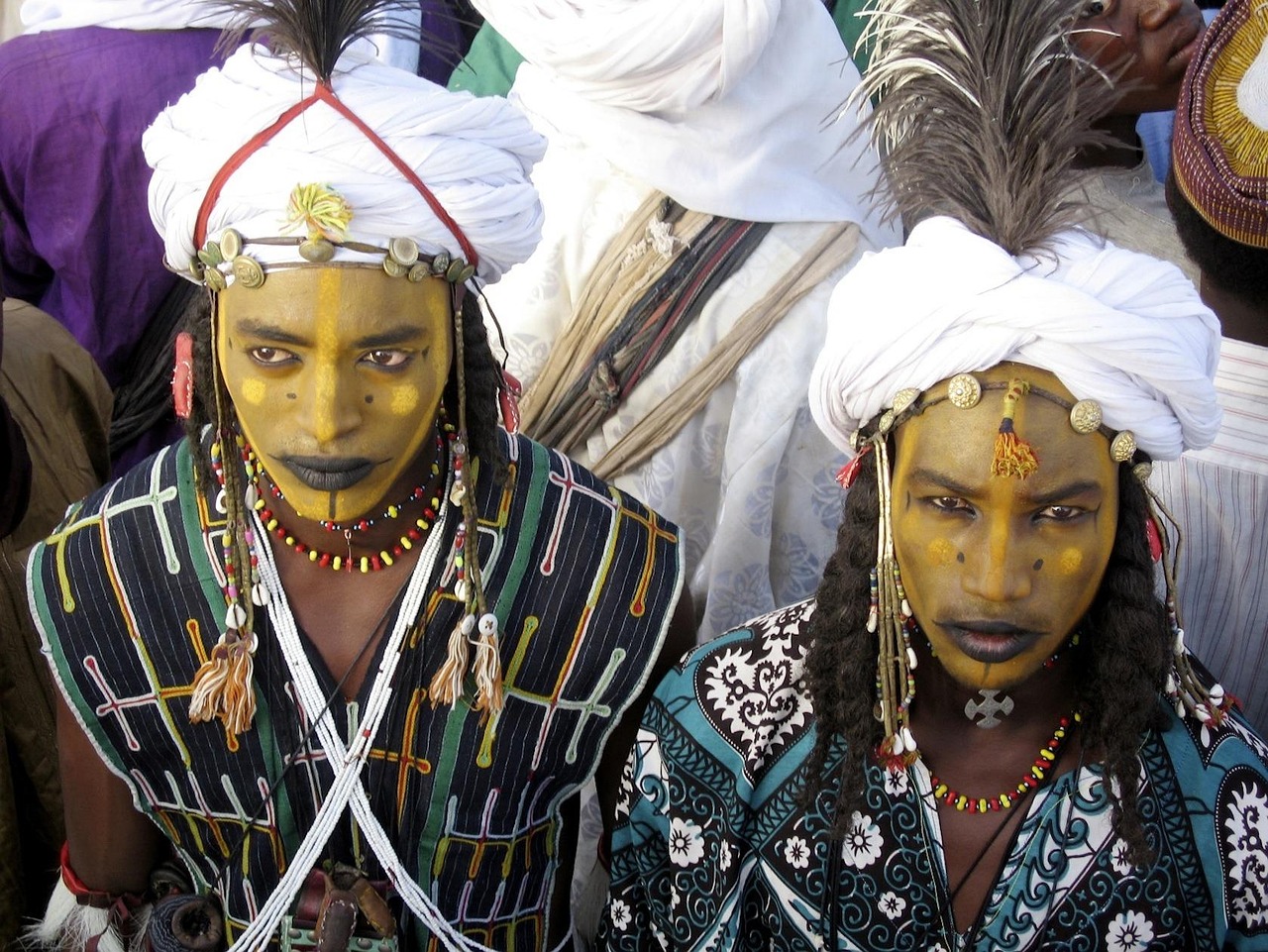
The old Bambara world was a world of farming villages and the great cults, and, at its height, of kingdoms. The village, its lineages, and its fields of millet were the base, and the whole society was ordered by the labor of the farming year, the young men’s work parties, and the authority of the elders and the cult priests.
The ton was the engine of collective life: the age-set association that bound the young men of a village or district, organizing their labor, their initiation, and, in the kingdoms, their military service, and it was from such associations that the Bambara states themselves grew.
For at the end of the seventeenth century the ton-jon, the slave-warriors of the associations, built kingdoms: the Bamana kingdom of Segou on the Niger, founded by Biton Coulibaly, became a powerful state raiding and taxing across the region, and a rival kingdom rose at Kaarta, the Bambara translating the age-set brotherhood into military monarchy.
These were pagan states in an increasingly Muslim region, their kings served by the cults and the great Komo society, their power built on the war-captives and the horse, and Segou in particular became a byword for a proud, traditionalist Bambara power that held out against the Islamic reform movements pressing from every side.
Age Sets, Castes, and the Bonds of the Village
Bambara society, like the wider Mande world, is ordered by lineage, age, and caste. The patrilineal lineages and the village are the frame, the extended family working the land together under its elders, and the age sets binding the generations into the associations that organize labor, initiation, and mutual aid.
The caste system, the nyamakala, sets certain groups apart: the blacksmiths, the leatherworkers, and above all the griots, the bards, endogamous hereditary castes possessing special powers and skills, feared and needed, the smith who works the dangerous power of iron and fire, the griot who holds the word and the memory of the society.
The griot is the master of the word: the hereditary bard who keeps the genealogies, sings the epics, praises the patrons, and mediates in disputes and marriages, the human archive and the diplomat of the Mande world, a caste whose art has made Malian music famous across the globe.
Above the free farmers and the castes stood, in the old order, the enslaved, and the whole was bound by the ideals of Mande society, the honor, the reserve, the obligations of kin and caste, and the deep respect for the spoken word and the elder that still shape Bambara life.
The griot, jeli in the Mande tongue, is one of Africa’s most remarkable institutions: forbidden to farm or to rule but indispensable to both, the hereditary bard holds the genealogies and epics of the whole society, negotiates its marriages and its peace, and in the modern age has turned that ancestral art into the global phenomenon of Malian music.
The Komo, the Chi Wara, and the Coming of Islam
The Bambara held the traditional Mande religion longer and more famously than their neighbors, a rich system centered on a creator, on the vital force nyama that runs through all things, and on the great initiation societies, the jow, through which men passed to gain knowledge and power across a lifetime.
Six great societies ordered the old religious life, the ndomo of the boys, and the higher societies of the initiated men, the komo, nama, kono, and others, secret associations with their masks, altars, and knowledge, guardians of the sacred and the moral order, whose masters wielded the dangerous power of the ritual objects.
The Komo above all was the great cult: its fearsome horizontal masks, encrusted with sacrificial matter, quills, and horns, embodying the wild power of knowledge and the bush, danced by its blacksmith-priests to enforce the law and protect the community, one of the most powerful of West African secret societies.
Islam, long resisted by the Bambara kingdoms, spread widely in the colonial and modern eras until most Bambara today are Muslims, but the old religion is not wholly gone; the societies, the sculpture, the sense of nyama and the sacred power of the smith persist beneath and beside the mosque, in a people who kept the old gods longer than almost any of their kin.
The Komo masks are among the most powerful objects in African art: horizontal, animal-jawed, and crusted with the sacrificial matter that holds their nyama, they are not meant to be beautiful but to be potent, embodiments of the dangerous knowledge of the bush, and the blacksmith-priests who carved and danced them were feared as masters of forces the ordinary villager dared not touch.

Bogolan Mud Cloth and the Antelope Dance
The most famous Bambara tradition is the Chi Wara, the antelope headdress and the dance that honors the mythical being who taught the Bambara to farm. The graceful carved antelope crests, male and female, worn atop the head and danced in pairs at the farming festivals, are among the most iconic and beloved images of all African art.
Bogolan, the mud cloth, is the other great emblem: cotton cloth dyed with fermented mud in bold geometric patterns of black, brown, and white, made traditionally by women, each pattern named and meaningful, once ritual and now a global symbol of Malian and African identity, worn on the world’s runways and walls.
The masks of the societies fill the ceremonial life: the horizontal Komo masks, the ndomo masks of the boys’ initiation, the marionette-like puppets of the youth theater danced at village festivals, a rich tradition of masking and performance tied to the cults and the farming year.
Music threads through everything, the griots’ epics and praise songs, the balafon and the ngoni lute and the kora, and the great tradition of Malian music that grew from the Mande roots to become one of the most celebrated in the world, carrying the Bambara voice to a global audience.
Blacksmiths, Weavers, and the Sculptors of the Cults
Bambara craft is bound to the castes and the cults. The blacksmiths are the master artists: workers of iron for the hoes and weapons of a farming people, and carvers of the wood for the masks and figures of the societies, holders of the sacred, dangerous power of fire and transformation, their smithy a place of creation set apart from the village.
The Chi Wara crests are the summit of the carving: the antelope headdresses in their many regional styles, from the graceful vertical forms to the elaborate horizontal and abstract types, along with the Komo and ndomo masks and the standing figures of the cults, Bambara sculpture prized among collectors as among the great arts of Africa.
Bogolan is the women’s masterpiece: the cotton grown, spun, woven into strips on the men’s loom, sewn, and then painted by women with fermented mud and plant dyes in the bold named patterns of the mud cloth, a craft of ritual origin now a celebrated art and a major export of Malian design.
Leatherwork, pottery, and the making of the musical instruments, the ngoni, the balafon, complete the craft world, and the whole, the iron, the wood, the cloth, the leather, and the sound, is bound to the caste order and the cults, art and the sacred inseparable in the Bambara world.
Millet, Rice, and the Sauces of the Savanna
The Bambara table is built on the grains of the savanna. Millet and sorghum are the ancient staples, pounded and cooked into to, the stiff porridge eaten with a sauce, and increasingly rice, grown in the flooded lands of the Niger, has become a favorite, the base of the beloved festive dishes.
The sauces carry the meal: the leaf sauces, the groundnut sauce, the tomato and okra and the dried fish and meat of the savanna, and the fermented seasonings, the soumbala of the locust bean, that give Malian cooking its characteristic depth, ladled over the grain in the communal bowl.
The national dishes are shared across Mali: tigadege na, the groundnut stew, the rice and sauce, and the festive jollof-style rices, and the river gives its fish, smoked and fresh, an important part of the diet along the Niger.
Tea and millet beer mark the social world: the strong sweet green tea brewed in three rounds and shared through long hours of talk, and, among the non-Muslim and in the old rites, the millet beer poured to the ancestors and shared at the festivals, the drink of the farming societies.

Harvest Rites and the Masks of the Societies
The Bambara ceremonial year turned on the farming cults and the initiation societies. The Chi Wara dance came at the times of clearing, sowing, and harvest, the paired antelope dancers leaping through the fields and the village to honor the being who taught agriculture and to bless the labor of the farmers, the great festival of the farming year.
The initiation societies held their rites in season: the ndomo of the boys and the higher societies of the men marked the passage of the generations with masks, dances, and the transmission of knowledge, and the Komo and the other cults came out to enforce the law and cleanse the community at their appointed times.
The puppet masquerades, the sogo bo, the coming forth of the animals, brought the youth associations’ carved and costumed figures, antelopes, buffaloes, and characters of the village, dancing to the drums at the festivals of the dry season, a living theater of the Bambara and the wider Segou region.
Islamic festivals now overlay the old among the Muslim majority, the two Eids kept across the country, and the modern national and musical festivals of Mali, above all the great gatherings of Malian music, have become new celebrations of a culture whose Bambara heart still beats in the drums and the masks.
The Bamana Empire and the French Conquest
Bambara history rises from the Mande world of the medieval empires and flowers in the kingdoms of the seventeenth and eighteenth centuries. From the age-set associations grew the Bamana kingdom of Segou, founded around 1712 by Biton Coulibaly, a powerful pagan state on the Niger that raided, taxed, and traded across the region, and its rival kingdom of Kaarta.
Segou became a great power of the western Sudan, its kings, the Coulibaly and then the Diarra dynasties, ruling from the river city with their slave-warriors and their cults, a proud traditionalist state that resisted the Islamic reform movements sweeping the Sahel and held out as a bastion of the old religion.
The nineteenth century brought the jihad and the French: the Islamic conqueror al-Hajj Umar Tall overthrew Segou in the 1860s, imposing Muslim rule, and then the French, expanding up the Niger, conquered the region in the last decades of the century, folding the Bambara lands into the colony of French Sudan.
That colony, at independence in 1960, took the ancient name of Mali, and the Bambara, its largest people, became the demographic and cultural core of the new nation, their language its lingua franca and their culture, in large measure, its national identity, heirs at once of the Mande empires and the kingdoms of Segou.
Segou’s fall to al-Hajj Umar Tall in 1861 was a turning point for the western Sudan: the great pagan kingdom, the last major bastion of the old Mande religion as a state power, was overthrown in the name of Islam, and though the French would soon sweep away Umar’s own empire in turn, the Bambara heartland had passed, after two centuries of proud resistance, into the Muslim world.
The Largest People of Mali
The Bambara today number some millions and more, the largest single people of Mali, perhaps a third of the nation, concentrated in the center and south along the Niger and dominant in the capital Bamako, and their language and culture reach far beyond their own numbers as the national vernacular and culture of the Malian state.
Their cultural influence is vast: Bamanankan is the lingua franca of Mali, Bambara and Mande music is one of the most celebrated in the world, from the griot traditions to the international stars of Malian song, and bogolan cloth and Chi Wara sculpture are global emblems of African art and identity.
But their homeland shares in Mali’s deep crisis: since 2012 the country has been wracked by jihadist insurgency, the collapse of state authority across much of the north and center, coups and instability in Bamako, and the spread of communal violence, a catastrophe that has touched the Bambara heartland and the whole nation.
Through it all the Bambara remain the anchor of Mali: farmers of the Niger savanna, keepers of a Mande inheritance reaching back to the medieval empires, masters of the word and the mud cloth and the antelope dance, their culture the enduring core of a nation struggling through a hard age on the great river that has always been their home.
The 2012 crisis and after have made Mali a byword for the Sahel’s troubles, but the Bambara core of the country has held together as the anchor of the nation, and Malian music, much of it Bambara and Mande, has become one of the country’s proudest ambassadors to a world that knows Mali as much through its griots and guitarists as through its news.
Related Peoples of the Region
- Fulani Herders of the Sahel and Their Nation Scattered Across a Continent
- Hausa City-Builders of the Northern Savanna and Their Thousand-Year Market Civilization
- Yoruba of the Forest Cities and Their Gods That Crossed the Atlantic
- Igbo of the Republican Villages and Their Nation That Crowned No King
- Ashanti of the Golden Stool and Their Forest Empire of Gold
- Dogon of the Bandiagara Cliffs and Their World Carved Into the Rock
More Peoples of the World
You May Like
The Zaza, a Mountain People of Eastern Anatolia