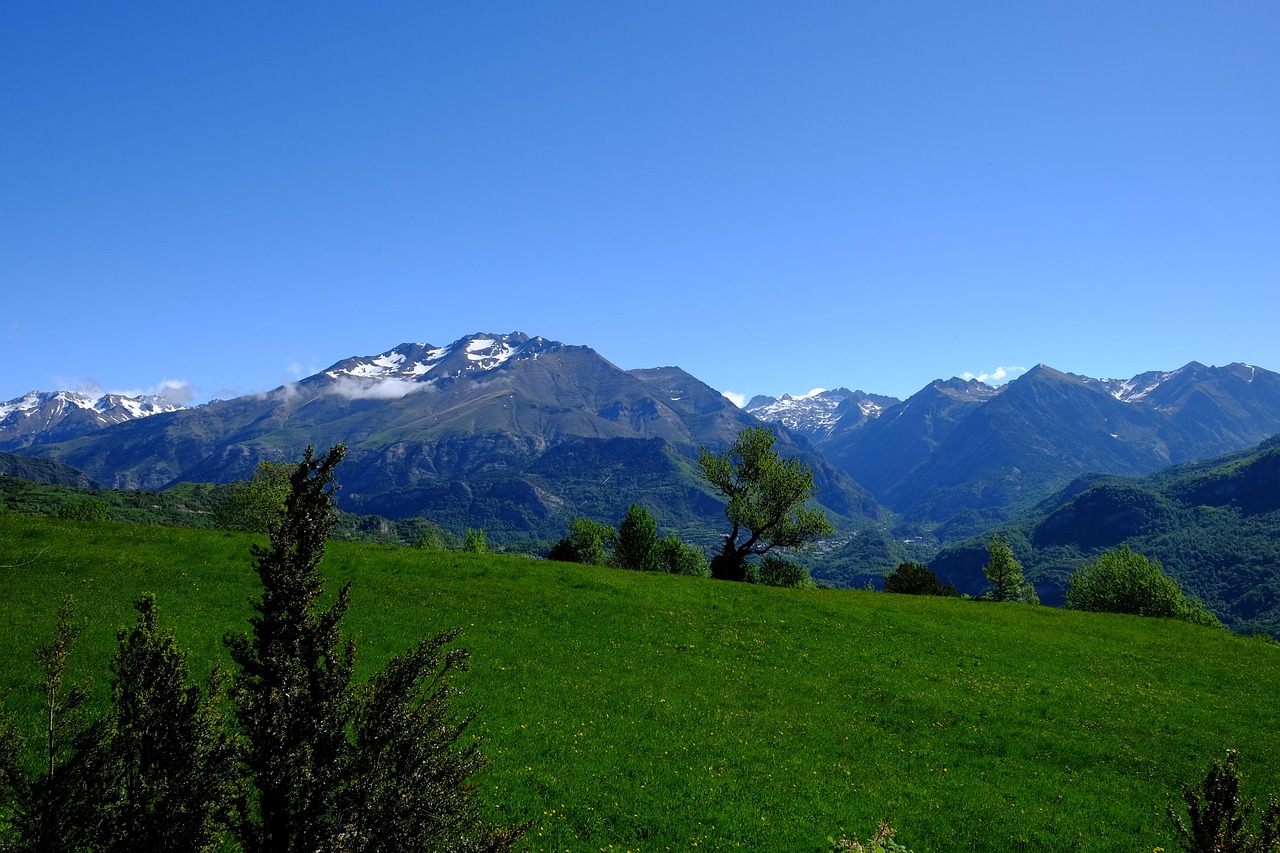
Tucked into the western corner of the Pyrenees, straddling the border between Spain and France along the Bay of Biscay, lives a people whose very language has puzzled linguists for centuries and whose origins reach back into a Europe we can barely glimpse. The Basques call themselves Euskaldunak, a word that means, quite literally, those who speak Euskara — for among the Basques, to possess the language has long been the truest mark of belonging. That language is the great riddle of European linguistics: a tongue that appears, after generations of study, to be related to nothing else alive on Earth today. To understand the Basques is to confront the remarkable possibility that here, in a small and mountainous homeland clinging to the edge of the Atlantic, survives a living fragment of a Europe that existed before almost everything else we think we know about the continent.
This is an attempt to tell their story with honesty and care — resisting both the temptation to mythologize the Basques as a pure and unbroken remnant of the Stone Age and the opposite error of dismissing what genuinely is extraordinary about them.
A People Defined by Their Language
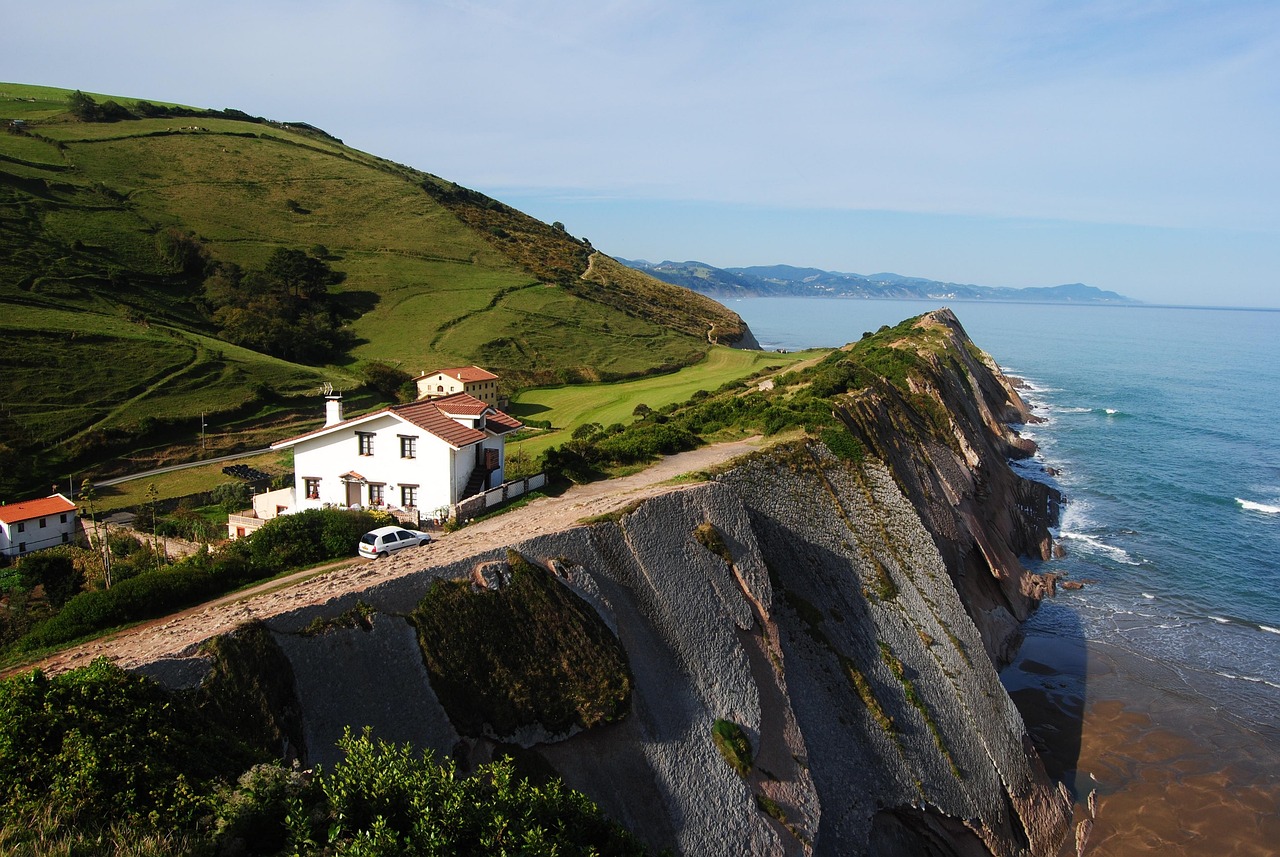
The Basques are an ethnic group native to a region known as the Basque Country, which spans the western Pyrenees and the adjacent Atlantic coast in both Spain and France. Unusually among European peoples, their identity has historically been anchored not in a state or a dynasty but in language, custom, kinship, and an exceptionally strong sense of place. On the Spanish side, the Basque heartland today includes the Basque Autonomous Community and much of the neighboring region of Navarre; on the French side it lies within the western part of the department of Pyrenees-Atlantiques. Across this whole area, despite the international border that cuts through it, the Basques have long recognized one another as a single people sharing seven historic provinces.
What sets the Basques apart most sharply from every neighbor is Euskara itself. Nearly every other language spoken in Europe today — Spanish, French, English, German, Russian, Greek, the Celtic and Slavic tongues, even distant Hindi and Persian — belongs to the vast Indo-European family, a great web of related languages that spread across the continent and beyond over the last several thousand years. Euskara does not belong to this family, nor to any other known family. It is what linguists call a language isolate, with no demonstrated living relatives anywhere, and the prevailing scholarly view regards it as a survivor from the era before Indo-European tongues swept across Europe. Attempts to link it convincingly to other languages, ancient or modern, have so far failed to win broad acceptance, leaving Euskara standing alone — an island of speech in an Indo-European sea.
Reaching Back Before Recorded Europe
Estimating Basque antiquity demands real caution, but the broad picture that emerges from scholarship is genuinely striking. Because Euskara is unrelated to the Indo-European languages that arrived in Europe with successive migrations over the last several thousand years, many researchers believe the Basques may descend, at least in significant part, from populations that already inhabited the region before those migrations reshaped the continents linguistic map. Genetic studies have suggested that the people of the Basque area display patterns hinting at a degree of long-term continuity unusual in western Europe, as though the great population movements that swept through elsewhere left a somewhat lighter mark in this mountainous corner.
It is important, however, not to overstate the case. It would be an exaggeration — one sometimes made too confidently in popular accounts — to call the Basques simply the oldest people in Europe or an untouched relic of the Ice Age. Populations everywhere have mixed and moved, and the Basques are no frozen museum piece; they too have absorbed newcomers and changed over millennia. What can be said more safely, and what most scholars do say, is that their language and certain aspects of their population history appear to preserve something genuinely very old, predating the Romans, the Celts, and the Germanic peoples in the region. That is what makes them so endlessly interesting to historians, archaeologists, and geneticists alike, and it is a claim grounded in evidence rather than romance.
Marks Left by the Ancient Past
The Basque homeland is unusually rich in prehistoric remains, a landscape layered with the traces of deep human presence. The limestone hills of the western Pyrenees are riddled with caves that sheltered people across tens of thousands of years, and some of these caves preserve painted and engraved art from the Ice Age — images of bison, horses, and other animals rendered by hunters whose world is almost unimaginably distant from our own. Across the uplands stand dolmens, megalithic burial chambers, and arrangements of standing stones, the work of Neolithic and Bronze Age communities who herded, farmed, and buried their dead in this country long before any written record.
As with all such ancient sites, careful scholars stop short of drawing a direct, unbroken line from the artists of the painted caves to the modern Basques, since so vast a stretch of time separates them and identity cannot be read straightforwardly from old stones. Yet the sheer depth of continuous human occupation in the region is beyond dispute, and it provides a fitting backdrop to a people whose language seems to whisper of the same remote antiquity. The traditional Basque reverence for the land, expressed in countless place names that are themselves Euskara words describing the terrain, ties the living people to that ancient inhabited landscape in a way that feels, at the very least, deeply fitting.
How They Lived and What They Made
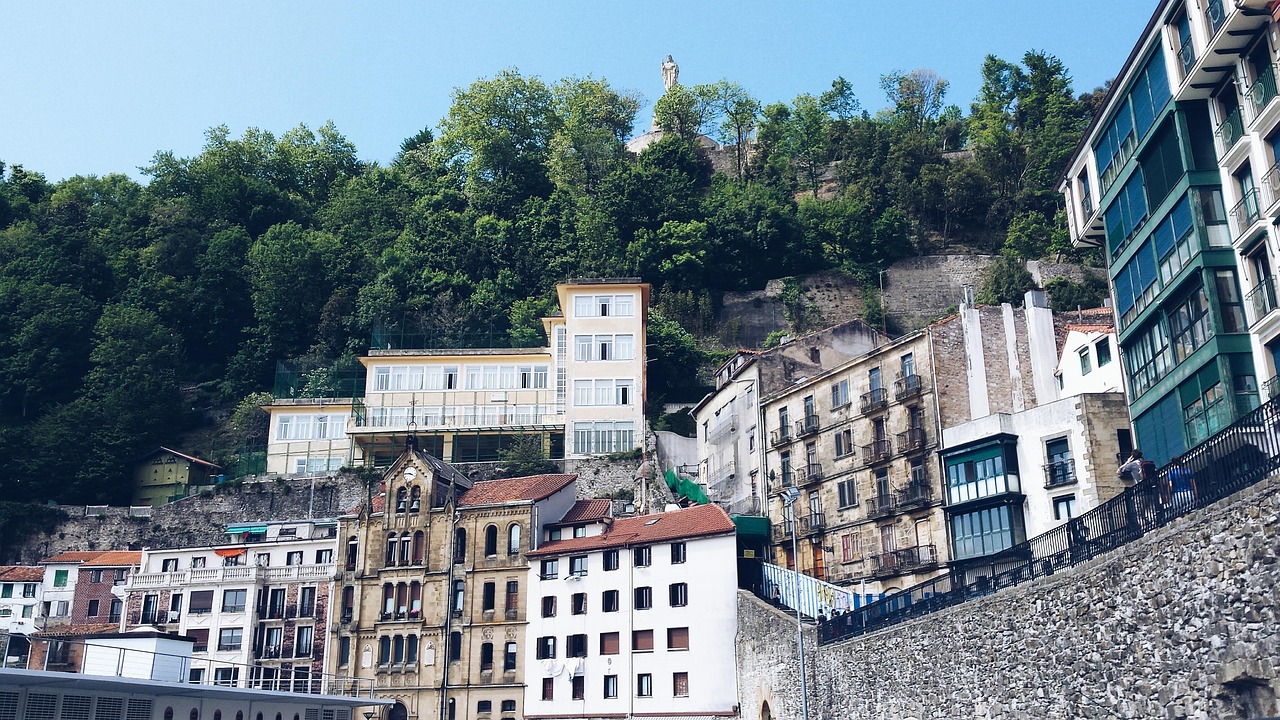
Traditional Basque life combined mountain herding, mixed farming, river and coastal fishing, and, strikingly, far-ranging seafaring. At the heart of rural society stood the baserri, the Basque farmstead, which was far more than a house: it was an enduring social and economic unit, often passed down intact to a single heir rather than divided among children, a custom that shaped inheritance law, family structure, and the very identity of rural Basques, who frequently took their surnames from the name of the farmstead itself. Each baserri sat within a web of mutual obligation with its neighbors, a cooperative ethos that ran deep in Basque rural culture.
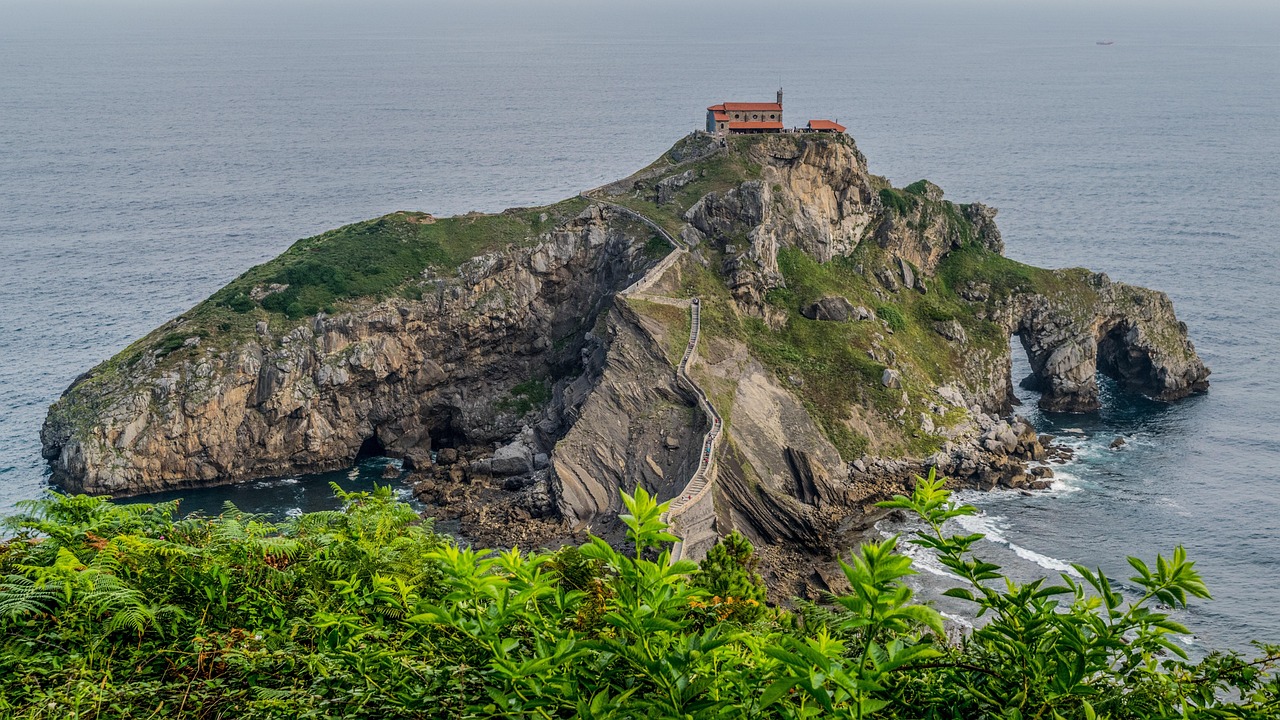
Along the coast, the Basques became renowned mariners whose reputation reached far beyond their small homeland. According to most historians, Basque fishermen and whalers ranged across the North Atlantic in pursuit of cod and whales, developing formidable skill in shipbuilding, navigation, and the dangerous craft of whaling. Basque sailors, pilots, and shipwrights played a notable part in the great age of European maritime expansion, and Basque iron and Basque ships contributed materially to the seafaring power of the Spanish and French crowns. This maritime heritage gave the Basques an outward-looking, enterprising dimension that sits intriguingly alongside the image of the inward, tradition-bound mountain farmer.
Basque culture is also vividly expressed through its distinctive sports, festivals, and food. Pelota, a fast and demanding ball game played by striking a ball against a wall with hand or implement, remains widely loved and is woven into village life. Rural sporting contests — stone-lifting, wood-chopping, tug-of-war, and feats of endurance — reflect an old pride in physical strength and stamina rooted in farm labor. Choral singing, the bertsolaritza tradition of improvised sung verse, energetic folk dances, and an extraordinarily rich culinary culture, including the famous all-male gastronomic societies of the cities, all round out a way of life that takes deep and visible pleasure in communal gathering.
Resistance, Autonomy, and Conflict
For much of their history the Basques guarded a meaningful degree of self-rule through a body of traditional laws and charters known as the fueros, which recognized local rights, customs, and exemptions, including notable freedoms from certain taxes and from conscription on the same terms as other subjects. These charters were a source of immense pride and a practical guarantee of Basque distinctiveness within larger kingdoms. The gradual erosion and eventual abolition of the fueros as the centralizing Spanish and French states grew stronger over the eighteenth and nineteenth centuries became a long-running and bitter source of grievance, feeding the rise of modern Basque nationalism in the late nineteenth century.
The Basques were repeatedly drawn into the wider wars and upheavals of Spain and France, and in the twentieth century the region suffered with particular intensity. During the Spanish Civil War, the bombing of the town of Gernika — a place of deep symbolic importance to the Basques, home to a tree under which their traditional rights had historically been affirmed — became an international emblem of the horror of aerial bombardment against civilians, immortalized in one of the most famous paintings of the century. Under the subsequent dictatorship, expressions of Basque identity and language were harshly suppressed.
The later twentieth century brought a painful and divisive chapter of political violence carried out by a militant separatist movement in the name of Basque independence, a campaign that caused real suffering, claimed many lives, and deeply split Basque society itself, since a great many Basques utterly rejected the violence committed in their name. That era has now largely passed, the armed campaign having ended, and the overwhelming majority of Basque political life today proceeds through democratic, parliamentary, and cultural channels. Writing honestly about the Basques requires acknowledging both the genuine strength and antiquity of their identity and the difficult, sometimes tragic conflicts that the assertion of that identity has at times become entangled with.
Euskara and Its Revival
Euskara is, by common consent, the very soul of Basque identity, and its survival into the present has never once been guaranteed. The language faced centuries of slow retreat as Spanish and French gained ground in administration, commerce, and education, and it suffered a particularly severe blow under the dictatorship of Francisco Franco, when its public use was restricted and its prestige deliberately undermined, causing the number of speakers to fall and breaking transmission within many families.
Since the return of democracy to Spain and the granting of substantial autonomy to the Basque region, a remarkable and deliberate revival has unfolded. Scholars and activists developed a unified standard literary form of the language, known as Batua, which made it possible to teach, publish, and broadcast in a common Euskara despite the considerable variation among local dialects. Basque-language schools, including immersion models, have flourished; newspapers, radio, and television now operate in Euskara; and public institutions across the autonomous community function bilingually. The language remains, in absolute terms, a minority tongue surrounded by two of the worlds major languages, and its long-term vitality depends on continued everyday use by younger generations rather than mere classroom knowledge. Yet the trend across recent decades has been one of recovery and growth rather than decline — and few language-revival efforts anywhere in Europe have been pursued as systematically or with as much success.
Tales from the Old World
Basque mythology, retold here strictly in my own words and only in broad outline, preserves a cast of figures that feel older than the Roman and Christian layers later draped over the region. Central among them is a great female figure associated with the earth, with caves, and with natural forces, often imagined as dwelling underground and governing the deep powers of the land. Around her moves a crowded world of spirits, giants, and shape-shifting beings tied to mountains, storms, forests, and the turning of day into night. Many of the tales explain the origins of particular natural features, warn against the dangers of pride, greed, and breaking ones word, or recount how supernatural builders raised bridges, churches, or great stones in a single night before the crowing of the cock.
As with other ancient oral traditions, these stories survived in scattered and varied local versions and were heavily reshaped, censored, or repurposed during the long process of Christianization, with old spirits sometimes recast as devils or saints. Folklorists working in the nineteenth and twentieth centuries gathered what remained from the memory of rural communities, often only just in time, and the strange and vivid figures of Basque myth have since become a cherished emblem of the regions singular heritage, reappearing in modern art, literature, and festival.
Notable Basques
For so small a people, the Basque Country has produced figures of remarkable international stature across many fields. Saint Ignatius of Loyola, the soldier-turned-mystic who founded the Jesuit order and reshaped the course of the Catholic Church, was a Basque, as was the great missionary Francis Xavier, who carried Christianity across Asia. In philosophy and letters, Miguel de Unamuno, born in Bilbao, ranks among the most influential Spanish thinkers and writers of the early twentieth century, wrestling in his work with faith, doubt, and identity. The sculptor Eduardo Chillida gave the modern Basque Country a powerful artistic voice recognized in museums and public spaces around the world, his monumental works in iron and stone seeming to echo the elemental landscape of his homeland.
In more recent times, Basque chefs have driven a culinary revolution that placed the regions cuisine among the most celebrated and innovative on the planet, and Basque athletes, scientists, and political leaders have made their mark well beyond the western Pyrenees. Here too, where I am unsure of the precise details, dates, or attributions concerning any individual, I have chosen to omit them rather than risk attaching an error to a real person, for accuracy is its own form of respect.
The Basques in the Present Day
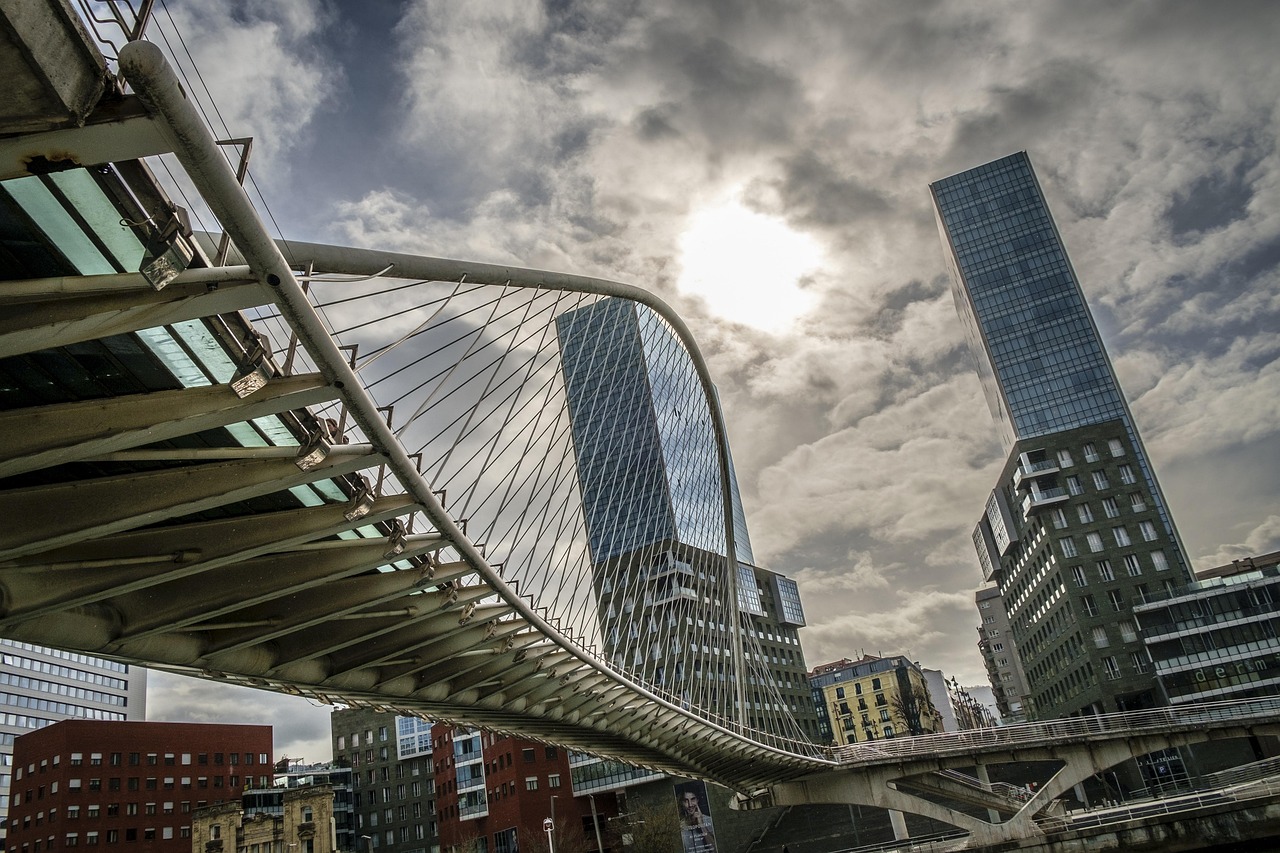
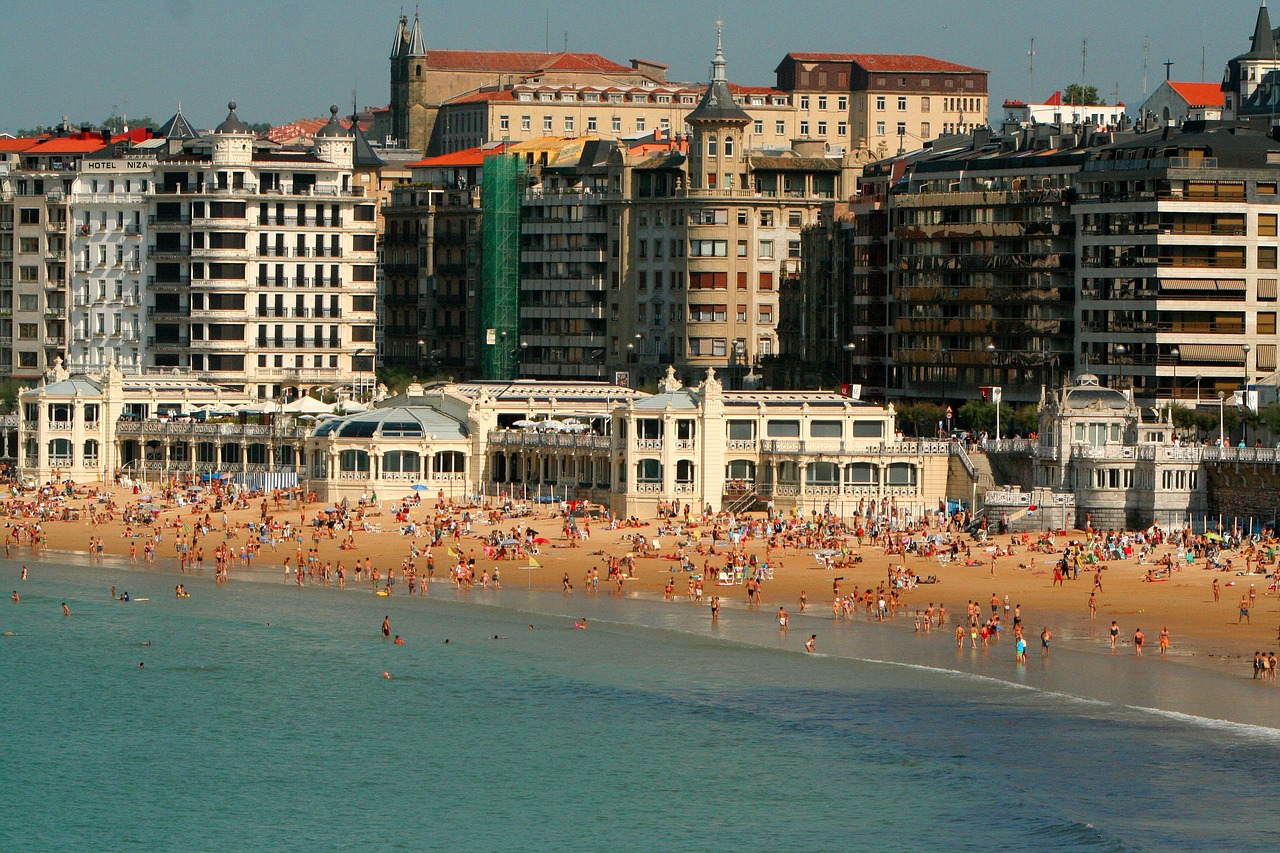
Today the Basque population is generally estimated at somewhere around two to three million people across the combined Spanish and French territories, though any figure depends heavily on how Basque identity is defined and counted, since not everyone who lives in the region identifies as Basque and not all who do so speak the language. The Spanish Basque Country enjoys a high degree of political and fiscal autonomy and ranks among the more prosperous, industrialized, and educated parts of Spain; the city of Bilbao, once a declining industrial port, has been transformed over recent decades into an internationally admired center of art and architecture, a symbol of confident reinvention. The French Basque region is smaller, more rural, and lacks comparable formal autonomy, but it shares the same language, traditions, and sense of peoplehood.
Modern Basque identity blends fierce pride in an ancient and singular inheritance with full, energetic participation in contemporary European life. The language is taught in schools and spoken in the streets, the old festivals and sports are kept vigorously alive, the cuisine is world-famous, and the conviction of being a distinct people with deep roots remains entirely intact. Among Europes minority and stateless cultures, the Basques stand out not only for the genuine mystery of their origins but for the sheer vitality and determination with which they continue to carry their heritage into the future, neither fossilized nor assimilated.
The Basques endure as one of the continents great enigmas and one of its quiet success stories at once: a people whose language may be a living echo of prehistoric Europe, who clung to their identity through centuries of war, suppression, and centralizing pressure, and who today meet the future holding both their most ancient traditions and a thoroughly modern, outward-looking confidence in the same strong hands.
\n
More Peoples of the World
\n
This article is part of our Peoples of the World series, exploring fascinating and overlooked cultures around the globe. Explore the other peoples in the collection:
\n
- The Sami
- The Ainu
- The Maori
- The Amazigh (Berbers)
- The Sorbs
- The Sakha (Yakuts)
- The Welsh
- The Tuvan
- The Mari
\n
You May Like

Three Thousand Years Unbroken, the Story of the Greeks


