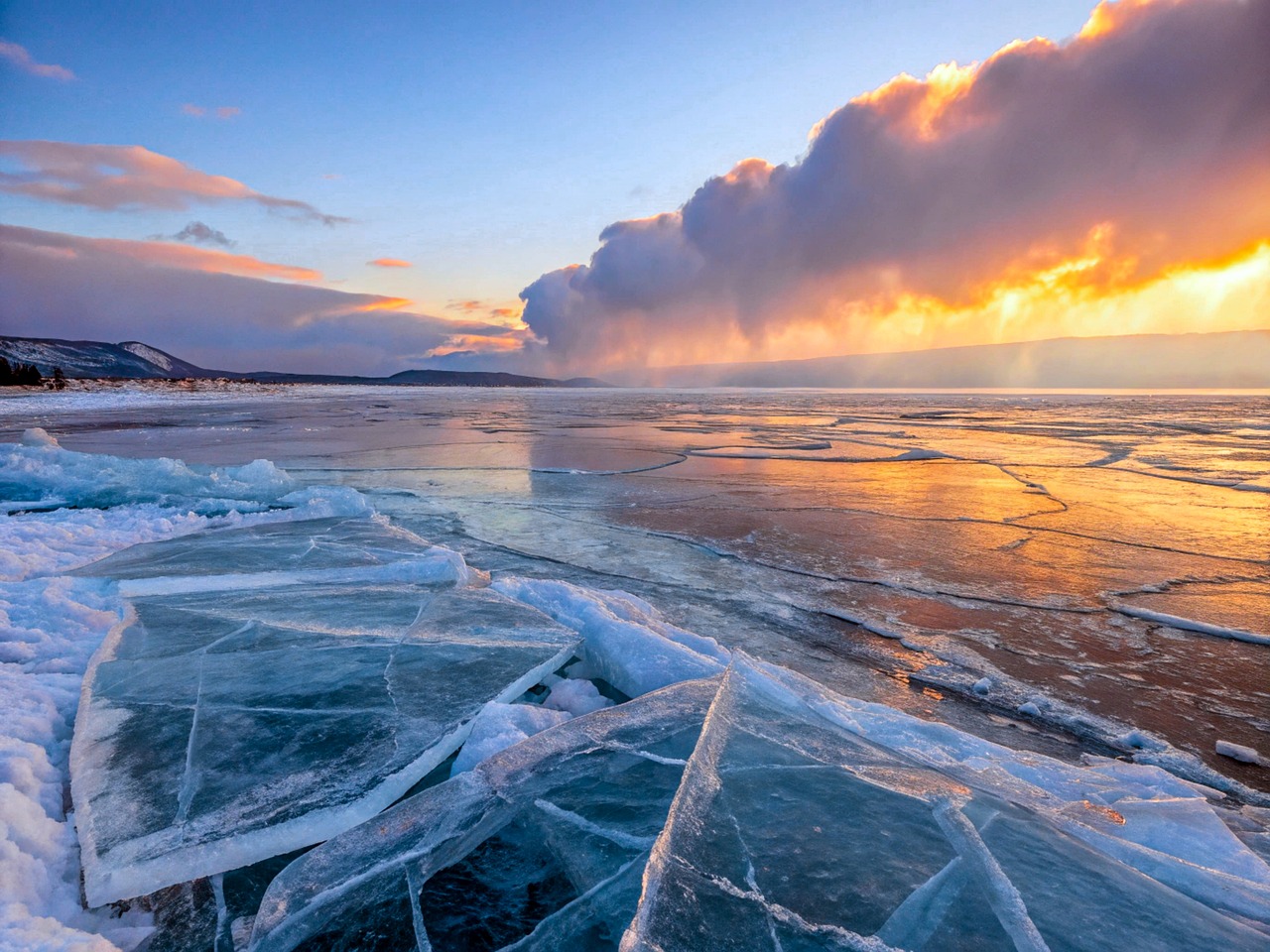
In the far northeast of Siberia lies a land so vast that, if it were a country, it would be among the largest on Earth, and so cold that it contains the most frigid permanently inhabited places on the planet. This is the Sakha Republic, also known as Yakutia, a region of frozen rivers, endless taiga, and winters in which the temperature can plunge to depths almost unimaginable to those who have never experienced them. And here, against all odds, lives a Turkic-speaking people who built a civilization of horse and cattle herders in a place where summer is a brief miracle and winter a months-long ordeal — the Sakha, long known to outsiders as the Yakuts.
Their existence poses a kind of geographical riddle: how did a people whose language and much of whose culture point to warmer southern steppes come to flourish in one of the coldest inhabited regions on Earth? The answer is a story of migration, extraordinary adaptation, and a toughness that has become almost legendary.
In This Article
Who the Sakha Are
The Sakha, traditionally called Yakuts in Russian and in much of the older literature, are a Turkic-speaking people indigenous to northeastern Siberia, where they form the largest indigenous group and give their name to the Sakha Republic, a vast federal subject of Russia. The name Yakut comes from a term used by neighboring peoples and adopted by the Russians, while Sakha is the peoples own name for themselves, increasingly preferred today.
What makes the Sakha immediately fascinating is the mismatch between their language and their location. They speak a Turkic language, placing them in the same broad family as the peoples of Turkey, Central Asia, and the Eurasian steppe — peoples generally associated with grasslands and far warmer climates. Yet the Sakha live at the cold pole of the inhabited northern hemisphere, far from any other major Turkic population, surrounded instead by the indigenous reindeer-herding and hunting peoples of Siberia. This makes them, in effect, the northernmost Turkic people in the world, a southern steppe culture transplanted to the Arctic and remade by it.
How They Came to the Cold
The origins of the Sakha lie, according to most historians and linguists, in a migration from the south. The prevailing view is that the ancestors of the Sakha were Turkic-speaking pastoralists who, at some point in the medieval period, moved northward from the region around Lake Baikal and the southern Siberian steppes into the basin of the great Lena River, bringing with them their horses, their cattle, and their steppe traditions of herding. The exact timing and process remain debated, and scholars are careful to present this as the best reconstruction rather than settled certainty.
As these southern migrants settled into the far north, they encountered and mixed with the indigenous peoples already living there, and their culture adapted profoundly to the new environment. They could not abandon their pastoral heritage, but they had to remake it for a land where the ground freezes solid and winter lasts more than half the year. The result was a unique synthesis: a Turkic people who kept horses and cattle, as their southern ancestors had, but bred special cold-hardy varieties and developed the techniques needed to keep such animals alive through the brutal Siberian winter. In this blending of southern origin and northern adaptation lies the essence of who the Sakha became.
Echoes of the Past in a Frozen Land
The deep history of human habitation in northeastern Siberia is long, reaching back to the peopling of the region during and after the Ice Age, when these lands lay along the route by which humans eventually crossed into the Americas. The archaeology of the Sakha lands includes traces of ancient hunting cultures and the later arrival of the pastoralist ancestors of the Sakha themselves, whose distinctive way of life left its own marks in burial sites and settlement patterns along the river valleys where life concentrated.
The permafrost that grips the region has an unusual side effect: it can preserve organic material remarkably well, and the Sakha lands have yielded extraordinarily well-preserved remains from the deep past, including the frozen bodies of ancient animals from the age of mammoths. While such finds belong to natural history rather than to the story of the Sakha as a people, they underscore the singular nature of this frozen environment, which both challenged human survival and preserved the traces of ages long gone. As with all the peoples in this series, scholars distinguish carefully between the ancient inhabitants of the region and the historically defined Sakha, who emerged from the meeting of southern migrants and northern natives.
How They Lived and What They Built
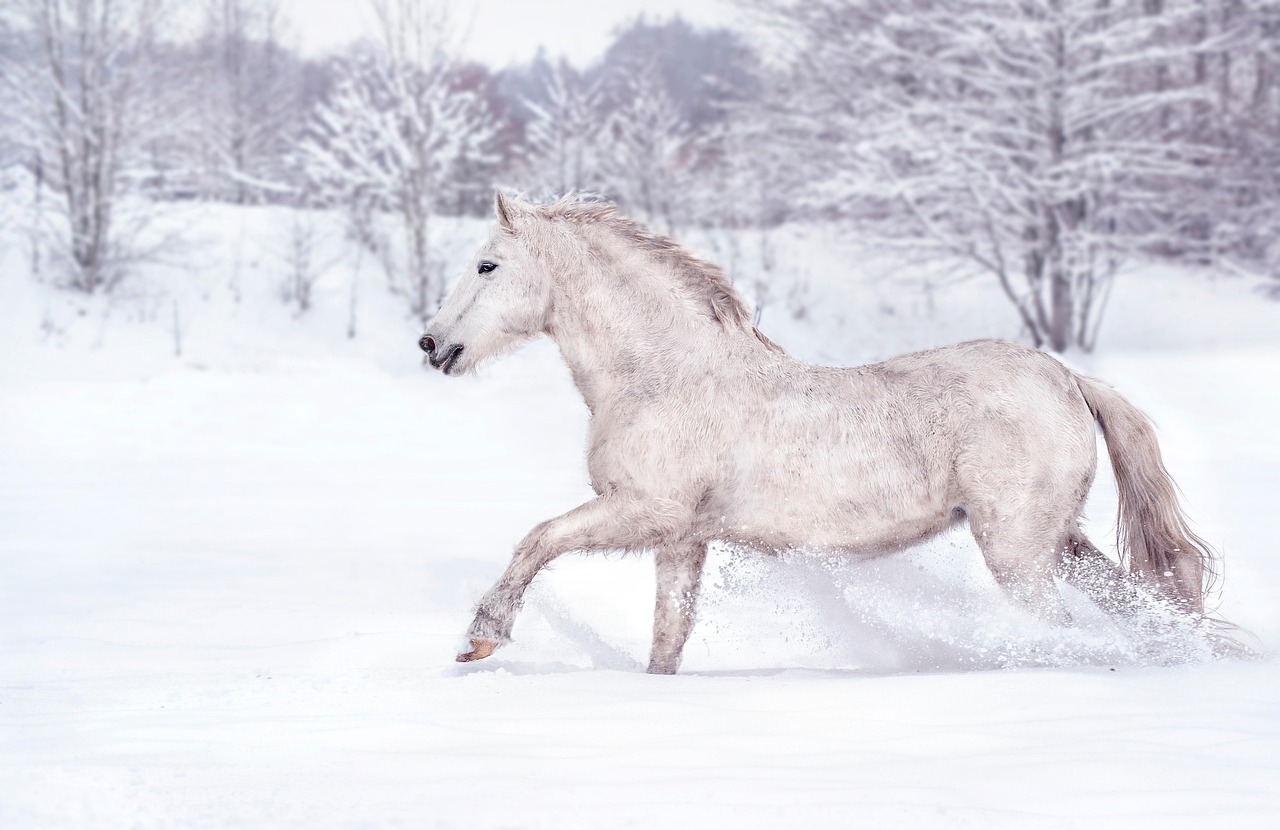
The traditional Sakha economy was built, astonishingly, on herding horses and cattle in the subarctic. The Yakutian horse is a marvel of adaptation, a small, immensely hardy breed that can survive outdoors through winters of extraordinary severity, growing a thick coat and foraging by digging through snow, and it provided the Sakha with transport, milk, meat, and hide. Cattle, too, were kept, sheltered through the worst of the winter, and the Sakha developed a cuisine and material culture around the products of their herds, supplemented by hunting, fishing in the rivers and lakes, and gathering. Their mastery of dairying in such a climate was a remarkable feat.
Sakha material culture reflected both their steppe heritage and their northern home. They built distinctive winter dwellings designed to retain heat against the cold, and developed rich traditions of woodworking, ironworking, and especially the crafting of objects from horsehair, hide, and the materials the land provided. The Sakha were skilled smiths, and metalworking held a place of honor and even spiritual significance in their culture. Their art included intricate carving and jewelry, and their festivals, above all the great summer celebration that marks the brief, intense northern summer and the renewal of life, brought communities together for feasting, ritual, sport, and the drinking of fermented mares milk in a joyous affirmation of survival through another winter. This summer festival, tied to the solstice and the sun, remains a central expression of Sakha identity to this day.
Conquest, Resistance, and Russian Rule
For much of their early history the Sakha lived beyond the reach of any great power, organized into clans and chiefdoms that sometimes warred among themselves and with neighboring peoples over pasture, cattle, and prestige. This independence ended with the eastward expansion of the Russian state. In the seventeenth century, Russian Cossacks and traders pushed across Siberia in search of furs, and they reached the Sakha lands, establishing forts and demanding tribute in valuable furs from the indigenous population.
According to most historians, the Sakha resisted this incursion at various points, and there were uprisings against the harshness of Russian tribute and rule, but the technological and organizational advantages of the Russian state proved decisive, and the Sakha lands were absorbed into the expanding Russian empire. The town that became the regional capital was founded as a Russian fort in this period. Under Russian and later Soviet rule, the Sakha experienced the full range of pressures common to indigenous peoples within larger empires: tribute and taxation, the arrival of settlers, religious conversion, and, in the Soviet era, the collectivization of their herds, the suppression of traditional religious practice, and sweeping social transformation, alongside investments in education and literacy that also opened new opportunities. The discovery of immense mineral wealth, including diamonds, in their territory would later bind the region ever more tightly to the central state while raising lasting questions about who benefits from the lands riches.
The Sakha Language and Its Standing
The Sakha language belongs to the Turkic family, and within it occupies a somewhat distinct position, having developed in relative isolation in the far north and absorbed influences from the neighboring Mongolic and indigenous Siberian languages as well as, later, from Russian. This long separation from the main body of Turkic languages has given Sakha its own distinctive character while leaving its Turkic core clearly recognizable to linguists. Compared with many of the small indigenous languages of Siberia, which face severe endangerment, the Sakha language is in a relatively strong position, spoken by a substantial population and serving as a marker of pride and identity.
The language has an established written form and is used in education, literature, media, and public life within the Sakha Republic, where it holds official status alongside Russian. This relative vitality sets the Sakha apart from many smaller Siberian peoples whose tongues are fading fast. Nonetheless, the dominance of Russian in higher education, administration, and the wider opportunities of national life exerts steady pressure, and the long-term balance between Sakha and Russian remains an ongoing concern for those who wish to see the language thrive rather than merely survive. Among Siberias indigenous peoples, the Sakha are often cited as a comparative success story in maintaining their language.
Spirits, Shamans, and Epic Song
Traditional Sakha belief, retold here only in outline and in my own words, was a form of shamanism and animism in which the world was understood as layered into upper, middle, and lower realms inhabited by spirits and deities, with the human world in the middle. Powerful spirits were associated with the sky, the earth, fire, and the forces of nature, and the great summer festival was in part a ritual addressed to the benevolent powers of the upper world and the sun. The shaman was the central religious figure, a specialist believed able to enter trance and travel between the worlds to heal the sick, guide souls, and mediate with the spirits, using drum and ritual in ceremonies of great intensity.
The Sakha also possess one of the great oral epic traditions of the world, a body of long heroic narratives recounting the deeds of mighty ancestral heroes, the struggles between the upper and lower worlds, and the origins of the people. These epics, performed by gifted reciters in a style that blends narration and song and can extend over many thousands of lines, are regarded as a treasure of world oral literature and have received international recognition as part of humanitys intangible heritage. Out of respect for their sacred and artistic depth, and the many versions in which they exist, they are described here only in general terms; in Sakha culture they remain a living source of identity and pride.
Notable Sakha
The Sakha have produced figures of note especially in the cultural and intellectual life of their republic, where a written literature in the Sakha language developed and gave voice to the people experience and aspirations. Sakha writers, poets, and scholars worked, often under difficult political circumstances, to record their language, their epics, and their history, and to create a modern literature rooted in their own tradition. In more recent times the region has gained international attention for a surprising flourishing of cinema, with filmmakers from the Sakha Republic producing acclaimed films in their own language that have drawn notice at festivals well beyond Russia. As always in this series, where I am not confident of the precise details of an individual life or work, I have chosen to describe such contributions in general terms rather than risk inaccuracy in naming specifics.
The Sakha in the World Today
Today the Sakha number in the hundreds of thousands, making them one of the larger indigenous peoples of Siberia and the dominant indigenous group of the Sakha Republic, where they live alongside Russians and other peoples. They are concentrated in their vast northeastern homeland, centered on the basin of the Lena River and the regional capital, in a territory of enormous size but very sparse population, given the extremity of the climate. The republic possesses great mineral wealth, including a large share of the worlds diamonds, a fact that shapes its economy and its relationship with the central Russian state.
Modern Sakha life combines the maintenance of a strong cultural and linguistic identity with full engagement in contemporary society. The language remains widely spoken, the great summer festival is celebrated with enthusiasm, the epic tradition is honored, and a vigorous cultural scene in literature and film carries Sakha identity into the present. At the same time, the Sakha face the universal challenges of indigenous peoples within large states: balancing their own identity and interests with those of the dominant majority, ensuring that the wealth of their land benefits their communities, and adapting traditional ways of life to a changing climate that is transforming the very permafrost on which their world is built. Their experience of cold, of herding, and of cultural endurance links them in spirit to other northern peoples, from the Sami of the European Arctic to the Ainu of northern Japan and their fellow Siberians to the south.
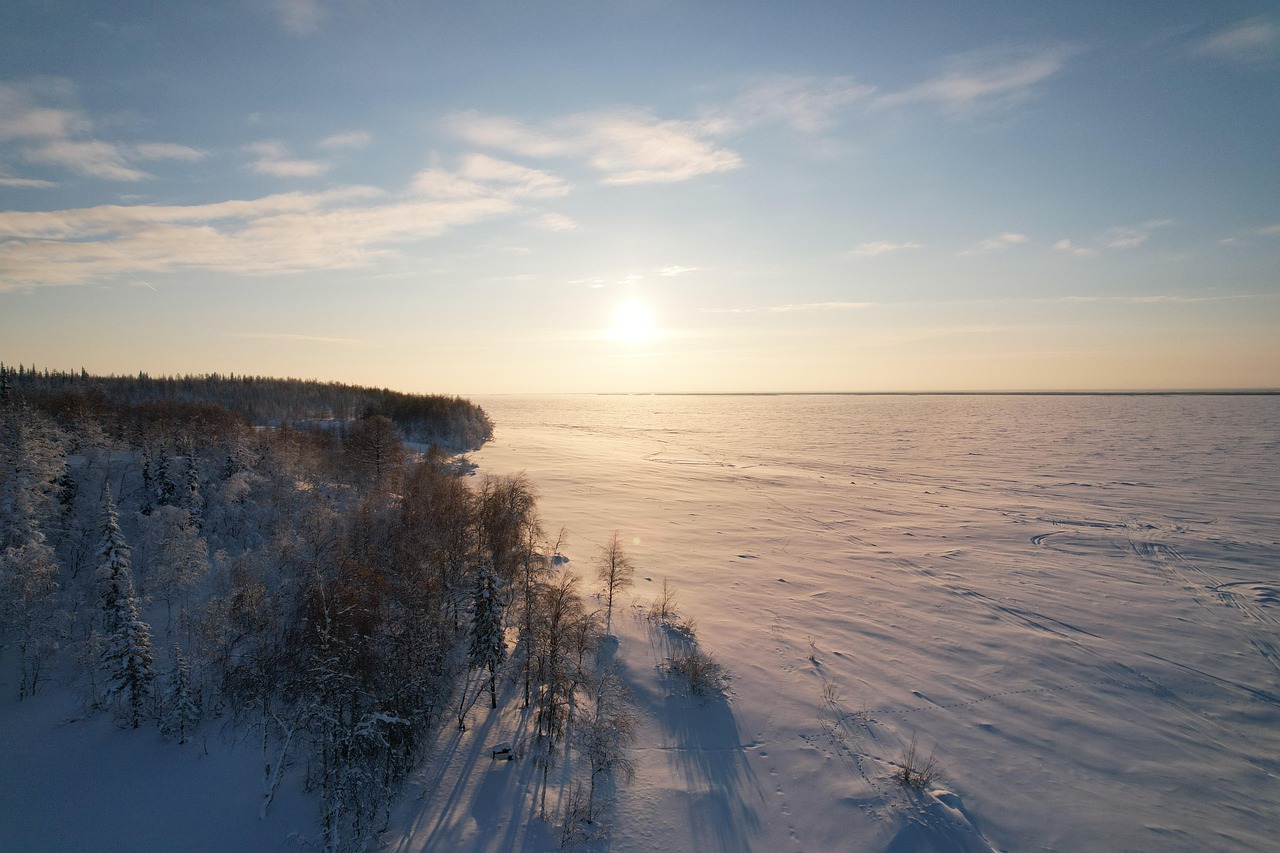
The story of the Sakha is a testament to human adaptability and endurance. A people of Turkic speech and southern origin, they carried their horses and cattle into one of the harshest environments on Earth and made it their home, building a rich culture of epic song, shamanic ritual, midsummer festival, and remarkable resilience in a land of fearsome winters. Surrounded by ice for much of the year, the Sakha have kept alive a warmth of culture and identity that the cold has never managed to extinguish.
\n
More Peoples of the World
\n
This article is part of our Peoples of the World series, exploring fascinating and overlooked cultures around the globe. Explore the other peoples in the collection:
\n
\n
You May Like

Three Thousand Years Unbroken, the Story of the Greeks


