In the dense rainforest where the Andes fall away into the Amazon basin, straddling the border between Ecuador and Peru, lives a people who share a rare distinction among Indigenous nations of the Americas: they were never conquered. The Shuar repelled Inca expansion, destroyed a Spanish colonial city in the 1500s after gold-hungry settlers pushed too far into their territory, and remained largely outside direct state control well into the twentieth century. Their reputation for fierce independence became so widely known that it fed into one of the most sensationalized and misunderstood aspects of their culture in Western popular imagination: the practice of shrinking the heads of defeated enemies, known as tsantsa, a ritual practice tied to specific spiritual beliefs about capturing an enemy’s vengeful spirit rather than the trophy-hunting stereotype it became in pulp adventure stories.
Today, an estimated 110,000 to 120,000 Shuar people live primarily in Ecuador’s Morona Santiago, Zamora Chinchipe, and Pastaza provinces, with related communities across the border in Peru, making them one of the largest Indigenous nations in the Ecuadorian Amazon and one of the most politically organized, having formed one of Latin America’s earliest Indigenous federations in 1964. Shuar communities today balance traditional forest life with growing engagement in national politics, resource rights battles against oil and mining interests, and an increasingly visible role in Ecuador’s broader Indigenous rights movement.
This article traces the Shuar story across thirteen sections: their origins, the meaning of their name, their language, their homeland, their old way of life, the structure of their society, their religion, their traditions, their crafts, their food, their festivals, their history, and where the Shuar stand today.
- Origins
- Name
- Language
- Homeland
- Old way of life
- Society
- Religion
- Traditions
- Crafts
- Food
- Festivals
- History
- Today
Origins
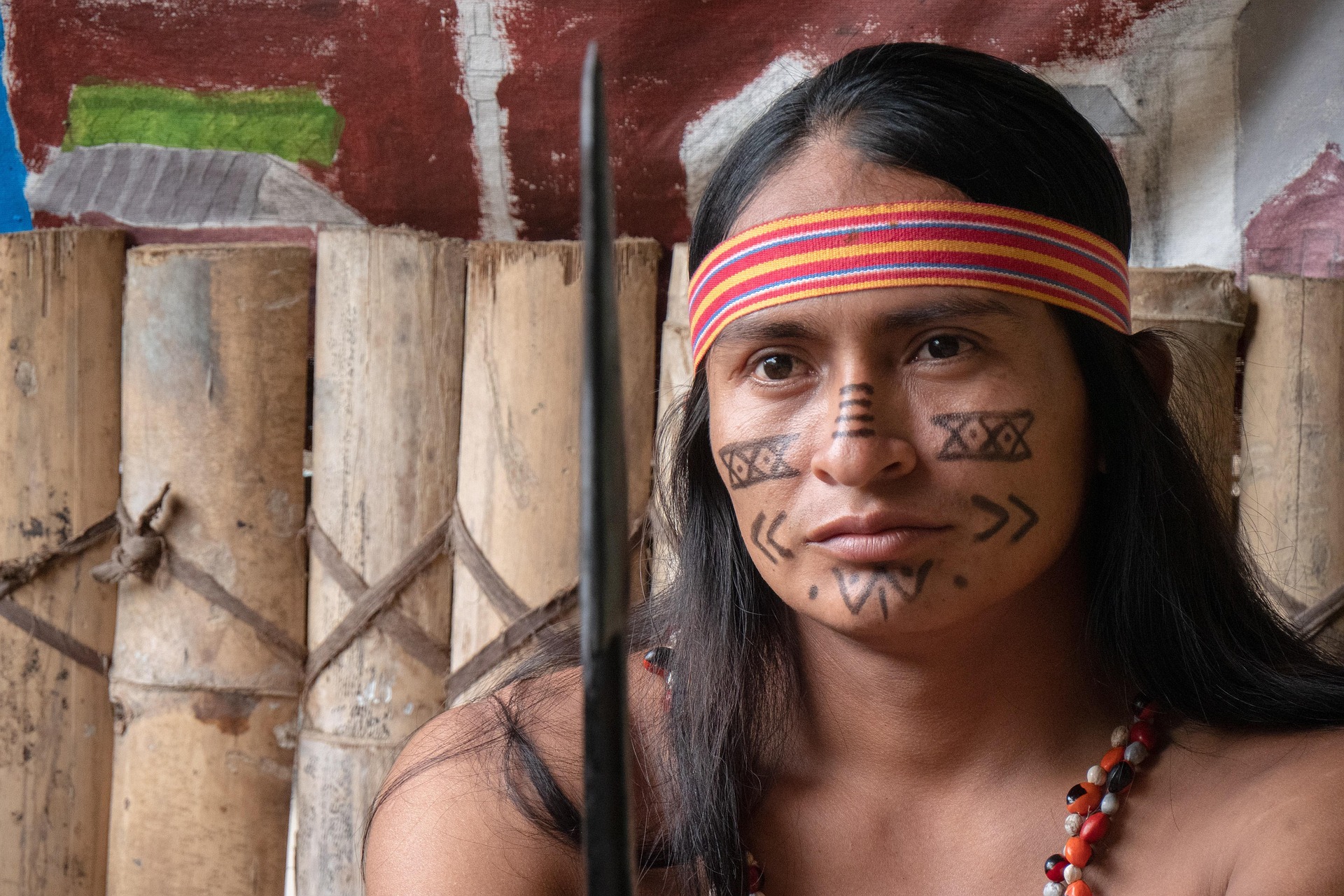
The Shuar belong to the broader Jivaroan family of peoples, a group that also includes the closely related Achuar, Awajun, and Wampis, all sharing linguistic and cultural roots reaching back many centuries in the montane rainforest where the Andes descend into the Amazon basin along what is now the Ecuador-Peru border region.
Archaeological and linguistic evidence suggests Jivaroan-speaking peoples have occupied this transitional zone between highland and lowland Amazon for a very long time, developing a distinct cultural pattern adapted to steep, densely forested terrain quite different from the flatter Amazon lowlands inhabited by many other Amazonian Indigenous peoples further east.
Shuar oral tradition emphasizes descent from ancestral beings and culture heroes whose stories explain the origin of key cultural practices, agricultural knowledge, and the relationship between the Shuar and the surrounding forest, sky, and river spirits that populate their cosmology, narratives passed down through generations independent of the various colonial and national historical accounts written about them.
What distinguishes Shuar history most sharply from that of most other Indigenous peoples of the Americas is the degree to which the Shuar successfully resisted outside conquest for centuries, first against Inca imperial expansion in the 15th century, and then, most dramatically, against Spanish colonization following a famous uprising in 1599 that will be discussed further in the history section below.
What Shuar Means
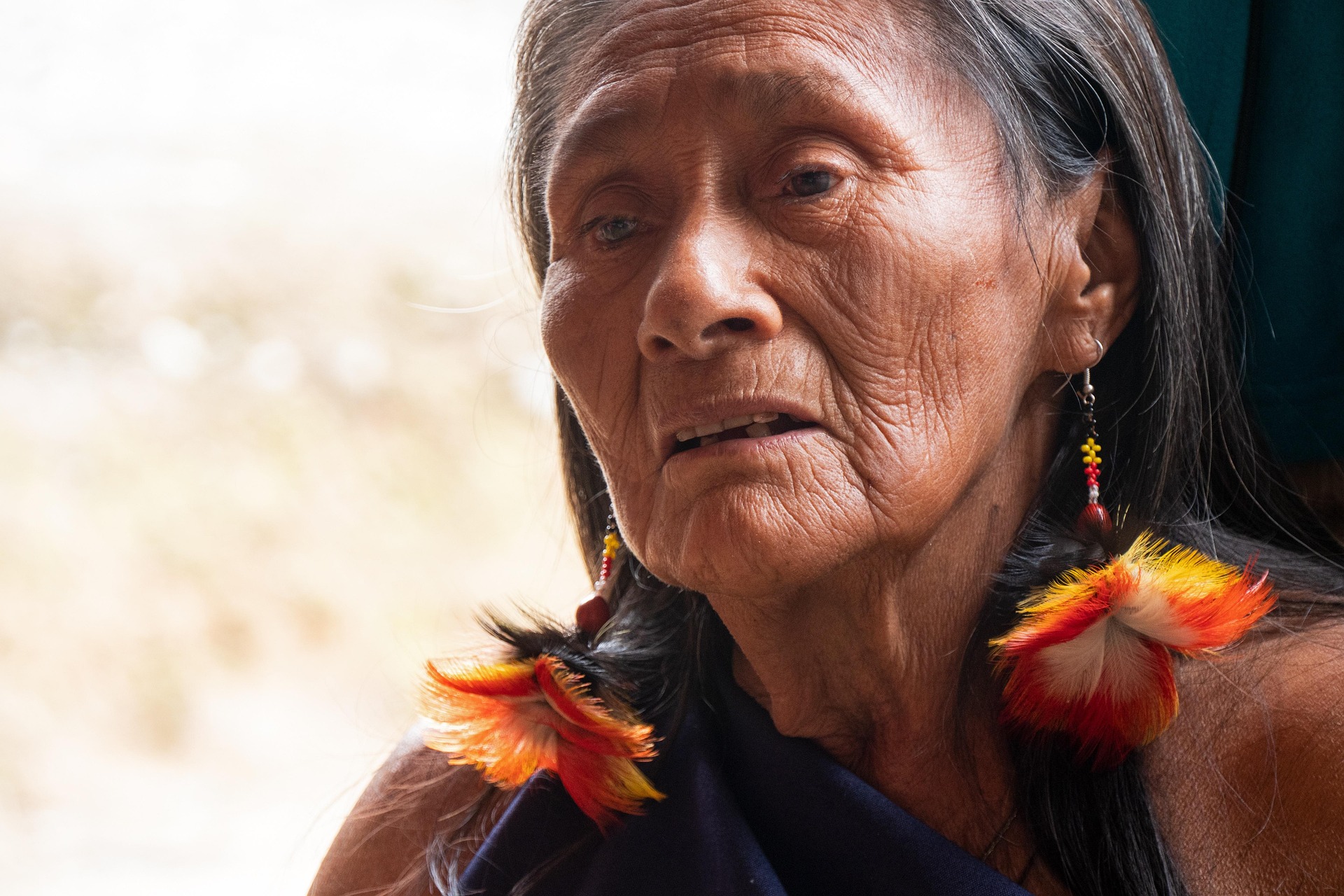
“Shuar” simply means “people” in the Shuar language, following a naming pattern common among many Indigenous nations of the Americas, in which the group’s own name for itself is a modest, general term rather than something exotic or specific, while more elaborate or distinguishing names tend to be applied by outsiders.
The outdated term “Jivaro,” still found in older anthropological literature and popular writing, derives from a Spanish corruption of the same root word and was widely used by outside writers through much of the twentieth century, often in sensationalized accounts emphasizing headhunting and shrunken heads, or tsantsa, in ways that reduced a complex culture to a single lurid practice.
Most Shuar people and Shuar organizations today reject “Jivaro” as a pejorative externally imposed term and use “Shuar” exclusively in official, academic, and everyday contexts, a shift that has been substantially, though not completely, adopted in more recent international scholarship and journalism as well.
Related Jivaroan peoples use similar naming patterns for themselves, the Achuar’s name meaning roughly “palm tree people,” the Awajun and Wampis carrying their own distinct self-designations, together representing a family of related but politically and culturally distinct nations rather than a single undifferentiated group, despite frequently being lumped together in older outside accounts.
The Shuar Language
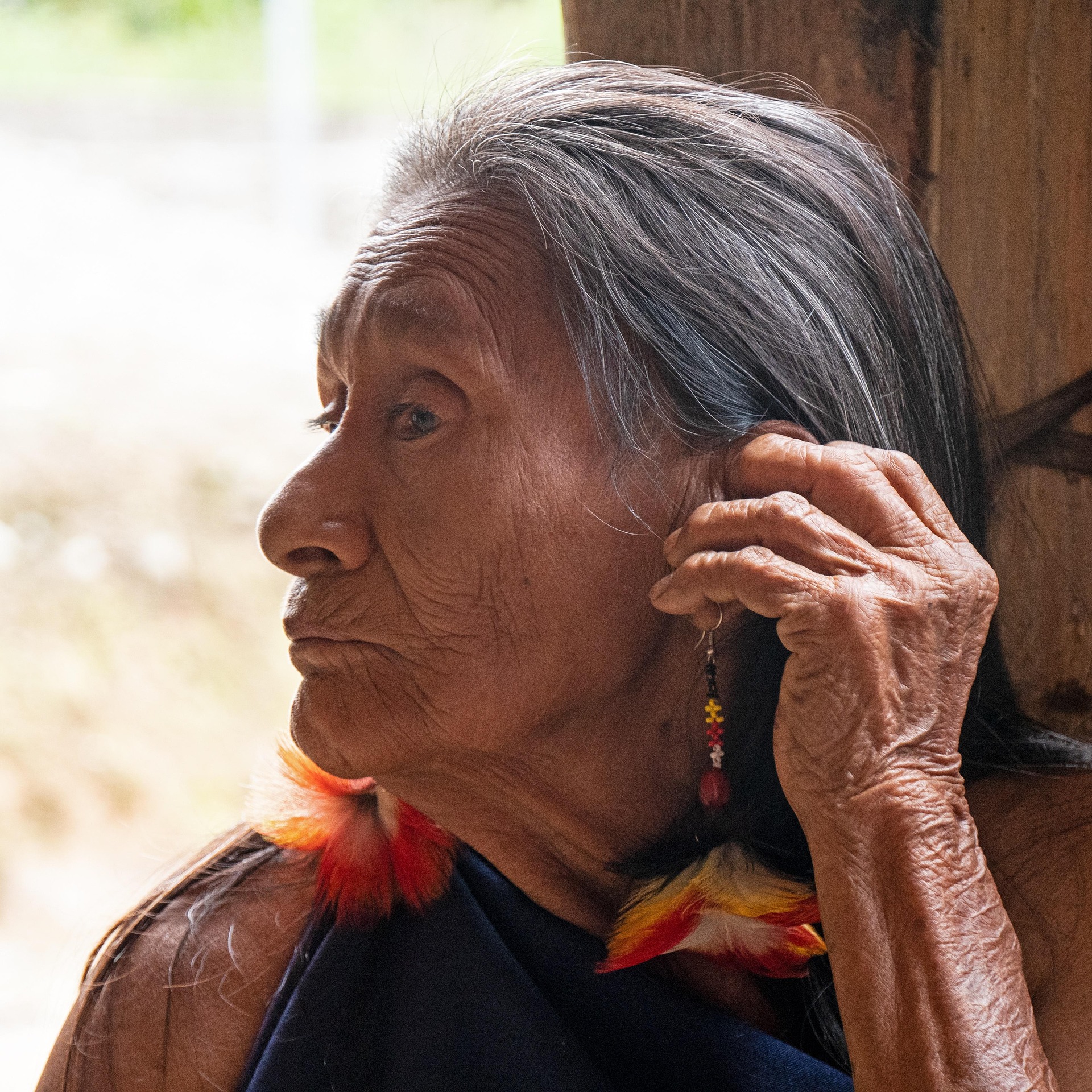
Shuar is classified as a Jivaroan language, a small language family with no confirmed wider relatives, spoken by an estimated 35,000 to 45,000 people as a first language in Ecuador, with related Jivaroan languages, Achuar-Shiwiar, Awajun, and Wampis, spoken by additional tens of thousands of people across Ecuador and Peru, together forming one of the more vigorously maintained Indigenous language families in the western Amazon.
Unlike many Indigenous languages of the Americas facing severe endangerment, Shuar has maintained a relatively strong number of speakers relative to the overall Shuar population, aided significantly by the Shuar Federation’s early and sustained investment in bilingual education, Shuar-language radio broadcasting dating back to the 1970s, and relatively concentrated settlement patterns that have supported intergenerational transmission better than more dispersed Indigenous populations elsewhere.
Radio Voz de la Ferencia Shuar, launched by Salesian missionaries and the Shuar Federation decades ago, became one of the first Indigenous-language radio stations in the Americas specifically designed to support literacy and cultural education in an Indigenous language, a model that influenced similar efforts among other Indigenous nations across Latin America in subsequent decades.
Bilingual Shuar-Spanish education is now formally incorporated into Ecuador’s national education system in Shuar territory, though as elsewhere in the Amazon, economic migration to cities and increased Spanish-language media consumption continue to exert pressure on intergenerational language transmission, a concern Shuar educators and community leaders actively work to address through curriculum development and cultural programming.
Where the Andes Meet the Amazon
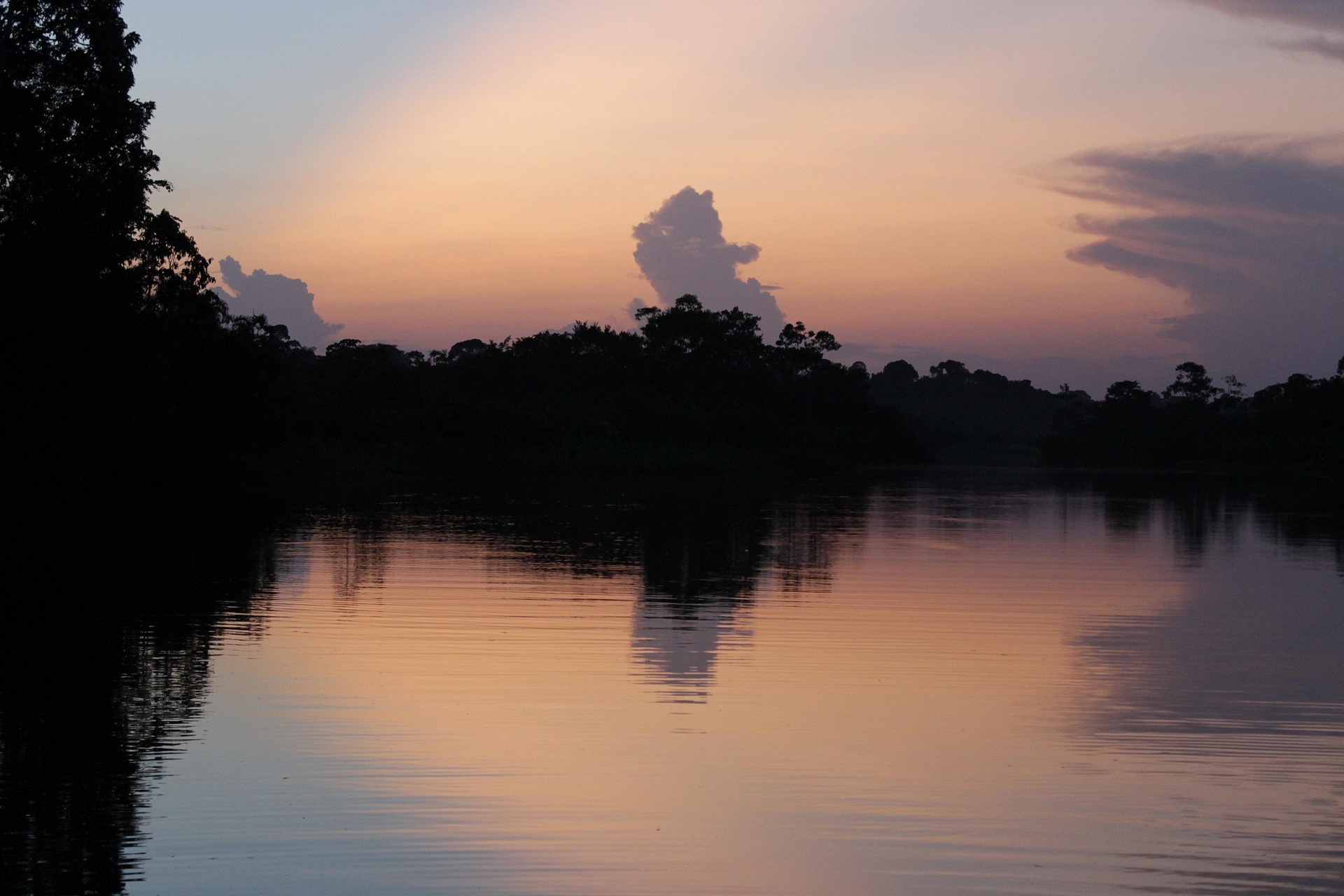
Shuar territory occupies the transitional montane forest zone where the eastern slopes of the Andes descend into the Amazon basin, primarily within Ecuador’s Morona Santiago, Zamora Chinchipe, and Pastaza provinces, an area characterized by steep terrain, fast-flowing rivers, exceptionally high rainfall, and some of the most biodiverse forest anywhere on Earth.
This geography differs meaningfully from the flatter lowland Amazon further east inhabited by many other Amazonian Indigenous peoples, producing distinct patterns of settlement, agriculture, and mobility adapted to steep slopes and fast rivers rather than the slow-moving, seasonally flooding rivers more typical of the central Amazon basin.
Historically, Shuar settlement was highly dispersed, with extended family households spread widely through the forest rather than concentrated in large villages, a pattern that made the territory difficult for outside forces, whether Inca, Spanish colonial, or later national government agents, to control or administer effectively, contributing directly to centuries of successful resistance to outside domination.
The southern Ecuadorian Amazon, including Shuar territory, has in recent decades become a focal point of national and international attention due to significant oil and mineral deposits located beneath traditional Shuar and neighboring Achuar lands, placing considerable pressure on a homeland whose relative geographic isolation had for centuries provided a natural form of protection.
Life in the Dispersed Household
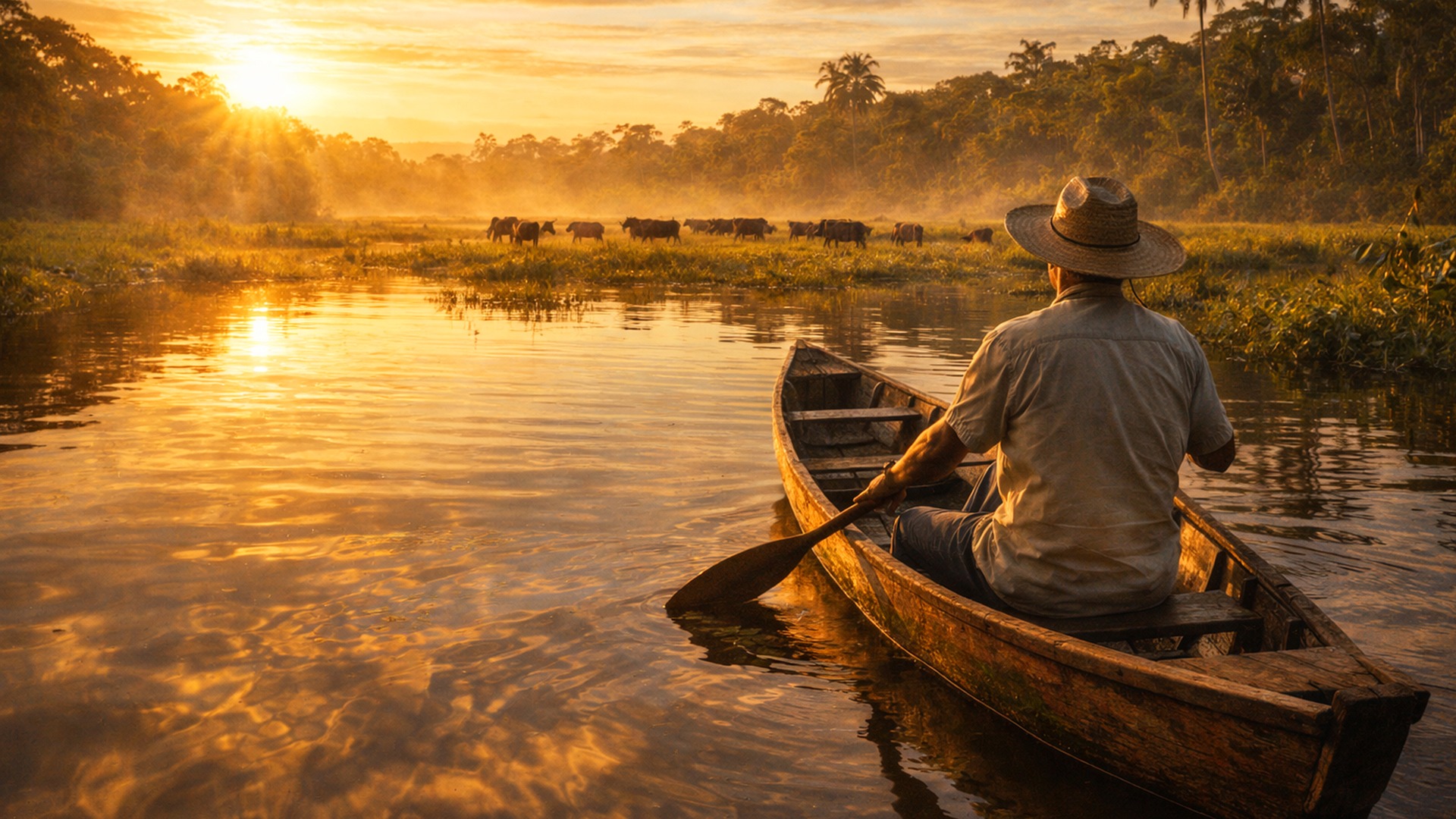
Traditional Shuar life centered on the household, typically an extended family group living in a single large structure and cultivating nearby forest gardens using swidden, or slash-and-burn, agriculture, growing manioc, plantains, corn, and other crops on plots that were farmed for several years before being allowed to return to forest fallow, a sustainable pattern well adapted to the thin, easily depleted soils typical of tropical rainforest.
Hunting and fishing supplemented cultivated food, with blowguns using poison-tipped darts, spears, and later shotguns obtained through trade used to hunt forest game, while fishing employed both hooks and lines and, in some contexts, plant-based fish poisons that stunned fish for easy collection from forest streams, techniques broadly shared with other Amazonian peoples but adapted to the specific fast-flowing rivers of Shuar territory.
Households moved periodically as garden plots were exhausted and new forest needed to be cleared, a pattern of shifting settlement that, combined with dispersed household placement, made large-scale outside control of Shuar territory exceptionally difficult to achieve or maintain, a factor scholars consistently cite in explaining the Shuar’s unusual multi-century record of successful resistance to conquest.
Warfare and inter-household feuding, often connected to accusations of sorcery or disputes over women, played a significant role in traditional Shuar social life, with successful warriors gaining status and, historically, the practice of taking and ritually shrinking the head of a defeated enemy, tsantsa, understood within traditional belief as a means of capturing and neutralizing the dangerous soul of a slain rival rather than simple trophy-taking.
Kinship, Marriage, and Modern Federation
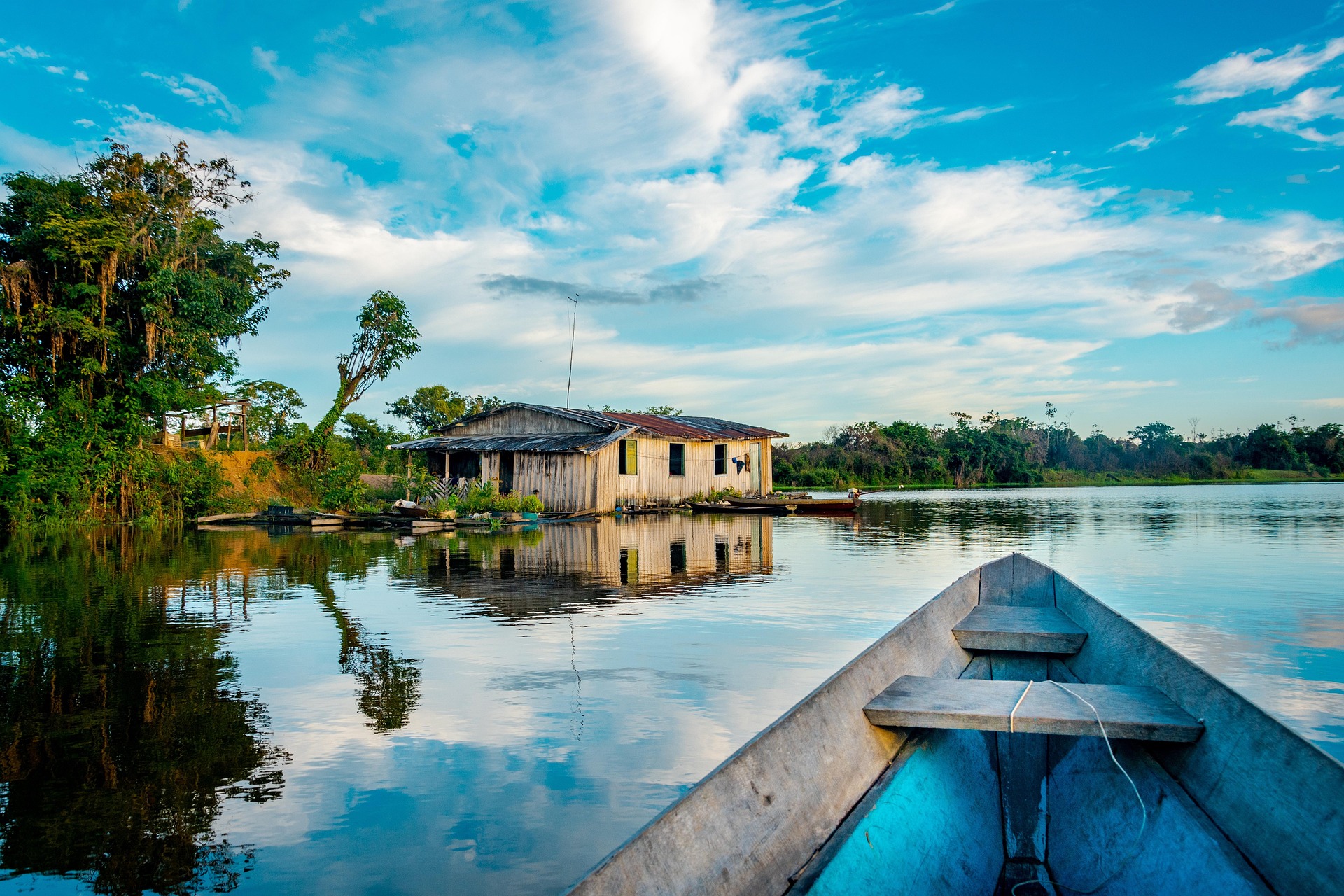
Traditional Shuar society organized around extended kin networks rather than centralized chiefdoms or a single unifying political authority, with individual household heads exercising considerable autonomy and alliances between households shifting according to marriage ties, trade relationships, and shared defense needs rather than any permanent hierarchical structure.
Polygynous marriage, in which a man might have multiple wives, was traditionally practiced among some Shuar households, particularly among successful warriors and hunters able to support larger extended families, though this practice has become far less common in recent generations under the influence of Christian missionary activity and broader social change.
A major transformation in Shuar social and political organization came in 1964 with the founding of the Federación Interprovincial de Centros Shuar, one of the earliest formal Indigenous federations anywhere in Latin America, created specifically to help Shuar communities secure land titles and represent collective interests to the Ecuadorian government amid growing pressure from colonist settlement and resource extraction.
This federation model, organizing previously dispersed households into formally recognized “centros” (centers) with elected leadership, fundamentally reshaped Shuar political organization, providing a mechanism for collective land defense and government engagement that has since been studied and partly emulated by other Indigenous federations across Ecuador and the wider Amazon region.
Arutam and the Vision Quest
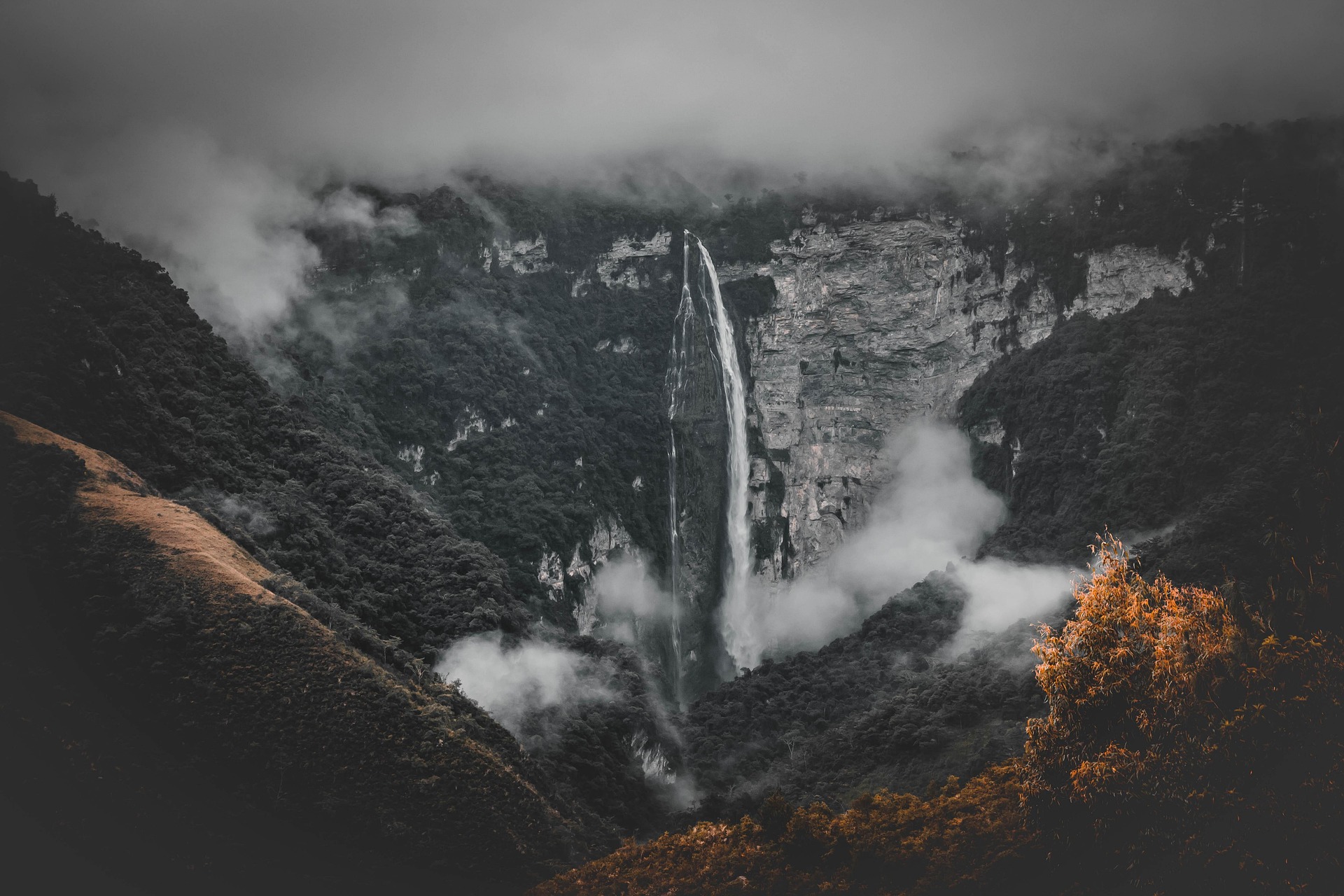
Central to traditional Shuar spirituality is the concept of arutam, a powerful ancestral spirit force that can be sought out and acquired through a vision quest ritual, historically undertaken by young men at sacred waterfalls, often with the aid of natural hallucinogenic substances, in order to gain strength, wisdom, and protection against violent death, a practice considered essential to attaining full adult status and standing within traditional Shuar society.
Waterfalls hold particular sacred significance in Shuar cosmology, understood as places where the boundary between the ordinary world and the spirit world grows thin, making them the preferred site for arutam vision quests and other significant spiritual undertakings, a belief that has made specific waterfalls within Shuar territory important cultural landmarks passed down through generations.
Shamans, known as uwishin, served and in many communities continue to serve as healers and spiritual specialists capable of both causing and curing illness understood to result from sorcery, using tobacco, other plant preparations, and ritual practice to diagnose and treat afflictions believed to have spiritual as well as physical causes, a role broadly comparable to shamanic traditions found among numerous other Amazonian peoples.
Christian missionary activity, particularly from Salesian Catholic missionaries beginning in the early twentieth century and later evangelical Protestant missions, introduced Christianity widely among Shuar communities, and many Shuar today identify as Catholic or Protestant, though traditional beliefs regarding arutam, uwishin healing practices, and forest spirits persist alongside Christian practice in many communities rather than having been fully displaced by it.
Coming of Age and Community Bonds

The arutam vision quest tradition described above functions as a core coming-of-age practice, historically expected of young Shuar men seeking to establish themselves as capable, spiritually protected adults within their community, a milestone comparable in social significance to initiation rites found among many other Indigenous peoples of the Americas, though its specific form, tied to waterfalls and ancestral spirit acquisition, is distinctly Shuar.
Reciprocal labor and mutual aid among extended family and neighboring households have long supported major undertakings including house construction, garden clearing, and hosting large gatherings, an ethic of cooperation that persists in modified form within the more formally organized centro system established following the 1964 federation’s creation.
Naming practices, oral history transmission through storytelling, and specific ritual protocols surrounding hunting, particularly regarding respect for killed game and the spiritual risks associated with warfare and revenge, have traditionally structured much of Shuar social and spiritual life, with many of these practices maintained in adapted form even as broader lifestyle changes have reshaped daily Shuar life over the past century.
Modern Shuar communities have also developed newer traditions around federation governance, including regular community assemblies, elected leadership terms, and coordinated advocacy campaigns, blending older kinship-based decision-making patterns with newer, more formally structured organizational practices adopted specifically to engage effectively with the Ecuadorian state and international observers.
Pottery, Weaving, and Ceremonial Craft
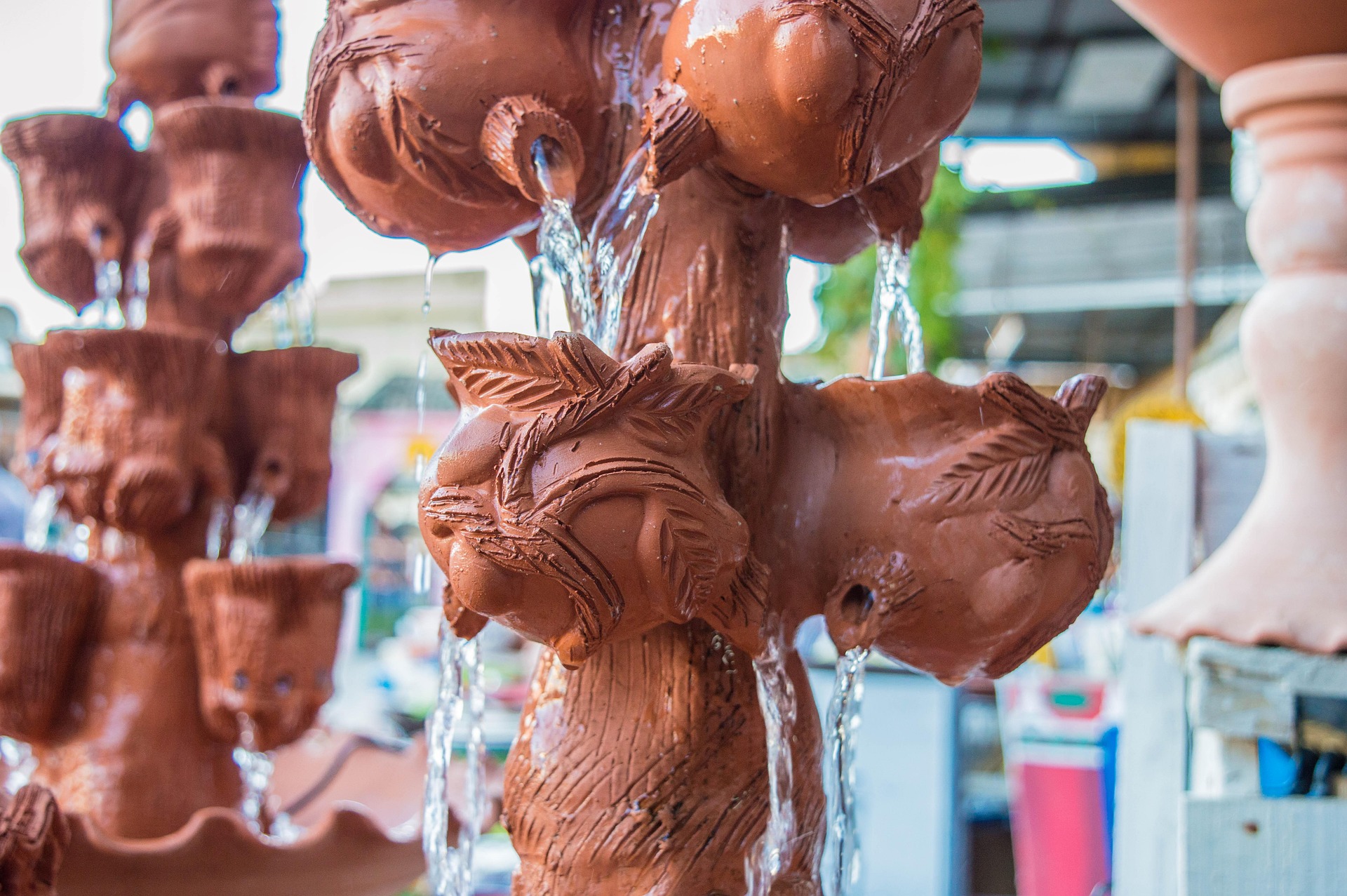
Shuar women have traditionally produced hand-built pottery without a wheel, shaping clay vessels for cooking, storage, and the preparation and serving of nijiamanch, the fermented manioc beverage central to daily life and hospitality, using techniques and decorative patterns passed down through generations of female relatives within each household.
Weaving using natural plant fibers produces bags, baskets, and other household items, while feather work, incorporating brightly colored feathers from macaws, toucans, and other Amazonian birds, has traditionally adorned ceremonial headdresses and crowns worn during significant rituals and celebrations, reflecting both aesthetic values and, in many cases, specific symbolic associations with particular birds and their qualities.
Tsantsa preparation itself, the ritual shrinking of a defeated enemy’s head, historically involved specialized technical knowledge of skin preservation passed down among relatively few practitioners, a practice that ended as a genuine warfare custom by the mid-twentieth century under combined missionary, government, and internal community pressure, though shrunken heads made from animal skin rather than human remains are sometimes still produced today as tourist craft items, a practice many Shuar communities and cultural organizations have mixed feelings about given the ethical complexities involved.
Blowgun and dart-making, requiring specific knowledge of appropriate woods, palm fiber bindings, and traditionally curare-based dart poison derived from specific forest plants, represents a highly specialized traditional craft still maintained by some Shuar hunters, though shotguns have largely replaced blowguns for practical hunting purposes in most communities today.
Manioc Beer and Forest Provisions

Nijiamanch, a fermented beverage made from manioc that has been boiled, chewed to introduce enzymes that aid fermentation, and left to ferment, stands as the single most important traditional Shuar food and drink, consumed daily as a dietary staple, offered to guests as a mark of hospitality, and central to virtually every significant social occasion and ceremony within Shuar communities.
Plantains, corn, and a variety of forest fruits supplement the manioc-based diet, prepared through boiling, roasting, or, in the case of plantains, sometimes fermented into additional beverages, while hunted game, including peccary, tapir where still available, and various forest birds, along with river fish, provide the primary protein sources in a diet otherwise centered on cultivated and gathered plant foods.
Traditional food preparation and serving carry significant social meaning within Shuar households, with the preparation of nijiamanch and management of household food resources traditionally falling to women, whose skill and generosity in food preparation and hospitality carried real social weight and contributed to household and family reputation within the wider community.
Contemporary Shuar diets increasingly incorporate purchased goods including rice, sugar, and manufactured foods available through growing market access via roads built in recent decades, a shift that, as in many Indigenous communities across the Amazon, has brought both increased dietary variety and new nutritional and health concerns that community health workers and organizations have begun actively addressing.
Celebrations Rooted in Harvest and Passage
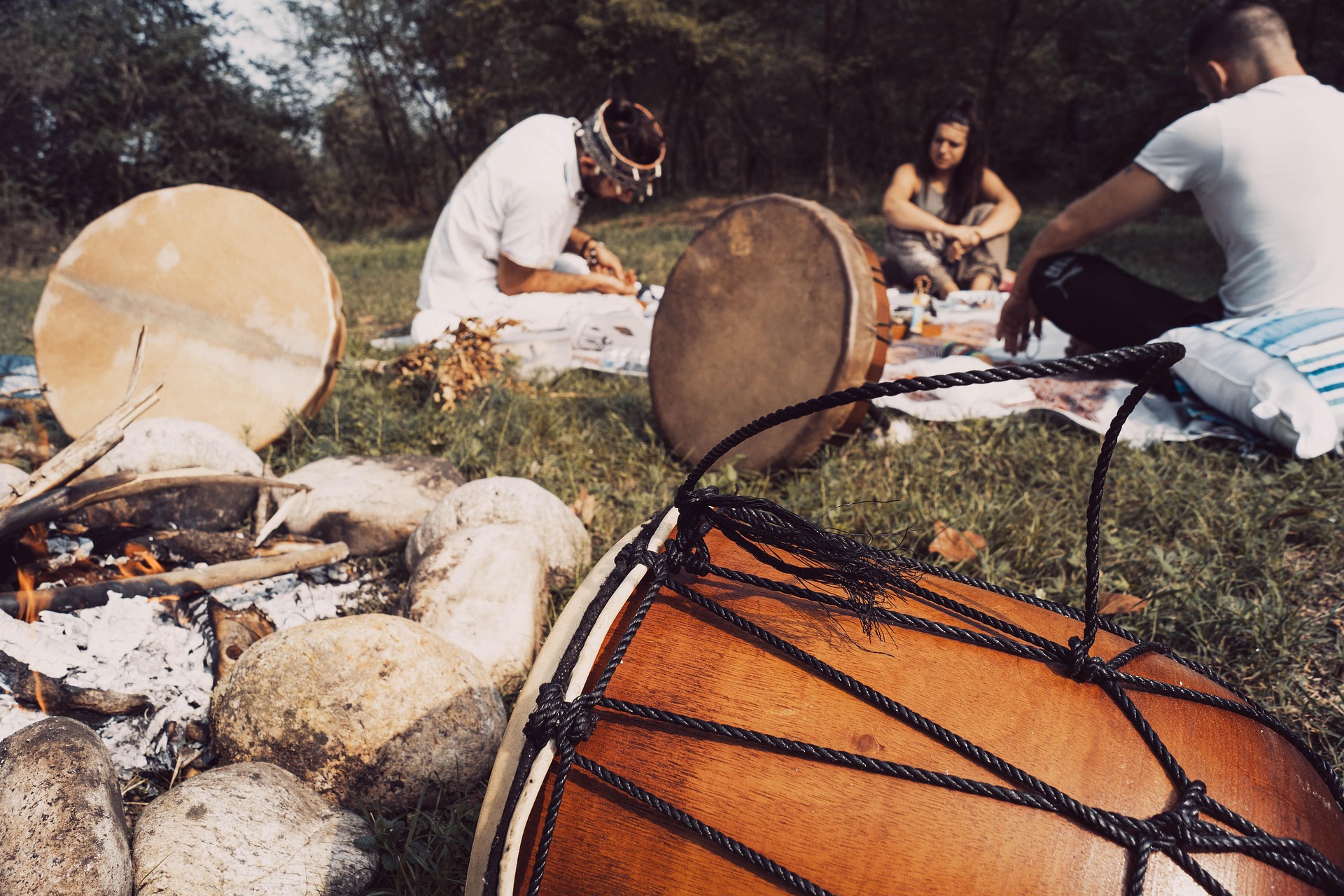
Traditional Shuar celebrations historically marked significant harvests, successful hunts, victories in inter-household conflict, and completed vision quests, typically involving communal drinking of nijiamanch, drumming, singing, and dancing that could continue for extended periods, serving both as genuine celebration and as an important occasion for reinforcing social bonds between households.
Anemat, ceremonial songs performed during celebrations and significant life events, carry cultural and spiritual significance beyond simple entertainment, often referencing ancestral figures, natural forces, or specific community history, and represent an important oral tradition that Shuar cultural organizations have worked in recent decades to document and pass on to younger generations less immersed in traditional practice than their grandparents.
Christian holidays, particularly Christmas and Easter, are now widely observed within Shuar communities as a result of extensive missionary influence over the past century, often blended with distinctly Shuar musical and culinary elements that mark these as recognizably Shuar celebrations rather than simple imports of standard Ecuadorian Catholic practice.
Modern Shuar Federation anniversaries and Indigenous rights commemorations have added a newer layer of collective celebration and political expression to the Shuar calendar, with community gatherings marking federation milestones or Indigenous rights victories increasingly common alongside older harvest and life-cycle celebrations.
Centuries of Successful Resistance
Inca imperial forces attempted to expand into Jivaroan territory in the 15th century but failed to achieve lasting conquest, one of relatively few regions the otherwise highly successful Inca empire was unable to permanently incorporate, a pattern that would repeat itself with subsequent outside powers over the following centuries.
The most famous episode in Shuar resistance history occurred in 1599, when Shuar warriors, angered by escalating Spanish colonial gold extraction demands and abuses, coordinated an uprising that destroyed the Spanish settlement of Logrono and killed a substantial portion of its colonial population, according to widely cited historical accounts pouring molten gold down the throat of the captured Spanish governor as a pointed statement about colonial greed, an event that effectively ended sustained Spanish colonial presence in Shuar territory for the remainder of the colonial period.
Following independence, the newly formed Ecuadorian state made only limited and sporadic attempts to establish control over Shuar territory through the nineteenth century, with more sustained government and missionary contact beginning only in the early twentieth century as Salesian Catholic missions established schools and religious centers, gradually increasing outside contact and influence, though without the level of direct forced conquest experienced by many other Indigenous peoples of the Americas.
The mid-twentieth century brought accelerating pressure through colonist settlement, encouraged by Ecuadorian government land distribution policy, and subsequently oil exploration, prompting the Shuar to form their pioneering 1964 federation specifically to secure formal land titles and organize collective resistance to encroachment, a response that proved influential well beyond Shuar territory itself as a model for Indigenous political organization across Latin America.
The Shuar Today
International anthropologists and travel writers have long been fascinated by the Shuar specifically because of the tsantsa practice, and this fascination, while bringing some outside attention to Shuar political struggles over land and resources, has also frequently overshadowed the far more significant and ongoing story of Shuar political organization, environmental advocacy, and cultural resilience in the present day.
Comparisons are frequently drawn between the Shuar and neighboring Achuar, Awajun, and Wampis peoples, all part of the same Jivaroan language family and sharing many cultural patterns, though each maintains its own distinct federation, territory, and political relationship with the Ecuadorian or Peruvian state, a reminder that even closely related Indigenous peoples often organize and identify as genuinely separate nations rather than a single undifferentiated group.

An estimated 110,000 to 120,000 Shuar people live today primarily across Ecuador’s southern Amazonian provinces, organized through the Shuar Federation and related Indigenous organizations that continue to play a central role in land defense, education, and political representation, making Shuar one of the more institutionally organized Indigenous nations in the Ecuadorian Amazon.
Oil extraction and mining remain the most significant ongoing sources of conflict, with Shuar and neighboring Achuar communities engaged in sustained legal and political battles against extraction projects they argue threaten water sources, forest ecosystems, and community health, disputes that have periodically drawn international environmental and human rights attention, including high-profile opposition to specific mining concessions in recent years.
Shuar leaders and organizations have become increasingly prominent voices within Ecuador’s broader Indigenous rights movement and national politics, participating in the national Indigenous confederation CONAIE and engaging directly with international bodies and environmental organizations on issues of land rights, resource extraction, and climate change as it affects Amazonian territory.
Younger generations increasingly divide their time between traditional forest communities and Ecuadorian cities for education and work, a pattern familiar from many Indigenous Amazonian nations, even as language maintenance efforts, federation governance structures, and continued attachment to arutam spirituality and forest-based identity keep Shuar culture distinctly and visibly alive rather than fading into generic national identity. Whether Ecuador and Peru’s steep, biodiverse Amazonian foothills, or the deserts and coasts profiled elsewhere on this site, each people covered here carries forward its own particular answer to the same basic human challenge: how to keep a distinct identity alive across generations of change.
Other Peoples Profiled So Far
This article is part of an ongoing collection covering Indigenous and other peoples of the Americas. Readers who want to explore further can find the previously published profiles listed below.
- The People Who Emerged Into This World, the Story of the Navajo
- The People Who Never Left the Mountains, the Story of the Quechua
- The People Who Never Vanished, the Story of the Maya
- The People of the Seven Council Fires, the Story of the Lakota
- The People of the Land Who Were Never Conquered, the Story of the Mapuche
- The People of Ice and Sea, the Story of the Inuit
- The Islands of the People, the Story of the Haida
- The Four Directions People, the Story of the Cree
- The Principal People, the Story of the Cherokee
- Aymara: A People Whose Words Refuse to Die
- Guarani: The Language That Became a Nation
- Tehuelche: Giants of Patagonia’s Windswept Plains
- Diaguita: A Nation Chile Forgot, Then Remembered
- Likan Antai: Life at the Edge of the Driest Desert on Earth
- Wayuu: The Desert People an Empire Could Never Conquer
- Guna: Islanders Who Govern Their Own Corner of Panama
- Yanomami: Guardians of the Amazon’s Deepest Forest
- Taino: The People Declared Extinct Who Never Left
- Kogi: The Elder Brothers Watching Over the Mountain
- Zapotec: A People Older Than the Aztec Empire
- Miskito: The Coast That Crowned Its Own Kings
- Garifuna: The Shipwreck That Became a Nation


