Long before Spanish ships reached the Gulf of Mexico, the mountains and valleys of what is now the state of Oaxaca were home to one of Mesoamerica’s most sophisticated Indigenous civilizations, a people whose rulers recorded their own dynasties in painted books rather than leaving that task to later chroniclers. They called their homeland the land of the rain, and today the world knows them by a name the Aztecs gave them: the Mixtec.
The Mixtec never built a single unified empire the way the Aztec or Inca did. Instead they organized themselves into dozens of small, fiercely independent city-states scattered across a rugged landscape of highland valleys, dry lowland basins, and a narrow strip of Pacific coast, each ruled by its own lords and locked in shifting webs of alliance, marriage, tribute, and war with its neighbors. That fragmented political map did nothing to diminish their achievements in art, astronomy, genealogy, and metalwork, fields in which Mixtec artisans and scribes were, by the time the Spanish arrived, arguably unmatched anywhere in the Americas.
This article traces the Mixtec story from its deep origins through the meaning of their name, the family of languages they speak, the homeland they call the Mixteca, their old way of life, the way their society was and is organized, their religious world, their traditions, their crafts, their food, their festivals, their long and eventful history, and where the Mixtec stand today.
- Origins
- Name
- Language
- Homeland
- Old way of life
- Society
- Religion
- Traditions
- Crafts
- Food
- Festivals
- History
- Today
Origins
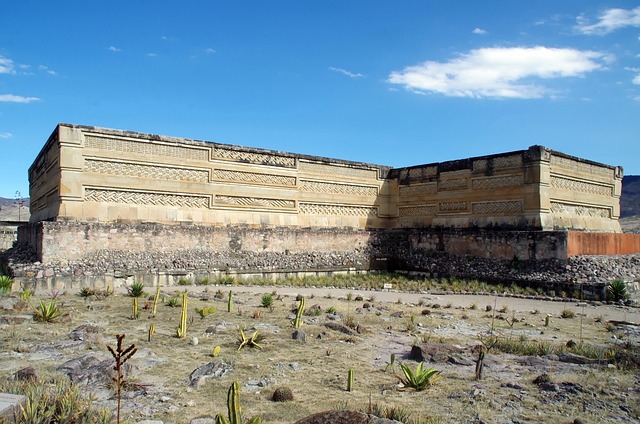
Archaeologists trace settled village life in the Mixteca region back more than three thousand years, with early agricultural communities established in the highland valleys of what is now northern and western Oaxaca well before 1000 BCE. Over the following centuries these villages grew into larger towns built around hilltop ceremonial centers, developing many of the artistic and religious conventions that would later define Mixtec civilization at its height.
The most dramatic period of Mixtec expansion came after roughly 1000 CE, when Mixtec lords began moving out of their highland heartland and into territory that had previously belonged to the neighboring Zapotec, including the great hilltop city of Monte Albán, which by then had passed its political peak and was being reused largely as an elite burial ground. Mixtec nobles took over sites like Mitla and Yagul, adapting existing Zapotec architecture to their own tastes and, in the case of Monte Albán’s Tomb 7, filling it with one of the richest caches of gold and jade funerary offerings ever recovered in the Americas.
Rather than a single point of origin, Mixtec oral and pictorial tradition describes multiple sacred places of emergence, including a mythical tree at Apoala from which the first lords and ladies were said to have been born. Genealogical codices link the ruling houses of different Mixtec city-states back to these founding figures, giving the various Mixtec kingdoms a shared sense of common descent even though they were politically independent and often at war with one another.
By the time of the Spanish invasion in the sixteenth century, the Mixteca was not one kingdom but a mosaic of roughly a hundred small states, each with its own royal line, tribute obligations, and local patron deities, a pattern of decentralized but culturally unified city-states that shaped almost everything about how Mixtec society would later organize itself.
What Does Mixtec Mean?
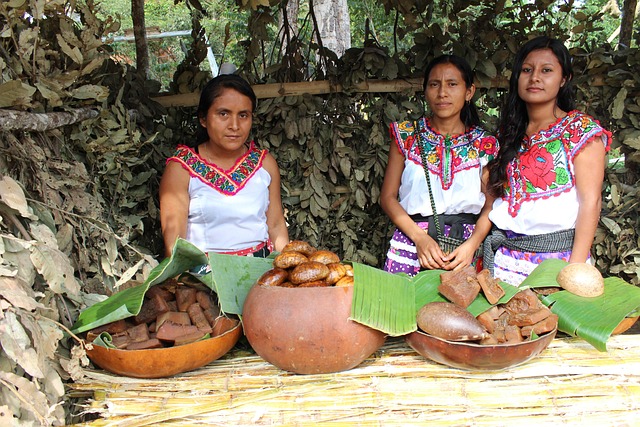
Mixtec is not a name the people gave themselves. It comes from the Nahuatl word Mixtecatl, meaning roughly cloud person or person of the cloud place, a label the Aztec used for the mountainous, often mist-covered region their armies encountered to the southeast and for the people who lived there. Spanish colonizers adopted the Nahuatl term wholesale, and it has remained the standard name used in Spanish and English ever since.
Mixtec communities themselves generally use a different term, Ñuu Savi, which translates as People of the Rain or Rain People, a name that reflects the deep importance of Dzahui, the rain deity, in traditional Mixtec cosmology and agricultural life. Because Mixtec is really a family of related but often mutually unintelligible languages rather than one uniform tongue, the exact form of this self-designation varies somewhat from community to community, appearing as Ñuu Savi, Ñuu Dzahui, or similar variants depending on the local dialect.
In everyday use across Oaxaca, Puebla, and Guerrero, most Mixtec people today move comfortably between all of these terms, using Mixtec in Spanish-language and official contexts while reserving Ñuu Savi or a local equivalent for contexts where community identity and language pride are most directly at stake, including bilingual education programs and Indigenous-rights organizing.
Language
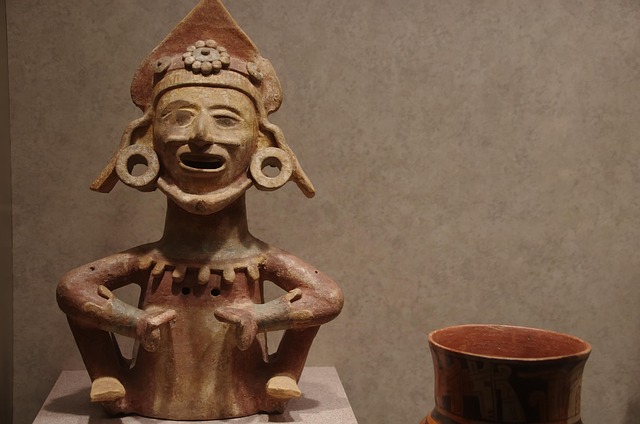
Mixtec belongs to the Mixtecan branch of the Otomanguean language family, one of the oldest and most internally diverse language families in the Americas, related at a distance to Zapotec, Trique, Amuzgo, and other Indigenous languages of southern Mexico. Linguists do not describe Mixtec as a single language so much as a cluster of dozens of distinct but historically related languages, many of which are not mutually intelligible between speakers from different valleys even though outsiders often lump them together under one name.
Like most Otomanguean languages, Mixtec varieties are tonal, meaning that pitch changes on a syllable can completely change a word’s meaning even when the consonants and vowels stay the same, a feature that makes casual second-language learning notably difficult and that Mixtec writing systems, including the modern practical alphabets developed with linguists since the twentieth century, have had to find careful ways to represent.
Current speaker estimates put the combined total across all Mixtec variants at somewhere between four hundred thousand and half a million people, making Mixtec collectively one of the more widely spoken Indigenous language groups in Mexico, though individual variants can have anywhere from many tens of thousands of speakers down to just a few hundred in the smallest, most isolated communities.
Government and community-led bilingual education programs now operate in many Mixteca schools, and Mixtec-language radio, published dictionaries, and social media use have all expanded significantly in recent decades. At the same time, migration out of the Mixteca, both within Mexico and to the United States, has scattered Mixtec speakers across new regions, creating diaspora communities in places like Baja California and California’s Central Valley where Mixtec languages are now taught and interpreted for in schools, clinics, and courts far from Oaxaca itself.
Homeland
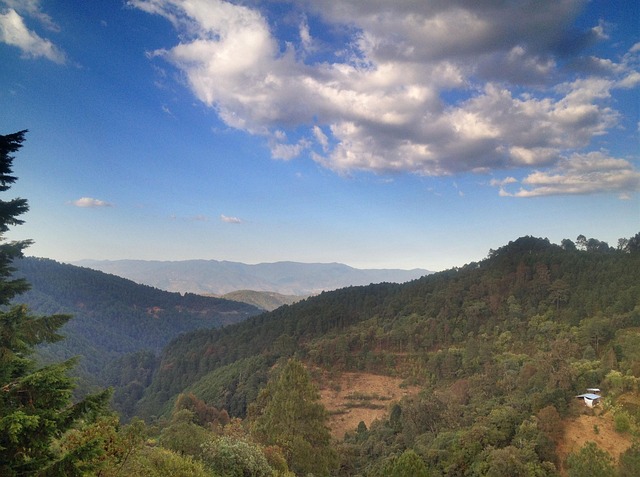
The Mixtec homeland, known simply as la Mixteca, spans a large and ecologically varied region straddling the borders of three Mexican states: western and northern Oaxaca, southern Puebla, and eastern Guerrero. Traditionally this territory is divided into three zones, the Mixteca Alta or highlands, a rugged area of steep valleys and pine-oak forest sitting at elevations often above two thousand meters; the Mixteca Baja, lower and drier country to the northwest; and the Mixteca de la Costa, a narrower strip along the Pacific coast with a hotter, more tropical climate.
This range of elevations and climates gave different Mixtec communities access to very different resources, from highland maize, beans, and squash farming to coastal fishing and salt production, and it also meant that no single environmental strategy defined Mixtec life as a whole, contributing to the region’s long history of numerous small, locally adapted city-states rather than one uniform economic system.
The Mixteca Alta in particular is known for severe, centuries-old soil erosion, much of it linked to a combination of steep terrain, deforestation, and intensive agriculture and grazing practices going back to the colonial period, a problem serious enough that it has become a significant focus of both scientific study and community-led reforestation and terracing projects in recent decades.
Millions of people who identify as Mixtec now live outside this historic homeland altogether, forming large communities in Mexico City, Baja California’s agricultural valleys, and across the United States, especially in California, Oregon, and Washington, where Mixtec farmworkers have become an increasingly visible and organized presence in the agricultural labor force.
Old Way of Life
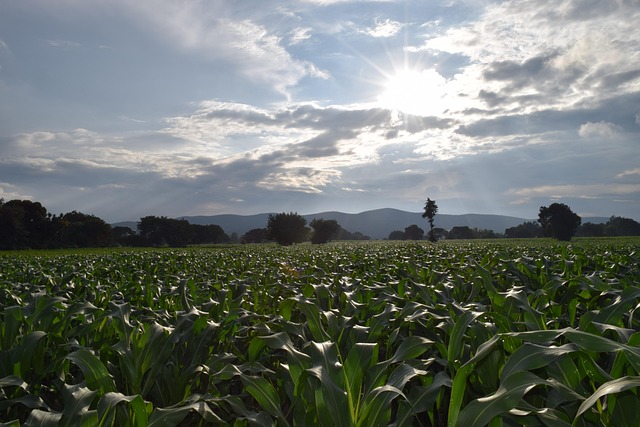
Traditional Mixtec subsistence centered on maize, beans, and squash, the same agricultural trio found across most of Mesoamerica, supplemented by chili peppers, native fruits, and, in coastal areas, fishing. Highland farmers relied heavily on terracing and, in some valleys, elaborate small-scale irrigation and water-management systems to cope with steep terrain and unpredictable rainfall, techniques that archaeological surveys suggest were already well developed in the centuries before the Spanish invasion.
Households typically combined farming with craft production, and Mixtec communities became particularly well known among their Mesoamerican neighbors for fine metalwork in gold, silver, and copper alloys, a specialization that made Mixtec goldsmiths so renowned that even after the fall of the Aztec state, Nahua sources reportedly credited Mixtec artisans with training some of the finest metalworkers serving Aztec nobility.
Cotton cultivation and backstrap-loom weaving were also central to household economies in lower, warmer areas, while highland communities more often worked with wool after the Spanish introduced sheep, producing textiles that were both functional clothing and markers of a wearer’s home community, since particular color combinations, weave patterns, and garment styles could often identify which town or valley a person came from at a glance.
Long-distance trade connected the Mixteca to the wider Mesoamerican world well before the Spanish arrived, with cacao, feathers, cotton, and finished metalwork moving along routes that linked Oaxaca to central Mexico and the Gulf and Pacific coasts, a commercial network that later made Mixtec territory attractive to both Aztec tribute collectors and, eventually, Spanish colonial administrators looking to extract resources from the region.
Society
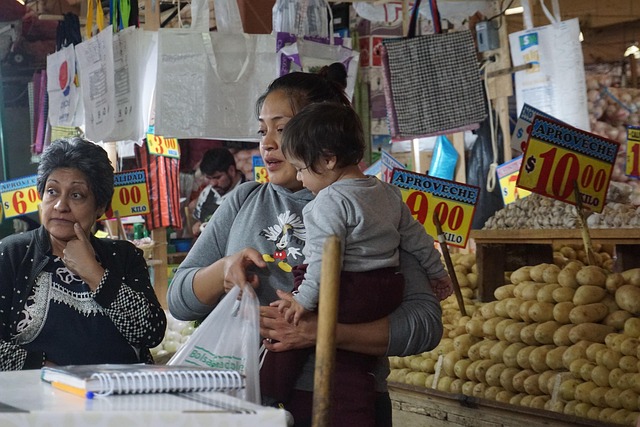
Pre-Columbian Mixtec society was organized around small kingdoms called ñuu in Mixtec, each centered on a principal town and ruled by hereditary lords and ladies whose marriages, recorded in painstaking genealogical detail in the codices, were often used to forge alliances between neighboring states. A distinctive Mixtec institution, the yuhuitayu, joined a ruling couple’s two separate lines of descent into a single governing unit, giving royal women a documented, formal role in dynastic politics that is unusually well recorded compared to many other Mesoamerican societies.
Below the ruling nobility, Mixtec society included a class of lesser nobles who administered local affairs, along with commoner farmers, craft specialists, and, as in most of Mesoamerica, enslaved people typically obtained through warfare or as tribute. Commoners owed labor and goods to their local lords in a tribute relationship that continued, in modified form, under both Aztec overlordship in some border regions and later Spanish colonial rule.
Spanish colonization dismantled the old royal courts but did not erase local town-based identity, and many contemporary Mixtec communities still organize civic and religious life through a cargo system, in which men take on a graduated set of unpaid community service and religious sponsorship roles over their lifetime, moving up through positions of increasing responsibility and prestige within their home town.
Extended family networks remain the backbone of Mixtec social organization today, reinforced by compadrazgo, or godparent, relationships formed at baptisms and other life events, and by mutual-aid customs that continue to bind Mixtec migrant communities together even thousands of miles from Oaxaca, with hometown associations in California and elsewhere regularly pooling money to fund festivals, church repairs, and public works back in their ancestral towns.
Religion
Pre-Columbian Mixtec religion centered on a pantheon of deities tied closely to the natural forces that governed agricultural survival, chief among them Dzahui, a rain and storm god whose favor was considered essential for the maize harvest and who appears repeatedly in Mixtec codices and painted pottery. Ancestor veneration was also central, with royal lineages treating their founding ancestors as semi-divine figures whose approval legitimized a ruler’s claim to the throne.
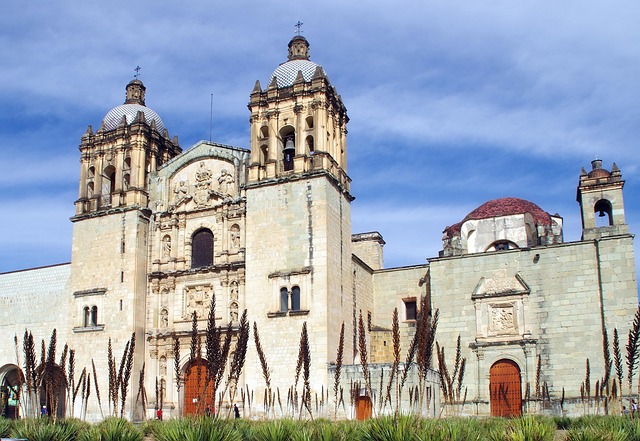
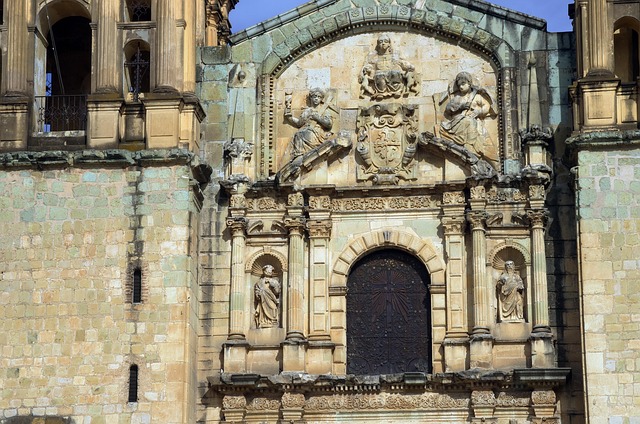
Spanish missionaries, mainly Dominican friars, arrived in the Mixteca in the sixteenth century and built an extensive network of churches and monasteries, several of which, like the fortress-like complex at Yanhuitlán, still stand today as some of the most striking colonial religious architecture in southern Mexico. Conversion was often uneven and layered rather than a clean replacement of one religion by another, and many pre-Columbian concepts about sacred landscape features, ancestor spirits, and agricultural ritual persisted underneath a Catholic surface.
That layering is still visible in Mixtec religious practice today, which for the large majority of Mixtec people is a form of Catholicism woven through with local customs, including devotion to particular saints tied to specific mountains, caves, or springs, ritual specialists who are consulted for healing or agricultural blessing alongside or instead of a priest, and community festivals that blend Catholic liturgical calendars with older ideas about seasonal renewal.
Protestant and evangelical missionary activity has also made inroads in parts of the Mixteca and among migrant communities abroad since the twentieth century, adding a further layer of religious diversity, though Catholic identity, expressed largely through town patron saint festivals and the cargo system of religious sponsorship, remains the dominant framework through which most Mixtec communities organize their collective religious life.
Traditions
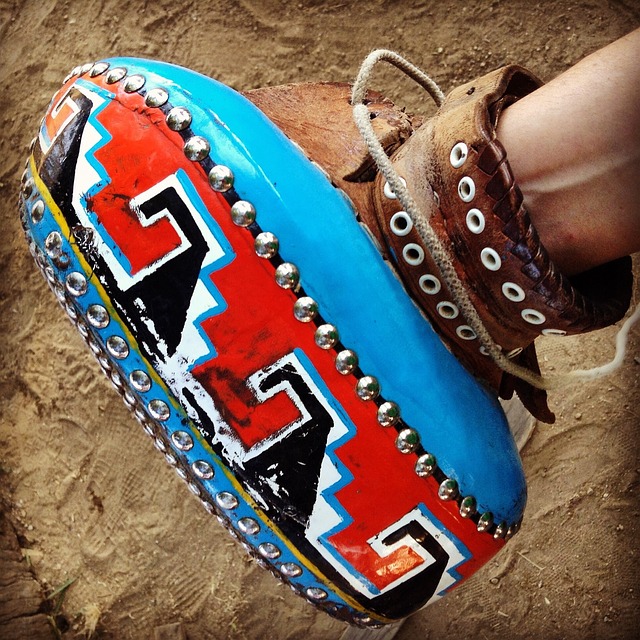
Among the oldest continuously practiced Mixtec traditions is a version of the Mesoamerican ballgame, played in some Oaxacan communities to this day in a form that uses a heavy rubber ball and a thick leather glove rather than the stone courts and hip-strikes associated with the game’s more famous ancient variants, a living link to a sport that Mesoamerican peoples were playing more than two thousand years before Spanish contact.
Compadrazgo and godparent obligations structure much of Mixtec social life, extending far beyond baptism to cover events like a child’s first haircut, confirmation, or marriage, each of which can create a new set of ritual kin with ongoing obligations of mutual support, gift-giving, and attendance at family celebrations, a practice that significantly widens the effective family network beyond blood relatives alone.
Marriage customs in many Mixtec towns traditionally involved formal petitioning visits by a groom’s family to a bride’s family, an exchange of gifts, and several ceremonial steps spread across weeks or months, though these older, more elaborate courtship sequences have shortened considerably in most communities over the past several decades, particularly as migration has made lengthy multi-stage courtship logistically difficult for couples separated by international borders.
Respect for elders and for the authority earned through service in the cargo system remains a strong organizing value, and returning migrants who have spent years working abroad are still generally expected to take their turn sponsoring festivals or serving in unpaid civic posts if they want to remain in good standing and be considered a full, respected member of their home community.
Crafts
Mixtec artisans hold a special place in Mesoamerican art history for their metalwork, and the single most spectacular surviving example is the treasure recovered from Tomb 7 at Monte Albán in 1932, a burial reused by Mixtec elites that yielded gold pectorals, rings, and ornaments of a technical sophistication that still stands among the finest goldsmithing found anywhere in the pre-Columbian Americas, now displayed in Oaxaca’s regional museum as a centerpiece of the region’s cultural heritage.
Codex painting was itself a specialized craft, produced on long strips of deerskin or bark paper folded into accordion-style books and covered with precise, brightly colored pictorial writing that recorded genealogies, conquests, marriages, and religious events. Only a handful of these pre-Columbian Mixtec codices survive today, scattered across museums and libraries in Europe and Mexico, but they remain some of the most detailed historical records produced by any Indigenous society in the Americas before European contact.
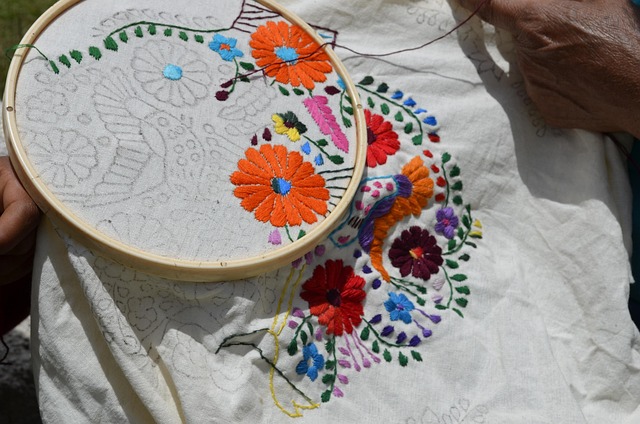
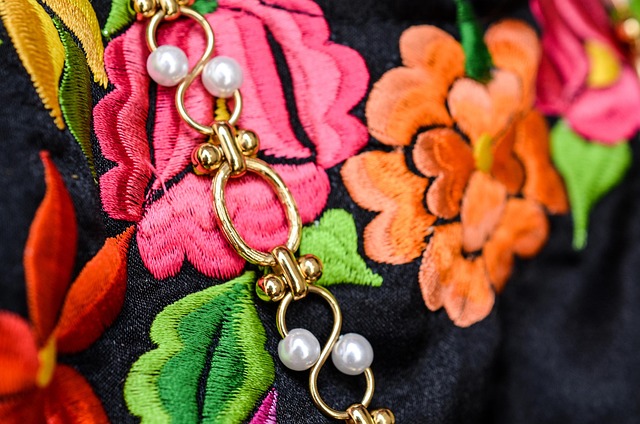
Textile production has continued as a living Mixtec craft tradition into the present, with weavers in different towns known for distinctive huipil designs, embroidery patterns, and natural dye techniques, including the use of cochineal, a red dye derived from an insect that lives on cactus and that was once one of colonial Mexico’s most valuable export commodities.
Pottery, basketry, and palm-weaving also remain active household crafts in many Mixtec towns, often produced for local use and regional markets alongside a smaller but steady stream of pieces sold to tourists and collectors, providing an important supplementary income for many families alongside farming and, increasingly, remittances sent home by relatives working abroad.
Food

Maize is, as in most of Mesoamerica, the foundation of Mixtec cuisine, ground and prepared as tortillas, tamales, and a wide range of local specialties, often paired with beans, squash, and chili in combinations that vary considerably from one Mixtec town to the next depending on local growing conditions and available ingredients.
Mole, the rich, complex sauce for which Oaxaca as a whole is internationally famous, appears across the Mixteca in numerous local variations, and Mixtec cooks are also known for dishes built around native greens, wild herbs, and, particularly in drier areas, the toasted, dried grasshoppers known as chapulines, a prized regional snack and protein source with roots going back centuries.
Fermented and lightly alcoholic maize and fruit beverages have long played an important role in Mixtec ritual and celebration, consumed communally at weddings, festivals, and cargo-system sponsorship events as both refreshment and a marker of hospitality, with specific recipes and preparation methods often closely associated with particular towns or even particular families.
As with many aspects of Mixtec culture, food traditions have traveled with migrants, and Mixtec-run restaurants, market stalls, and home kitchens in cities like Los Angeles and in California’s Central Valley now serve dishes drawn directly from Oaxacan hometown recipes, giving diaspora communities a tangible, daily way to maintain a connection to the Mixteca even while living thousands of miles away.
Festivals
Each Mixtec town traditionally holds an annual festival honoring its patron saint, organized and funded largely through the cargo system, with sponsorship of the celebration’s music, fireworks, food, and religious processions rotating among community members as a mark of both civic duty and personal prestige. These fiestas can draw home a town’s entire diaspora, with migrants from as far away as California timing visits home specifically around their community’s patron saint celebration.
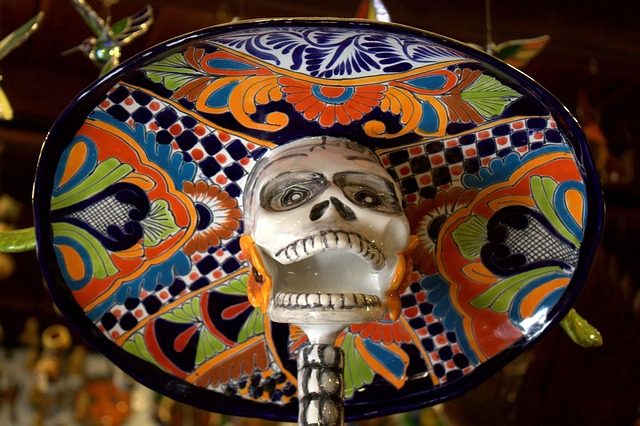
Day of the Dead, observed across early November, is one of the most significant shared celebrations throughout the Mixteca, as it is across Oaxaca generally, with families building home altars, cleaning and decorating graves, and preparing a deceased relative’s favorite foods in the belief that ancestral spirits return briefly to visit the living, a practice that blends Catholic All Souls observance with older Mesoamerican beliefs about ongoing relationships between the living and the dead.
Many Mixtec communities also participate in the Guelaguetza, a large regional festival held each July in Oaxaca City that brings together dance troupes, musicians, and craftspeople from across the state’s many Indigenous peoples, giving Mixtec towns a prominent platform to present their own regional dances, costumes, and music alongside those of Zapotec, Chatino, Mazatec, and other Oaxacan communities in a single, widely attended public event.
Holy Week processions, harvest celebrations tied to the agricultural calendar, and life-cycle events like baptisms, quinceañeras, and weddings round out the festival calendar, and in many towns these celebrations remain the primary occasions on which traditional dress, music, and dance are performed publicly rather than reserved only for tourists or cultural preservation programs.
History
Mixtec dynastic history is unusually well documented for a pre-Columbian American society, thanks largely to surviving codices that record the deeds of real historical rulers in genealogical and narrative detail. The best known is Lord Eight Deer Jaguar Claw of Tilantongo, an eleventh-century ruler whose dramatic life, including alliance-building, warfare, and a rise from a secondary claim to become the most powerful lord in the Mixteca, is recorded across several codices in enough detail that historians can reconstruct large parts of his biography much as they would for a documented historical figure anywhere else in the world.
In the fifteenth century, the expanding Aztec Empire brought several Mixtec city-states under tribute obligations, though most retained their own local rulers and considerable autonomy rather than being directly absorbed, a pattern of indirect control typical of how the Aztec state managed conquered or intimidated regions across Mesoamerica. Some Mixtec lords resisted Aztec pressure through alliance with rival states, while others negotiated tribute relationships that preserved local power.
When Spanish forces arrived in Oaxaca in the 1520s, Mixtec city-states responded in various ways, some resisting militarily and others negotiating quickly to preserve local privileges under the new colonial order, a mixed response shaped by the same fragmented, city-state political landscape that had characterized the region for centuries. Dominican friars established an extensive mission network across the Mixteca through the sixteenth and seventeenth centuries, reshaping religious life while colonial administrators reorganized land tenure and labor obligations to serve Spanish economic interests, including the extraction of cochineal dye, which became one of colonial Oaxaca’s most lucrative exports.
The nineteenth and twentieth centuries brought further upheaval, including land pressures during and after Mexican independence, periods of agrarian reform under the twentieth-century Mexican state, and, from the 1960s onward, accelerating labor migration as agricultural mechanization, land scarcity, and population growth pushed increasing numbers of Mixtec families to seek work first in northern Mexico and later in the United States, a migration wave that has reshaped Mixtec community life more than perhaps any single development since the Spanish invasion itself.
Mixtec Life Today
Mixtec people today number well over half a million by most estimates, split between the historic Mixteca homeland in Oaxaca, Puebla, and Guerrero, and large, increasingly rooted diaspora communities in Mexico City, Baja California, and across the United States. In parts of rural California and Oregon, Mixtec migrants and their children now make up a significant share of the agricultural workforce, and Mixtec-language interpretation is increasingly available in schools, hospitals, and courts serving these communities.
Labor conditions for Mixtec farmworkers, both in Mexico’s own export agriculture sector and in the United States, have become a major focus of Indigenous-rights organizing, with Mixtec-led binational organizations working on issues ranging from wage theft and pesticide exposure to language access and anti-Indigenous discrimination, which Mixtec migrants report facing not only from non-Indigenous Mexicans and Americans but at times from other Latino communities as well.
Back in Oaxaca, land pressure, water scarcity linked to the Mixteca Alta’s long-standing erosion problems, and the pull of migration continue to challenge the viability of small-scale farming in many highland towns, even as community-led terracing, reforestation, and water-harvesting projects have made real, internationally recognized progress in reversing some of the region’s worst environmental degradation over the past few decades.
At the same time, Mixtec language and cultural pride are arguably stronger and more publicly visible than they have been in generations, supported by bilingual education programs, a growing body of Mixtec-language literature and media, university programs dedicated to codex studies, and a diaspora that, rather than simply assimilating, has in many cases doubled down on organizing itself explicitly around Mixtec and broader Indigenous Oaxacan identity. From the painted genealogies of Lord Eight Deer’s era to interpreter booths in California courtrooms, the thread connecting Mixtec history to Mixtec life today is the same one that has run through every people covered on this site: a determination to remain distinctly, recognizably themselves no matter how far from home that struggle has to be carried.
More Peoples of the Americas
The Mixtec are just one thread in a much larger tapestry of Indigenous nations across the Americas profiled on this site, each with its own language, history, and way of life. Explore some of the others below.
- The People Who Emerged Into This World, the Story of the Navajo
- The People Who Never Left the Mountains, the Story of the Quechua
- The People Who Never Vanished, the Story of the Maya
- The People of the Seven Council Fires, the Story of the Lakota
- The People of the Land Who Were Never Conquered, the Story of the Mapuche
- The People of Ice and Sea, the Story of the Inuit
- The Islands of the People, the Story of the Haida
- The Four Directions People, the Story of the Cree
- The Principal People, the Story of the Cherokee
- Aymara: A People Whose Words Refuse to Die
- Guarani: The Language That Became a Nation
- Tehuelche: Giants of Patagonia’s Windswept Plains
- Diaguita: A Nation Chile Forgot, Then Remembered
- Likan Antai: Life at the Edge of the Driest Desert on Earth
- Wayuu: The Desert People an Empire Could Never Conquer
- Guna: Islanders Who Govern Their Own Corner of Panama
- Yanomami: Guardians of the Amazon’s Deepest Forest
- Taino: The People Declared Extinct Who Never Left
- Kogi: The Elder Brothers Watching Over the Mountain
- Zapotec: A People Older Than the Aztec Empire
- Miskito: The Coast That Crowned Its Own Kings
- Garifuna: The Shipwreck That Became a Nation
- Shuar: The People the Inca and Spain Both Failed to Conquer
You May Like
The Damara, an Ancient People of Namibia


One thought on “Mixtec: The Cloud People Who Wrote Their Own History”