On the shores of a lake ringed by volcanic hills in the highlands of what is now Michoacán, a Mesoamerican state grew powerful enough to do something almost no other Indigenous nation in the region managed: it held the line against the Aztec Empire, again and again, and never fell to it. That state belonged to the Purépecha, sometimes still called by the older name Tarascan, a people whose language, metalwork, and military history set them apart from nearly every other civilization Spanish chroniclers encountered when they reached central Mexico.
Centered on Lake Pátzcuaro and its surrounding highland plateau, the Purépecha built a centralized empire, the Irechequa, that rivaled the Aztec state in organization even though the two civilizations spoke entirely unrelated languages, worshipped different gods, and, crucially, fought each other to a standstill rather than one absorbing the other. Their story includes one of the more unusual chapters in the whole history of the Spanish conquest of Mexico, in which a bishop inspired by a European utopian novel reorganized dozens of Purépecha towns around specific crafts, a legacy still visible in Michoacán’s villages today.
This article follows the Purépecha story from its origins through the meaning of their name, their unique language, their highland lake homeland, their old way of life, the way their society was and is organized, their religious world, their traditions, their crafts, their food, their festivals, their long history, and where the Purépecha stand today.
- Origins
- Name
- Language
- Homeland
- Old way of life
- Society
- Religion
- Traditions
- Crafts
- Food
- Festivals
- History
- Today
Origins
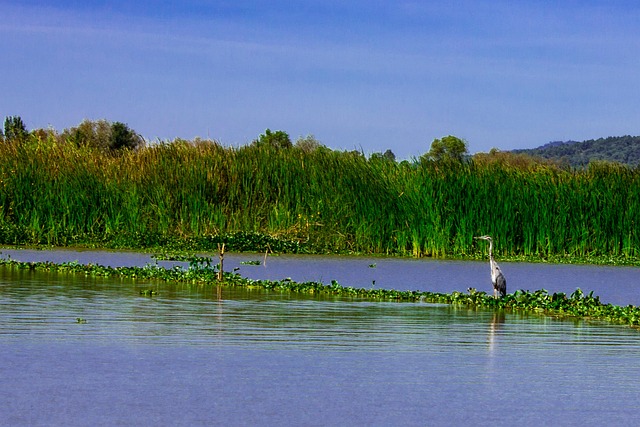
Archaeological evidence places organized settlement around Lake Pátzcuaro and the neighboring highland lakes of Michoacán well over a thousand years before the Spanish invasion, with local chiefdoms gradually consolidating over the following centuries into larger political units. Around the thirteenth and fourteenth centuries, a ruling lineage known as the Uacúsecha, meaning eagles, rose to dominance over the lake basin, eventually unifying rival towns into a single, increasingly centralized state under a ruler whose title was cazonci.
By the fifteenth century this state had become the Purépecha Empire, with its capital at Tzintzuntzan, meaning place of the hummingbirds, on the northern shore of Lake Pátzcuaro. From there, Purépecha rulers extended control over a large stretch of what is now Michoacán and parts of neighboring states, building an administrative and military system capable of matching the far larger and more famous Aztec Empire to its east.
Unlike many of their Mesoamerican neighbors, the Purépecha worked bronze and copper alloys for tools and weapons on a significant scale, a technological edge in a region where most warfare was still conducted with obsidian-edged wooden weapons, and this metalworking advantage is frequently cited by historians as one of the key reasons the Purépecha Empire was able to repel repeated Aztec invasions rather than being absorbed the way so many of the Aztec’s other neighbors eventually were.
The Purépecha language itself adds another layer to the mystery of their origins, since it is a language isolate, meaning that despite decades of comparative study, linguists have not been able to convincingly link it to any other known language family in the Americas, leaving open the question of exactly where the ancestors of the Purépecha came from and how long they had been established around Lake Pátzcuaro before the rise of the historical empire.
What Does Purépecha Mean?
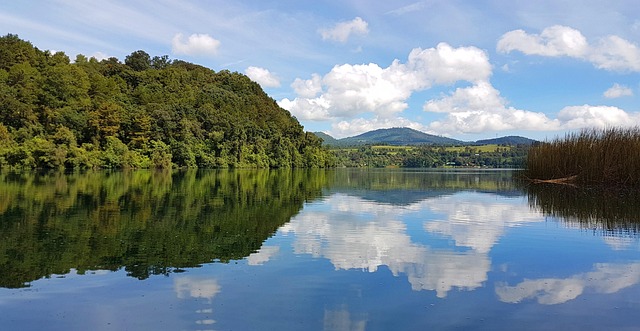
Purépecha, the name the people use for themselves, is generally translated as something close to the people or the workers, though scholars differ on the precise nuance of the term within the Purépecha language itself. It has become the standard, preferred name in both academic and community contexts over the past several decades, replacing the older label most non-Purépecha Mexicans and foreign visitors grew up using.
That older label, Tarasco or Tarascan in English, has a murkier and more contested history. One widely repeated account traces it to a Purépecha word used by local people to refer to Spanish men who had married into their communities, a term connected to in-law relationships that Spanish colonizers reportedly misheard or misapplied as a name for the entire people rather than for a specific family relationship, though other researchers question parts of this story and treat the exact etymology as unresolved.
Whatever its precise origin, Tarasco spread widely through Spanish colonial and later Mexican usage and is still found in older scholarship, historical place names, and casual conversation, but it now carries a slightly dated, externally imposed feel next to Purépecha, which is increasingly the standard term in schools, government documents, and community organizations across Michoacán.
Purépecha communities themselves are far from a single undifferentiated mass, and many people identify first and most strongly with their specific town or lake-basin sub-region, whether that means the lake towns around Pátzcuaro itself, the highland plateau known as the meseta purépecha, or the hotter lowland areas further from the lake, with Purépecha functioning as a broader shared identity layered on top of these more local, town-based loyalties.
Language
The Purépecha language stands apart linguistically from every other Indigenous language of Mexico, since it has no demonstrated relationship to Uto-Aztecan languages like Nahuatl, to Mayan languages, to Otomanguean languages like Zapotec and Mixtec, or to any other established language family in the Americas, making it what linguists call a language isolate, a status shared by only a small number of languages worldwide.
Current estimates put the number of Purépecha speakers at somewhere around one hundred and twenty to one hundred and forty thousand people, concentrated mainly in the highland towns of the meseta purépecha and around Lake Pátzcuaro itself, with smaller speaker communities in migrant destinations elsewhere in Mexico and in the United States.
Purépecha has its own practical alphabet developed with the involvement of linguists and community educators, and it is taught, at least to some degree, in a number of bilingual schools across the Purépecha region, part of a broader push by Mexican federal and state education authorities since the late twentieth century to support Indigenous-language instruction rather than the earlier policy of Spanish-only schooling that had pushed many communities toward language loss.
Music has become one of the most visible spaces for keeping Purépecha language alive to a wider audience, particularly through pirekuas, traditional sung compositions in the Purépecha language covering themes of love, history, and daily life, a tradition that UNESCO recognized in 2010 by adding it to its list of the world’s Intangible Cultural Heritage in need of protection.
Homeland
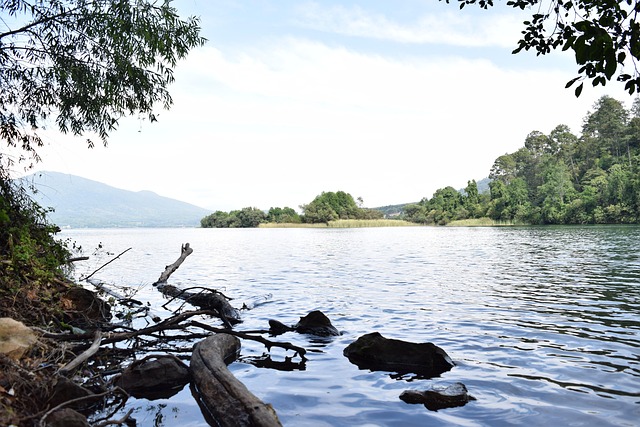
The historic Purépecha heartland sits in the highlands of the modern Mexican state of Michoacán, centered on Lake Pátzcuaro and extending across a volcanic plateau region known as the meseta purépecha, a landscape of pine and oak forest, extinct volcanic cones, and a scattering of smaller lakes including Zirahuén, all sitting at elevations that keep the climate notably cooler than the tropical lowlands elsewhere in the state.
Beyond the lake basin and plateau, traditional Purépecha territory also reached into the hotter tierra caliente to the south and toward forested areas further west, giving different communities access to distinct resources ranging from lake fish and reeds to highland timber and, further south, tropical crops, though the lake region has always held a special cultural and historical weight as the seat of the old empire’s capital and the center of gravity for Purépecha identity.
Michoacán’s forests have long been both an economic resource and, in recent decades, a serious point of conflict, as illegal logging operations, sometimes linked to organized crime groups, have stripped significant tracts of community-held forest land, prompting some Purépecha towns to organize armed community patrols specifically to protect their remaining woodland from outside loggers.
Avocado cultivation, driven by soaring international demand, has also reshaped land use across parts of Michoacán in recent years, converting forest and traditional farmland into commercial orchards and drawing organized crime deeper into agricultural land control, developments that have directly affected a number of Purépecha communities and fed into the broader security concerns that have made parts of rural Michoacán a focus of national attention.
Old Way of Life
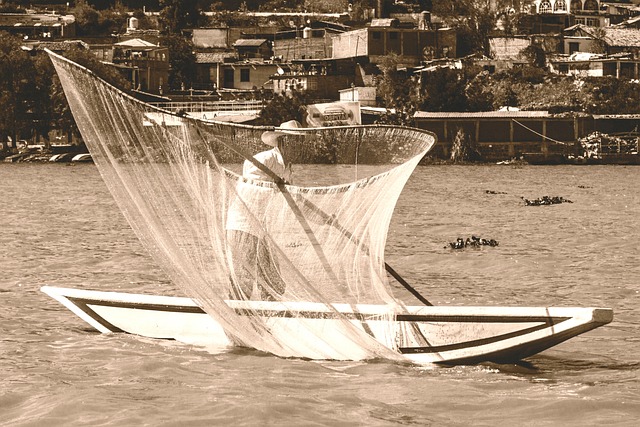
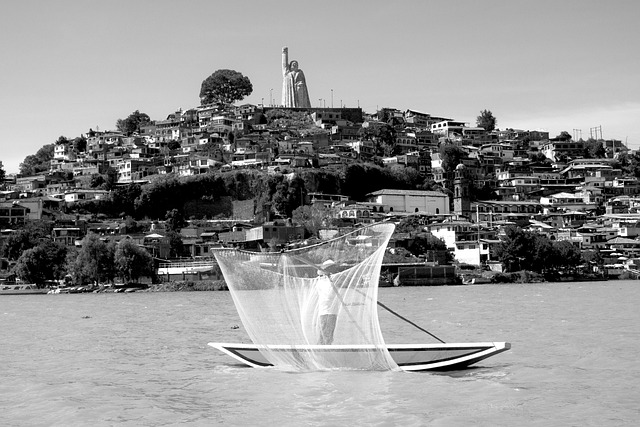
For centuries, life around Lake Pátzcuaro revolved heavily around fishing, carried out from wooden canoes using large, distinctive butterfly-shaped nets that fishermen worked by hand, a technique so visually striking that it became one of the most reproduced images of Indigenous Mexico, appearing on postcards, tourism posters, and even older Mexican currency. The lake once supported a now much-reduced population of pescado blanco, a prized whitefish species that has suffered serious decline due to pollution, introduced species, and overfishing.
Away from the water, highland Purépecha communities practiced maize, bean, and squash farming much like other Mesoamerican peoples, adapted to a cooler climate and often terraced hillside plots, while communities in the forested plateau and tierra caliente incorporated timber gathering, charcoal production, and, after Spanish contact, sheep and cattle raising into their household economies.
Reed harvesting from the lake’s shallows supplied material for mats, baskets, and other household goods, a craft that, like fishing itself, tied everyday subsistence directly to the lake environment and required detailed, place-specific ecological knowledge passed down within families and communities over many generations.
The old Purépecha economy was never purely subsistence-based even before Spanish contact, since the empire’s rulers organized substantial tribute flows from conquered and allied towns, and long-distance trade brought goods like cacao, cotton, and exotic feathers into the lake region from lowland areas, a commercial pattern that continued, in altered form, through the colonial period and into the specialized craft economy that still defines many Purépecha towns today.
Society
At its height, the Purépecha Empire was organized as a centralized monarchy under the cazonci, ruling from Tzintzuntzan through a structured hierarchy of provincial governors and military commanders that allowed the state to mobilize large armies and manage tribute from a wide territory, a level of political centralization that historians generally describe as comparable to, and in some respects more consolidated than, the Aztec Empire’s own more loosely confederated tribute system.
Spanish colonization dismantled the royal court after the last cazonci, Tangaxuan the Second, was executed by Spanish forces in 1530, but Purépecha town-level social organization survived in a different form under colonial administration, and many of the same lakeside and highland towns that existed under the empire remain distinct, identifiable communities today, each with its own local government structures operating alongside Mexican municipal authority.
A distinctive and unusually well documented feature of colonial-era Purépecha society was the deliberate assignment of specific crafts to specific towns, a system organized in the sixteenth century under the Spanish bishop Vasco de Quiroga, who is remembered with genuine reverence in the region for founding schools and hospitals and for reorganizing dozens of Purépecha communities so that each town specialized in one trade, be it copperwork, woodworking, textiles, or pottery, a pattern that still visibly shapes which craft a given Michoacán town is known for.
In the twenty-first century, some Purépecha communities have taken self-governance further still, most famously the town of Cherán, which in 2011 removed local political parties and police entirely and established a community-run governing council and self-defense patrol system in response to organized crime and illegal logging, a move recognized under Mexican Indigenous-rights law and studied internationally as a rare, functioning example of Indigenous self-government operating semi-independently of conventional municipal politics.
Religion
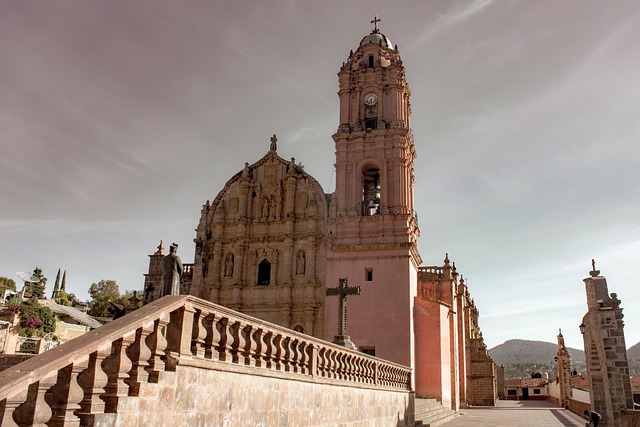
Pre-Columbian Purépecha religion centered on Curicaueri, a fire and sun deity closely associated with the ruling dynasty and with warfare, alongside a wider set of gods and sacred forces tied to the lake, the surrounding volcanic peaks, and agricultural cycles, with temple mounds at Tzintzuntzan and other sites serving as the ceremonial centers where priests conducted rituals on the empire’s behalf.
Franciscan and, notably, the reforming bishop Vasco de Quiroga brought an intensive program of conversion and institution-building to the region beginning in the 1530s and 1540s, and unlike the more purely militarized conquest carried out shortly before under Nuño de Guzmán, Quiroga’s approach combined genuine Catholic missionary conviction with hospital-building, craft education, and a form of colonial paternalism that, while still fundamentally colonial in nature, left a distinctly different institutional legacy than in many other parts of New Spain.
Today the overwhelming majority of Purépecha people identify as Catholic, and religious life is organized heavily around town patron saint festivals, church-based cargo-style sponsorship roles, and home altars, with older beliefs about the spiritual significance of the lake, particular mountains, and ancestral connection to place persisting in local custom even within a thoroughly Catholic religious framework.
Protestant and evangelical Christian communities have also grown in parts of Michoacán over recent decades, following patterns seen across Indigenous Mexico more broadly, though Catholic identity remains dominant and continues to anchor the annual festival calendar that structures much of community religious and social life across the Purépecha region.
Traditions
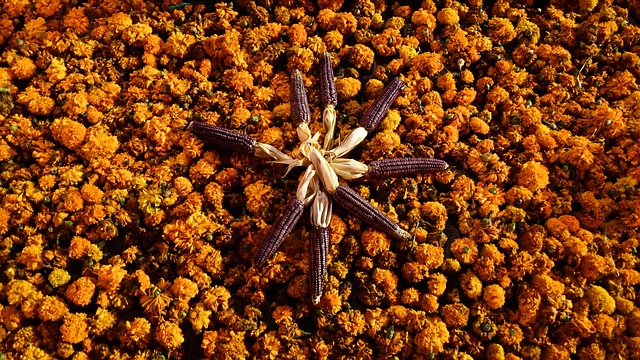
Few Purépecha traditions are as internationally recognized as the Day of the Dead observances held on Janitzio Island and around Lake Pátzcuaro each early November, when families spend the night at cemetery gravesides surrounded by candles, marigolds, and food offerings meant to welcome the spirits of deceased relatives back for a night, a vigil that has drawn photographers, filmmakers, and tourists from around the world for decades.
Danza de los Viejitos, the Dance of the Little Old Men, is perhaps the best known Purépecha performance tradition outside the region, a dance in which young men wearing carved wooden masks depicting elderly faces and walking hunched over on canes suddenly break into fast, energetic, deliberately comic footwork, playing on the contrast between apparent frailty and real vigor in a piece that is simultaneously a technically demanding dance and a piece of social satire.
Godparent relationships, community labor obligations, and rotating festival sponsorship roles continue to structure Purépecha social life much as they do in many other Indigenous Mexican communities, reinforcing extended kinship networks and giving individuals a path toward recognized status and respect within their home town through service rather than wealth alone.
Marriage and courtship customs have modernized considerably compared to earlier generations, but many families still observe at least some traditional steps, including formal visits between families and community recognition of a new couple through their participation in local festivals, even as younger Purépecha increasingly meet partners through school, work, or migration rather than through arrangements made entirely within their home town.
Crafts

Michoacán’s town-by-town craft specialization, rooted in the colonial reorganization carried out under Vasco de Quiroga, remains strikingly visible today. Santa Clara del Cobre, officially renamed Villa Escalante but still generally known by its older name, is famous across Mexico for hand-hammered copperwork, producing everything from decorative vessels to cookware using techniques passed down through generations of local artisan families.
The town of Paracho has built an international reputation as a center of handcrafted guitar and other string-instrument making, an industry that grew out of earlier woodworking traditions and now supplies musicians worldwide, with skilled Paracho luthiers producing instruments prized for both their craftsmanship and their sound.
Uruapan is closely associated with maque, a distinctive lacquerware technique using natural resins and pigments to decorate wooden trays, boxes, and furniture with intricate designs, a craft that predates the Spanish conquest and that Uruapan artisans have continued to refine and adapt for both local use and the wider Mexican and international craft market.
Beyond these well known specialty towns, pottery, textile weaving and embroidery, and reed basketry remain active household crafts across many smaller Purépecha communities, providing important supplementary income alongside farming and, for a growing number of families, remittances sent home by relatives working elsewhere in Mexico or in the United States.
Food
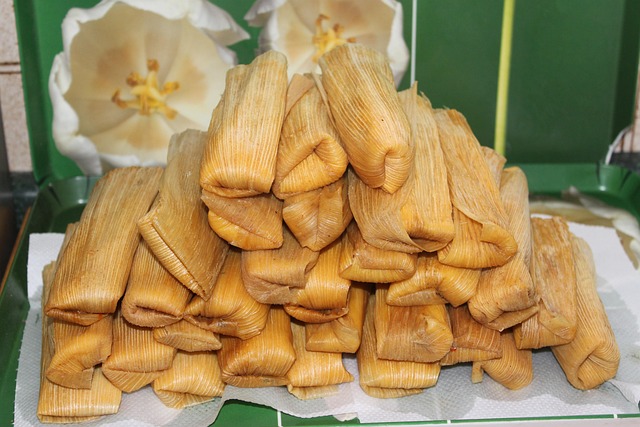
Corn remains the foundation of Purépecha cuisine, most distinctively expressed in the corunda, a triangular or star-shaped tamale wrapped in fresh corn leaves rather than dried corn husks, typically served plain or with cream, cheese, and salsa, and instantly recognizable across Michoacán as a regional specialty that sets local tamale traditions apart from those found elsewhere in Mexico.
Uchepos, a sweeter tamale made with fresh, tender corn kernels rather than dried and ground masa, offer a lighter counterpart to the corunda and are often served as a side dish alongside stews, meats, or simply on their own with cream and salsa, another example of how thoroughly Purépecha cooking has built an entire repertoire of dishes around variations on a single staple crop.
Fish from Lake Pátzcuaro, particularly the now much rarer pescado blanco and the smaller charales, small fish typically dried or fried whole, have historically been central to lakeside Purépecha diets, though declining fish populations linked to pollution and introduced competing species have made these dishes increasingly scarce and, in the case of pescado blanco specifically, something closer to an occasional delicacy than an everyday staple.
Atole, a warm, thick corn-based drink often flavored with fruit, chocolate, or cinnamon, and a range of local fermented and fresh beverages round out the traditional Purépecha table, consumed daily in many households and served in larger quantities at festivals, wakes, and community gatherings where food and drink double as an expression of hospitality and mutual obligation.
Festivals
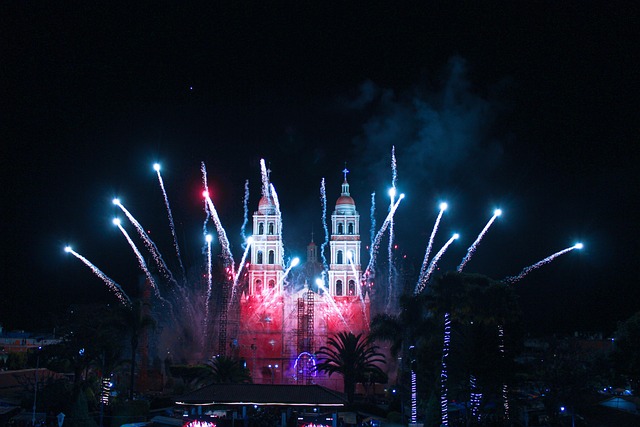
The Day of the Dead observances centered on Janitzio Island and other Lake Pátzcuaro communities stand as the single most famous Purépecha festival internationally, drawing enormous numbers of visitors each year to witness the candlelit cemetery vigils, though the underlying observance remains, for local families, a genuinely intimate occasion centered on remembering specific deceased relatives rather than a performance staged for outsiders.
Nearly every Purépecha town also holds its own annual patron saint festival, typically featuring processions, fireworks, brass bands, and performances of traditional dances including the Danza de los Viejitos, with sponsorship of the celebration’s costs rotating among community members in a system that both funds the event and confers recognized status on those who take on the responsibility.
Carnival celebrations before Lent, harvest-related observances tied to the agricultural calendar, and life-cycle festivities such as baptisms, quinceañeras, and weddings fill out the rest of the yearly festival calendar, with music, particularly performances of pirekuas and other traditional song forms, threading through nearly every type of community celebration regardless of its specific religious or seasonal occasion.
Regional and state-level cultural festivals, including events specifically dedicated to pirekua music and to Purépecha crafts, have grown in recent decades as both a form of cultural pride and a deliberate strategy for supporting artisan incomes and language visibility, giving Purépecha musicians and craftspeople platforms well beyond their home towns.
History
The Purépecha Empire’s defining historical achievement was military rather than architectural or artistic: across several wars fought mainly in the fifteenth century, Purépecha armies repeatedly stopped Aztec invasions along their shared frontier, most decisively in campaigns fought under the Aztec ruler Axayacatl, whose forces suffered a serious defeat attempting to push into Purépecha territory. Unlike almost every other major power the Aztec Empire encountered, the Purépecha state was never conquered, never paid Aztec tribute, and remained fully independent right up until the Spanish arrived.
That independence ended not through Aztec pressure but through Spanish conquest, and the Purépecha experience of that conquest was considerably more violent than their earlier resistance to the Aztecs. After an initial period of cautious diplomatic contact, the conquistador Nuño de Guzmán launched a brutal campaign against the Purépecha in 1529 and 1530, torturing and executing the last cazonci, Tangaxuan the Second, and inflicting widespread violence on the population, actions notorious enough that Guzmán was eventually investigated and removed from colonial office over them.
The arrival of Vasco de Quiroga as bishop in the 1530s and 1540s marked a sharp change in approach, as Quiroga, reportedly influenced by Thomas More’s Utopia, worked to rebuild trust through hospitals, schools, and the town-by-town craft specialization system that still shapes Michoacán’s artisan geography today, an unusually constructive legacy embedded within an otherwise devastating colonial history.
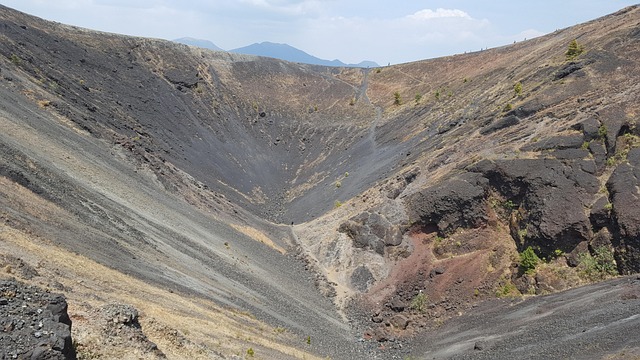
In 1943, a volcano literally emerged from a cornfield near the Purépecha-region village of Parícutin, growing rapidly over the following years and eventually burying the nearby town of San Juan Parangaricutiro almost entirely under lava, an event so dramatic and well documented by scientists and photographers that it remains one of the most studied volcanic eruptions of the twentieth century and a defining modern chapter in local memory. The following decades brought land reform struggles, growing labor migration, and, from the 2000s onward, escalating conflict with organized crime groups over forestry and avocado-growing land, culminating in high-profile community self-defense movements like the one in Cherán.
Purépecha Life Today
Roughly two hundred thousand people identify as Purépecha today, the large majority still living in the highland towns of the meseta purépecha and around Lake Pátzcuaro, with smaller communities in Mexico City, other parts of Mexico, and among migrants in the United States, particularly in California and other states with significant agricultural labor demand.
Craft towns like Santa Clara del Cobre, Paracho, and Uruapan continue to anchor much of the regional economy, and Purépecha copperwork, guitars, and lacquerware are sold well beyond Michoacán, giving many families a livelihood that blends traditional skill with participation in national and international markets, even as artisans compete with cheaper factory-made imitations and fluctuating tourism demand.
Land security remains one of the most serious ongoing challenges, with illegal logging, avocado-industry expansion, and organized crime pressure continuing to affect forested and agricultural land in parts of Michoacán, prompting some communities to pursue formal Indigenous self-governance status and organized community patrols as a direct response, most visibly in Cherán’s now internationally studied model of self-rule.
Purépecha language and music maintain a genuinely active public presence, from bilingual classrooms and pirekua festivals to a growing body of Purépecha-language media, even as the language, like most Indigenous languages of Mexico, faces long-term pressure from Spanish-language dominance in schools, media, and migrant destinations. From an empire that stopped the Aztecs on the battlefield to a town that removed its own political parties in 2011, the throughline in Purépecha history has consistently been a refusal to simply accept outside terms, a pattern that continues to shape how Purépecha communities navigate the pressures facing rural Indigenous Mexico today.
Other Indigenous Peoples of the Americas
The Purépecha are one of many Indigenous nations across the Americas profiled on this site, each with a distinct language, history, and way of life. Take a look at some of the others below.
- The People Who Emerged Into This World, the Story of the Navajo
- The People Who Never Left the Mountains, the Story of the Quechua
- The People Who Never Vanished, the Story of the Maya
- The People of the Seven Council Fires, the Story of the Lakota
- The People of the Land Who Were Never Conquered, the Story of the Mapuche
- The People of Ice and Sea, the Story of the Inuit
- The Islands of the People, the Story of the Haida
- The Four Directions People, the Story of the Cree
- The Principal People, the Story of the Cherokee
- Aymara: A People Whose Words Refuse to Die
- Guarani: The Language That Became a Nation
- Tehuelche: Giants of Patagonia’s Windswept Plains
- Diaguita: A Nation Chile Forgot, Then Remembered
- Likan Antai: Life at the Edge of the Driest Desert on Earth
- Wayuu: The Desert People an Empire Could Never Conquer
- Guna: Islanders Who Govern Their Own Corner of Panama
- Yanomami: Guardians of the Amazon’s Deepest Forest
- Taino: The People Declared Extinct Who Never Left
- Kogi: The Elder Brothers Watching Over the Mountain
- Zapotec: A People Older Than the Aztec Empire
- Miskito: The Coast That Crowned Its Own Kings
- Garifuna: The Shipwreck That Became a Nation
- Shuar: The People the Inca and Spain Both Failed to Conquer
- Mixtec: The Cloud People Who Wrote Their Own History
You May Like
The Damara, an Ancient People of Namibia


One thought on “Purépecha: The People Who Kept the Aztec Empire Out of Michoacán”