In the rugged mountains of eastern Guerrero lives a people whose language stands almost alone in the Americas. Known to the wider world as the Tlapanec, they call themselves Meꞌphaa, and their tongue forms its own distinct branch of one of the oldest language families in the hemisphere. Isolated by geography and long overlooked, they have held onto their speech, their fields, and their festivals with quiet persistence.
This is a portrait of the Meꞌphaa: their mountain homeland, their remarkable tonal language, the maize that feeds them, the dances and festivals that bind them, and the challenges they face today. It is the story of a community that has endured on the margins of Mexico while keeping firmly at its center the things that make it who it is.
Contents
- A People of the Guerrero Highlands
- What Meꞌphaa and Tlapanec Really Mean
- A Tongue Unlike Its Neighbors
- Mountains That Made a Nation
- Maize, Milpa, and the Rhythm of the Fields
- Community, Kinship, and the Weight of Custom
- Saints, Mountains, and the Older Powers
- Dances That Carry Memory
- Palm, Clay, and Skilled Hands
- The Table of the Montaña
- A Calendar Filled with Celebration
- Centuries of Endurance
- The Meꞌphaa in the Present Day
A People of the Guerrero Highlands
High in the folded mountains of eastern Guerrero, where the Sierra Madre del Sur breaks into ridge after ridge of pine and oak, live a people who call themselves Meꞌphaa. To outsiders they have long been known as the Tlapanec, a name borrowed from the old town of Tlapa that still serves as the commercial heart of their country. Their homeland is one of the most rugged and least accessible corners of Mexico, a place of deep canyons, cold cloud forests on the heights, and hot dry valleys below, where footpaths still matter as much as roads.
The Meꞌphaa number somewhere around a hundred and fifty thousand speakers, making them one of the larger Indigenous nations of Guerrero, yet they remain little known outside their region. Much of what has been written about them comes from a handful of anthropologists and linguists who made the difficult journey into the mountains, and from the Meꞌphaa themselves, who in recent decades have begun to document their own history and language with growing determination.
To understand the Tlapanec is to understand a community that has held onto its language and its land through centuries of pressure. They were never a single unified kingdom, but a cluster of communities bound by a shared tongue and a shared relationship to the mountains that shaped them. That relationship, forged over many generations, still defines who they are.
What Meꞌphaa and Tlapanec Really Mean
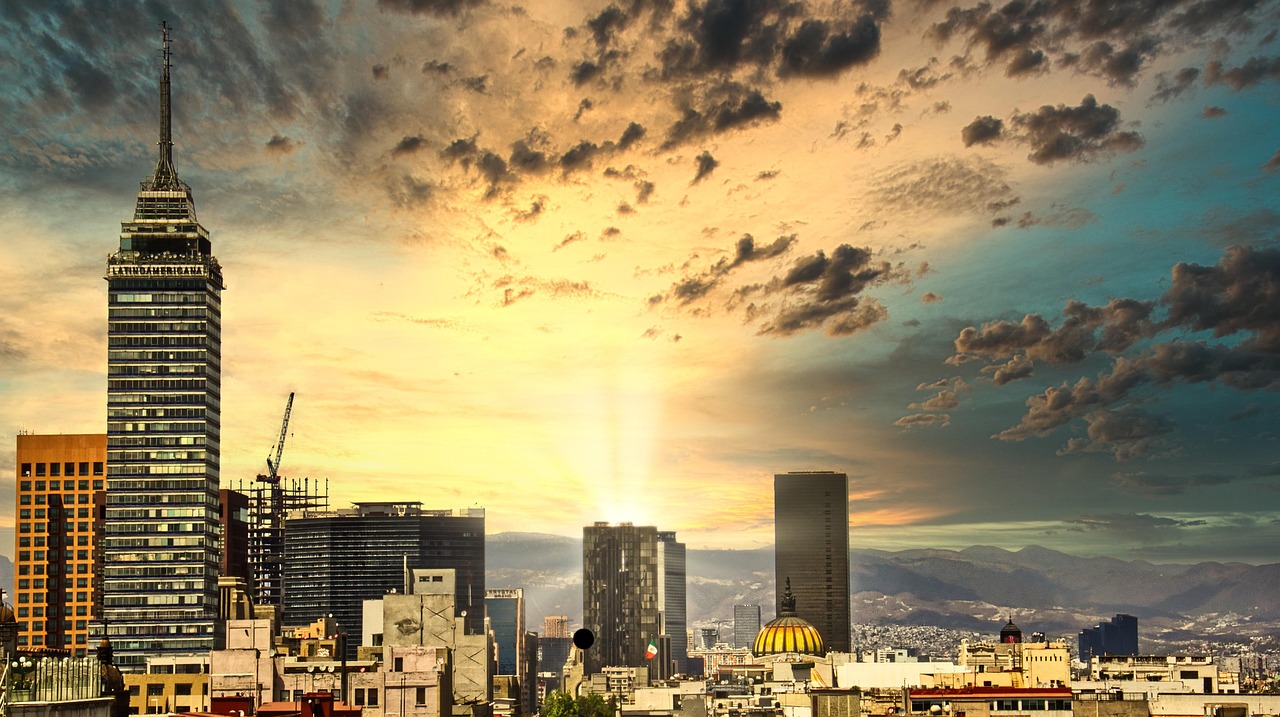
The two names carried by this people tell two different stories. Tlapanec comes from Nahuatl, the language of the Aztecs, and it has often been translated in unflattering ways by outsiders, reflecting the way dominant powers labeled the peoples they conquered. Like many exonyms across Mexico, it was imposed from the outside and stuck through centuries of official use in Spanish records and maps.
The people’s own name for themselves, Meꞌphaa, comes from within. It is tied to their sense of belonging to a particular place and a particular way of speaking, and it is the name that community organizations, teachers, and cultural activists increasingly prefer. The shift from Tlapanec to Meꞌphaa in recent writing mirrors a wider movement among Indigenous peoples of Mexico to reclaim self-designation.
Names here are not trivial. In a region where identity has often been defined by others, choosing what to be called is an act of self-assertion. For younger Meꞌphaa in particular, using the name their grandparents used is a way of signaling that the language and the culture are not relics but living things worth defending.
Even the geography carries names in the old tongue, with mountains, springs, and fields marked by Meꞌphaa words that encode memory and meaning long after Spanish became the language of administration.
A Tongue Unlike Its Neighbors
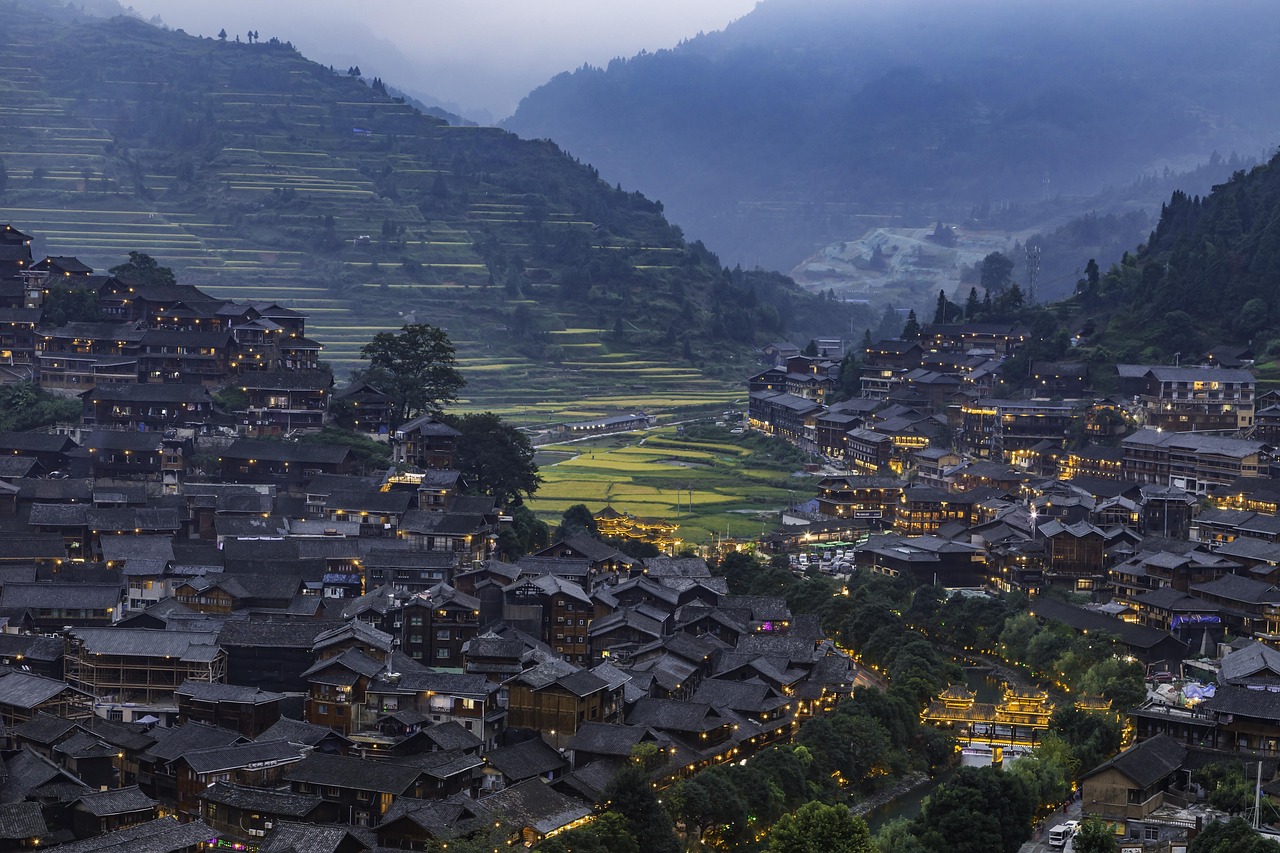
The Meꞌphaa language is the heart of Tlapanec identity, and it is a remarkable one. Linguists classify it within the vast Otomanguean grouping, one of the oldest and most diverse language stocks in the Americas, but within that grouping Meꞌphaa stands apart. It forms its own small branch, and for a long time scholars were uncertain whether it belonged with Otomanguean at all, so distinct is its structure from its better-known relatives.
Meꞌphaa is a tonal language, meaning that the pitch of a syllable can change the meaning of a word entirely. It also carries a rich system of sounds and grammatical features that make it challenging for outsiders to learn and difficult to render in the Latin alphabet without special marks. Several regional varieties exist, and speakers from distant communities do not always understand one another with ease, a reminder of how the mountains both preserved and divided.
For the Meꞌphaa, the language is more than a means of communication. It carries the names of plants and places, the words of prayer and healing, and the subtle knowledge of a world built over centuries. When a Meꞌphaa elder speaks of the land, the vocabulary itself encodes generations of observation that has no exact equivalent in Spanish.
Efforts to write the language, to teach it in schools, and to broadcast it on community radio have grown, but the pressure of Spanish is constant. Every family must decide, sometimes without realizing it, whether the next generation will grow up speaking the tongue of the mountains.
Mountains That Made a Nation
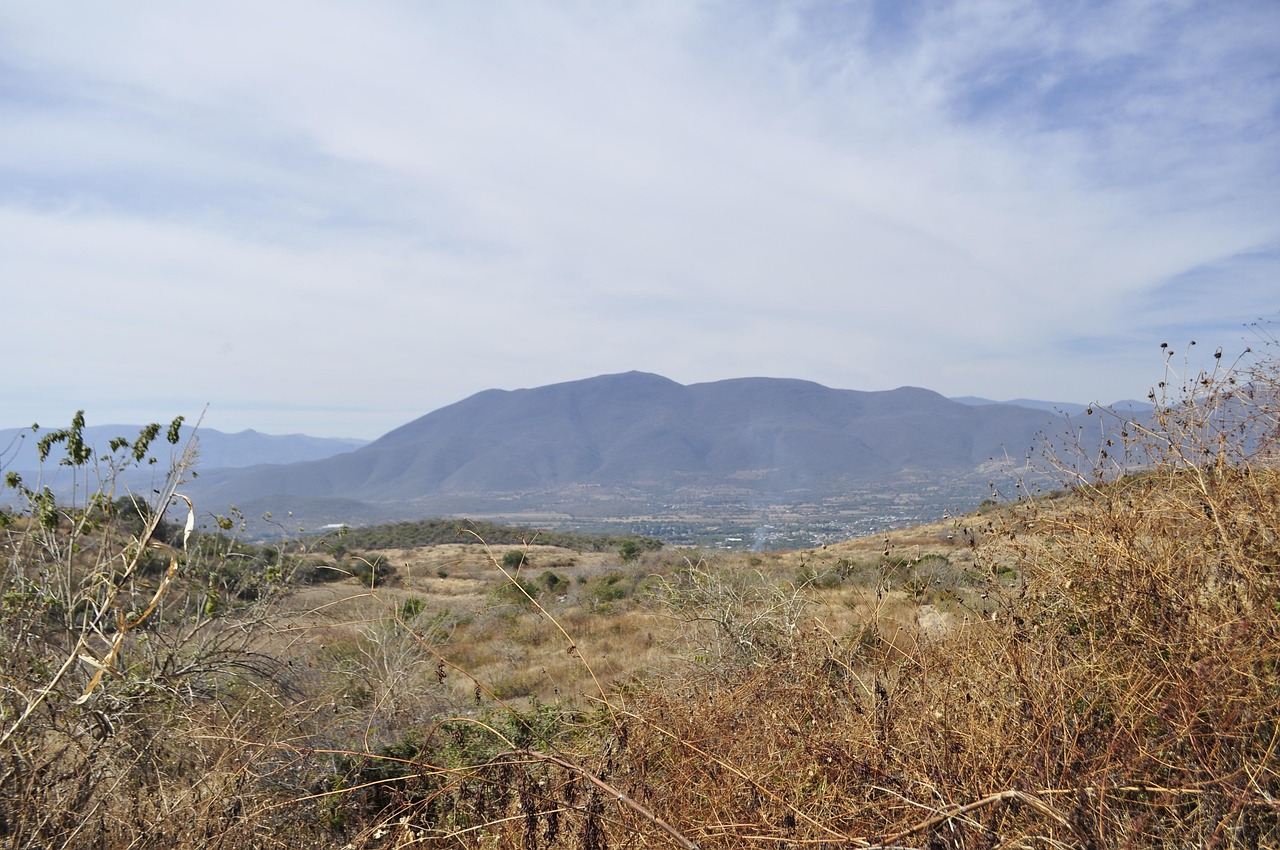
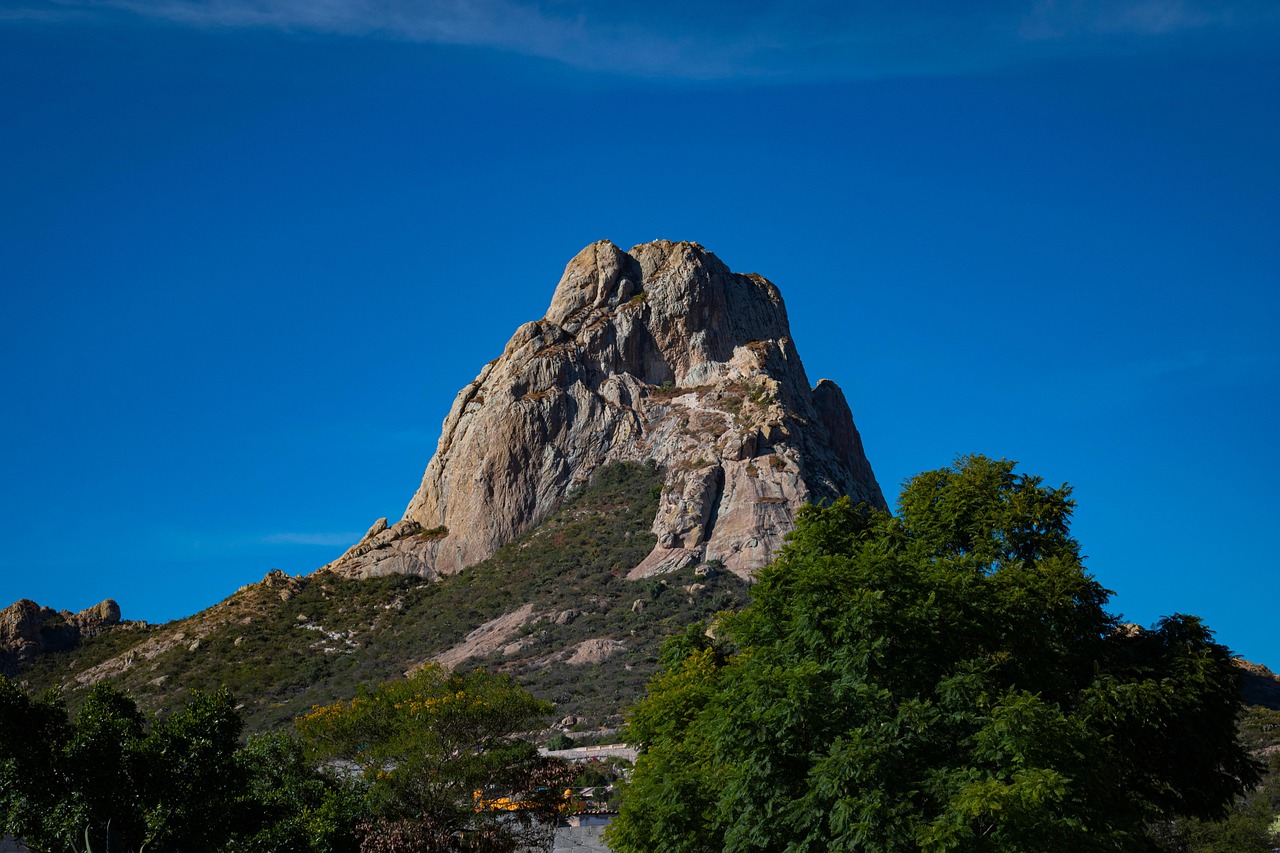
The Tlapanec homeland spreads across the eastern part of Guerrero, in a region often called the Montaña, the mountain. It is a land of extremes, where altitude changes everything. On the high ridges the air is cool and damp, forests of pine and oak catch the clouds, and frost can whiten the fields. Descend into the canyons and the climate turns hot and dry, with thorny scrub and cactus taking over.
This vertical world shaped how the Meꞌphaa lived. Communities learned to farm at different heights, moving crops and effort with the seasons, and to trade goods between the cold country and the hot country. The rugged terrain also kept them relatively isolated, protecting the language and customs even as it made life materially hard.
Water is precious and unevenly distributed, and much of Meꞌphaa agriculture depends on the timing of the rains. The mountains that gave shelter also imposed limits, and the history of the region is in part a history of adapting to a demanding land.
The Montaña remains one of the poorest regions of Mexico by official measures, yet it is also one of the richest in cultural continuity, a place where the old languages and the old ways have survived precisely because the modern world arrived slowly.
The vertical geography of the Montaña does more than dictate where crops grow. It divides communities from one another, so that villages only a day’s walk apart may differ in the details of their speech and their dress. This fragmentation, born of the mountains, helps explain both the diversity within the Meꞌphaa world and the strength of local identity, where loyalty to one’s own village often runs deeper than any broader sense of nationhood. The traveler who crosses the Montaña on foot passes through a mosaic of small worlds, each shaped by the particular slope and stream that sustains it.
Maize, Milpa, and the Rhythm of the Fields
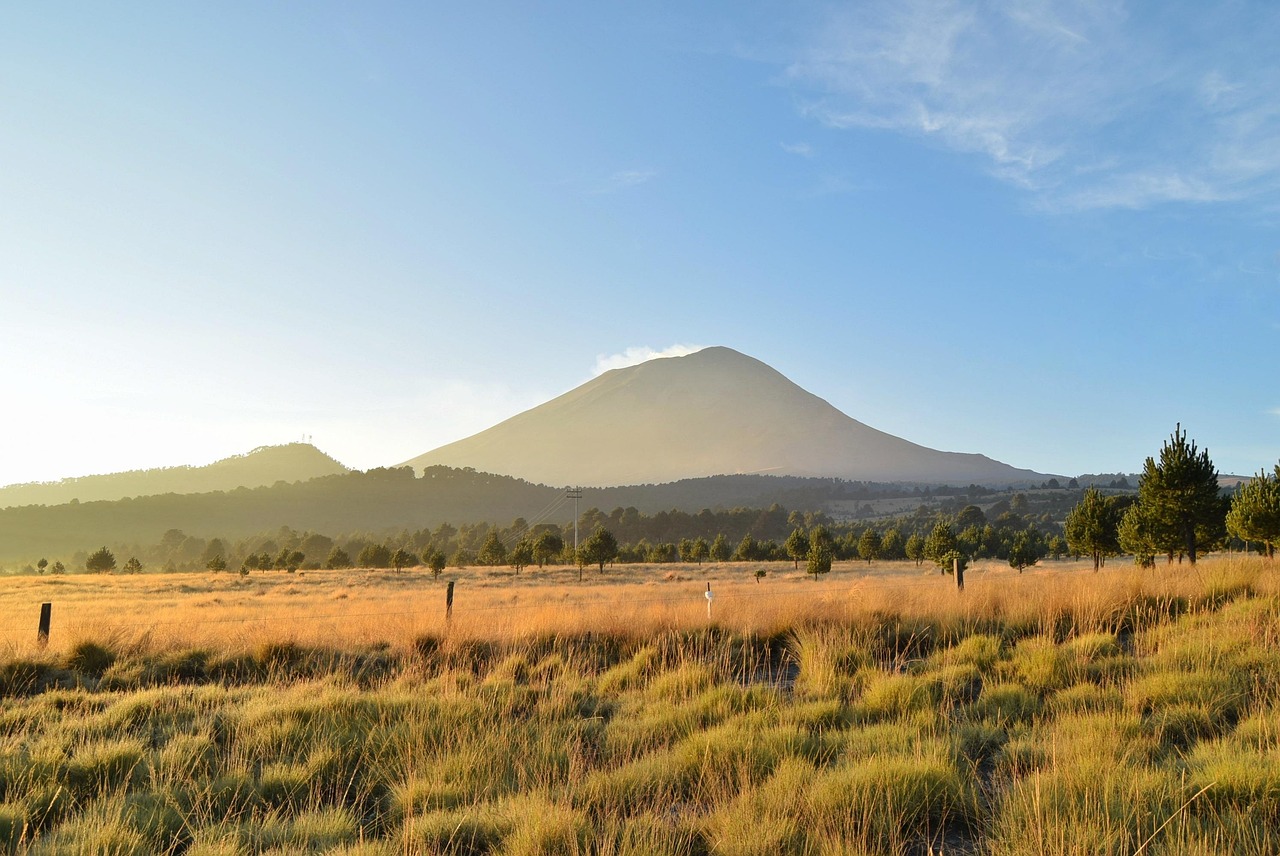
Like most peoples of Mesoamerica, the Meꞌphaa built their lives around maize. The milpa, the cornfield planted together with beans and squash, is both a farming system and a cultural institution. It feeds the family, structures the year, and connects the present to a way of growing food that reaches back thousands of years.
Farming in the mountains is labor that demands the whole community. Steep slopes are worked by hand, and families exchange labor in a system of mutual help that binds neighbors together. The agricultural calendar, tied to the coming of the rains, sets the rhythm of ritual as much as of work.
Beyond maize, the Meꞌphaa gather from the forests and cultivate other crops suited to their varied land, from chilies and fruit in the warm valleys to hardy staples on the heights. Coffee has become an important cash crop in some communities, tying the mountains to distant markets.
This agricultural life is not romantic ease. It is demanding and often precarious, vulnerable to drought and frost and to the swings of prices set far away. Yet it remains the foundation of Meꞌphaa self-sufficiency and the source of much of the community’s shared identity.
The knowledge held in a milpa is not written down anywhere. It lives in the judgment of the farmer who reads the sky for the coming of the rains, who knows which seed to save from this year’s harvest, and who understands how beans and squash and maize support one another when grown together. This accumulated wisdom, passed from parent to child in the field itself, is a form of science as sophisticated in its own way as anything taught in a classroom, and it is bound up inseparably with the Meꞌphaa language in which it was learned.
Community, Kinship, and the Weight of Custom
Meꞌphaa society is organized around the community and the extended family. Villages govern much of their own affairs through systems of shared responsibility, where men and increasingly women take on unpaid civic and religious offices as a duty to the collective. Prestige comes not from wealth but from service given to the community over a lifetime.
Kinship networks reach across villages and knit the scattered settlements of the Montaña into something larger. Marriage, godparenthood, and mutual aid all create ties that a family can call upon in times of need, a form of social insurance in a region where the state has often been distant.
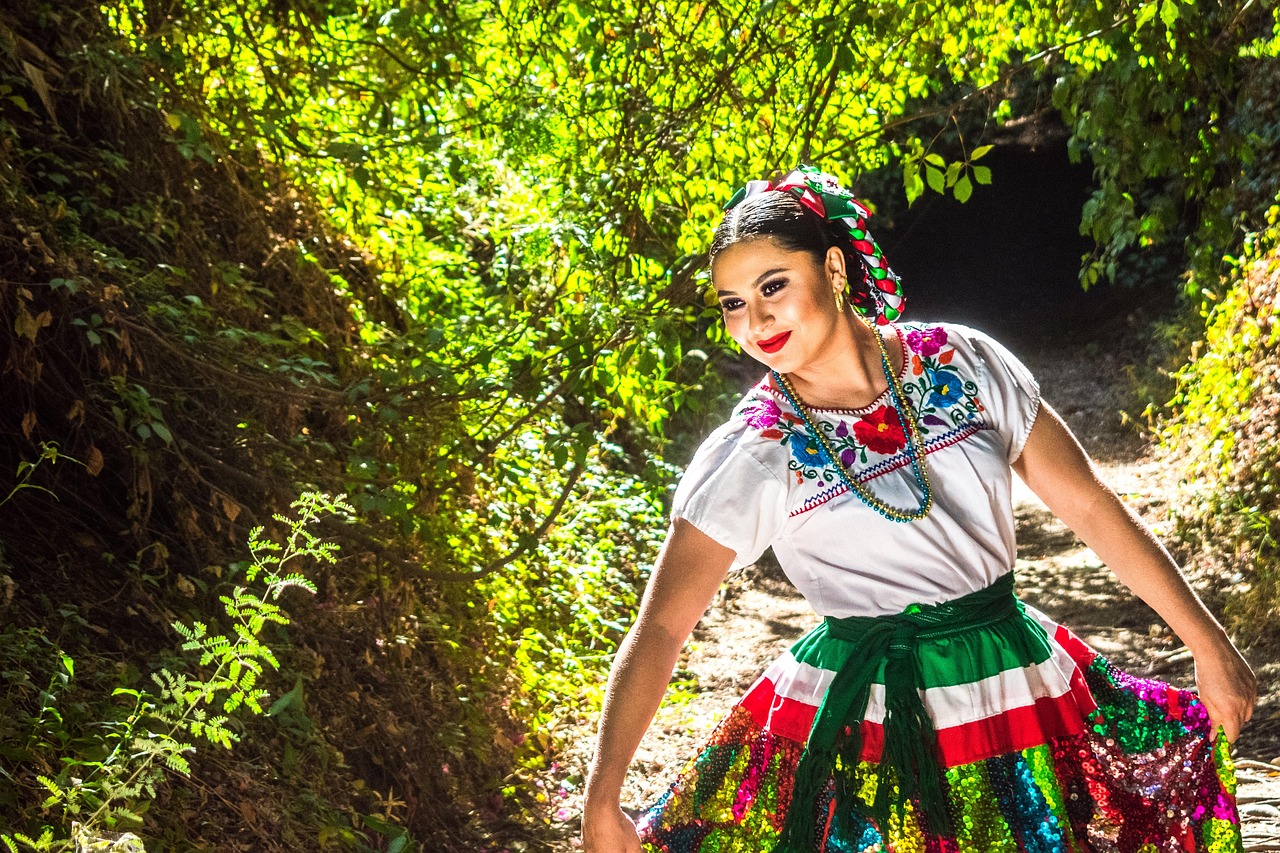
Traditional dress, still worn by many women, marks belonging and carries the distinctive weaving and embroidery of the region. In these garments the community’s aesthetic and its identity are made visible, a quiet daily assertion of who the wearer is.
Custom carries real force here. The unwritten rules of reciprocity, respect for elders, and obligation to the community are not mere tradition but the working framework of daily life, and breaking them has social consequences that matter.
The offices of community service, known across Indigenous Mexico as the cargo system, ask a great deal of those who take them on. A man or woman may spend a year or more carrying the burden of an unpaid post, neglecting their own fields and finances for the good of the collective. Yet to refuse would be to stand outside the community, and to serve well is to earn a respect that money cannot buy. In this way the Meꞌphaa bind self-interest to the common good, and produce leaders whose authority rests on sacrifice rather than wealth.
Saints, Mountains, and the Older Powers
The religious life of the Tlapanec blends Catholicism, introduced in the colonial centuries, with an older layer of belief rooted in the land itself. In the villages the calendar of Catholic saints structures the year of festivals, and the church stands at the center of community life, yet beneath and alongside it runs a current of practice that is much older.
The Meꞌphaa have long recognized powers in the mountains, the rain, and the springs, and ritual specialists mediate between the community and these forces. Offerings and ceremonies tied to planting and harvest seek to keep the world in balance and the rains reliable, expressing a relationship with nature that predates the arrival of Christianity.
Healing traditions form part of this religious world. Curers who understand both the properties of plants and the spiritual causes of illness remain important, and their knowledge is passed down carefully within families and communities.
For many Meꞌphaa there is no contradiction between the church and the older powers. Both are part of a single lived world in which the sacred is present in the landscape as much as in the chapel, and both are honored in their proper time and place.
Ritual specialists occupy a delicate position in Meꞌphaa communities, respected and sometimes feared for their knowledge of forces the ordinary person does not command. Their work, conducted in the language of the mountains and drawing on a calendar older than the church, continues quietly alongside the public devotions, a reminder that the sacred here has many layers.
Dances That Carry Memory
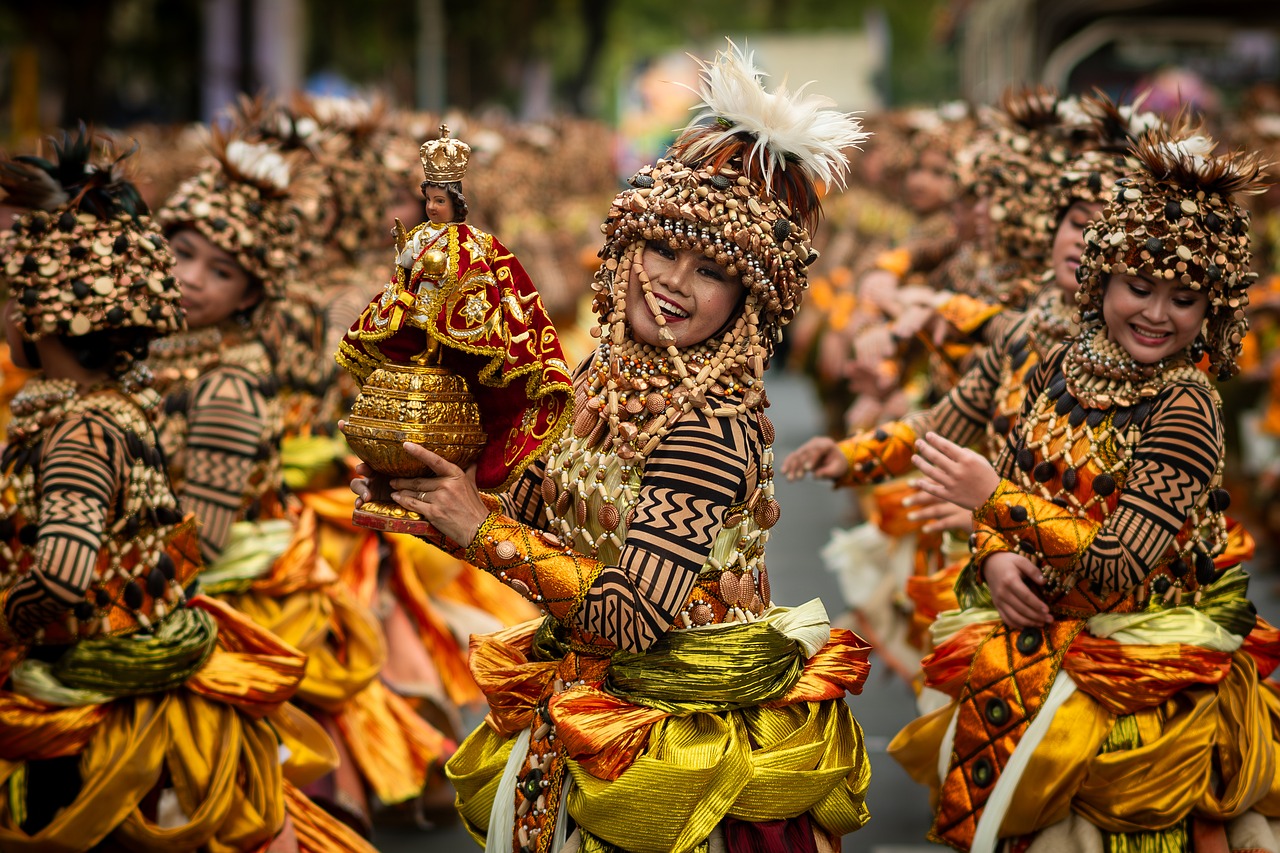
The Tlapanec, like their neighbors in Guerrero, keep alive a repertoire of dances performed at festivals throughout the year. These are not performances staged for outsiders but rituals with meaning, tied to the saints, the seasons, and events remembered from a distant past. Dancers prepare for weeks, and the roles are handed down within families and communities.
Some dances dramatize episodes from history and legend, with masked performers taking on the roles of animals, ancestors, or figures from the colonial encounter. Others accompany the great festivals of the agricultural year, calling for rain or giving thanks for the harvest. The music that accompanies them, played on regional instruments, is as much a part of the tradition as the movement.
To dance in these festivals is to take on an obligation and an honor. It ties the dancer to the community and to the generations who danced the same steps before, weaving individual lives into a continuous cultural fabric that stretches back beyond memory.
In an age when young people leave for the cities and for work in the north, the festivals and their dances become gathering points, moments when the scattered community comes home and renews the bonds that distance would otherwise weaken.
Palm, Clay, and Skilled Hands
The Meꞌphaa are known for crafts that grow directly out of the materials of their mountains. Weaving with palm fiber is widespread, producing hats, mats, and baskets that serve daily needs and, increasingly, provide income through sale in regional markets. The work is often done by women and children in the hours between agricultural tasks.
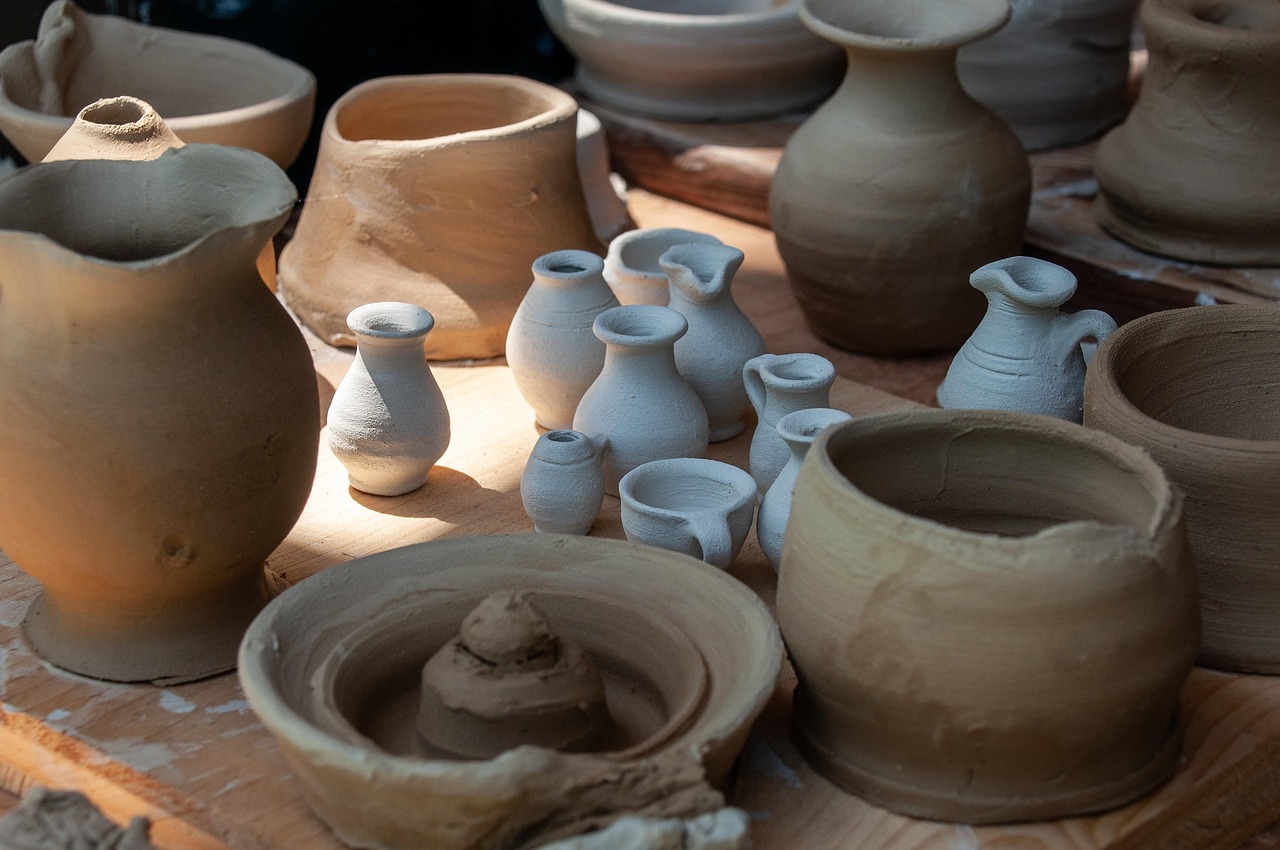
Pottery made from local clay continues in many communities, supplying vessels for cooking, storage, and ritual. These objects, shaped by hand and fired in simple kilns, carry forms that have changed little over generations and reflect a practical aesthetic rooted in use.
Textiles remain among the most visible crafts, with women weaving and embroidering garments that mark community identity. The patterns and colors are not arbitrary; they encode belonging and taste, and a trained eye can read in them the village a wearer comes from.
Craft work is both economic necessity and cultural expression. In a region with few sources of cash income, the sale of palm goods and pottery matters for survival, but the skill and pride invested in them mean they are never merely commodities.
The rise of regional markets and improved roads has changed the place of crafts in the Meꞌphaa economy. What was once made purely for the household is now often produced for sale, and the income, however modest, can make the difference between hardship and survival for a family. This shift brings both opportunity and risk, tying the mountain communities more tightly to markets they do not control, even as it gives new value to skills that might otherwise have faded.
The Table of the Montaña
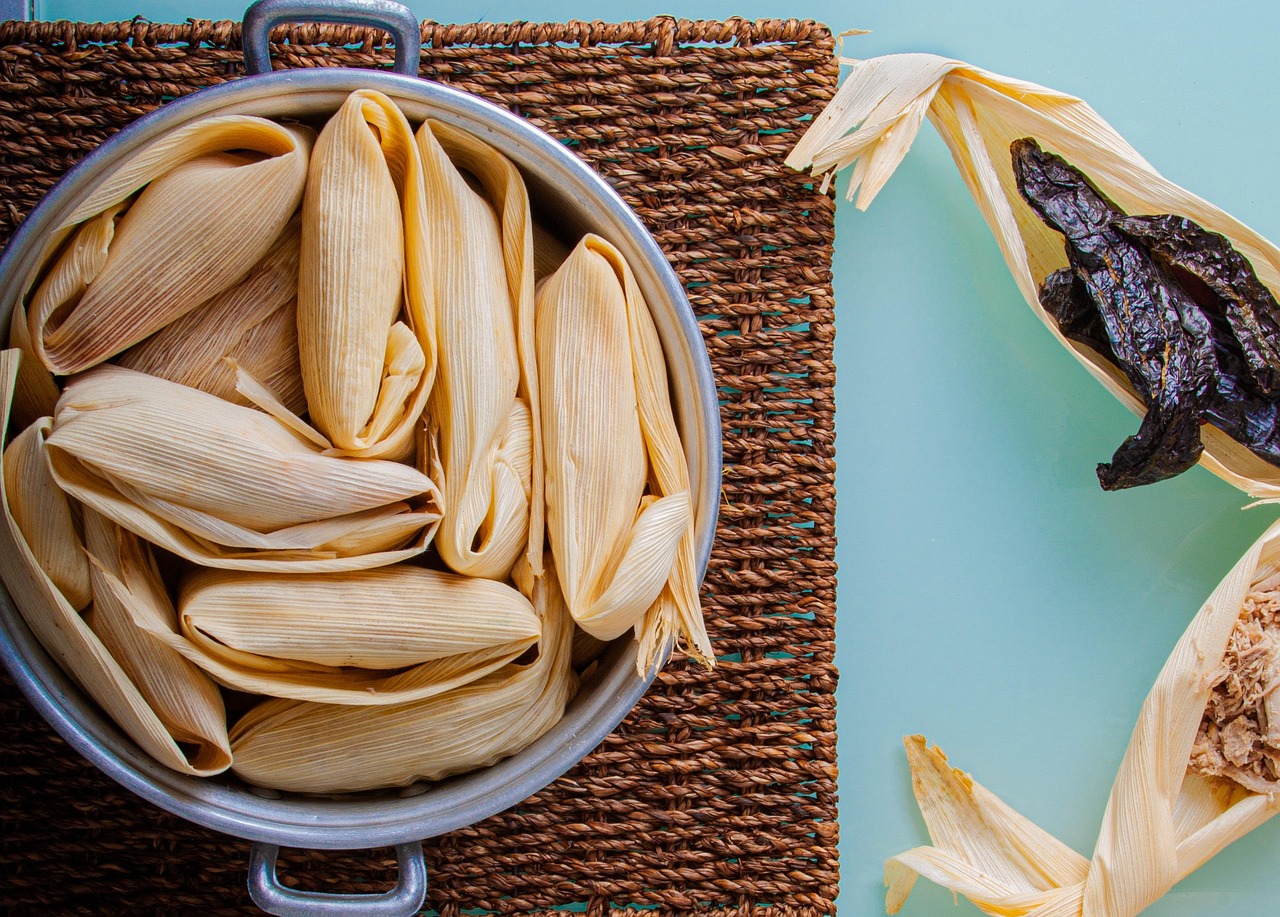
Meꞌphaa cooking is built on the trinity of Mesoamerican foodways: maize, beans, and chili. Tortillas made fresh from hand-ground corn accompany nearly every meal, and tamales appear at festivals and family gatherings, wrapped and steamed in the manner passed down through generations.
The varied altitudes of the homeland supply a range of ingredients, from the greens and herbs gathered in the fields to fruit grown in the warm valleys and the occasional meat reserved for special occasions. Chili sauces and stews give the everyday diet its character, and regional dishes reflect what the land provides in each season.
Food is deeply tied to ritual and hospitality. To share a meal is to affirm a relationship, and festivals are marked by the preparation of special dishes in quantities meant for the whole community. The kitchen, like the field, is a place where tradition is transmitted.
Even as processed foods reach the mountains and diets change, the core of Meꞌphaa cooking remains recognizably its own, anchored in maize and in the knowledge of women who learned to cook from their mothers and grandmothers.
A Calendar Filled with Celebration
The festival calendar structures the Tlapanec year, marrying the Catholic cycle of saints’ days with the agricultural rhythm of planting and harvest. Each community honors its own patron saint with days of music, dance, processions, and feasting that draw people home from far away and reaffirm collective identity.
These celebrations require enormous communal effort and expense, organized through systems of shared responsibility in which sponsors take on the cost and labor of the festival as a service to the community. To sponsor a festival is to gain lasting prestige and to fulfill an obligation that binds the individual to the collective.
Beyond the patron saint’s day, the great festivals of the Mexican religious year, from Holy Week to the Day of the Dead, are observed with practices that carry a distinctly Meꞌphaa stamp. In them the borrowed and the ancestral blend into a single celebration that is unmistakably of the mountains.
For a people spread thin across rugged country and increasingly touched by migration, the festivals are the great moments of gathering, when the community becomes visible to itself and its continuity is renewed for another year.
Centuries of Endurance
The ancestors of the Meꞌphaa have lived in the Guerrero mountains for a very long time, and their deep past is only partly understood. Before the Spanish arrived, the region felt the pressure of expanding powers, including the Aztecs, who exacted tribute from communities of the Montaña and left the Nahuatl name by which the people became known to outsiders.
The Spanish conquest brought new rulers, new religion, and new burdens, yet the difficulty of the terrain limited how deeply colonial control could penetrate. The Meꞌphaa endured epidemics, forced labor, and the loss of autonomy, but the mountains sheltered their language and much of their way of life through the centuries of colonial and then national rule.
In the modern era the Montaña has remained on the margins of the Mexican state, often neglected and sometimes caught up in the conflicts and hardships that have troubled Guerrero. Poverty, migration, and the search for justice have marked recent Meꞌphaa history, and communities have organized to defend their rights and their land.
Through all of it the thread of continuity holds. The language still lives, the festivals still fill the calendar, and the communities still govern much of their own affairs, testimony to a resilience forged over many hard centuries.
The Meꞌphaa in the Present Day
Today the Tlapanec stand at a crossroads familiar to many Indigenous peoples of Mexico. The pressures of poverty push many to migrate, whether to Mexican cities or to agricultural labor in the north, and the pull of Spanish-language schooling and media challenges the transmission of the mother tongue. Yet the community is far from passive in the face of these forces.
Meꞌphaa activists, teachers, and organizations have worked to bring the language into schools, onto the radio, and into writing, and to assert the community’s rights before the state. Bilingual education, community media, and cultural festivals all serve as tools in an ongoing effort to keep the language and identity vital for a new generation.
The challenges are real. Economic hardship, the lure of the cities, and the slow erosion that comes when a minority language competes with a national one all threaten the future of Meꞌphaa. But the determination visible in community efforts suggests a people intent on choosing their own path rather than accepting decline.
To know the Meꞌphaa is to see both the weight of history and the possibility of renewal. In the mountains of Guerrero, a people that outsiders once barely noticed continues to speak its own tongue, keep its own customs, and insist, quietly and firmly, on remaining itself.
Migration has reshaped Meꞌphaa life in ways that would have been unimaginable a few generations ago. Communities now stretch across borders, with relatives working in distant Mexican cities or in the fields of the United States, sending money home and returning for the great festivals. This dispersal strains the transmission of language and custom, but it also creates new networks and new resources, and the remittances that flow back into the mountains have become part of how families survive. The Meꞌphaa nation of today is one that lives in more than one place at once.
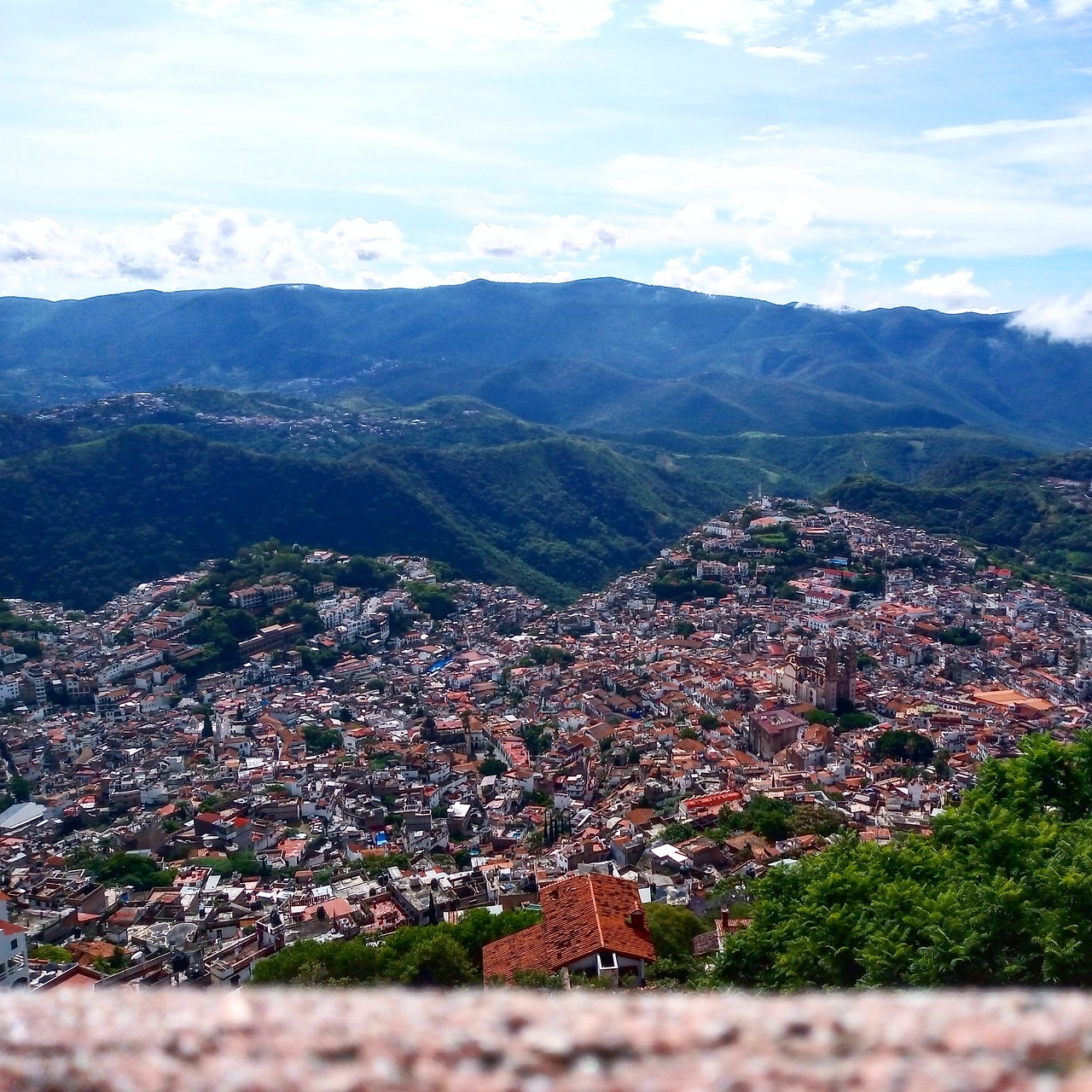
Related Peoples of Mexico and Mesoamerica
- Totonac Builders of El Tajin and the Dance of the Flyers
- Why the Rarámuri of Copper Canyon Never Stopped Running
- How the Wixárika of Mexico Keep Walking to the Birthplace of the Sun
- Nahua, the People Behind Mexico’s Name
- Otomi, the Original Neighbors of the Aztec Capital
- Purépecha, the People Who Kept the Aztec Empire Out of Michoacán
- Mixtec, the Cloud People Who Wrote Their Own History
- Zapotec, a People Older Than the Aztec Empire
- The People Who Never Vanished, the Story of the Maya
- Yaqui Deer Dancers and the Eight Towns of Sonora
- Seri Comcaac Sea Hunters and Ironwood Carvers of the Sonoran Coast
- Mixe Ayuujk Speakers and the Mountain They Never Surrendered
- Huave Fishers of the Isthmus Lagoons and the Language Called Ombeayiuts
- Chontal of Oaxaca and Their Tequistlatecan Tongue Between Mountain and Sea
- Huastec Teenek Music, Embroidery, and the Rivers of the Green Huasteca
You May Like
The Zaza, a Mountain People of Eastern Anatolia


16 thoughts on “Meꞌphaa Speakers of the Guerrero Mountains and a Language That Stands Alone”