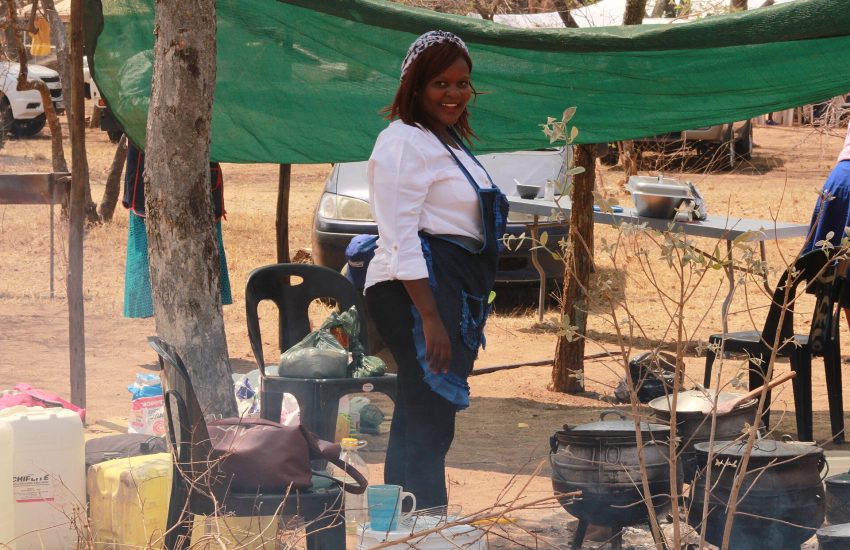
In a remote pocket of the Guatemalan highlands, wrapped in cloud forest and cut off by steep mountains from the rest of the country, lives a small Maya people whose homeland is known simply as a triangle. The Ixil, dwellers in three mountain towns and the hamlets around them, speak a language all their own and weave some of the most striking textiles in the Americas. Theirs is a story of isolation, distinctiveness, terrible suffering, and remarkable endurance.
Set apart from their larger neighbors by language, geography, and custom, the Ixil preserved their traditions through centuries of remoteness, only to face in recent times an ordeal that tested their very survival. This is an account of who they are: their mountain homeland, their independent language, their beliefs and bold weaving, the tragedy that engulfed their towns, and the resilience with which they have rebuilt and carried their heritage forward.
Contents
- A People of the Mountain Triangle
- The Triangle and Its Three Towns
- A Language of Its Own
- Cloud Forest and Steep Country
- Before the Coming of Outsiders
- Town, Kin, and the Bonds of Service
- Mountains, Saints, and the Keepers of Days
- Bold Cloth and the Custom of the Towns
- Skilled Hands in a Remote Land
- Maize and the Food of the Heights
- The Festival Year in the Three Towns
- Conquest, Isolation, and a Time of Violence
- Rebuilding in the Mountains
A People of the Mountain Triangle
The Ixil are a Maya people who inhabit a compact and remote corner of the Guatemalan highlands, a region so distinctive that it is known simply as the Ixil Triangle. Formed by three mountain towns and the many hamlets around them, this territory lies in the rugged northern reaches of the department of Quiché, wrapped in cloud forest and cut off by steep terrain from the rest of the country. Here the Ixil have lived and farmed for many centuries, developing a culture shaped by isolation and altitude.
Set apart from their larger neighbors, the Ixil speak a language of their own and maintain traditions that differ markedly from those of the surrounding K’iche’ and other highland peoples. Their small numbers and their remote homeland have made them one of the more distinct and self-contained of Guatemala’s Maya nations, a people whose identity is bound tightly to three towns and the misty mountains that surround them.
The Ixil emerged as a distinct group during the long centuries of Maya settlement in the highlands, occupying a defensible pocket of country that they have held ever since. Their history has been marked by both the resilience that isolation can foster and the vulnerability that comes with being a small people in a hard land. In recent times that vulnerability was tested by tragedy, yet the Ixil endure, their distinctiveness intact.
The Triangle and Its Three Towns
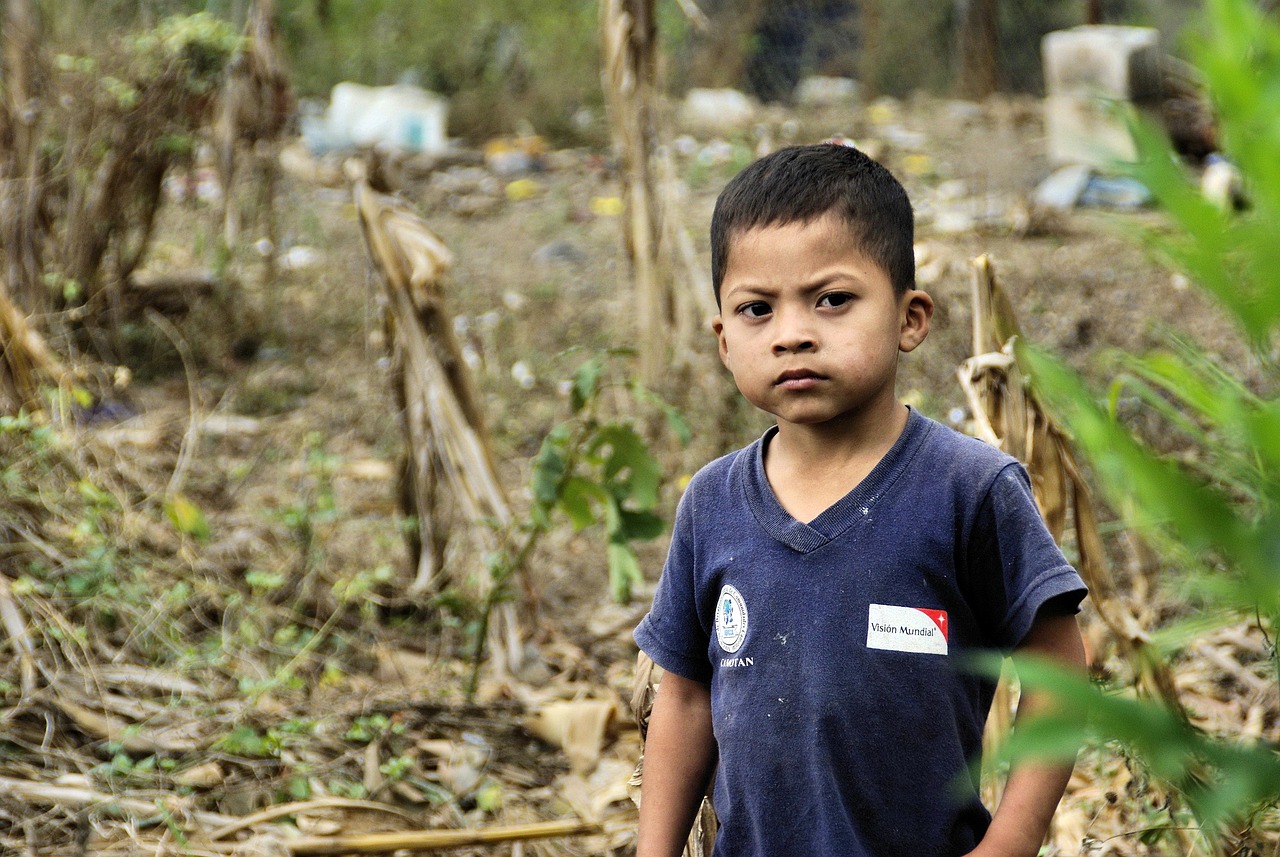
The name Ixil refers both to the people and to their language, following the common Maya pattern in which nation and tongue share a single word. The Ixil homeland is famously described as a triangle, its three points marked by the towns of Nebaj, Chajul, and San Juan Cotzal, each with its own character, its own dress, and its own place in the shared identity of the people. To be Ixil is to belong to this triangle of towns and the country around them.
Each of the three towns has a strong sense of itself, and the differences among them, in dialect, dress, and custom, are a source of local pride even within so small a nation. Yet together they form a single people, bound by a common language and a common attachment to the mountainous land they share. The triangle is not merely a geographic description but a way the Ixil understand their own wholeness.
Because they are few in number and tucked away in a remote region, the Ixil are less widely known than larger Maya peoples such as the K’iche’ or the Mam. Yet their distinctiveness is unmistakable: a separate language, a striking material culture, and a history all their own. Recognizing the Ixil by name is part of appreciating the true variety of the Maya world, in which even small and isolated peoples preserve rich and independent traditions.
A Language of Its Own
The Ixil language belongs to the Mayan family and to the group of highland languages related to Mam, placing it in a different branch from the K’ichean tongues of the peoples to the south. This means that Ixil is not simply a variant of its neighbors’ speech but a distinct language with a long independent history, one that its speakers guard as a central marker of who they are. The isolation of the Ixil Triangle helped this small language survive and remain vigorous.
Spoken by well over a hundred thousand people, Ixil remains a strong first language in the three towns and their surrounding hamlets, where children still learn it at home and use it in daily life. The language varies somewhat among the three towns, each with its own way of speaking, but these differences do not prevent mutual understanding, and together the varieties form a coherent whole that defines the Ixil people.
Like other Maya languages, Ixil has a rich sound system and complex grammar, and it carries an oral tradition of stories, prayers, and knowledge passed down through generations. Efforts to teach the language, to develop its writing, and to use it in local media form part of the wider movement to sustain Guatemala’s Maya tongues. For a small and remote people, the survival of the language is inseparable from the survival of the culture as a whole.
That so small and remote a people should have kept its own language intact says much about the depth of Ixil rootedness in their mountains. Where more accessible communities have seen their tongues erode under the weight of Spanish, the Ixil Triangle’s very isolation acted as a kind of preservative, sheltering the language and allowing it to remain the natural medium of home, field, and ceremony. The language, in turn, has become one of the surest anchors of Ixil identity.

Cloud Forest and Steep Country
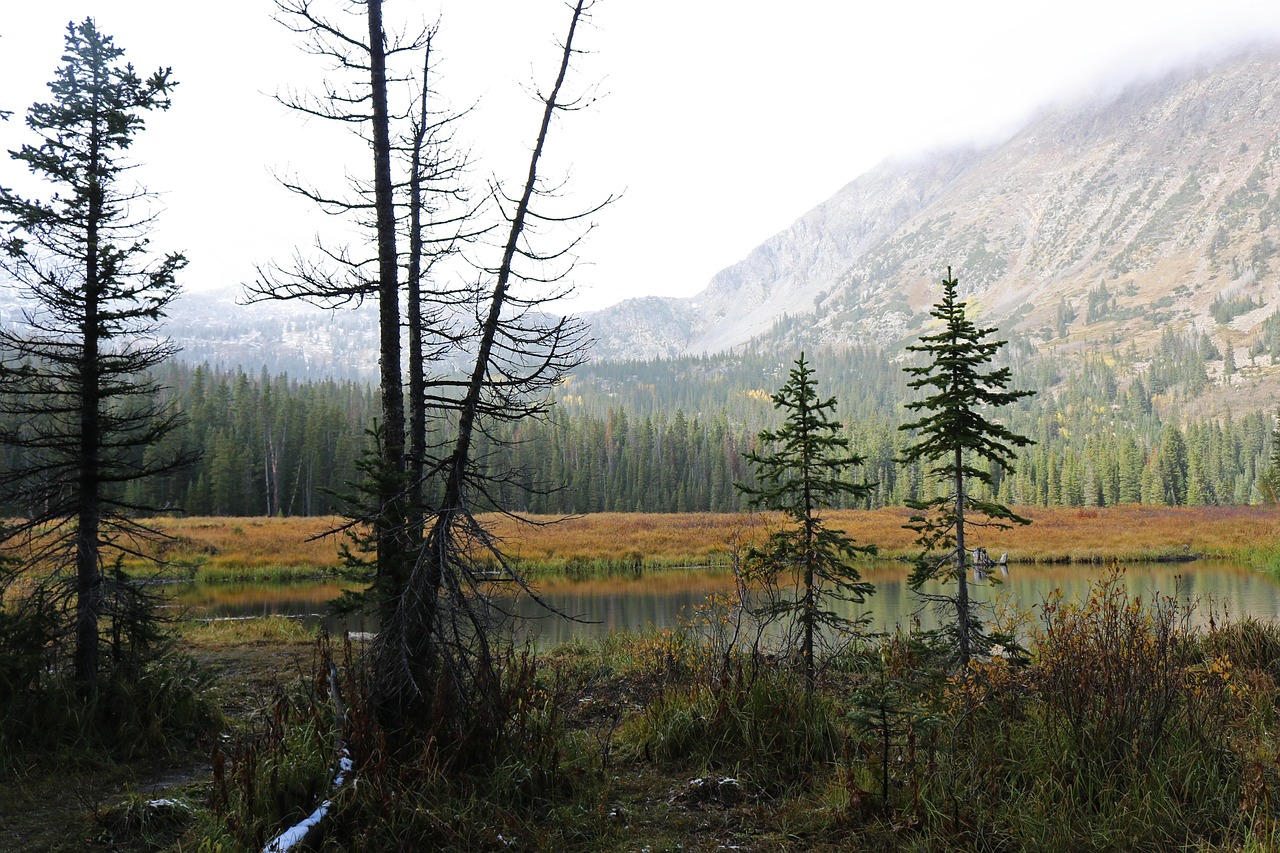
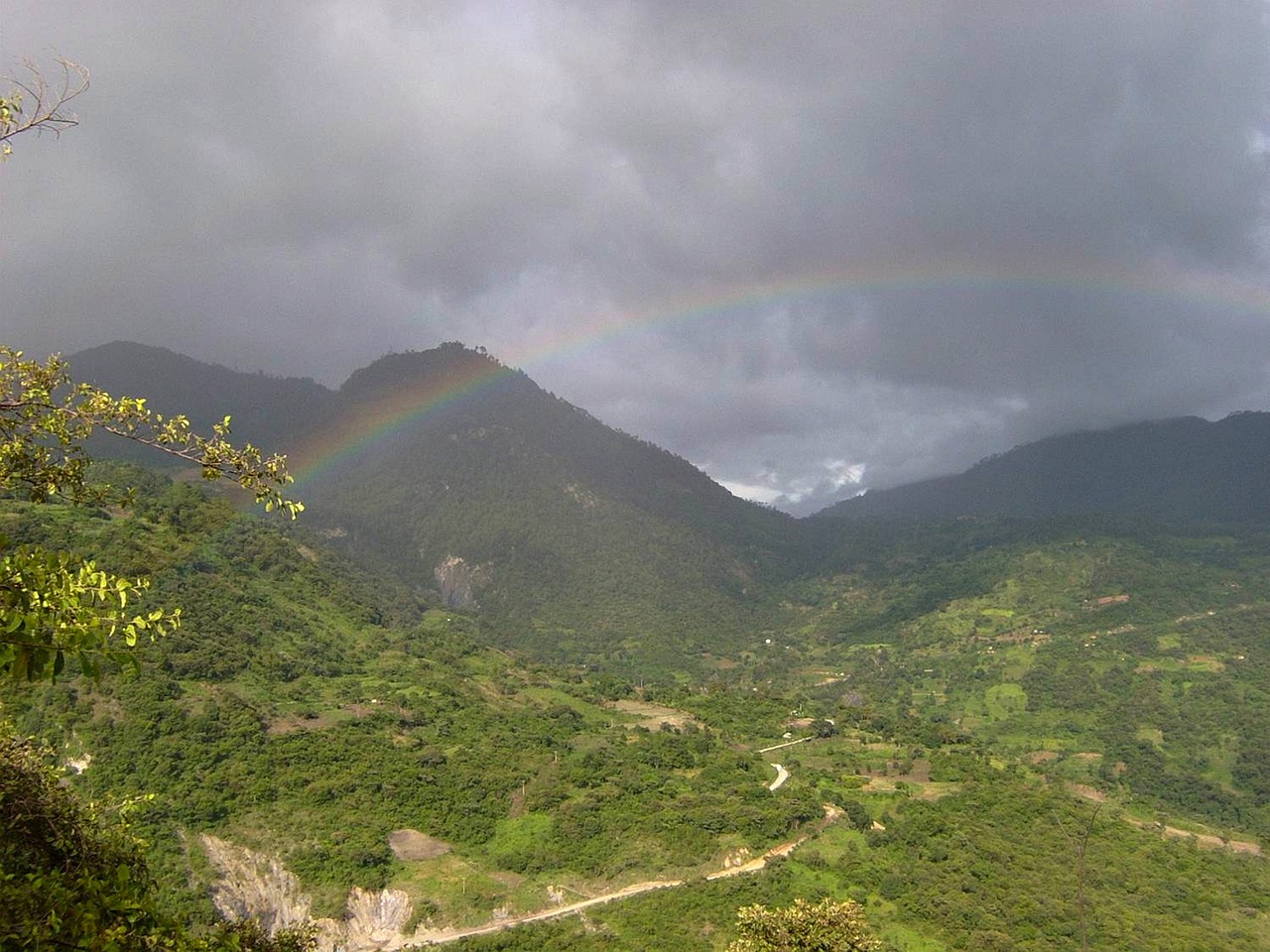
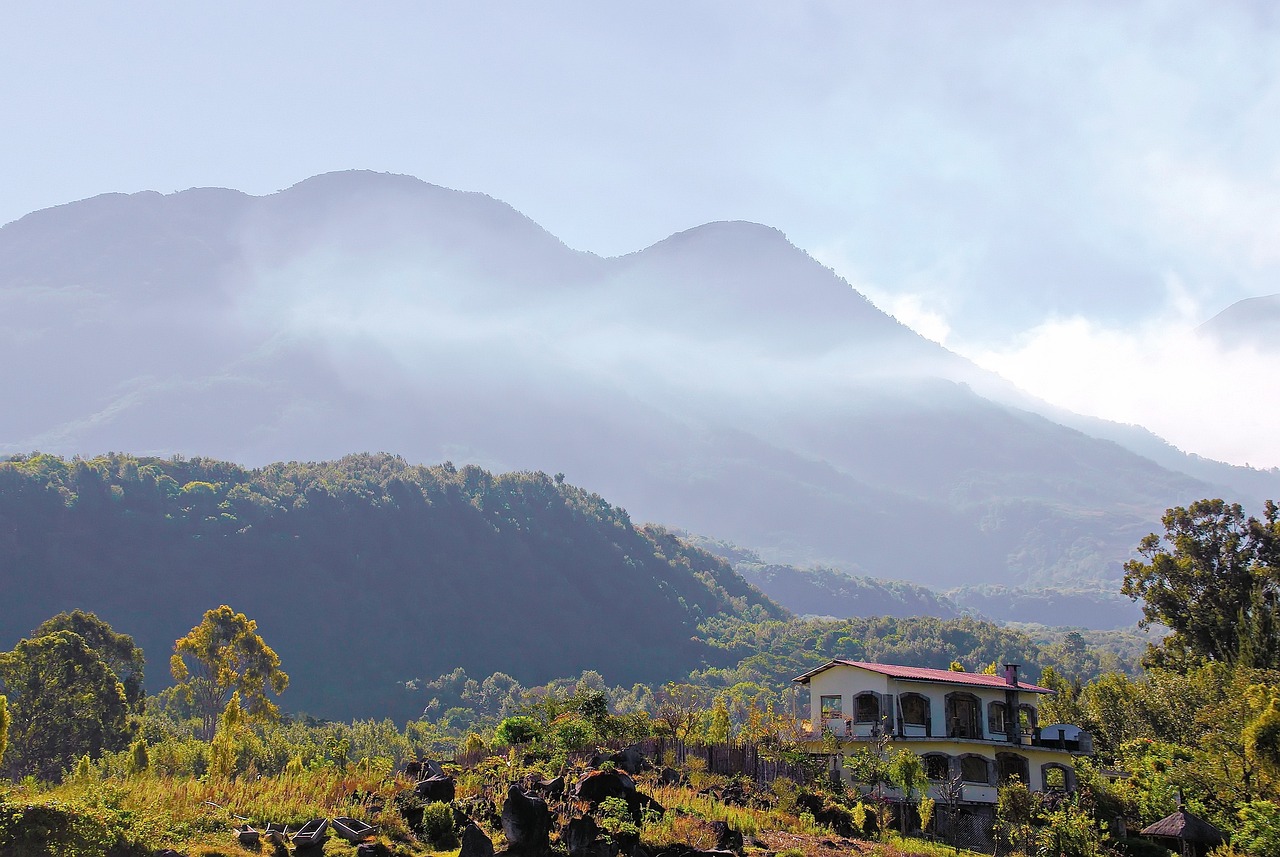
The Ixil homeland lies in the rugged mountains where the great Cuchumatanes range descends toward the northern lowlands, a country of steep slopes, deep valleys, and cloud forest wrapped in mist for much of the year. The three towns sit in high valleys surrounded by peaks, and the terrain is so broken that travel between them and to the outside world has always been difficult. This isolation shaped the Ixil into a self-contained people attuned to a demanding landscape.
The climate is cool and wet, feeding forests and swift streams and supporting an agriculture adapted to altitude. Maize is grown on the slopes, along with beans, squash, and the crops suited to the highland climate, while the surrounding forests provide wood, game, and plants used in medicine and ritual. The mountains themselves are sacred presences in Ixil thought, understood as living powers to be honored with offerings.
The remoteness that defined the Ixil homeland for centuries has been both a shield and a source of hardship. It preserved the language and traditions from the pressures felt in more accessible regions, but it also left the Ixil poor, marginalized, and, in the darkest chapter of their history, dangerously exposed when violence reached even their hidden valleys. The land that sheltered them could not, in the end, protect them from the reach of the state.
To reach the three towns has never been easy, and for much of history the journey meant days of travel over rough mountain tracks. This difficulty of access defined the Ixil experience, fostering a strong local world turned inward upon itself, rich in its own customs and largely left to its own devices. The mist that so often veils the peaks seems fitting for a people who long remained half-hidden from the wider country beyond their valleys.
Before the Coming of Outsiders
Before the Spanish conquest, the Ixil lived in their mountain triangle as a distinct people, organized around their towns and the farming of the steep highland slopes. Their remote position kept them somewhat apart from the great highland kingdoms of the K’iche’ and others, though they were connected to the wider Maya world through trade and shared cultural patterns. Theirs was a society of farmers and local leaders rather than a large centralized state.
Religion, farming, and the sacred calendar structured life as they did throughout the Maya highlands, with offerings to the powers of the mountains and the sky accompanying the agricultural year. Ritual specialists tracked the count of days and guided ceremonies, and the sacred landscape of peaks and caves framed the community’s relationship with the forces believed to govern rain, fertility, and fortune. This inheritance of ritual knowledge would prove remarkably durable.
The isolation of the Ixil Triangle meant that the pre-conquest way of life, once established, changed only slowly. Adapted over generations to the particular demands of the cloud-forest mountains, Ixil society developed a deep-rooted stability, its customs and beliefs woven tightly into the landscape. Much of this ancient foundation would survive the conquest and the colonial centuries, persisting beneath later changes and enduring into modern times in altered but recognizable form.
Town, Kin, and the Bonds of Service
Ixil society is built on the town and the extended family, bound together by kinship, marriage, and mutual obligation. In the three towns and their scattered hamlets, networks of shared labor and reciprocal aid link households, so that neighbors help one another in farming, building, and the sponsorship of festivals. In a poor and isolated region, this dense web of cooperation has been essential to survival.
Leadership traditionally combined civil and religious authority, with respected elders and those who had served the community through cycles of ceremonial and civic duty holding influence. The religious brotherhoods that care for the images of the saints, and the ritual specialists who guide ceremony, form central institutions of Ixil life. To serve the community through these roles earns honor and standing, creating a ladder of duty that orders social life.
The three towns of the triangle each guard their own identity, distinguished by dialect, dress, and custom, yet they are joined by a shared language and a common attachment to the mountain homeland. This balance of local pride and collective belonging gives Ixil society its particular shape. In the aftermath of great suffering, these bonds of kinship, town, and mutual service have been crucial to the work of rebuilding shattered communities and restoring the fabric of daily life.
Mountains, Saints, and the Keepers of Days
Ixil religious life preserves a strong current of older Maya belief woven together with the Catholicism introduced in the colonial period. The mountains that surround the three towns are understood as sacred, living presences, and offerings are made at shrines and caves to seek rain, health, and protection. The sense that the land itself must be honored and reciprocated runs deep in Ixil spirituality, giving it a profoundly place-based character.
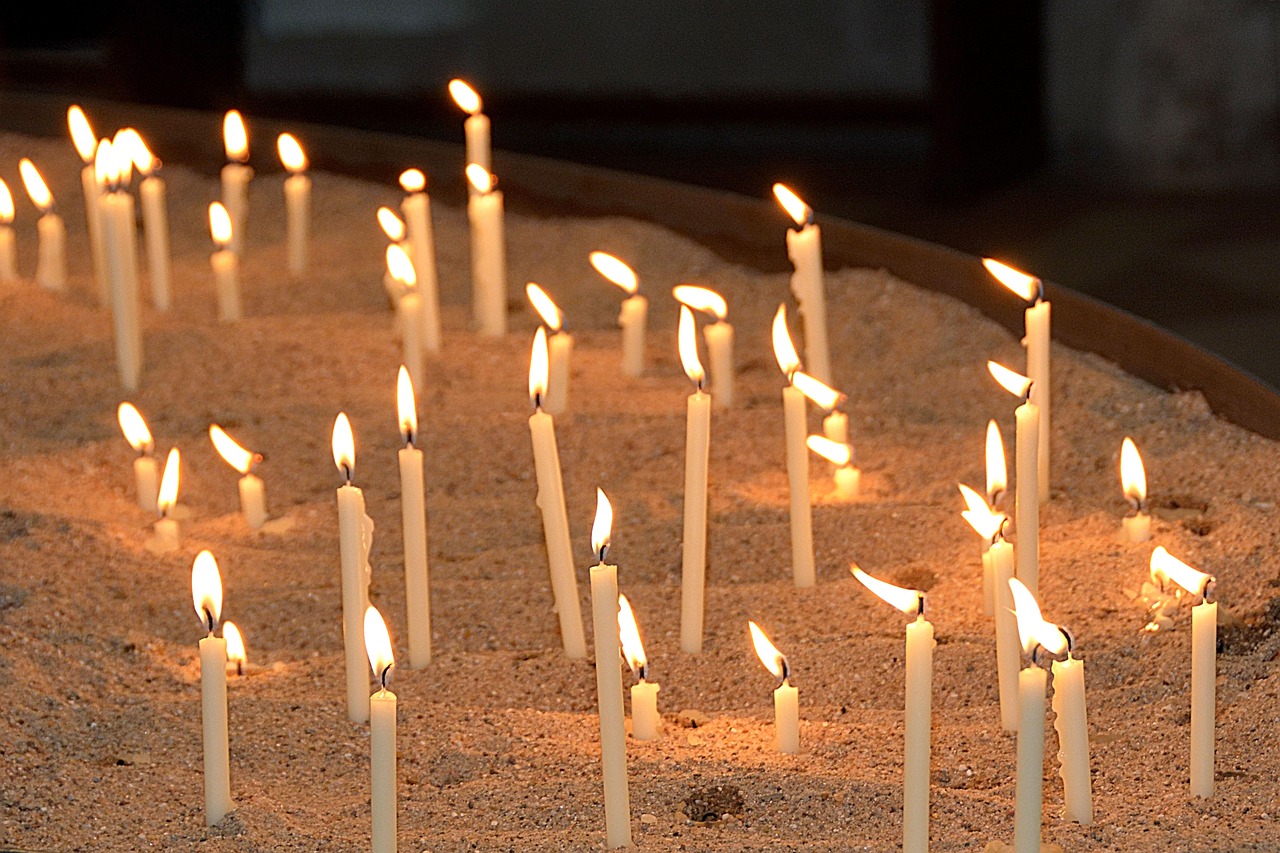
The keepers of the sacred calendar hold a central place in Ixil religious life, tracking the ancient count of days and guiding ceremonies tied to planting, healing, birth, and the resolution of misfortune. Their knowledge connects the present community to the deep Mesoamerican science of time, and their continued practice, alongside the church, testifies to how much of the old worldview has endured in this remote region. Offerings of candles, incense, and prayer mark the turning of the year.
Over this ancient foundation lies the Catholicism grafted on during colonial times, and in the Ixil towns people move between veneration of the saints and reverence for the mountains and ancestors. In recent decades evangelical churches have grown here as elsewhere in Guatemala, and the trauma of the armed conflict has given religious life added weight as a source of consolation and meaning. Yet through these changes, the bond between the Ixil and their sacred landscape endures.

Bold Cloth and the Custom of the Towns
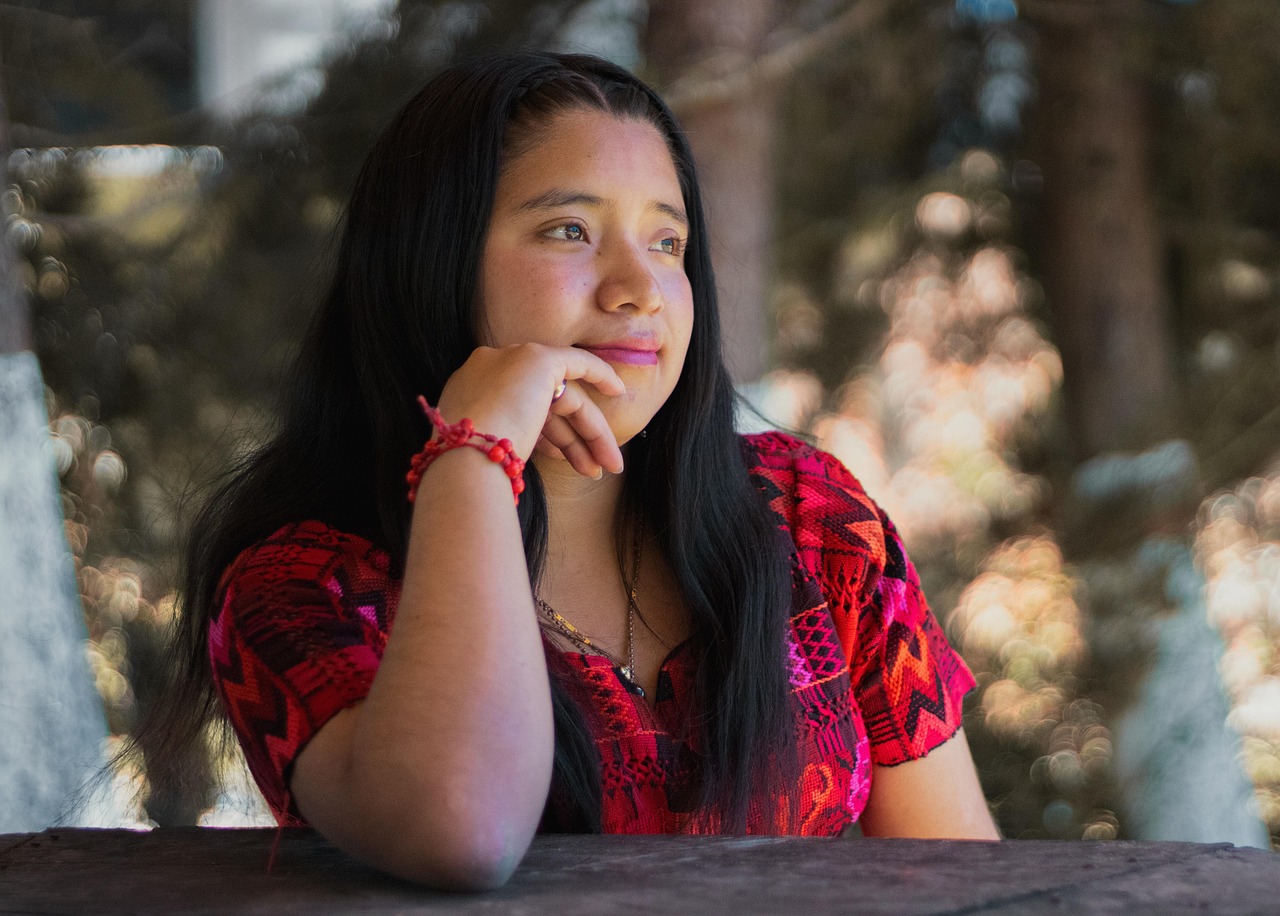
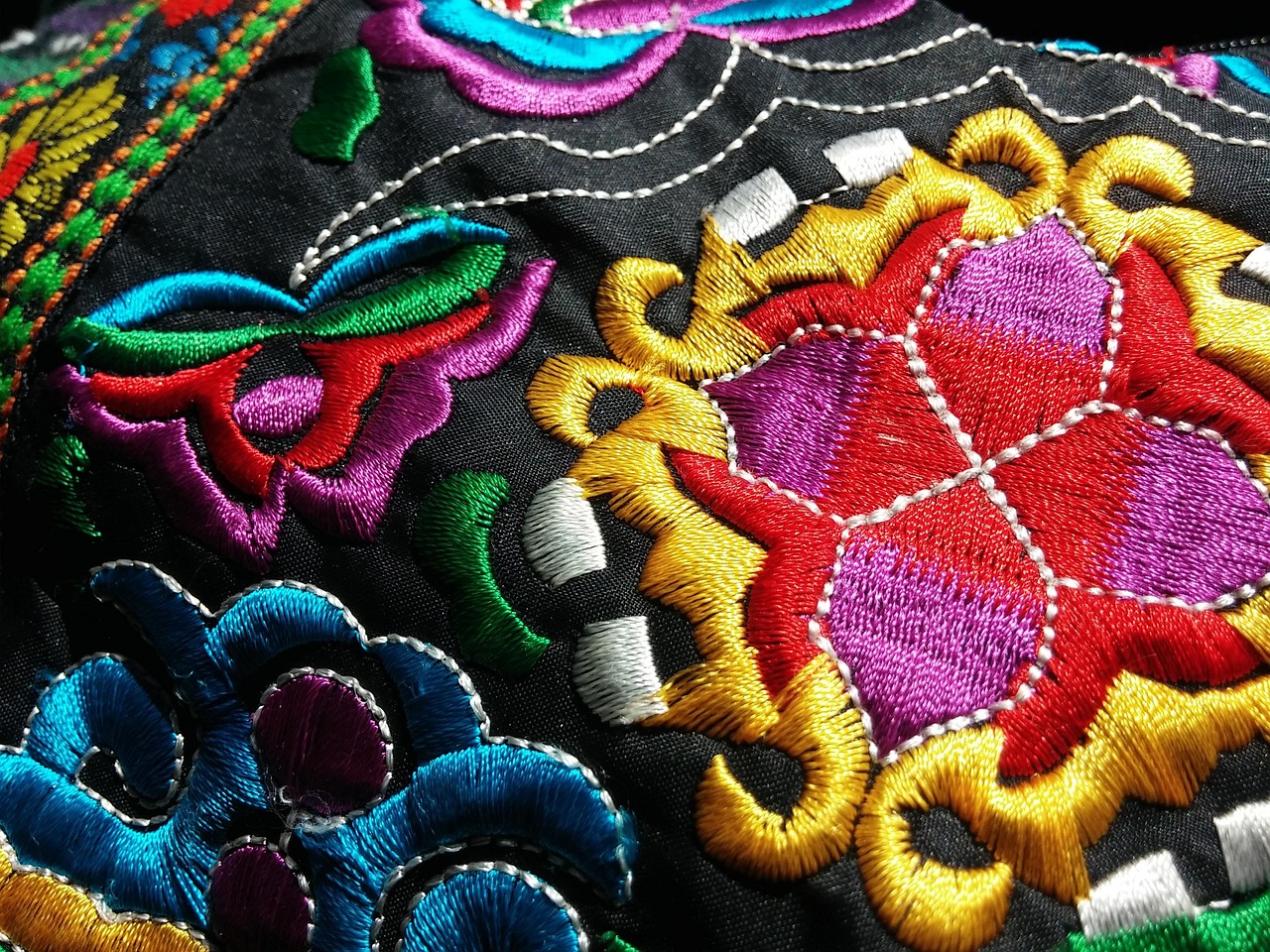
The Ixil are renowned for their handwoven textiles, which rank among the most striking in all of Guatemala. Each of the three towns has its own distinctive dress, with bold geometric patterns, rich colors, and elaborate designs that mark a person’s home community at a glance. Woven on the backstrap loom, these garments carry symbols drawn from nature, cosmology, and local history, and they remain a powerful and visible expression of Ixil identity.
The women’s clothing of the Ixil towns, with its intricately patterned blouses and wrapped skirts, is especially celebrated, and in some communities distinctive headpieces and hair wrappings complete the traditional look. The knowledge of weaving passes from mother to daughter, and a finely made garment represents both weeks of patient labor and a statement of belonging. In a region that suffered greatly, the persistence of this weaving tradition has been an act of cultural survival.
Beyond dress, Ixil custom lives in the ceremonies that mark birth, marriage, and death, in the etiquette of respect and the honoring of elders, and in the music and dance that accompany community celebration. The religious brotherhoods and the keepers of the calendar structure much of ceremonial life. These transmitted customs, carried through even the darkest times, give the Ixil towns their distinctive texture and sustain a shared sense of how to live rightly in the mountains.
Skilled Hands in a Remote Land
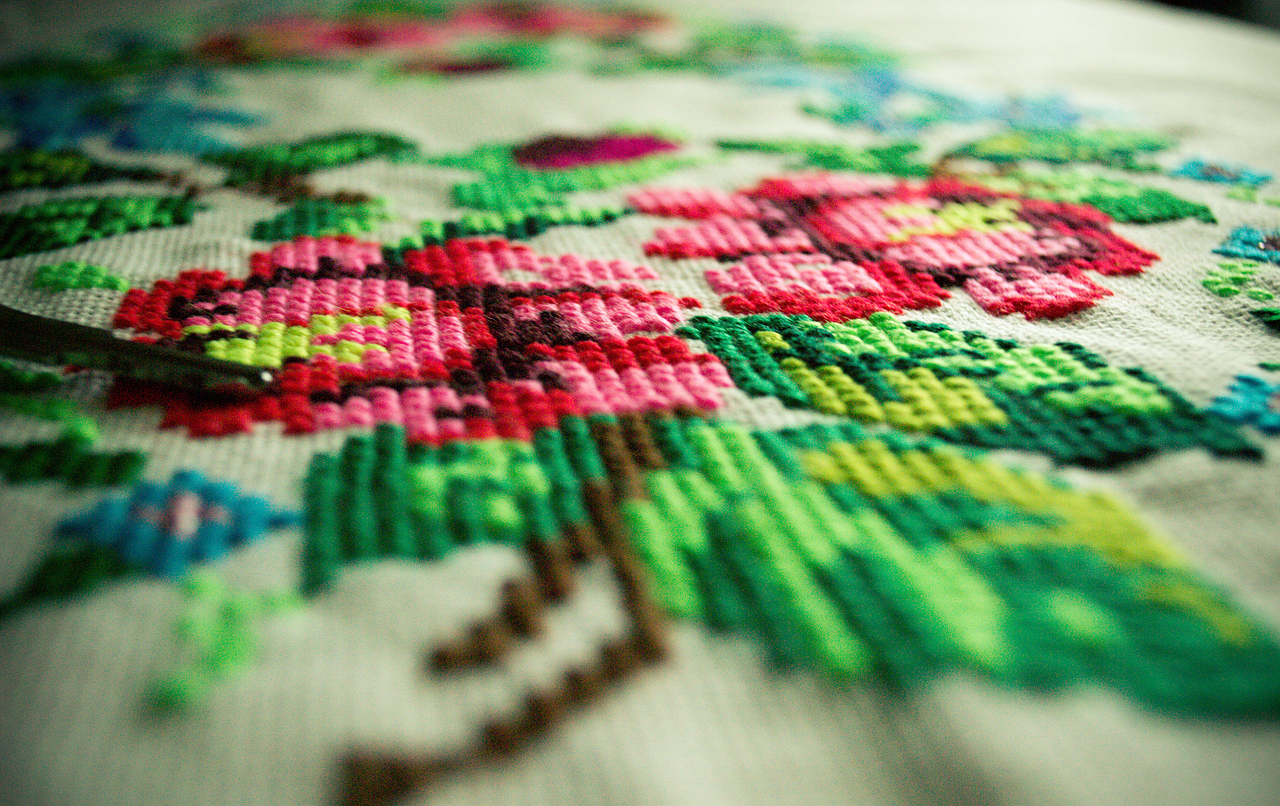
Craft among the Ixil is dominated by weaving, the art for which the three towns are justly famous. Working on the backstrap loom, Ixil women produce textiles of remarkable complexity and beauty, building up bold geometric designs thread by thread in patterns that distinguish each town. This demanding art, transmitted across generations, is at once a practical skill, an artistic tradition, and a marker of identity woven into the very cloth people wear.
The isolation of the Ixil Triangle fostered a largely self-sufficient material culture, in which families produced much of what they needed. Alongside weaving, Ixil artisans work with the materials the mountains provide, making baskets, tools, containers, and the objects used in daily and ceremonial life. These practical crafts, rooted in the resources of the cloud-forest environment, form part of a way of life shaped by remoteness and necessity.
In modern times, weaving has also become a link to the wider world and a source of income in a poor region. Cooperatives, some formed in the difficult years of recovery after the conflict, help Ixil weavers sell their work and secure better prices, and the striking beauty of Ixil textiles has drawn admiration far beyond the mountains. For many families, the loom provides both a livelihood and a means of keeping a threatened tradition alive.
Maize and the Food of the Heights
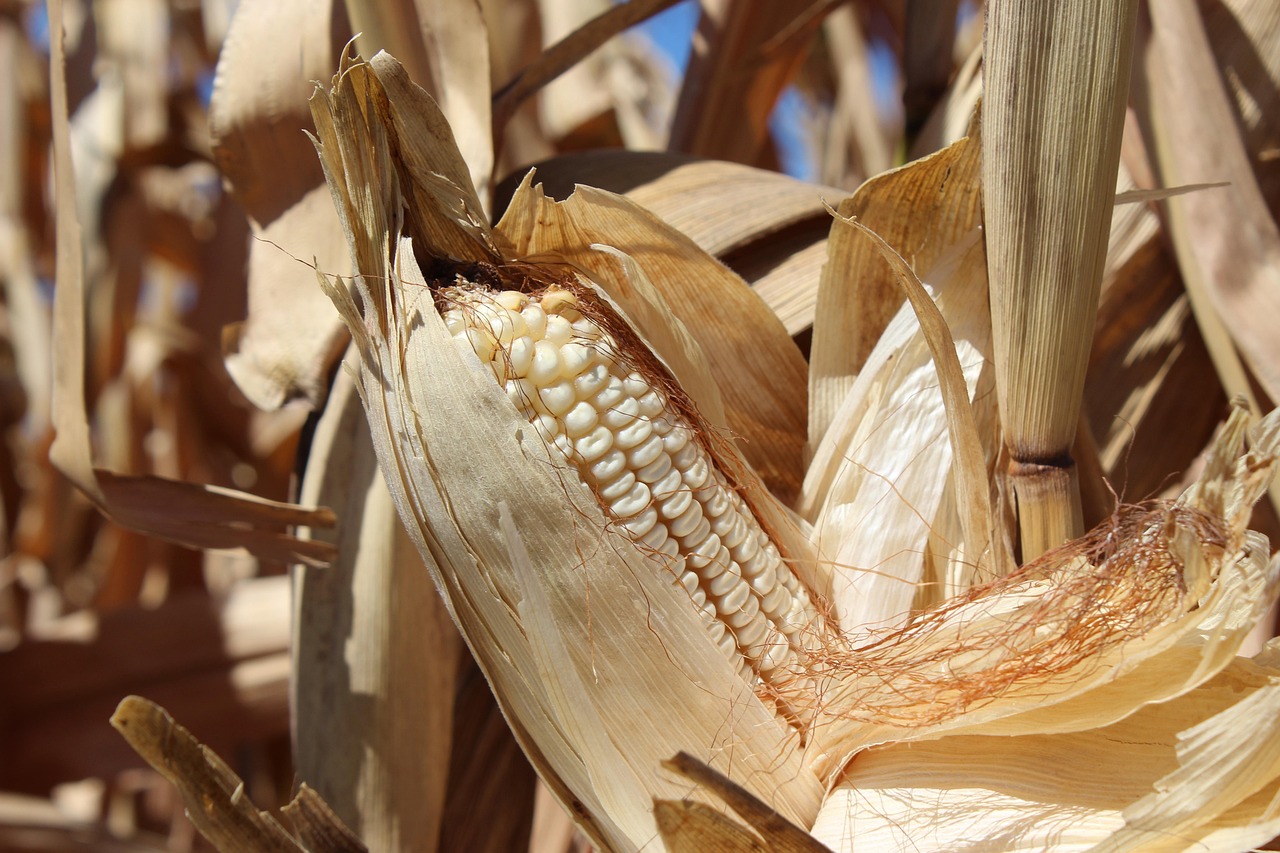
Maize lies at the heart of the Ixil diet, as it does throughout the Maya world, and tortillas and tamales made from lime-treated corn accompany nearly every meal. In the cool, wet mountains of the Ixil Triangle, maize is grown on steep slopes alongside beans, squash, and the vegetables suited to the highland climate, and the agricultural year governs both diet and ceremony. Maize retains its sacred dimension as the substance from which humanity was believed to be made.
The demands of farming at altitude, on difficult terrain and in an isolated region, shape both the diet and the rhythm of life. Meals are simple and nourishing, built around maize and beans and supplemented by highland greens, herbs, and whatever the forest and gardens provide. Warming stews and maize-based drinks offer sustenance in the cool, misty climate, and the labor of preparing food is often shared among the women of an extended family.
As throughout the region, food carries meaning beyond nourishment. Special dishes mark weddings, funerals, and religious festivals, and offerings of food to the saints, to the ancestors, and to the sacred powers of the mountains express respect and reciprocity. The sharing of maize retains the deep resonance it holds across the Maya world, and in communities that endured famine and displacement, the security of the harvest carries a weight that is felt keenly.
The Festival Year in the Three Towns
The Ixil festival calendar weaves together Catholic feast days with older cycles of observance, and each of the three towns honors its patron saint with an annual celebration filled with music, dance, processions, and shared meals. These fiestas are among the high points of the year, drawing home those who have moved away and renewing the bonds that hold the mountain communities together after years of hardship and dispersal.
Religious brotherhoods and the keepers of the sacred calendar organize much of this ceremonial life, taking on the honor and the burden of caring for the images of the saints and guiding the observances of the year. Processions carry sacred images through the towns, and offerings of flowers, candles, and incense accompany the celebrations, blending Catholic devotion with older gestures of respect toward the mountains and ancestors.
Masked dances that recall the conquest or older mythic themes add drama to the festivities, and the marimba and other music fill the air during celebrations. Through this round of fiestas, the Ixil keep time by both the Christian calendar and the ancient reckoning of days. In communities working to heal from great trauma, these festivals carry an added significance as affirmations of continuity, identity, and the endurance of a people who refused to disappear.

Conquest, Isolation, and a Time of Violence
The Ixil came under Spanish control in the wake of the conquest of the highlands, and colonial rule brought epidemics, tribute, forced labor, and the reorganization of communities under the Church. Yet the remoteness of the Ixil Triangle limited the depth of colonial penetration, and the isolation that made the region poor also helped preserve its language and traditions through the long colonial centuries and beyond. For generations the Ixil lived apart, largely overlooked by the wider country.
That isolation ended tragically in the late twentieth century, when Guatemala’s long armed conflict reached its most brutal phase in the highlands. The Ixil Triangle became one of the areas hardest hit, and its communities suffered massacres, the destruction of villages, mass displacement, and terrible loss during the years of greatest violence. Whole hamlets were devastated, and many Ixil fled into the mountains or into exile, enduring years of fear and hardship.
The scale of the suffering was such that it later became the subject of national and international reckoning, as survivors sought acknowledgment of what had happened to their people. The memory of these years remains present in the Ixil towns, marked in the mourning of the dead and the long work of recovery. That the Ixil have rebuilt their communities, restored their festivals, and kept their language and weaving alive is a testament to extraordinary resilience in the face of catastrophe.
The reckoning with these events has been slow and painful, unfolding over decades as survivors gave testimony and sought to have the truth of what befell their communities recognized. For the Ixil, remembering is not merely a matter of the past but a part of rebuilding, a way of honoring the dead and reclaiming a history that violence tried to erase. The quiet dignity with which Ixil communities have carried this memory is itself a form of survival.
Rebuilding in the Mountains
Today the Ixil number well over a hundred thousand and remain concentrated in their three towns and the surrounding hamlets, though many have also migrated to Guatemala City and abroad, especially to the United States, in search of work and opportunity. The scars of the conflict remain, but the Ixil communities have devoted enormous energy to rebuilding, restoring shattered villages, reviving traditions, and reconstructing the fabric of daily life in the mountain triangle.
Recovery has gone hand in hand with a determined assertion of identity and rights. Ixil communities have sought acknowledgment and justice for the wrongs of the past, and Ixil voices have been prominent in wider movements for Indigenous recognition, land, and the preservation of language and culture. Weaving cooperatives, bilingual education efforts, and cultural organizations all contribute to the work of sustaining Ixil identity into the future.
The challenges are formidable, from poverty and the pressures of migration to the difficulty of preserving a small language and healing from historical trauma. Yet the Ixil show remarkable vitality: their language endures in the three towns, their famous textiles continue to be woven, their festivals and ceremonies have been restored, and a strong sense of Ixil identity persists. A small people who survived an attempt to destroy them, the Ixil carry their distinctive mountain heritage forward with quiet strength.
There is something quietly remarkable in the ordinariness the Ixil have reclaimed: markets held again in the three towns, children learning the language at home, weavers bent over their looms, and festivals filling the streets once more. After an ordeal that sought to unmake them as a people, this return to everyday life is itself a victory, a demonstration that a small nation of the mountains can absorb even catastrophe and remain, unmistakably, itself.
Related Peoples of the Region
- Meꞌphaa Speakers of the Guerrero Mountains and a Language That Stands Alone
- Garifuna Drummers and Cassava Bakers of the Central American Caribbean Coast
- Lenca Potters and River Defenders of the Honduran and Salvadoran Highlands
- K’icheʼ Maya, Guatemala’s Highland Nation of Maize and Memory
- Q’eqchiʼ Maya, a Rainforest People of Guatemala’s Land of True Peace
- Kaqchikel Maya, Guatemala’s Highland Rivals Who Reclaimed Their Freedom
- Mam Maya, a Mountain People of Guatemala’s Highest Frontier
- Tz’utujil Maya, a Lakeside People of Atitlán and Its Volcanoes
You May Like
The Damara, an Ancient People of Namibia