Along the wide brown loops of the Ucayali River in the Peruvian Amazon lives a people whose art has traveled far beyond the rainforest that shaped it. The Shipibo-Konibo are known across the world for the flowing geometric designs they paint, embroider, and carve, patterns that seem to ripple like water and that carry a meaning far deeper than decoration. Yet behind that famous art is a living society of fishers, farmers, healers, and river travelers who have adapted again and again without losing their center.
This is a look at who the Shipibo-Konibo are: where they came from, how their language and beliefs took shape, how they feed and organize themselves, and how they navigate a present pulled between the forest and the growing towns at its edge. It follows a people who turned the visual rhythm of their world into an identity recognized far from the riverbanks they call home.
The pages that follow trace that balance in detail, moving from the deep past of the floodplain to the pressures and possibilities of the present, and showing how a single river people made its mark on the imagination of the wider world.
Contents
- A River People Born From the Amazon Floodplain
- The Names Shipibo, Konibo, and Xetebo
- A Panoan Language Carried on the Water
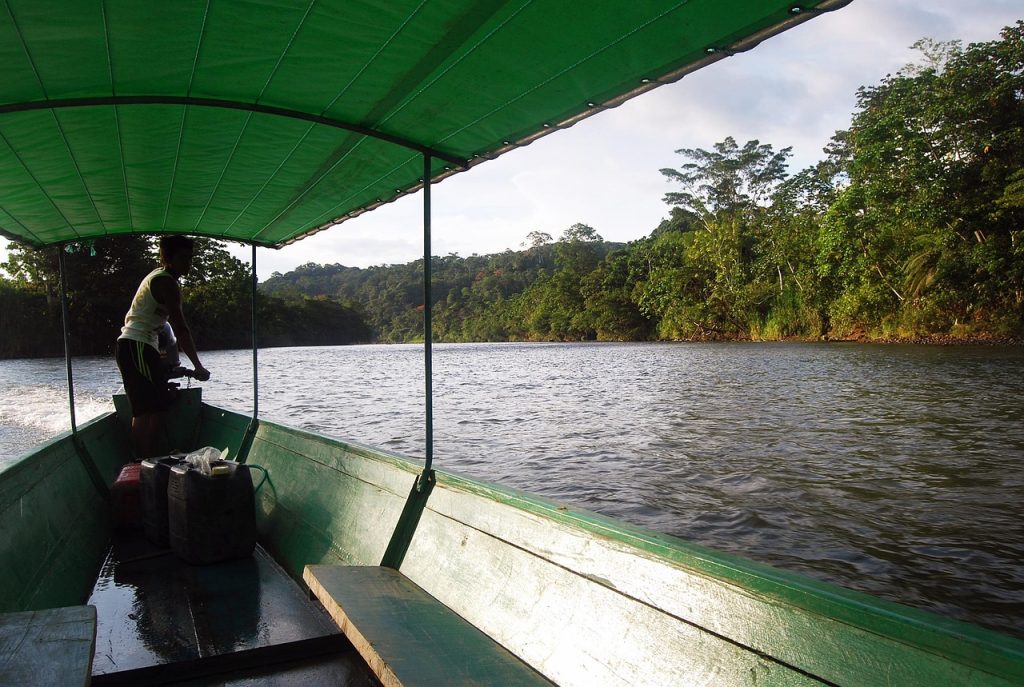
- Life Along the Ucayali and Its Tributaries
- Fishing, Farming, and the Rhythm of the Flood
- Communities Held Together by Kin and Cooperation
- Healing, Visions, and the World of Spirits
- The Meaning Woven Into Kené Designs
- Pottery, Cloth, and the Art That Names a People
- Food From the River and the Garden
- Gatherings, Music, and Rites of Passage
- From Missions and Rubber to Recognition
- The Shipibo-Konibo in a Changing Amazon
A River People Born From the Amazon Floodplain
The Shipibo-Konibo belong to the great mosaic of peoples who have lived in the western Amazon for thousands of years. Their ancestors settled the floodplains of the Ucayali, a major tributary that feeds the Amazon itself, where the yearly rise and fall of the water dictated where people could plant, fish, and build. Long before European maps named the region, these communities had worked out a way of living in tune with a river that gives and takes in equal measure.
Archaeology in the region reveals a long tradition of pottery and settled riverside life, hinting at societies that were far from simple wanderers. The Shipibo-Konibo emerged from centuries of interaction, alliance, and rivalry among related groups who shared the same waters. Their identity formed not in isolation but through the constant contact that a busy river corridor makes inevitable.
To understand them is to start with the floodplain itself. The fertile silt left by receding waters, the oxbow lakes rich with fish, and the forest crowding the banks all set the terms of life. Everything from the timing of planting to the design of a house answers to the river, and the people who mastered that rhythm became the Shipibo-Konibo of today.
The river also seeded a strong sense of continuity. Families returned to the same stretches of water generation after generation, and the knowledge of channels, fishing grounds, and garden banks passed down as a kind of inheritance. That accumulated familiarity with one river is part of what made the Shipibo-Konibo who they are.
The floodplain rewarded patience and observation. Those who could read the water—its color, its speed, the signs of a coming rise—ate well and stayed safe, and this practical wisdom became a shared cultural asset as much as any tool or technique.
The Names Shipibo, Konibo, and Xetebo
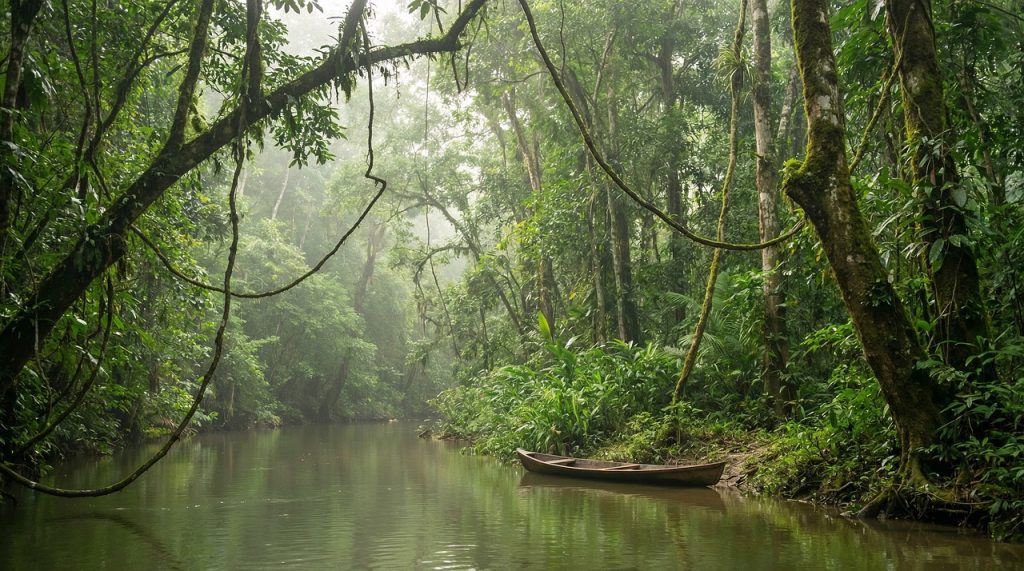
The name most outsiders use, Shipibo-Konibo, actually joins together groups that were once distinct. The Shipibo, the Konibo, and the smaller Xetebo lived along neighboring stretches of the same river system and gradually merged through intermarriage and shared life into a single people recognized today under the combined name. The hyphen records a history of coming together rather than a single origin.
Each older name carried its own associations, sometimes drawn from animals or features that neighbors used to distinguish the groups. Over time the distinctions softened, and a common identity took hold, reinforced by a shared language and a shared artistic tradition that made the differences matter less than what united them.
Today most people simply identify as Shipibo, or Shipibo-Konibo in more formal settings, and the name has become a proud banner recognized well beyond Peru. It stands for a specific culture of the Ucayali, one whose art and healing traditions have given it a visibility that far outweighs its numbers.
The merging of these groups is a reminder that Amazonian identities were never fixed. Peoples formed, split, and rejoined along the rivers, and the Shipibo-Konibo represent one durable outcome of that fluid history, a single people assembled from several older threads.
In practice the compound name has also become useful politically, presenting a united front in dealings with the state and outside groups. A shared label makes a stronger claim than several smaller ones ever could.
A Panoan Language Carried on the Water
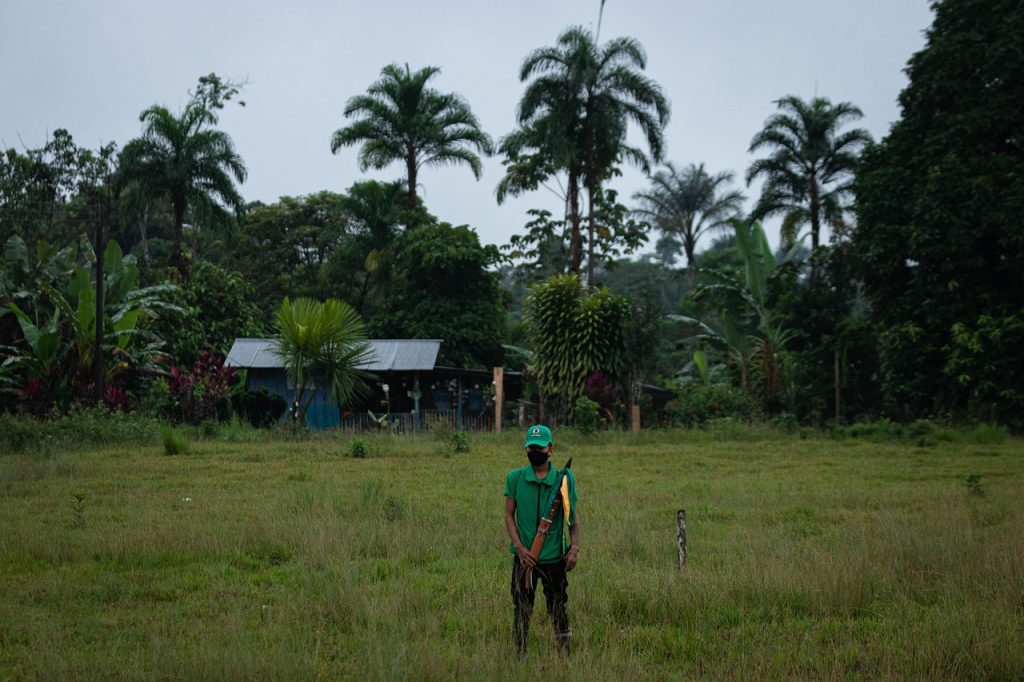
The Shipibo-Konibo speak a language belonging to the Panoan family, a grouping of tongues spread across the western Amazon in Peru, Brazil, and Bolivia. It is unrelated to the Andean languages of the highlands and stands apart from Spanish in sound and structure. For linguists it is one of the better documented Panoan languages, and for the community it remains a daily, living tongue.
The language is notable for how thoroughly it still functions in everyday life. Children commonly learn it first, and it is spoken in homes, canoes, and community meetings across dozens of riverside villages. This vitality contrasts with the fragile state of many Amazonian languages and reflects the strength of Shipibo-Konibo community life.
Spanish has entered the picture through schooling, trade, and migration to towns, producing a widespread bilingualism. Rather than replacing the mother tongue, Spanish tends to sit beside it, used for dealings with the outside world while the home language holds its ground. Bilingual schooling has helped anchor the language in a written form as well as a spoken one.
Efforts to write and teach the language have grown alongside spoken use, with primers, dictionaries, and trained bilingual teachers helping it move into the classroom. For a community whose art is often described as a visual language, keeping the spoken tongue strong carries an added weight.
The persistence of the language is closely tied to the persistence of the art and healing traditions, since the songs, the names of designs, and the vocabulary of the forest all live within it. To lose the language would be to lose the words that hold much of the culture together.
Life Along the Ucayali and Its Tributaries
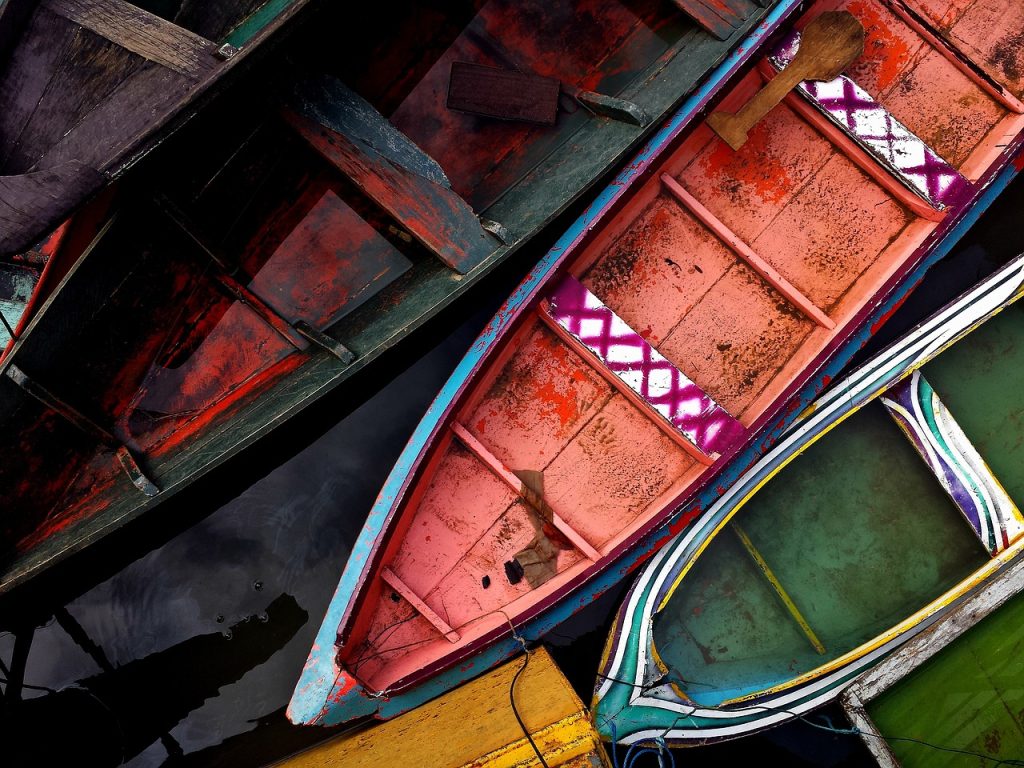
The heart of Shipibo-Konibo territory is the middle Ucayali and its network of tributaries and lakes in the Peruvian region of Ucayali, with the town of Pucallpa serving as a major hub. Villages line the riverbanks, positioned to take advantage of fishing grounds, garden soils, and the ever-present highway of the water itself. The river is street, market, and larder all at once.
Because the Ucayali shifts its course over time, carving new channels and abandoning old ones, communities have always had to be ready to adapt. A village prized for its access to fish and fertile soil may find the river slowly moving away, forcing gradual relocation. This impermanence is built into the way people think about place.
Beyond the core territory, Shipibo-Konibo families have spread to cities such as Pucallpa and Lima, where urban neighborhoods and craft markets have become new extensions of the homeland. The result is a people rooted in the river yet increasingly present in Peru’s towns, carrying their identity into very different surroundings.
This readiness to move with the river shapes attitudes toward home. Belonging is tied less to a fixed spot on the map than to the wider stretch of water and forest a community knows intimately, a homeland measured in familiarity rather than fences.
Pucallpa in particular has become a meeting point of river and road, a place where Shipibo-Konibo life brushes up against trucks, markets, and migrants from across Peru. It stands as a symbol of how thoroughly the old river world now overlaps with the modern one.
Fishing, Farming, and the Rhythm of the Flood
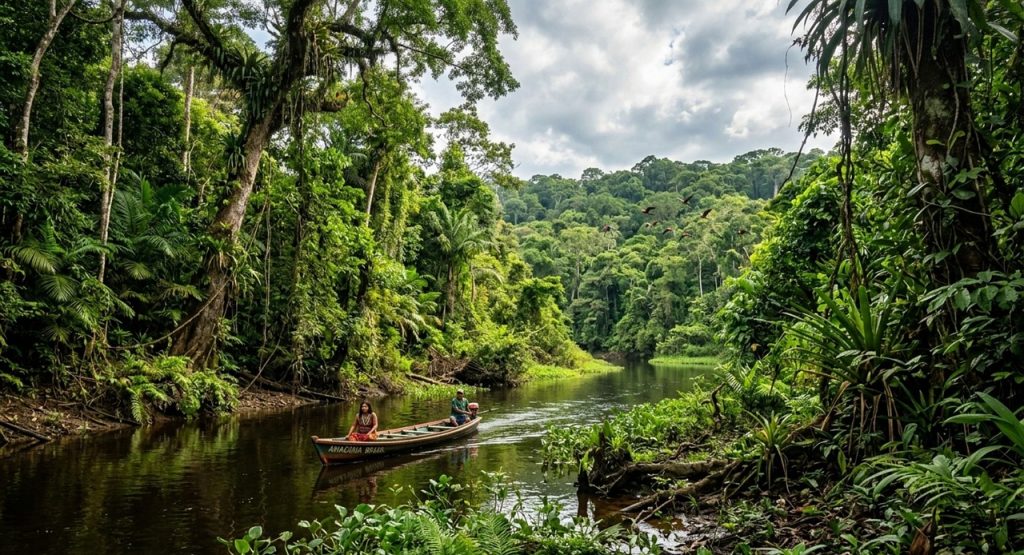
Traditional Shipibo-Konibo life is organized around the pulse of the flood. When waters are high, fishing dominates, with nets, hooks, and traps drawing on the abundance of the swollen river and its lakes. When the waters fall, the exposed banks and beaches become gardens, planted quickly to make use of the fertile silt before the next rise.
Farming follows the classic Amazonian pattern of small, shifting plots. Plantains, manioc, maize, and a range of fruits grow in clearings that are used for a few seasons and then left to regrow. This method keeps the fragile soils productive and spreads risk across many small patches rather than a single large field.
Hunting in the surrounding forest and gathering of fruits, fibers, and medicinal plants complete the picture. Together these activities form a flexible economy that can lean on whichever resource is most abundant in a given season. It is a way of making a living that treats the whole floodplain, water and land alike, as a single interconnected larder.
The flexibility of this economy has helped the Shipibo-Konibo weather change. When one resource fails or a market shifts, families can lean harder on another, drawing on a broad base that the floodplain provides. That adaptability is a quiet strength behind their long survival.
Seasonal movement between fishing and farming also keeps knowledge alive across generations, as children learn by joining adults in each activity at its proper time. The calendar of the flood is, in effect, a school that repeats every year.
Communities Held Together by Kin and Cooperation
Shipibo-Konibo communities are built from extended families whose members cooperate closely in the daily work of fishing, farming, and raising children. Kinship ties define who helps whom, who shares food, and who can be called on in hardship. These bonds, more than any formal office, are the true structure of village life.
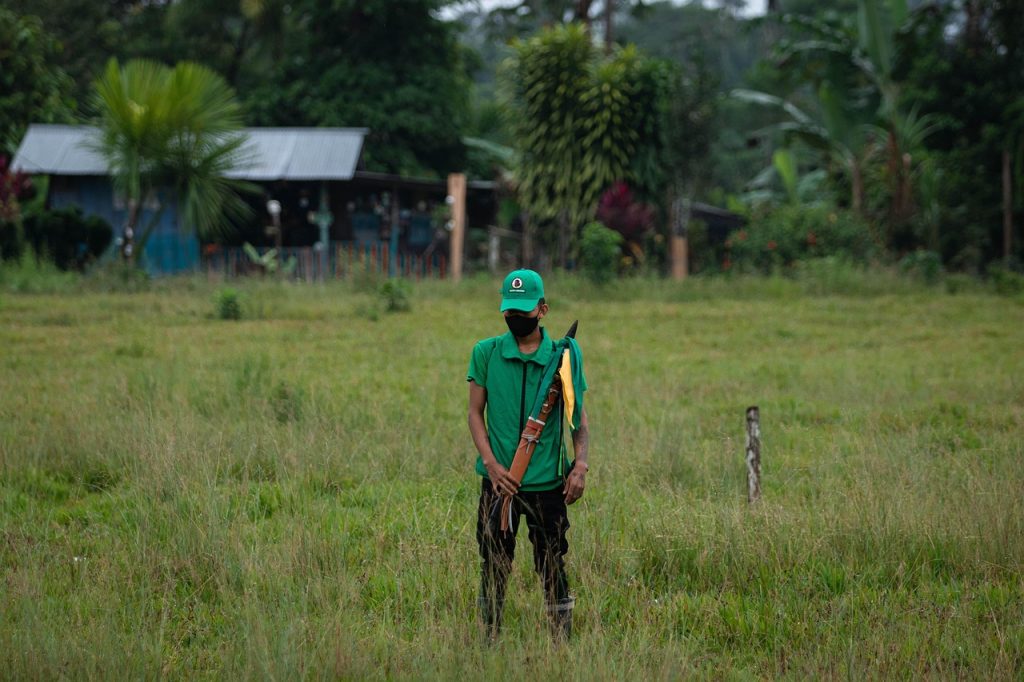
Historically, leadership was fluid and based on respect, skill, and the ability to bring people together rather than on inherited rank. Today elected community leaders and federations sit alongside these older patterns, representing villages in dealings with the state, companies, and outside organizations. The blend gives communities both continuity and a voice in wider affairs.
Women occupy a central and visible role, above all as the keepers of the artistic tradition that defines the culture. As the principal makers of pottery, textiles, and painted designs, they carry a body of knowledge that is both economic and deeply symbolic, giving them standing that reaches well beyond the household.
These cooperative bonds also cushion the shocks of the modern economy. When wage work or crafts sales prove unreliable, the web of kinship still guarantees that food and help circulate, keeping households afloat in ways that money alone cannot.
The rise of federations has given communities a way to speak with one voice on issues that cross village lines, from land titling to environmental threats. This layer of organization has become essential in an era when the pressures they face rarely stop at a single riverbank.
Healing, Visions, and the World of Spirits
The Shipibo-Konibo are renowned for a spiritual tradition centered on healing and the perception of unseen forces. Illness and misfortune are understood as involving spirits and imbalances that a trained healer must address. This worldview treats the visible and invisible aspects of life as parts of one reality that specialists learn to navigate.
Central to this practice is the ritual use of ayahuasca, a plant preparation taken under the guidance of experienced healers in ceremonies meant to reveal the causes of illness. During these sessions, healers sing icaros, medicine songs whose melodies are said to correspond to the very designs the people paint and weave. Sound, vision, and pattern are understood as facets of the same power.
This tradition has drawn intense outside interest, bringing both opportunity and risk. Visitors seeking healing or experience have created new income and new pressures, sometimes distorting practices that were meant to serve the community. Amid this attention, many Shipibo-Konibo work to keep the deeper meaning of their healing knowledge intact.
For the community itself, this healing tradition is not a curiosity but a serious body of knowledge tied to well-being and to the moral order of village life. Protecting it from distortion has become part of a broader effort to keep cultural heritage in Shipibo-Konibo hands.
The medicine songs deserve special note, for they bind together the community’s deepest arts. A healer’s icaro, a painted design, and a woven cloth are all treated as expressions of a single underlying order, so that to sing, to paint, and to heal are understood as related acts.

The Meaning Woven Into Kené Designs
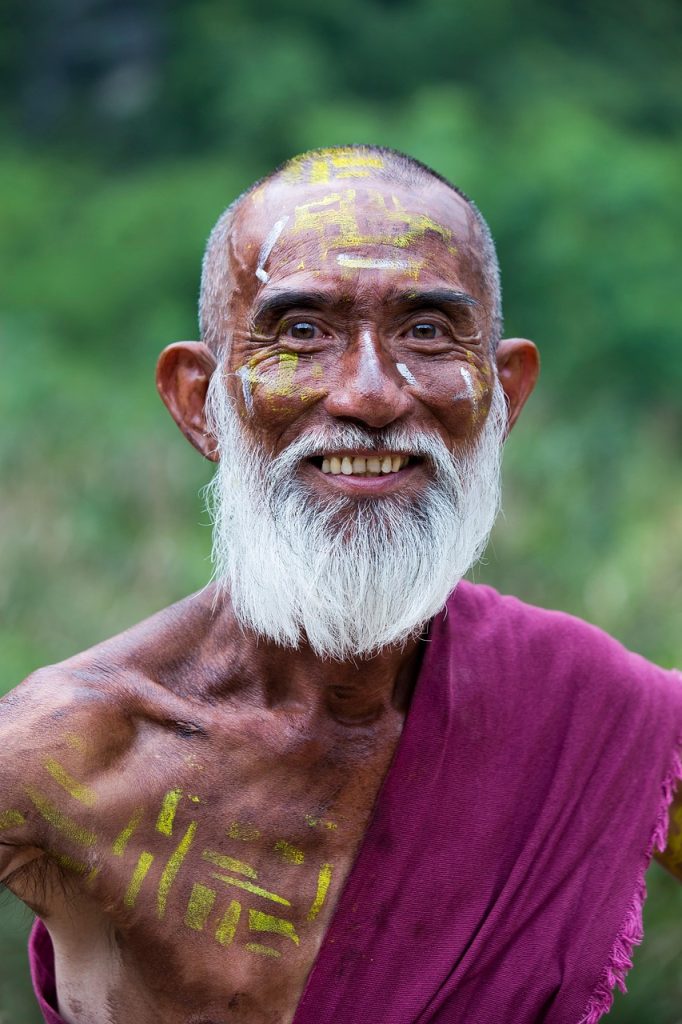
The signature of Shipibo-Konibo culture is kené, the system of flowing geometric designs that appear on pottery, cloth, beadwork, and even skin. Made up of interlocking lines, spirals, and grids, these patterns are far more than ornament; they are widely understood as a visual language, a way of making visible the order and energy that healers perceive in their visions.
The designs are traditionally created by women, who carry the patterns in memory and render them freehand with remarkable precision. A skilled artist does not copy a template but draws from an internalized sense of how the lines should flow and balance. The result is work that is at once highly disciplined and endlessly varied.
Kené links the everyday and the sacred. The same visual rhythm that decorates a bowl or a cloth is tied to song and healing, so that art, medicine, and identity fold into one another. To learn kené is to absorb a way of seeing, which is why the tradition sits so close to the heart of what it means to be Shipibo-Konibo.
Because the designs are learned by absorption rather than instruction alone, passing kené to the next generation is also a way of passing on identity itself. A young artist who masters the patterns inherits not just a skill but a place within a long line of makers.
Seen up close, no two renderings of kené are ever quite the same, and skilled viewers can recognize the hand of a particular artist much as one might recognize handwriting. This blend of shared system and personal signature is part of what keeps the tradition alive and evolving.

Pottery, Cloth, and the Art That Names a People
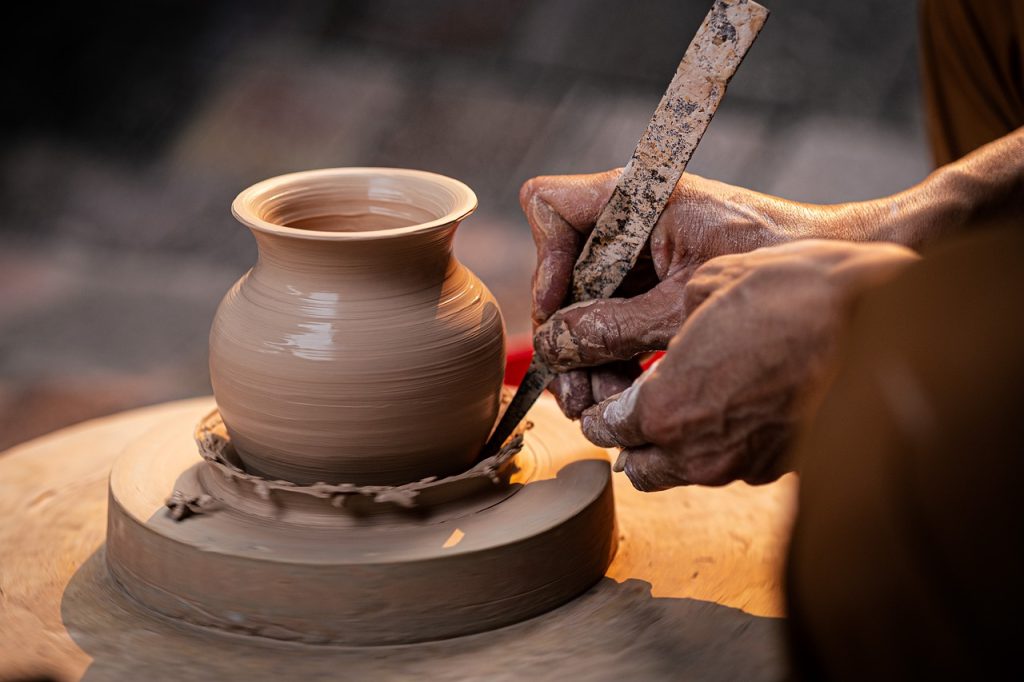
Pottery has long been a hallmark craft, with vessels shaped by hand and covered in the fine painted lines of kené. Large storage jars and delicate bowls alike become canvases for the geometric designs, turning a practical object into a statement of identity. The craft demands both technical skill in working the clay and mastery of the pattern that will cover it.
Textiles form the other great pillar of Shipibo-Konibo art. Cloth is embroidered and painted with the same designs, producing garments, wall hangings, and cloths that are prized far beyond the Amazon. In recent decades these textiles have found buyers in cities and abroad, making craft a vital source of income for many families.
This artistic reputation has become a defining feature of the people in the eyes of the wider world. Where other groups are known for a homeland or a history, the Shipibo-Konibo are known above all for a look, a visual signature so distinctive that a single glance at kené calls their name to mind.
Turning craft into income has reshaped daily life for many families, offering a livelihood that keeps traditional skills valuable. It also raises the challenge of meeting outside demand without letting the meaning behind the designs drain away into mere commodity.
Cooperatives and workshops led largely by women now organize much of this trade, giving makers more control over how their work reaches buyers. In doing so they have turned an ancient art into a modern institution that supports whole communities.
Food From the River and the Garden
The Shipibo-Konibo table is built first of all on fish, the most reliable protein of the floodplain. Grilled, smoked, or cooked into hearty soups, fish from the Ucayali and its lakes anchor most meals. The variety and abundance of the river make it the single most important source of food throughout much of the year.
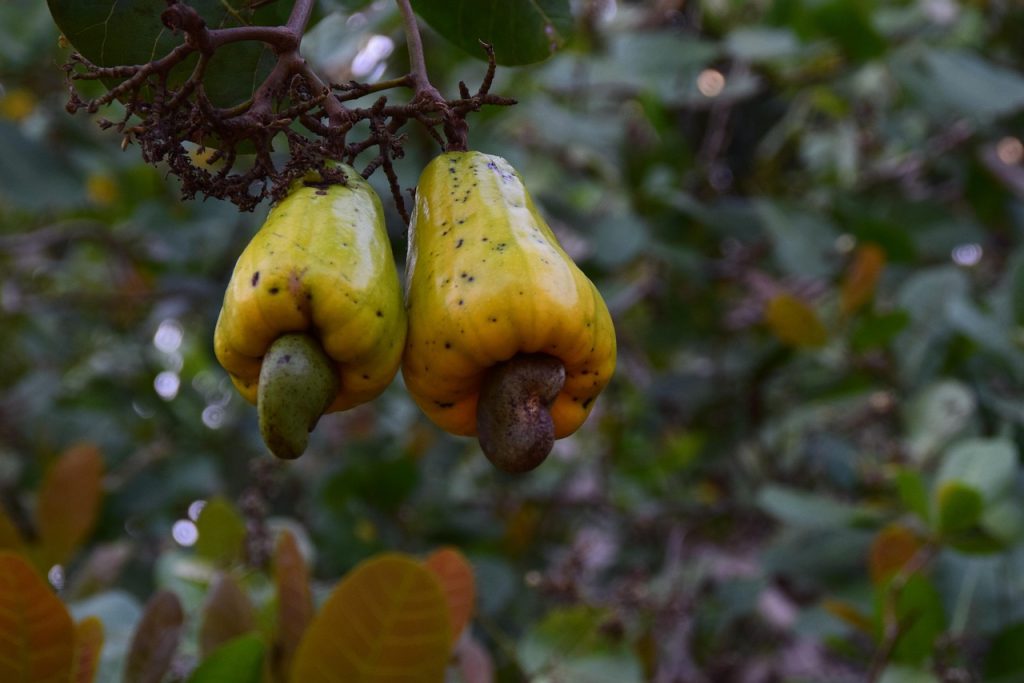
From the gardens come plantains and manioc, the starchy staples that fill out nearly every meal, along with maize and a wealth of tropical fruits. Manioc is also fermented into traditional drinks that play a role in daily life and in gatherings, a common thread across many Amazonian peoples.
Forest gathering adds fruits, nuts, and palm products that vary with the season, rounding out a diet shaped entirely by the surrounding environment. As with much of Shipibo-Konibo life, eating is bound up with sharing; a good catch or harvest is distributed among kin, reinforcing the ties that hold the community together.
The centrality of sharing means that food carries social weight as well as nourishment. Generosity at the table builds standing and trust, so that feeding others well is understood as part of living rightly within the community.
Meals tend to be unhurried and communal, eaten in the company of family and often extended to whoever happens to be present. That easy inclusiveness at the table reflects the wider ethic of sharing that runs through Shipibo-Konibo life.
Gatherings, Music, and Rites of Passage
Community life is punctuated by gatherings that bring families together for celebration, music, and the marking of important life stages. Song is central to these occasions, from the medicine chants of healers to the everyday music that accompanies work and festivity. For a people whose art is tied to rhythm, sound is never far from the surface.
Rites of passage have traditionally marked the movement from childhood into adult roles, occasions surrounded by ceremony, feasting, and instruction. While some older rituals have faded under outside pressure, the impulse to gather and mark transitions collectively remains strong in community life.
These events serve a social purpose that goes beyond enjoyment. They renew ties among dispersed relatives, welcome visitors, and reaffirm a shared identity through music, food, and the ever-present designs. In gathering, the community becomes visibly itself, restating its bonds against the pull of a changing world.
For families now split between river villages and distant towns, these gatherings take on added importance as moments of reunion. They pull scattered relatives back to a common center and refresh the shared identity that distance can wear thin.
Music in particular carries the weight of memory at these events, with songs that recall shared history and reinforce belonging. In a culture where sound and pattern are so closely linked, a gathering full of song is also a gathering full of identity.

From Missions and Rubber to Recognition
The arrival of Europeans set off centuries of disruption for the peoples of the Ucayali. Missionaries sought to gather scattered communities into settlements, reshaping patterns of life that had long followed the river. Disease and displacement took a heavy toll, and the balance of the old world was permanently altered.
The rubber boom that swept the Amazon brought a far harsher chapter, as demand for labor led to violence, coercion, and upheaval across the region. Indigenous peoples, including the Shipibo-Konibo, were drawn into a brutal extractive economy that scarred communities and reshaped the human map of the forest. The memory of that era runs deep.
The twentieth century gradually brought new tools of survival: recognized communities, indigenous federations, and bilingual education. Through organizing and persistence, the Shipibo-Konibo secured formal recognition of their communities and a stronger voice in regional affairs, turning a history of imposition into a platform from which to defend their own interests.
The lesson many draw from this history is that recognition and rights had to be fought for rather than granted. That awareness shapes how communities engage with outside institutions today, combining willingness to negotiate with a wariness born of hard experience.
Recognition, when it came, did not erase the difficulties, but it did change the terms of the relationship, giving communities legal standing they had long been denied. From that foothold, later generations built the federations and schools that define Shipibo-Konibo public life today.
The Shipibo-Konibo in a Changing Amazon
Today the Shipibo-Konibo are among the most prominent indigenous peoples of the Peruvian Amazon, numbering in the tens of thousands across river villages and growing urban neighborhoods. Their art has made them internationally visible, and their healing traditions draw visitors from around the world, giving them a profile few Amazonian groups can match.
That visibility comes with real pressures. Deforestation, pollution of the rivers, land conflicts, and the commercialization of their most sacred practices all test the community. Young people weigh the pull of city jobs against life on the river, and families navigate an economy that prizes their art while threatening the environment that sustains them.
Yet the Shipibo-Konibo continue to adapt as they always have. They sell their textiles in global markets, defend their territory through federations, teach their language in schools, and carry kené into new media without letting go of its meaning. Their story is one of a river people meeting a changing Amazon on their own creative terms.
What lies ahead will depend heavily on whether the Shipibo-Konibo can protect the rivers and forests that underpin their way of life. Their strong cultural profile gives them a platform, but the environmental future of the Ucayali will test that strength in the decades to come.
Even so, the confidence of the Shipibo-Konibo is unmistakable. They present their culture on their own terms, insist on the value of their knowledge, and step into national and international arenas as a people with something distinctive to offer rather than merely something to defend.
Related Peoples of the Region
- Meꞌphaa Speakers of the Guerrero Mountains and a Language That Stands Alone
- Garifuna Drummers and Cassava Bakers of the Central American Caribbean Coast
- Lenca Potters and River Defenders of the Honduran and Salvadoran Highlands
- Ashaninka: The People Who Drove the Spanish Out of the Forest
- Muisca: The Confederation Behind the Legend of El Dorado
- Shuar: The People the Inca and Spain Both Failed to Conquer
You May Like

The Damara, an Ancient People of Namibia



