In the marsh-laced high country where Oregon meets California, two closely related peoples, the Klamath and the Modoc, built one of the most distinctive ways of life in the American West. Theirs was a world of water and tule reeds, of canoes gliding through vast wetlands and of a fierce attachment to a homeland of lakes and volcanic stone.
This article explores the world of the Klamath and Modoc from their ancient origins through their language, their marsh-based culture, and the dramatic history that scattered them, down to the resilient communities they remain today. It is a story of abundance, of remarkable resistance, and of a bond with the marshes that no hardship has ever fully broken.
Contents
- Origins in the Land of Lakes and Marshes
- The Names Klamath and Modoc
- Related Plateau Languages of the Interior
- Homeland of Wetlands, Lakes, and High Desert
- The Old Way of Life on the Water
- Villages, Wealth, and Leadership
- Spirit Power and the Sacred Landscape
- The Modoc War and a Fight for the Homeland
- Baskets, Canoes, and Fine Craft
- Wocus Seeds, Fish, and Foods of the Marsh
- Gatherings, Trade, and Ceremony
- A History of Treaties, Removal, and Return
- The Klamath and Modoc Peoples Today
Origins in the Land of Lakes and Marshes
In the high country where southern Oregon meets northern California lies a landscape of vast marshes, shining lakes, and volcanic ridges that has been home to the Klamath and Modoc peoples for countless generations. Long before any newcomer set foot in this region, these closely related nations had built a way of life perfectly suited to a world of water and reeds.
The ancestors of the Klamath and Modoc are among the oldest documented inhabitants of the American West, with archaeological evidence in the region stretching back many thousands of years. Sandals woven from sagebrush bark found nearby rank among the oldest footwear ever discovered, a testament to the deep antiquity of human life in this country.
For these peoples, the marshes and lakes were not a harsh frontier but a generous homeland that provided fish, waterfowl, and the precious seeds and roots that sustained them. Their origin traditions tie them intimately to this specific landscape of water and volcanic stone.
To understand the Klamath and Modoc is to understand their bond with this watery world. Everything in their culture, from food and shelter to story and ceremony, grew out of a profound relationship with the marshes that surrounded them.
The great antiquity of settlement here reminds us that the Klamath and Modoc are not newcomers to a borderland but among the very first peoples of this corner of the continent. Their claim to the marshes rests on a depth of time that dwarfs the brief span of American settlement in the region.
Those ancient sagebrush sandals, preserved for millennia in the dry volcanic soil, are among the most evocative artifacts in all of North American archaeology. They speak directly across the ages of a people already at home in this landscape when much of the world’s later history had not yet begun.

The Names Klamath and Modoc
The Klamath and Modoc are two distinct but closely related peoples who spoke mutually intelligible forms of the same language and shared much of the same culture. The Klamath lived around the marshes and lakes to the north, while the Modoc occupied the country to the south and east.
The Klamath called themselves by a name meaning roughly the people of the lake, reflecting their intimate connection to the great marshes and waters of their homeland. The Modoc similarly held a self-designation rooted in their own territory to the south.
The names by which outsiders came to know them emerged through contact with neighboring peoples and later with settlers and government officials. As so often happened, the labels that entered maps and treaties did not always match what the people called themselves.
Despite their close kinship, the Klamath and Modoc would ultimately follow very different historical paths, a divergence driven in large part by the pressures of the nineteenth century. Yet their shared origins remain central to the identity of both.
This kinship, closer than that between many neighboring nations, meant that the Klamath and Modoc shared not only speech but a great deal of ceremony, craft, and worldview. Understanding one people therefore offers a window into the other, even as each retained its own distinct territory and identity.
The divergence in their fortunes, driven by the choices forced upon them in the nineteenth century, meant that the Klamath and Modoc would come to be spoken of as separate nations even by those who knew of their close bond. History, more than culture, drove the two peoples apart.

Related Plateau Languages of the Interior
The language of the Klamath and Modoc, often grouped under the name Klamath-Modoc, belongs to the broader Plateau language world of the interior Northwest. Some scholars have linked it to the wider Penutian grouping, though its exact relationships remain a subject of study.
The two peoples spoke dialects so similar that they could understand one another easily, a reflection of their common origin and continued contact. The language carried the detailed vocabulary needed to describe a world of marsh plants, fish, birds, and the changing moods of the water.
Like so many Indigenous languages, Klamath-Modoc suffered severely under the assimilation policies of the nineteenth and twentieth centuries, and the number of fluent speakers declined to a critical point. The loss of native speakers has been one of the deepest wounds of the colonial era.
Today both communities work to document and revive the language, drawing on recordings, dictionaries, and the memories of elders. Every effort to teach the tongue to young people is an act of cultural survival and renewal.
Language carried far more than everyday communication, for embedded within it were the names of sacred places, the words of ceremony, and the fine distinctions that allowed a marsh people to speak precisely about their watery world. To lose the language was to risk losing access to that entire body of inherited knowledge.
Recordings made by early scholars, together with the patient work of tribal language teachers, now form the foundation of a determined revival. Each word reclaimed is treasured as a thread reconnecting the community to a way of understanding the world that colonization tried to sever.
Homeland of Wetlands, Lakes, and High Desert
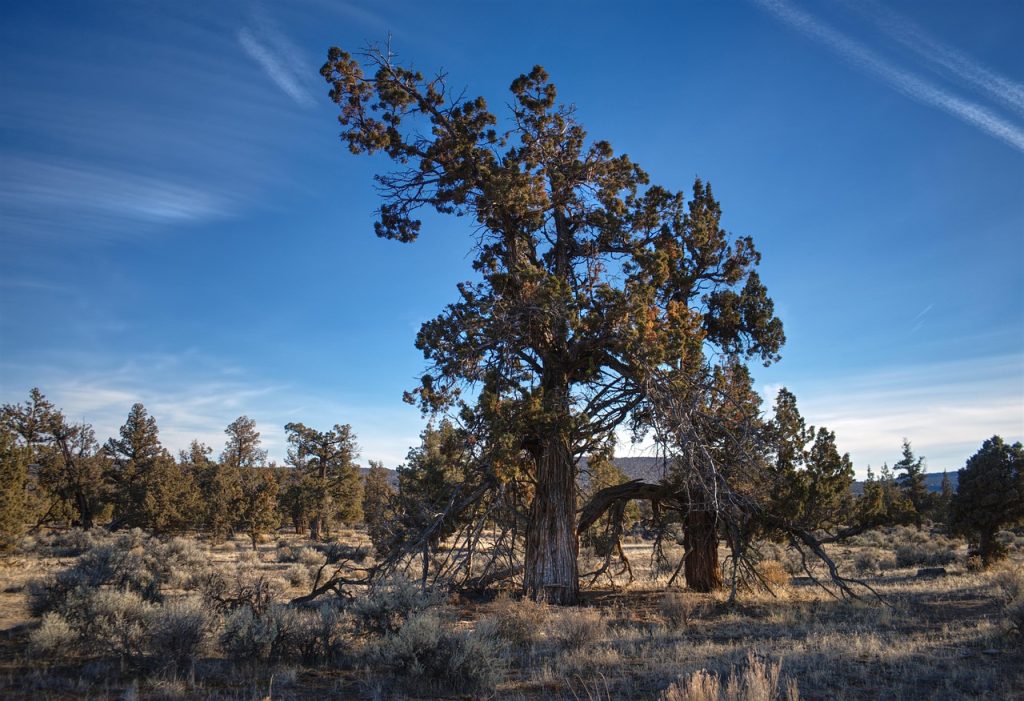
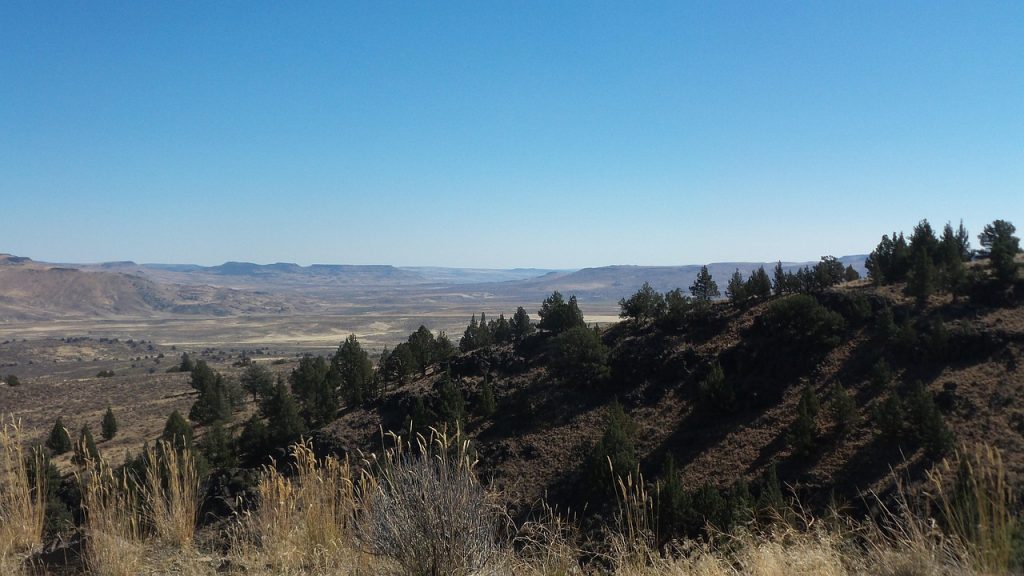
The homeland of the Klamath and Modoc was a striking mosaic of environments, from expansive freshwater marshes and shallow lakes to sagebrush high desert and volcanic tablelands. This was the country of Upper Klamath Lake, Tule Lake, Lower Klamath Lake, and the rugged lava country to the south.
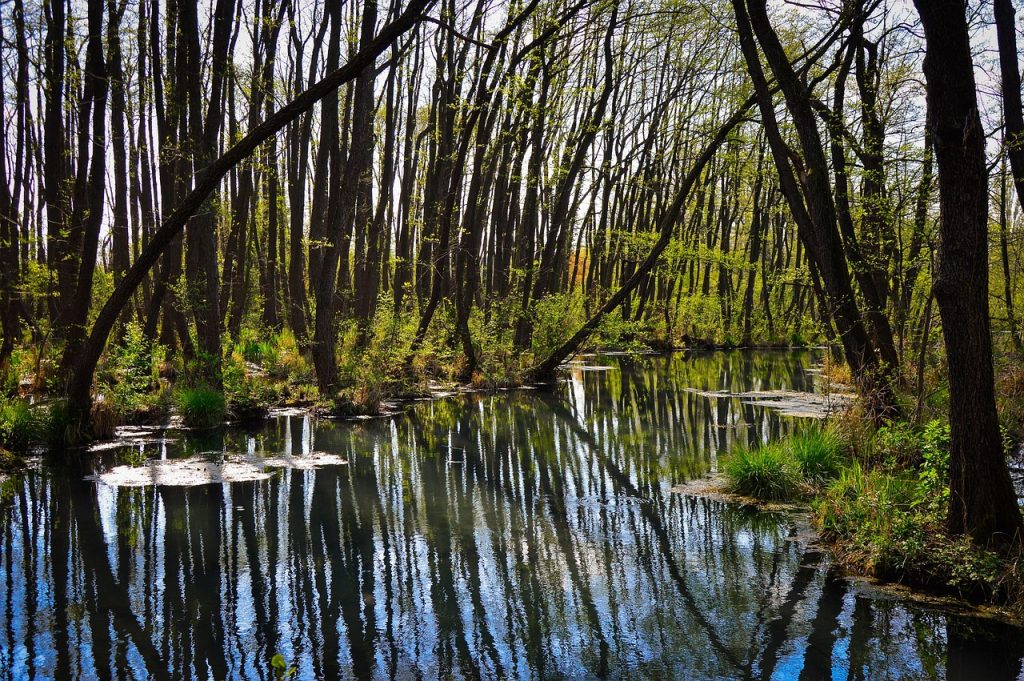
The marshes were the heart of this world, teeming with fish, waterfowl, and the aquatic plants that provided food and raw material. The people organized their lives around these wetlands, moving through them by canoe and harvesting their abundance through the seasons.
To the south and east lay the harsh lava beds, a maze of volcanic rock that would later play a dramatic role in the Modoc War. This forbidding terrain was well known to the Modoc, who understood its hidden passages and shelters intimately.
The whole landscape was shaped by fire and water, by ancient volcanic forces and the marshes they left behind. It was a demanding but rich homeland, and the Klamath and Modoc knew every part of it with the precision of people whose survival depended on that knowledge.
Water levels rose and fell with the seasons and the years, and the people read these changes closely, adjusting their movements and harvests accordingly. This constant dialogue between the community and the shifting marsh was one of the defining features of life in the homeland.
The contrast between the life-giving marshes and the forbidding lava country gave the homeland a dramatic character, and the people knew how to draw on both. The same landscape that fed them in times of peace could shelter and protect them in times of war.

The Old Way of Life on the Water
Life for the Klamath and Modoc revolved around the marshes and their seasonal gifts. Families lived in earth-covered lodges in winter and lighter mat structures in the warmer months, moving to follow the fish runs, the ripening of marsh plants, and the migrations of waterfowl.
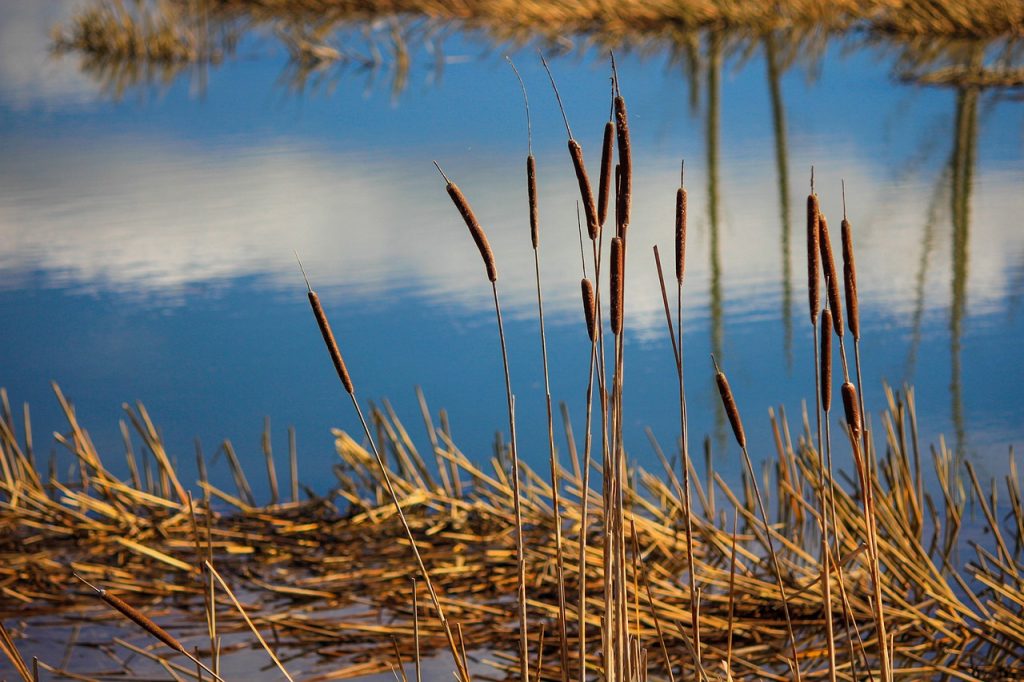
Canoes made from hollowed logs or bundled reeds carried the people through the shallow waters, allowing them to fish, gather, and hunt across the wetlands. The tule reed, in particular, was a material of extraordinary importance, used for boats, mats, baskets, and even footwear.
The seasonal round demanded careful timing and deep knowledge, from knowing when the wocus water lily seeds were ready to harvest to reading the arrival of migrating birds. This intimate calendar of the marsh governed the rhythm of daily life.
Winter was a time of gathering in settled villages, when the stored abundance of the warmer seasons sustained the community through the cold. These months brought storytelling, craft, and ceremony, binding the people together against the harshness of the high-country winter.
The tule reed deserves special mention, for few plants have ever been put to such varied use by any people. From the boats that carried them across the water to the mats that lined their lodges and the baskets that held their food, the reeds of the marsh were woven through every part of daily existence.
Children absorbed this vast body of practical knowledge by working alongside their elders, learning to handle a canoe, to gather wocus, and to read the signs of the changing marsh. In this way the wisdom of generations passed seamlessly into each new set of hands.
Villages, Wealth, and Leadership
Klamath and Modoc society placed a notable emphasis on wealth and status, and individuals could rise in standing through the accumulation and generous distribution of valued goods. Prestige was tied to industriousness, skill, and the ability to provide for and impress the wider community.
Leadership rested with respected headmen whose authority grew from their wisdom, wealth, and ability to guide the community wisely. As among many Plateau peoples, this authority depended on consensus and reputation rather than any absolute inherited power.
Villages formed the basic units of society, each associated with a particular stretch of marsh or lakeshore. These communities were largely autonomous, though ties of kinship, trade, and marriage bound them into the broader Klamath and Modoc peoples.
The competitive, wealth-conscious character of this society set the Klamath and Modoc somewhat apart from some of their neighbors and shaped everything from marriage arrangements to the resolution of disputes. It was a culture that valued achievement and standing.
This emphasis on wealth and standing did not mean that the poor were abandoned, for generosity and the sharing of resources were also prized, and a leader’s reputation depended heavily on open-handedness. The tension between accumulation and generosity gave Klamath and Modoc society much of its distinctive character.
Disputes over wealth, insult, or injury were often settled through carefully negotiated payments rather than open violence, reflecting a society that took obligations and reputations seriously. This system of compensation helped maintain order in a culture that placed such value on standing and property.
Spirit Power and the Sacred Landscape
Spiritual life among the Klamath and Modoc centered on the pursuit of personal spirit power, sought through fasting, prayer, and the vision quest in sacred places across the landscape. Certain lakes, peaks, and lava formations were understood to hold particular power.
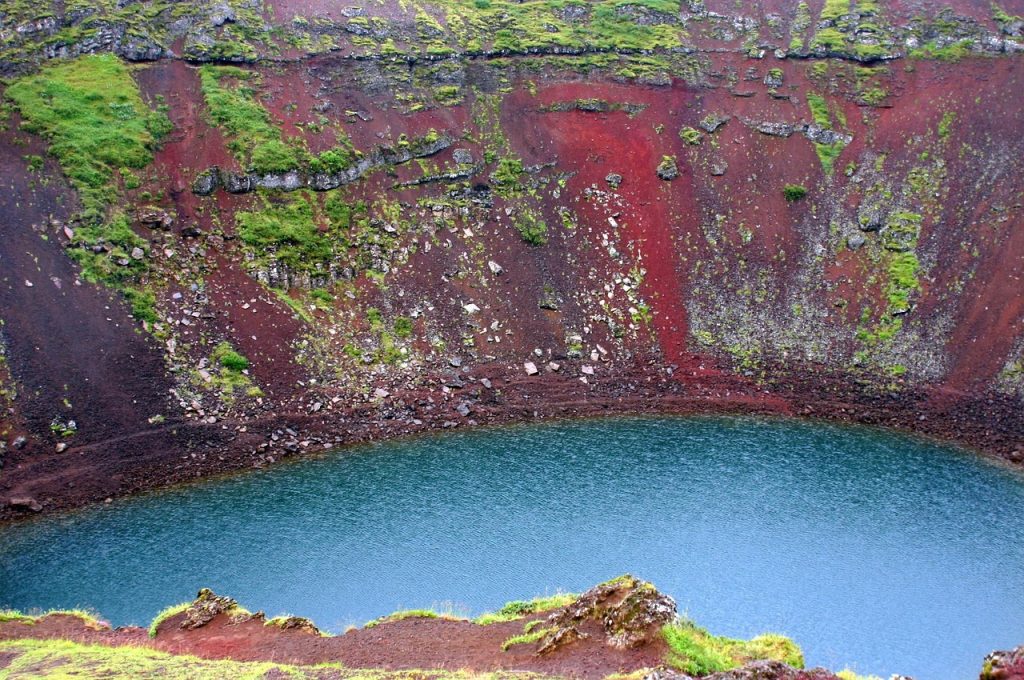
Crater Lake, the astonishing caldera lake to the north of their country, held deep spiritual significance and was surrounded by traditions of awe and danger. Such places were approached with great respect, understood as points where the spiritual and physical worlds met.
Shamans, who had gained especially strong spirit power, played vital roles as healers and mediators with the unseen forces of the world. Their abilities could be used to cure illness, but power was also understood to carry risk and responsibility.
The whole landscape was alive with meaning, and the people maintained careful relationships of respect with the marsh, the animals, and the volcanic forces that had shaped their homeland. This reverence for a sacred geography remains part of the peoples’ identity.
The vision quest was undertaken with real seriousness, often in remote and difficult places where a seeker might fast for days in search of a guardian spirit. The power gained in such encounters could shape a person’s entire role in the community, marking them as a healer, a leader, or a person of special ability.
The Modoc War and a Fight for the Homeland
No event looms larger in Modoc history than the Modoc War of 1872 to 1873, one of the most remarkable episodes of Indigenous resistance in the American West. When a band of Modoc under the leader known as Captain Jack refused to remain on a shared reservation far from home, conflict erupted.
The Modoc took refuge in the lava beds of their southern homeland, a natural fortress of volcanic rock they knew intimately. From this stronghold, a tiny force held off a far larger U.S. Army for months, using their knowledge of the terrain to extraordinary effect.
The war became national news, drawing astonishment at how few defenders could resist so many soldiers in such forbidding country. It stands as a testament to the courage and determination of a people fighting to remain in their own land.
The conflict ended in tragedy, with the execution of Captain Jack and other leaders and the removal of the surviving Modoc far to the east. Yet the memory of the lava-bed stand endures as one of the proudest and most painful chapters in the peoples’ history.
The lava beds themselves became a kind of monument to this resistance, a landscape forever associated with the courage of those who defended it. For the Modoc, the memory of that stand is inseparable from their sense of who they are as a people.
When the fighting finally ended, the removal of the surviving Modoc scattered a community that had held together against overwhelming odds. That so many of their descendants have kept their identity alive, whether in Oklahoma or in Oregon, is a quiet triumph over the intentions of those who sought to erase them.

Baskets, Canoes, and Fine Craft
The Klamath and Modoc were masterful workers of the tule reed and other marsh plants, weaving them into a remarkable range of objects. Basketry was a particularly refined art, producing finely woven containers for gathering, storing, and preparing food.
Reed and dugout canoes carried the people through the marshes, and mats woven from tule covered the frames of their dwellings and served countless everyday purposes. The versatility of marsh materials was central to the whole material culture of these peoples.
Fine craft was not merely functional but a source of pride and identity, and skilled weavers were respected for their artistry. The patterns and techniques of basketry were passed carefully from one generation to the next.
Many of these craft traditions survive today, kept alive by artists and cultural practitioners who continue to work with the materials of the marsh. Their creations link the present community directly to the ingenuity of their ancestors.
Collectors and museums came to prize the finely woven basketry of the region, and today these historic pieces serve as invaluable guides for artists reviving the old techniques. By studying the work of their ancestors, contemporary weavers recover patterns that had nearly slipped away.
The dugout and reed canoes in particular embodied the peoples’ mastery of their environment, turning the humble materials of the marsh into vessels perfectly suited to the shallow waters they navigated. Few objects better capture the ingenuity of a culture shaped so completely by water.

Wocus Seeds, Fish, and Foods of the Marsh
The single most distinctive food of the Klamath and Modoc was wocus, the seed of the yellow water lily that grew abundantly in the marshes. Gathered by canoe, dried, and ground into meal, wocus was a staple that could be stored and relied upon through the year.
Fish from the lakes and streams, especially suckers and trout, provided another mainstay of the diet, caught in great numbers during the spring runs. The abundance of the marshes meant that these peoples enjoyed a relatively secure and varied food supply.
Waterfowl filled the skies over the marshes in migrating multitudes, and the people harvested ducks, geese, and their eggs as an important seasonal resource. Roots, berries, and other wild plants rounded out a menu drawn almost entirely from the wetland world.
As with so many aspects of their culture, food connected the Klamath and Modoc to their marsh homeland in the most direct way possible. To eat was to partake of the abundance of the lakes and reeds that defined their entire way of life.
The reliability of the wocus harvest and the fish runs gave these peoples a measure of security that many hunter-gatherer societies lacked, allowing for relatively settled winter villages and a rich ceremonial life. Abundance, carefully harvested and stored, was the foundation of their whole social world.
Gatherings, Trade, and Ceremony
The seasonal harvests brought the Klamath and Modoc together for gatherings that mixed work, trade, ceremony, and celebration. The wocus harvest in particular was a major communal event, drawing families to the marshes in a festive season of abundance.
Trade linked these peoples into wider networks reaching across the Plateau and toward the coast and California, exchanging marsh products, obsidian, and other goods. Such contact brought not only material wealth but the exchange of ideas, customs, and marriages.
Ceremony marked the turning points of the year and the passages of human life, reaffirming the bonds that held the community together. Gatherings were occasions to renew relationships, settle affairs, and celebrate shared identity.
Modern gatherings, from powwows to cultural commemorations, continue this tradition of coming together. They offer the Klamath and Modoc a chance to honor their heritage and to strengthen the community bonds that have sustained them through difficult times.
For communities spread across a wide territory of marsh and lake, these gatherings were essential for maintaining a shared identity and a common store of stories and songs. The alliances and friendships renewed at such assemblies helped hold the wider people together across the seasons.
These occasions also served practical purposes, allowing scattered families to arrange marriages, resolve disputes, and coordinate the great communal harvests. In this way celebration and survival were woven together, each reinforcing the bonds that held the people together.
A History of Treaties, Removal, and Return
The mid-nineteenth century brought waves of settlers, miners, and soldiers into the country of the Klamath and Modoc, disrupting a way of life that had endured for millennia. A treaty in 1864 established a reservation and pressed the Klamath, Modoc, and a third people together on shared land.
The arrangement caused deep friction, and it was the refusal of some Modoc to remain far from their homeland that helped spark the Modoc War. The aftermath of that conflict scattered the Modoc, with survivors removed far to the east in what is now Oklahoma.
The Klamath who remained on the reservation faced their own trials, culminating in the disastrous federal termination policy of the mid-twentieth century, which stripped the tribe of its recognized status and much of its land. It was a devastating blow to the community.
Yet the story did not end there. Through decades of determined effort, the Klamath Tribes regained federal recognition, and both the Klamath and the Oklahoma Modoc have worked to rebuild their communities and reclaim their heritage against long odds.
The termination era of the twentieth century stands as a particularly bitter lesson in how quickly a government could attempt to dissolve a people’s legal existence. That the Klamath fought their way back to recognition is a measure of their extraordinary determination to survive as a nation.
The Klamath and Modoc Peoples Today
Today the Klamath Tribes, a confederation that includes Klamath, Modoc, and Yahooskin people, are a federally recognized nation centered in southern Oregon. They have rebuilt institutions of self-government and cultural life after the trauma of termination and restoration.
A separate community of Modoc descendants, removed to Oklahoma after the Modoc War, maintains its own federally recognized tribe, keeping alive the memory of the lava-bed stand and the homeland of their ancestors. The two branches remain connected by shared history and heritage.
Central to the peoples’ concerns today is the health of the marshes, lakes, and fish that have always defined their world. Struggles over water rights and the restoration of the wetlands are, for the Klamath and Modoc, struggles over the very foundation of their identity.
The story of the Klamath and Modoc is one of profound endurance, of peoples who have survived war, removal, and even the loss of their legal existence, only to rebuild. Rooted in a homeland of water and reeds, they remain a living presence in the high country of the West.
The effort to restore the marshes and their fish is not merely an environmental cause but a matter of cultural survival, for a people whose identity was forged in the wetlands cannot be whole while those wetlands suffer. In defending the water, the Klamath and Modoc defend themselves.
Looking to the future, both the Klamath Tribes and the Oklahoma Modoc continue to invest in language, education, and the young people who will carry their heritage forward. Their persistence stands as living proof that a people rooted in a beloved homeland can endure even the harshest attempts to dissolve them.
Related Peoples of the Region
- Tanoan Pueblo Peoples of the Rio Grande and Their Thousand-Year Adobe Villages
- Keresan Sky City Dwellers of Acoma and a Language With No Known Kin
- Kwakwaka’wakw and Nuu-chah-nulth Whalers of the Wakashan Coast and Their Masked Dances
- Tsimshian Clans of the Skeena and Nass Rivers and Their World of Crests and Grease
- Mojave People of the Lower Colorado River and Their World of Dreams
- Nez Perce Horse Nation of the Columbia Plateau and Their Long Road Home


