Along the eastern shore of Africa, where the continent meets the warm waters of the Indian Ocean, there grew over a thousand years one of the most cosmopolitan civilisations of the medieval world. It was the work of the Swahili, a people of the coast and the islands whose stone towns, whose merchants, and whose language linked the interior of Africa to the great trading world of the ocean, to Arabia, Persia, India, and China. Neither wholly of Africa nor of Arabia but a graceful fusion of both, the Swahili built a culture that faced the sea.
This is the story of the Swahili and the civilisation they built on the ocean edge. It is a story of coral stone towns and carved wooden doors, of independent city-states grown rich on gold and ivory and spice, of an Islam a thousand years old, of the sung poetry of taarab, and of the monsoon winds that carried the dhows across the sea. Above all it is the story of Kiswahili, the coastal tongue that spread across the continent to become one of the great languages of Africa, the priceless gift of a people made by the sea.
Contents
- A Civilisation Born of the Ocean
- Swahili, the People of the Coast
- Kiswahili, the Great Language of Africa
- The Coast and Islands of the Indian Ocean
- The Stone Towns and the City-States of the Shore
- Patricians, Traders, and the World of the Town
- Islam of the Coast and the Ocean
- The Carved Door, the Taarab, and the Ways of the Coast
- Carvers, Weavers, and the Builders in Coral
- The Spices, the Sea, and the Table of the Coast
- The Maulidi, the Eids, and the Festivals of the Ports
- From the Ancient Ports to Zanzibar and Beyond
- The Swahili World in the Modern Age
A Civilisation Born of the Ocean
Along the eastern shore of Africa, where the continent meets the warm waters of the Indian Ocean, there grew over a thousand years one of the most cosmopolitan civilisations of the medieval world. It was the work of the Swahili, a people of the coast and the islands whose stone towns, whose merchants, and whose language linked the interior of Africa to the great trading world of the ocean, to Arabia, Persia, India, and even China. Neither wholly of Africa nor of Arabia but a fusion of both, the Swahili built a culture that faced the sea.
The Swahili are, at their root, an African people, speakers of a Bantu language and descendants of the coastal communities of East Africa, who over centuries of trade and contact wove into their culture the influences of the Muslim world across the ocean. From this meeting of African foundations and Indian Ocean commerce arose a distinctive coastal civilisation, urban, mercantile, literate, and Muslim, strung along the shore in a chain of trading towns from southern Somalia down to Mozambique.
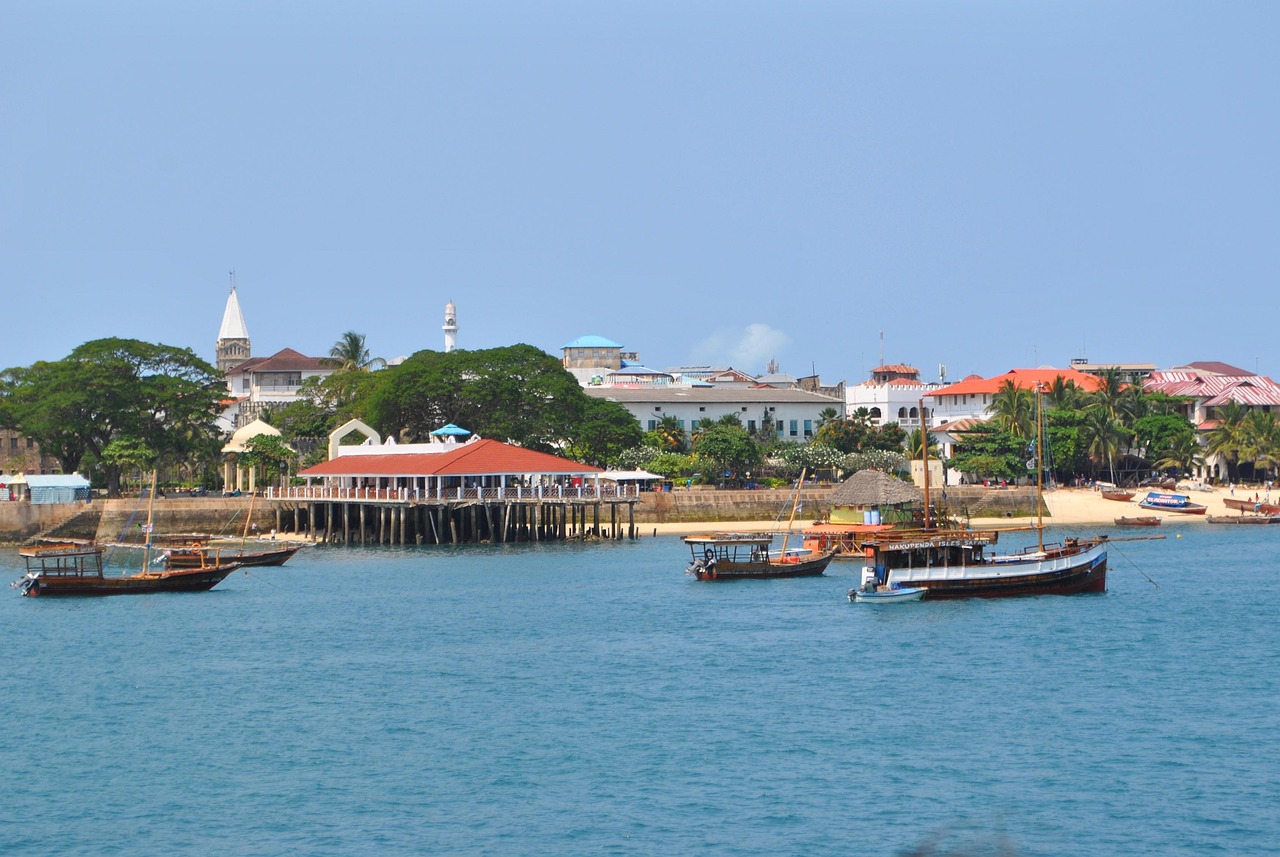
Their very name comes from the Arabic word for coast, for the Swahili are, precisely, the people of the coast, the sahil, the narrow maritime world between the ocean and the African interior. Their story is one of merchant cities grown rich on the trade in gold, ivory, and spices, of a sophisticated urban culture of stone houses and carved doors, and of a language that would one day become one of the most widely spoken in all of Africa. To understand the Swahili is to understand a civilisation made by the sea.
Swahili, the People of the Coast
The name Swahili comes from the Arabic sawahil, meaning the coasts or the shores, so that the Swahili are quite literally the people of the coast, and their language Kiswahili the speech of the coast. It is a name that captures the essence of their identity, for the Swahili were defined not by a single ancestry or a single kingdom but by their shared life along the maritime edge of Africa, their common language, their Islamic faith, and their participation in the great commerce of the ocean.
The Swahili were never a single unified people under one ruler but a chain of related communities strung along the coast and its islands, each centred on its own town, from Mogadishu and Lamu in the north through Mombasa and Zanzibar to Kilwa and beyond in the south. Each town had its own patrician families, its own dialect, and its own history and rivalries, yet all shared the coastal culture, the language, and the faith that made them recognisably one people, the Waswahili, the people of the coast.
The Swahili identity has always been fluid and open, absorbing newcomers from across the ocean and from the African interior into the life of the towns, so that a person could become Swahili by adopting the language, the faith, and the urban ways of the coast. This openness, born of a trading world in which people of many origins met and mingled, gave the Swahili their cosmopolitan character. In the single name the people of the coast, the many towns of the shore recognised their common civilisation.
Kiswahili, the Great Language of Africa
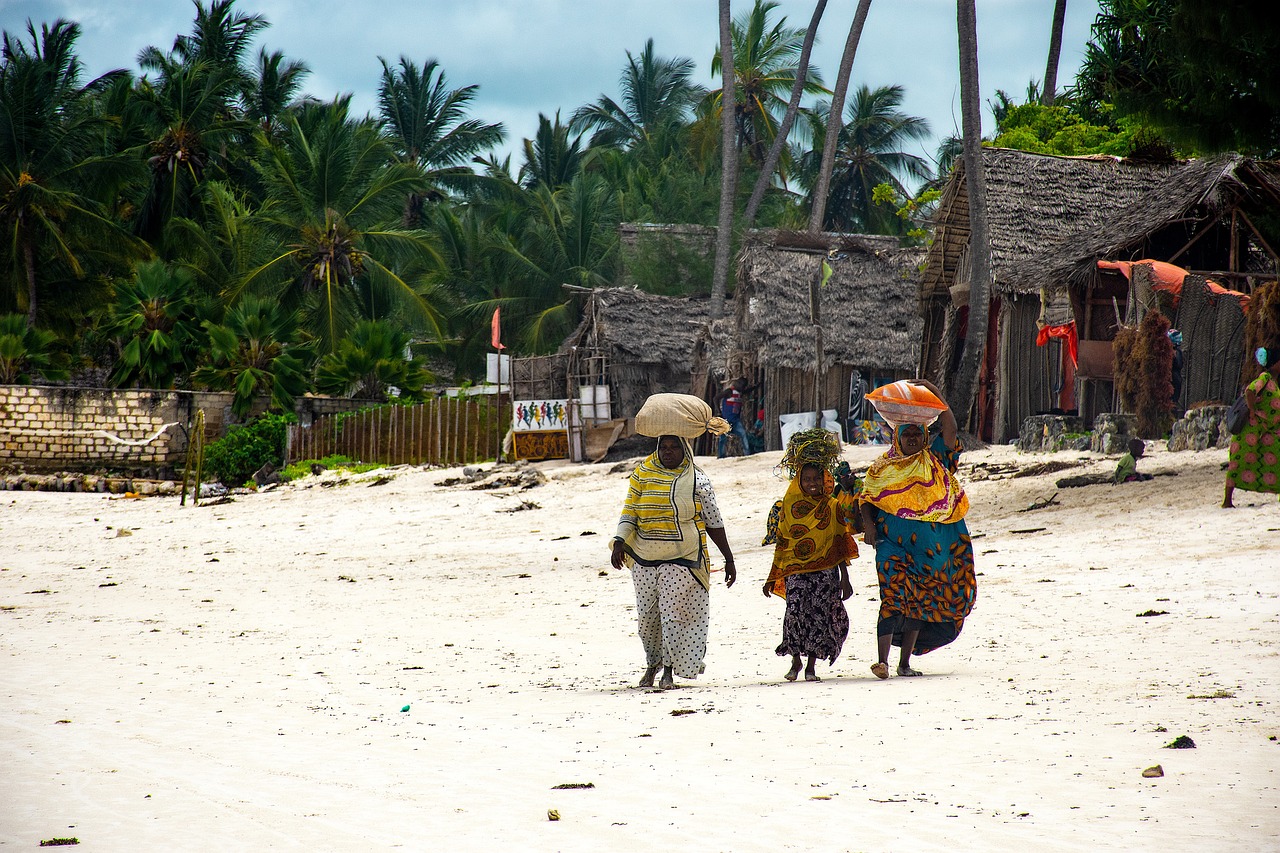
Kiswahili, the language of the Swahili, is one of the great languages of Africa and indeed of the world, spoken today by well over a hundred million people as a first or second tongue across a vast region of eastern and central Africa. At its core it is a Bantu language, African in its grammar and its foundation, but through a thousand years of ocean trade it absorbed a great store of Arabic vocabulary, along with words from Persian, Hindi, Portuguese, and in modern times English, so that its history is written in its very words.
From its origins as the speech of the coastal towns, Kiswahili spread inland along the trade routes as the language of commerce, carried by the caravans that reached deep into the interior in search of ivory and other goods. Over time it became the common tongue of a huge and diverse region, a language that people of many different mother tongues could use to trade, to travel, and to deal with one another, and this role as a language of unity has only grown in the modern age.
Kiswahili possesses a rich literary heritage, one of the oldest in sub-Saharan Africa, for the Swahili wrote their language in the Arabic script for centuries, composing poetry, chronicles, and religious works of great sophistication. The classical Swahili poetry, with its intricate forms and its deep Islamic learning, is a treasure of African literature. Today Kiswahili, written in the Latin alphabet, is a national and official language of several countries and a language of the African Union, a coastal tongue that has become a pride of the continent.
The Coast and Islands of the Indian Ocean
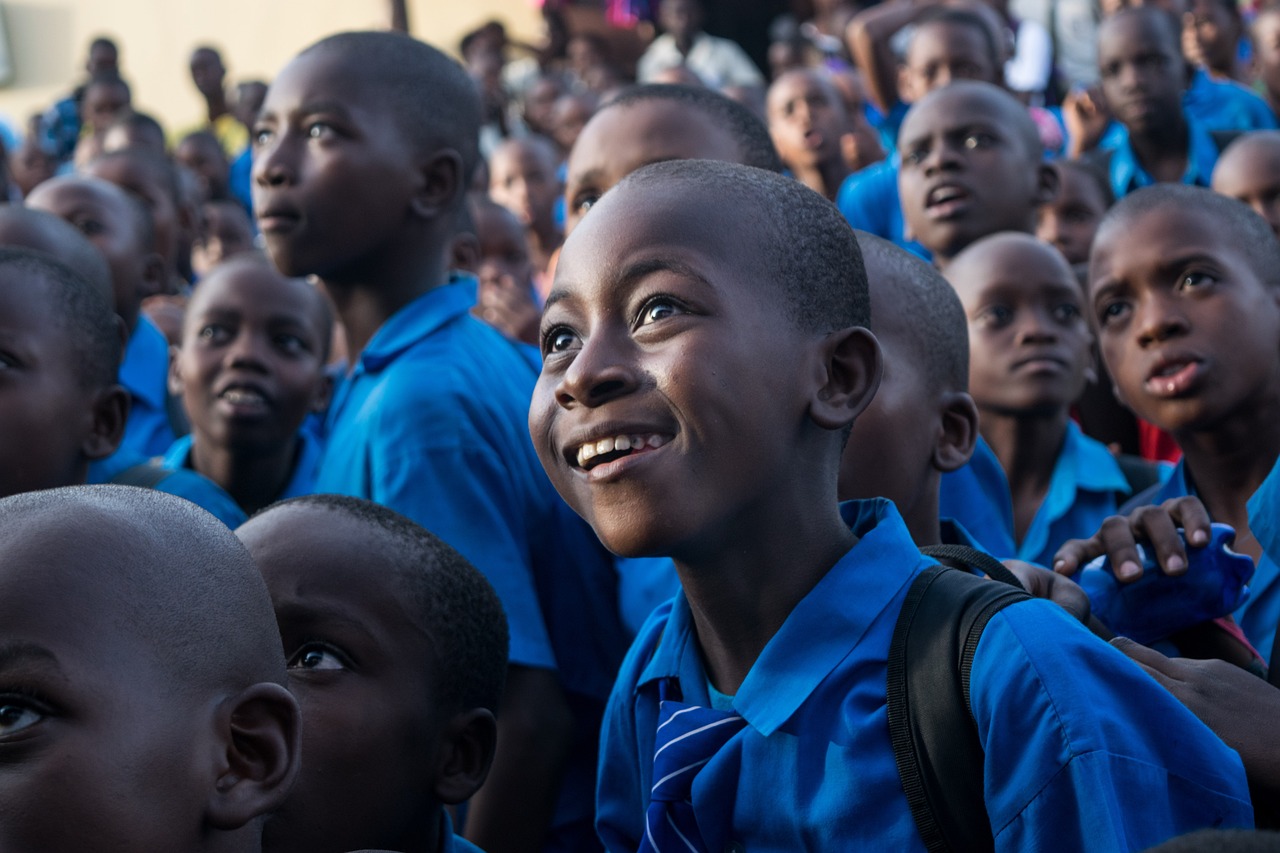
The Swahili homeland is the long, narrow ribbon of the East African coast and its offshore islands, stretching for some three thousand kilometres from the south of Somalia through Kenya and Tanzania down to northern Mozambique. It is a world of warm seas, coral reefs, mangrove creeks, and palm-fringed beaches, and above all of the islands, Lamu, Zanzibar, Pemba, Mafia, and the Comoros, that were the great centres of Swahili life. This is a maritime homeland, a world oriented not inland toward Africa but outward across the ocean.
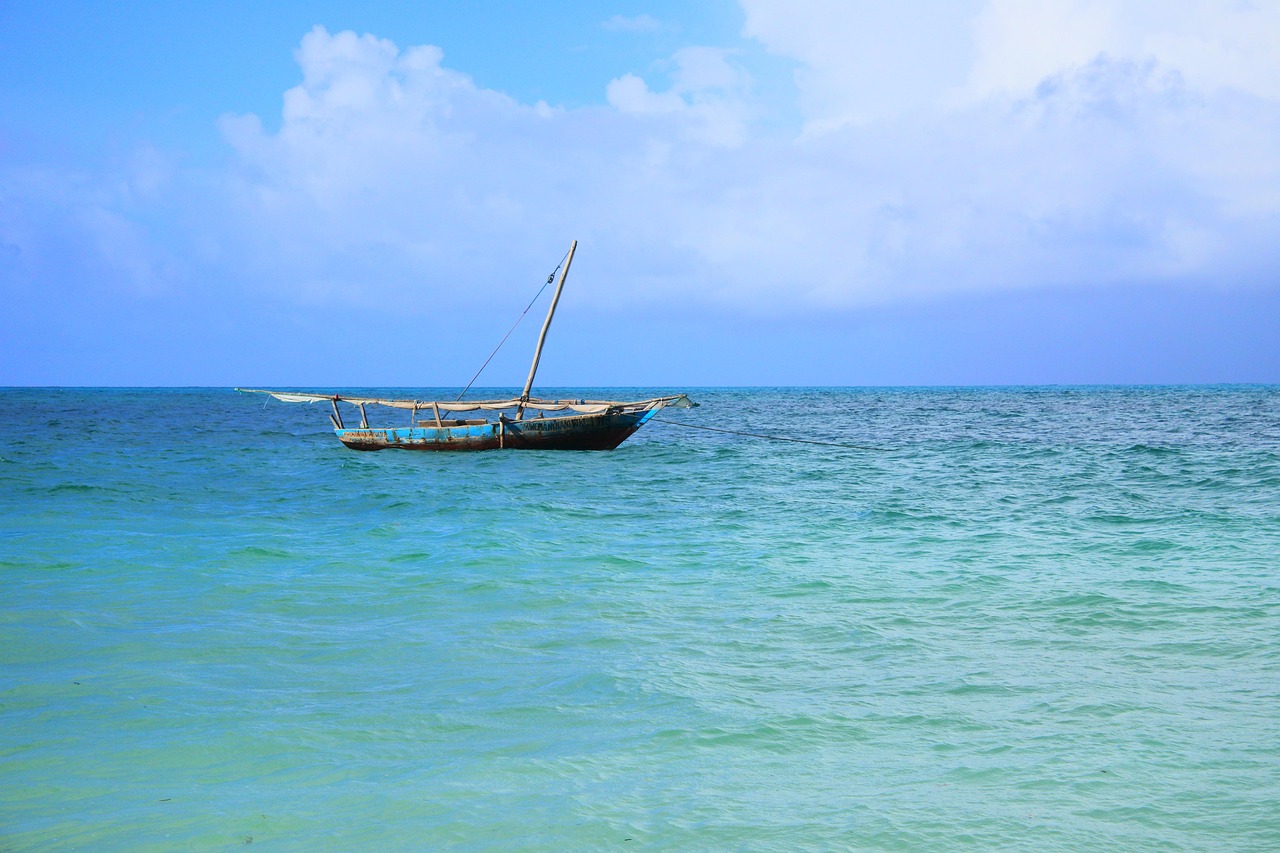
The rhythm of Swahili life was set by the monsoon winds, the great seasonal winds of the Indian Ocean that blow steadily from the northeast for part of the year and then reverse to blow from the southwest. These reliable winds were the engine of the ocean trade, carrying the sailing dhows down from Arabia, Persia, and India to the African coast and then home again, and the Swahili towns lived by the annual arrival and departure of the trading fleets, their fortunes rising and falling with the commerce that the monsoon brought.
The coast gave the Swahili the materials of their civilisation, the coral rock from which they built their stone towns, the mangrove poles that framed their roofs and were themselves an export, the fish and shellfish of the reef, and the harbours and creeks that sheltered their ships. Behind the coast lay the African interior, the source of the gold, ivory, and other goods that the Swahili traded to the ocean world, so that the towns sat as brokers between two worlds, the sea and the land.
The Stone Towns and the City-States of the Shore
The old Swahili world was a world of city-states, of independent trading towns each ruled by its own patrician families and often by its own sultan, strung along the coast like beads on a string. There was never a single Swahili empire, but rather a network of rival and cooperating towns, Kilwa, Mombasa, Malindi, Pate, Lamu, Zanzibar, and many more, that competed for the trade of the ocean and the interior. At its height in the medieval centuries, a town like Kilwa grew fabulously rich on the gold trade and built palaces and mosques that astonished visitors.
These towns were built of coral stone, and the greatest of them were true cities of multi-storey houses, mosques, and public spaces, their wealthy quarters a maze of stone buildings adorned with carved plaster and the famous carved wooden doors. The stone town was the heart of Swahili urban civilisation, and to live in a stone house was itself a mark of status, distinguishing the patrician families of the town from the poorer folk who lived in houses of mud and thatch on the outskirts.
Each town was governed by its leading families, the patricians who traced their descent from the founders and who controlled the trade, the land, and the offices of the town, often under a sultan drawn from among them. Councils of elders and the learned men of religion shared in the governance, and the towns guarded their independence jealously, entering into shifting alliances and rivalries with one another. In this world of proud, competing city-states, the Swahili built one of the great urban civilisations of Africa.

Patricians, Traders, and the World of the Town
Swahili society was above all an urban society, centred on the town and ordered by the distinctions of birth, wealth, and religious learning that structured the world of the coast. At the summit stood the patrician families, the waungwana, the free-born gentlefolk who traced their descent from the towns founders and from prestigious ancestors across the ocean, and who controlled the trade, the stone houses, and the offices of the town. Their status was displayed in their houses, their dress, their manners, and their marriages, which they guarded carefully to preserve their rank.
Below the patricians lived the mass of the townsfolk and the newcomers, the traders, artisans, fishermen, and labourers who made the town work, along with people of the mainland who came to the coast, and in the days of the ocean trade a large population of the enslaved, brought from the interior to labour in the towns and on the plantations. Swahili society was thus sharply stratified, and the boundaries of rank were marked by descent, by wealth, by the possession of a stone house, and by the refinements of urban culture known as ustaarabu.
Yet Swahili society was also famously open and absorptive, for the trading world constantly brought newcomers, and a person who adopted the language, the faith, and the urban ways of the coast could be drawn into Swahili life. Islam bound the community together across the ranks, and the ties of kinship, patronage, and the shared life of the town wove the diverse population into a single society. Refined, mercantile, and Muslim, the world of the Swahili town was one of the most sophisticated urban cultures of Africa.

Islam of the Coast and the Ocean
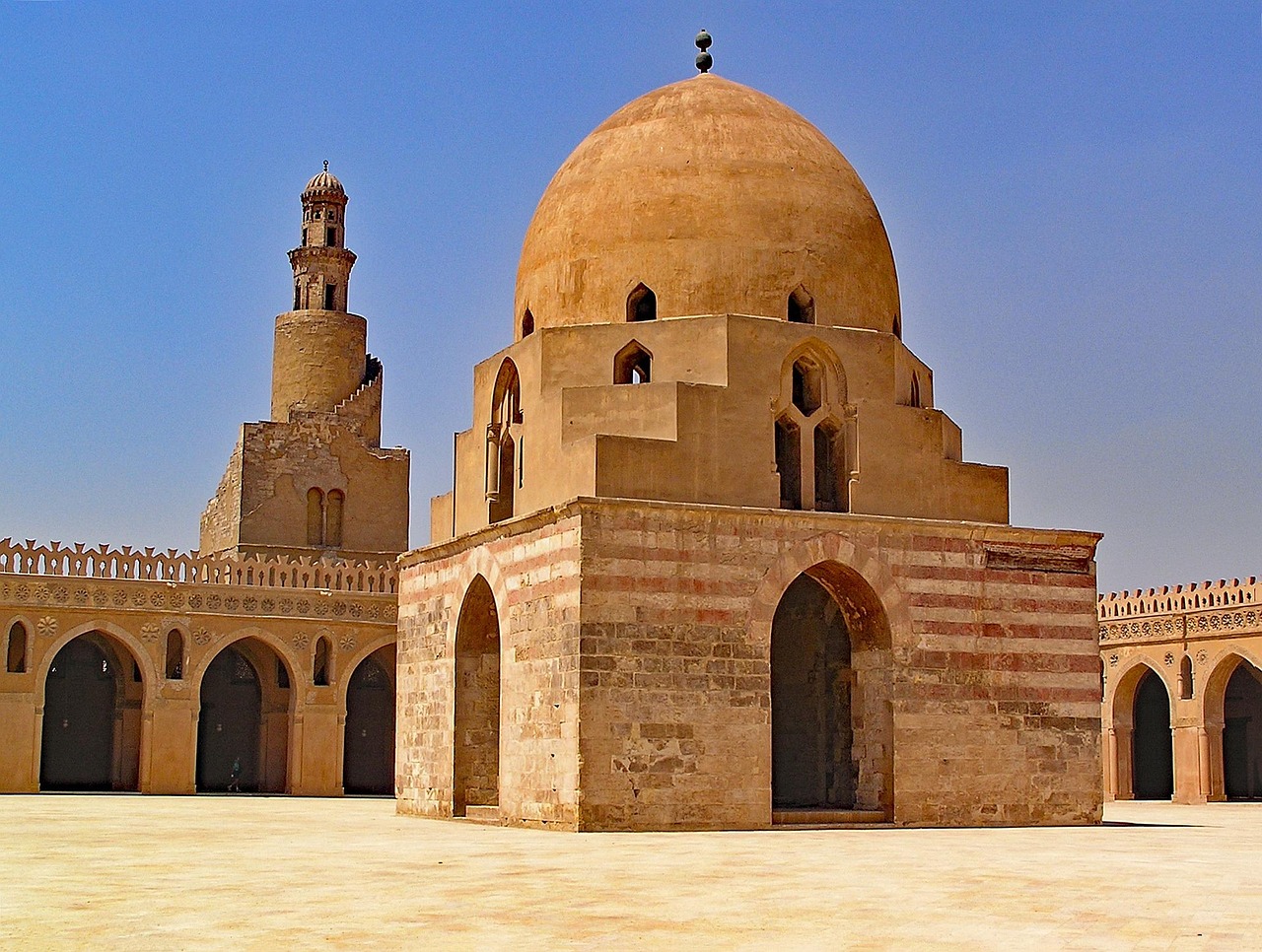
Islam has been at the heart of Swahili identity for more than a thousand years, brought to the coast by the trade across the ocean and embraced by the towns from an early date. The Swahili are, and have long been, a Muslim people, and their faith bound them to the wider Islamic world of the Indian Ocean even as it set them apart from the non-Muslim peoples of the African interior. The mosque stood at the centre of every Swahili town, and the great old mosques of the coast, some of them many centuries old, are among the oldest in sub-Saharan Africa.
Swahili Islam has its own distinctive character, shaped by the coastal setting and by long tradition. The faith was learned and literate, for the Swahili produced scholars, jurists, and poets steeped in the Arabic sciences, and the teaching of the Quran and the religious law was central to the life of the towns. The Sufi brotherhoods took root along the coast and gave Swahili Islam much of its devotional life, and the veneration of holy men and the celebration of the Prophets birth became cherished features of coastal religion.
The faith ordered the whole of life, from the daily prayers and the fasting of Ramadan to the rites of birth, marriage, and death, and it gave the Swahili a proud sense of belonging to the civilised, Muslim world of the ocean. Older beliefs in spirits and in the power of the unseen survived beneath the surface of orthodox Islam, especially in matters of healing and protection, but the public and dominant reality of the coast was one of settled, learned, and deeply rooted Islam that remains the soul of Swahili identity.
The Carved Door, the Taarab, and the Ways of the Coast
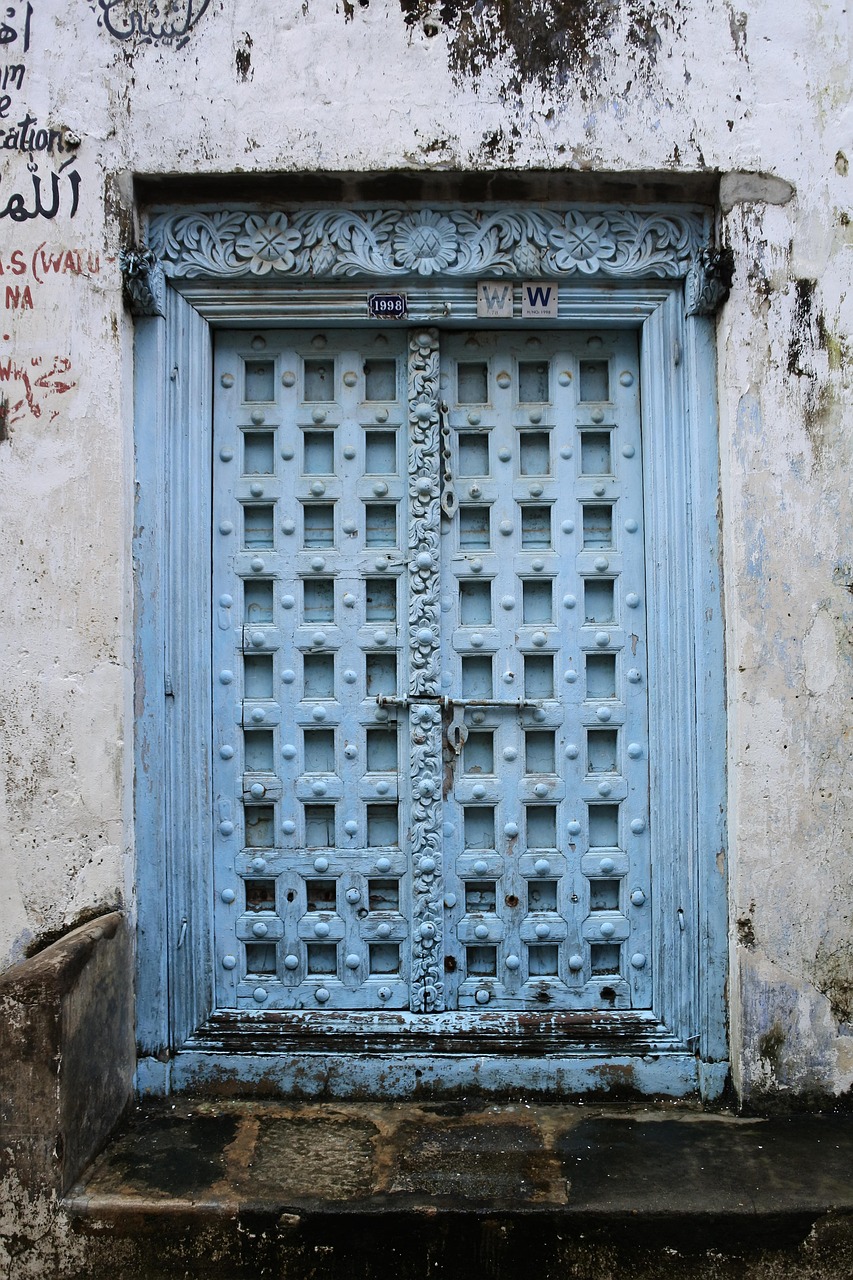
The most famous emblem of Swahili tradition is the carved wooden door, the great doorway of the stone house, framed and lintelled with intricately carved designs of chains, rosettes, lotus flowers, and Quranic inscriptions. These magnificent doors, found above all in Zanzibar and Lamu, were a mark of the wealth and status of the family within, and their carving is one of the great decorative arts of the coast, blending African, Arab, and Indian motifs into a distinctive Swahili style that has become an icon of the whole civilisation.
The music of the Swahili is above all taarab, the sung poetry of the coast, performed by an orchestra that blends the instruments and melodies of Africa, Arabia, and India into a richly emotional music of love, praise, and reflection. Sung in Kiswahili and drawing on the deep tradition of Swahili poetry, taarab is the classical music of the coast, performed at weddings and celebrations, and it captures the cosmopolitan spirit of a culture forged from many influences into a graceful whole.
Dress, courtesy, and the refinements of urban life carry their own weight in Swahili tradition. Women wear the flowing buibui and the colourful kanga cloth, printed with proverbs in Kiswahili that carry messages of their own, while men wear the long kanzu robe and the embroidered cap. The perfumes, the henna, the hospitality, and the elaborate courtesies of the coast express the ideal of ustaarabu, the refined, civilised manner of the town. In door, taarab, and dress, the Swahili express a culture of grace and sophistication.
Carvers, Weavers, and the Builders in Coral
The crafts of the Swahili reflect the wealth and cosmopolitan taste of the coastal towns. The greatest of them was building itself, for the Swahili were master builders in coral, quarrying the coral rock and the lime from the reef and raising the stone houses, mosques, and palaces of their towns, roofed with mangrove poles and adorned with carved plasterwork. The niches, arches, and decorated walls of the coral houses show a refined architectural tradition that blended local skill with influences from across the ocean.
Woodcarving was a supreme Swahili art, seen not only in the famous doors but in the furniture, the chests, the pillars, and the elaborately carved wooden thrones and beds of the patrician houses. The carvers worked local and imported woods into intricate patterns, and the carved chair and the great studded chest became prized possessions of the wealthy families. Alongside them the makers of the sewn boats, the dhows and smaller craft, practised a shipbuilding craft essential to the ocean trade.
The women and artisans of the coast produced fine textiles, mats, and basketry, and the towns were centres of the working of gold and silver into the jewellery that adorned the patrician women. The plaiting of the fine mats, the weaving and the printing of cloth, and the making of the perfumes and cosmetics prized on the coast were all part of the domestic and commercial crafts of the towns. In coral house, carved door, and sewn dhow, the crafts of the Swahili built and adorned a civilisation of the sea.

The Spices, the Sea, and the Table of the Coast
The food of the Swahili is one of the great cuisines of Africa, a rich blend of African, Arab, Indian, and Persian influences carried across the ocean by the trade of a thousand years. At its heart is rice, cooked in many ways, above all the fragrant pilau spiced with cardamom, cloves, cinnamon, and cumin, and the coconut rice known as wali wa nazi, for the coconut, grown all along the coast, is a foundation of Swahili cooking, its milk enriching countless dishes.
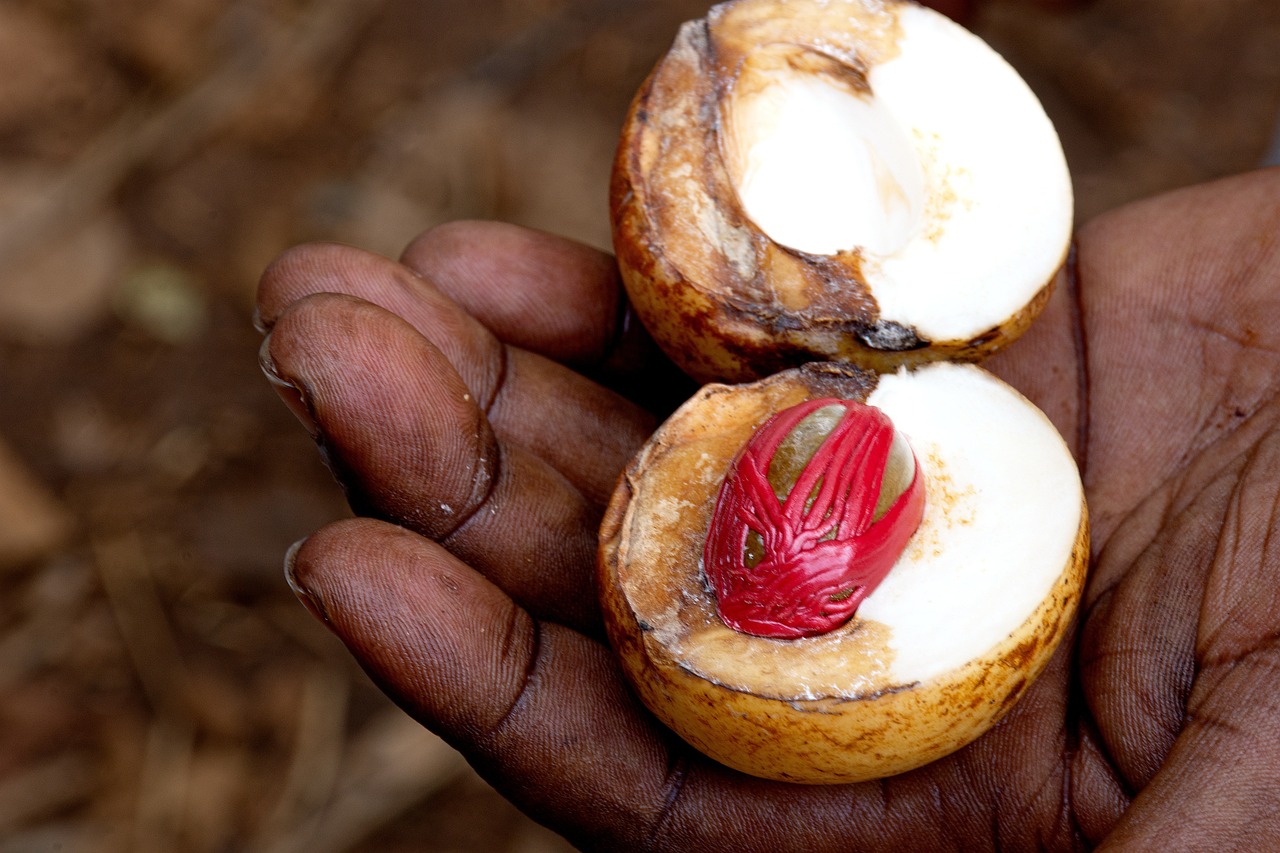
From the sea comes the great bounty of the coast, fish, prawns, crab, lobster, and octopus, grilled, fried, or simmered in coconut and spice, and the abundance of the reef and the ocean gives the Swahili table its maritime character. Curries thick with coconut and spice, samosas and other savouries showing the Indian influence, and breads of many kinds fill the meal, while the spices of Zanzibar, the very islands that made the coast famous as the Spice Islands, flavour everything.
Fruit and sweetness round out the cuisine, the mango, the coconut, and the many tropical fruits of the coast, and the sweet cakes and puddings, often perfumed with rose water or cardamom, that show the Arab and Indian heritage. The strong spiced coffee and tea, the sugarcane juice, and the tamarind drinks refresh the day. In its spiced rice, its seafood, and its blend of the flavours of three continents, Swahili food is the very taste of the Indian Ocean world that the coast made its own.
The Maulidi, the Eids, and the Festivals of the Ports
The festivals of the Swahili are the feasts of Islam, kept with the grace and abundance of the coastal towns. The two Eids, the celebration at the end of Ramadan and the feast of the sacrifice, are the great days of the year, when families dress in their finest, prepare rich feasts of pilau and sweetmeats, and gather to pray, visit, and rejoice after the discipline of the fast. The towns fill with colour and celebration, and the bonds of family and community are renewed in the sharing of food and greeting.
A festival especially dear to the Swahili is the Maulidi, the celebration of the birth of the Prophet Muhammad, marked with recitation, song, and processions of great beauty. The Maulidi of Lamu is the most famous, drawing pilgrims and visitors from across the coast and beyond for days of religious poetry, chanting, and devotion, along with dhow races, donkey races, and other festivities that blend the sacred and the joyous in the distinctive manner of the coast.
Weddings are among the grandest of Swahili celebrations, elaborate and prolonged affairs filled with feasting, taarab music, the application of henna, and the display of the finery and wealth of the families, and they can last for days and gather a wide circle of kin and neighbours. Alongside these stand the festivals of the modern age, and cultural festivals that celebrate Swahili music, film, and heritage now draw visitors to the coast. In the Eid, the Maulidi, and the wedding, the Swahili gather in the graceful, faith-filled spirit of their culture.

From the Ancient Ports to Zanzibar and Beyond
The Swahili civilisation grew from the coastal communities of East Africa who, from around the first millennium, entered into the trade of the Indian Ocean, exchanging the gold, ivory, and other goods of the African interior for the cloth, ceramics, and manufactures of Arabia, Persia, India, and China. From these beginnings arose the stone towns, and by the medieval centuries a chain of prosperous city-states lined the coast, with Kilwa in the south growing rich on the gold of Zimbabwe and building monuments that awed the Arab travellers who described them.
The coming of the Portuguese around 1500 shattered the old order, as they seized and sacked the Swahili towns, built their forts, and sought to control the ocean trade for themselves, beginning a long period of disruption and decline. In time the Portuguese were driven from the northern coast with the help of the sultans of Oman, and in the nineteenth century the Omani sultanate established its seat at Zanzibar, which became the great centre of the coast, immensely rich on the trade in cloves, ivory, and, darkly, enslaved people carried from the interior.
The nineteenth century brought the height of Zanzibars power and then the coming of European colonial rule, as the British, Germans, and others partitioned the coast and its hinterland. The abolition of the slave trade, the imposition of colonial control, and eventually independence transformed the Swahili world, and the union of Zanzibar with the mainland created modern Tanzania. Through conquest, trade, and revolution, the Swahili coast passed from a world of independent city-states into the modern nations of East Africa, carrying its ancient civilisation forward.
The Swahili World in the Modern Age
Today the Swahili live along the coast and islands of Kenya, Tanzania, and their neighbours, and their ancient towns, Zanzibars Stone Town, Lamu, Mombasa, and the ruins of Kilwa, are treasured as monuments of a great civilisation, several of them honoured as World Heritage Sites that draw travellers from around the world. The coastal culture endures in the mosques and the carved doors, in the taarab music and the spiced cuisine, and in the refined traditions of the old towns, even as tourism and change reshape the shore.
The greatest legacy of the Swahili, however, has spread far beyond the coast, for their language, Kiswahili, has become one of the most important in all of Africa. Carried inland by trade and then promoted by the modern nations, it is a national and official language of Tanzania, Kenya, and others, a lingua franca for well over a hundred million people, and a language of the African Union, uniting a vast and diverse region. In this the coastal civilisation has given a priceless gift to the whole continent.
The Swahili coast today faces the pressures of the modern world, the growth of tourism and its strains, questions of land and identity, and the challenge of preserving a heritage of coral towns against time and neglect. Yet the deep culture of the coast endures, its faith, its language, its music, and its cosmopolitan grace, and Swahili identity remains a living and evolving thing. Heirs to a civilisation made by the ocean, the Swahili carry their coastal heritage forward as one of the most influential of all African peoples.

Related Peoples of the Region
- Amhara of the Ethiopian Highlands and Their Empire That Never Bowed
- Oromo of the Ethiopian Highlands and Their Ancient Democracy of the Generations
- Somali of the Horn of Africa and Their Nation Bound by Word and Faith
- Maasai of the East African Plains and Their Cattle Given by the Sky God
- Kikuyu of Mount Kenya and Their Land Given by God to the Children of Mumbi
- Baganda of the Great Lake and Their Kingdom on the Hills of Buganda