Across the seven thousand islands of the Philippines live the Filipinos, an Austronesian people of great warmth and resilience, of whom the Tagalog around Manila are among the largest and most influential. Shaped by centuries of Spanish and American rule, they forged from many peoples a single vibrant nation.
Theirs is a heritage of ancient rice terraces and pre-colonial script, of deep Catholic faith and exuberant town fiestas, of jeepneys and adobo and a famous devotion to family. To know the Filipinos is to meet one of the most spirited and outward-looking peoples of Southeast Asia.
The Philippines on Film
Contents
- Origins
- The Name
- The Language
- The Homeland
- The Old Way of Life
- Society and Community
- Religion and Belief
- Traditions
- Crafts
- Food
- Festivals
- History
- Today
Origins
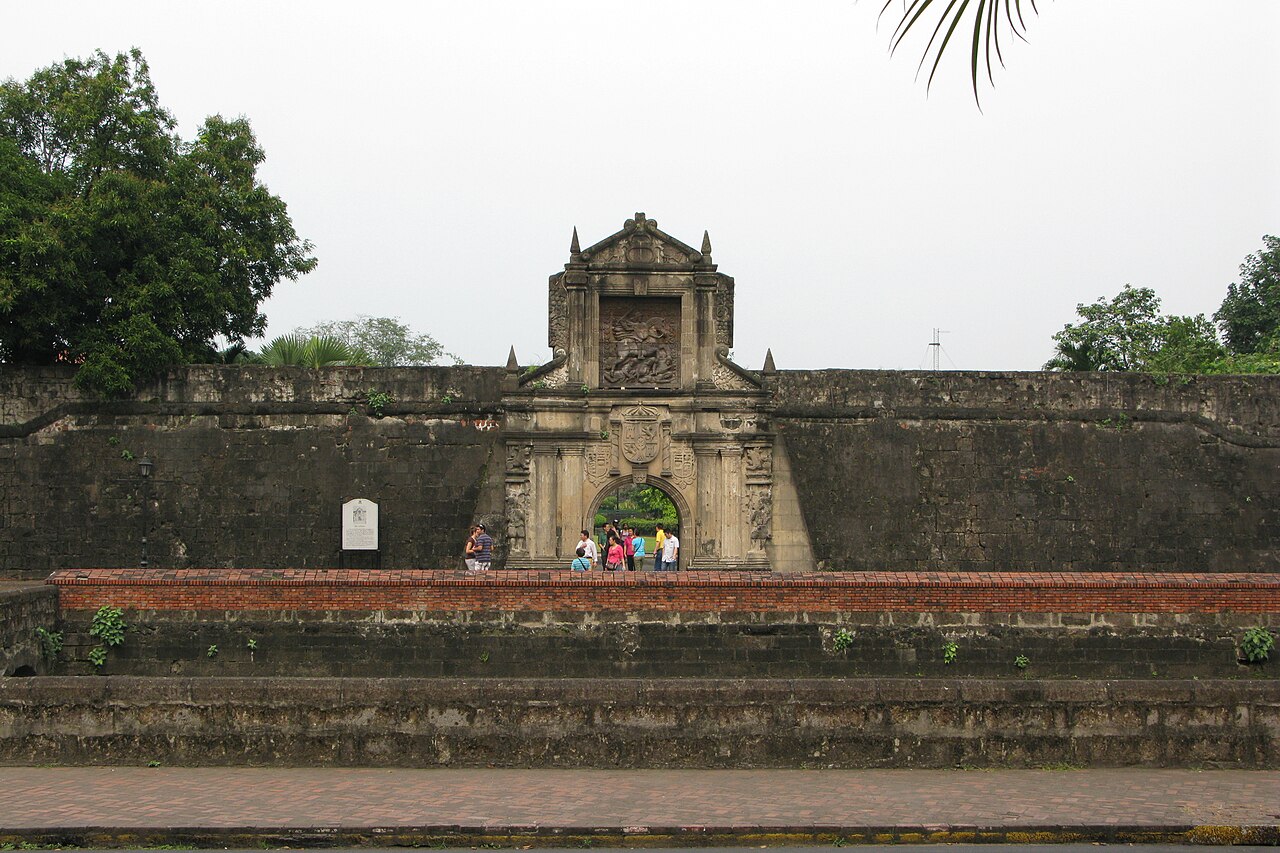
The Filipinos are the people of the Philippines, an archipelago of some seven thousand islands in the western Pacific, and the Tagalog are among the largest and most influential of the many Filipino peoples, centred on the region around Manila. Austronesian in origin, the Filipinos share ancestry with the other peoples of maritime Southeast Asia.
The islands were settled thousands of years ago by Austronesian seafarers, who built village societies and trading networks across the archipelago. From the sixteenth century Spanish colonisation, and later American rule, transformed the islands, forging from their many peoples the modern Filipino nation, with the Tagalog language at its heart.
The Name

The name Philippines was given by the Spanish in honour of King Philip II, and the people became known as Filipinos. The Tagalog take their name from taga-ilog, meaning people of the river, and their language became the basis of Filipino, the national language.
The Filipinos are made up of many ethnolinguistic groups, of whom the Tagalog, the Visayans, and the Ilocano are among the largest. Bound together by a shared archipelago, history, and increasingly a common language and faith, they form one of the great peoples of Southeast Asia.
The Language

The Tagalog language, an Austronesian tongue, is the basis of Filipino, the standardised national language of the Philippines, spoken alongside English in government, education, and media. Before colonisation Tagalog and other Philippine languages were written in Baybayin, an elegant indigenous script.
Centuries of Spanish and American rule left a deep imprint, and Filipino is rich in Spanish and English loanwords, while English is widely spoken across the islands. Dozens of other languages, such as Cebuano and Ilocano, are spoken by the various Filipino peoples.
The Homeland

The Filipino homeland is the vast archipelago of the Philippines, from the large northern island of Luzon, home of the Tagalog and Ilocano, through the central Visayan islands to Mindanao in the south. It is a land of volcanoes, tropical forests, and thousands of islands ringed by seas.
The Tagalog heartland lies in central and southern Luzon around the great bay and city of Manila, while the spectacular rice terraces of the northern highlands testify to the antiquity of Filipino civilisation. Monsoon rains, typhoons, and the sea shape life across the islands.
The Old Way of Life
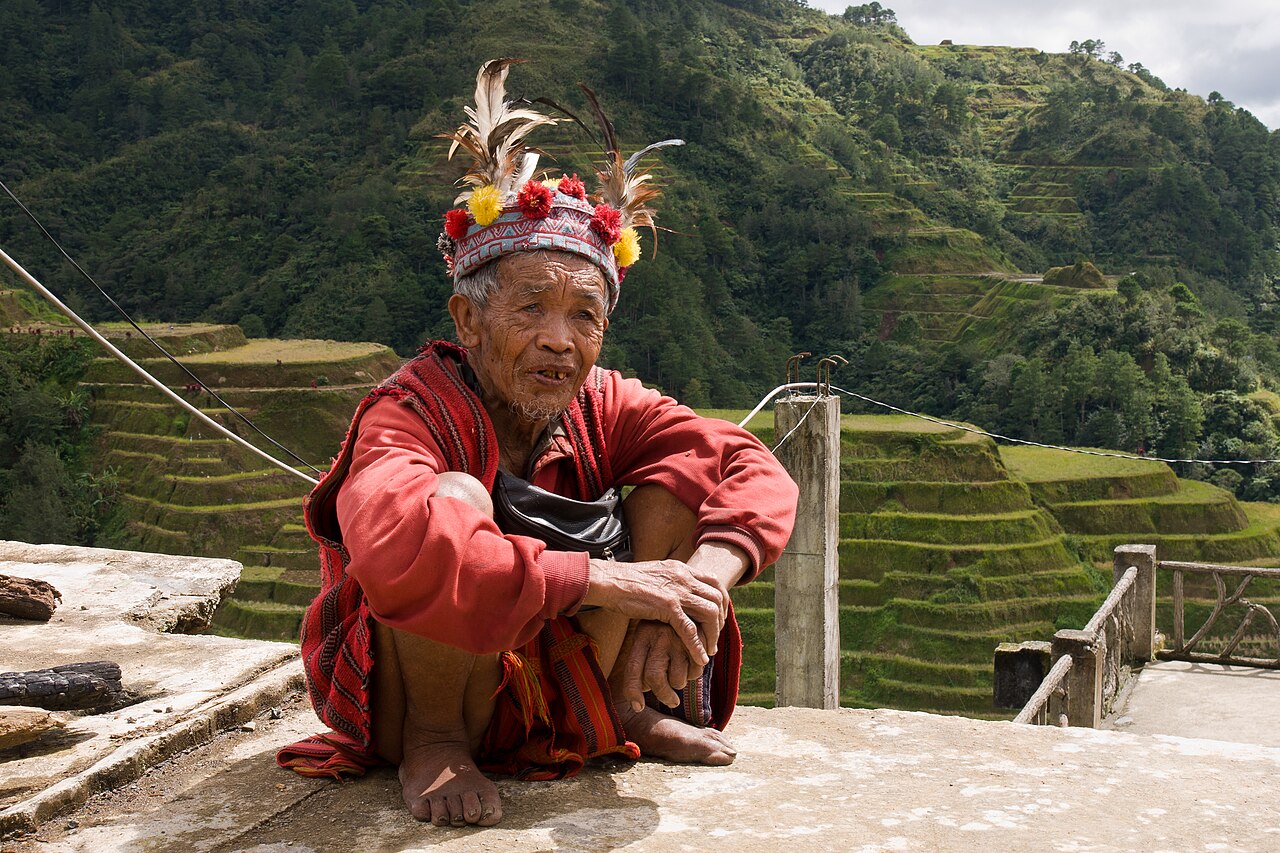
For most of their history the Filipinos were farmers and fishers, growing rice in the lowlands and, in the highlands of Luzon, on the astonishing terraces carved into the mountains over centuries. Village society, the barangay, was the basic unit, led by a chief and bound by kinship.
Along the coasts, fishing and inter-island trade sustained the people, and the sea was always close at hand. Rice, the sea, and the barangay community shaped the traditional Filipino way of life across the islands.
Society and Community

Filipino society places great value on family, community, and close personal ties, expressed in concepts such as kapwa, a shared sense of self with others, and utang na loob, the debt of gratitude. The extended family is the foundation of social life, and bonds of kinship and mutual obligation run deep.
Warmth, hospitality, and a famous resilience and good humour mark the Filipino character. Catholic faith, family, and community, blended with older values, order social life, and the barong tagalog and the terno remain the elegant national dress.
Religion and Belief

The Filipinos are overwhelmingly Roman Catholic, the Philippines being one of the two largest Catholic nations in Asia, a legacy of more than three centuries of Spanish rule. The faith is woven into daily life, the calendar, and the great fiestas, and the church stands at the heart of every town.
Filipino Catholicism blends deep devotion with older indigenous beliefs and a distinctive folk piety, seen in dramatic Holy Week rituals and the veneration of local patron saints. Protestant Christians, and Muslims in the south, add to the religious landscape of the islands.
Traditions

Filipino tradition is warm, musical, and festive. Folk dances such as the tinikling, in which dancers step nimbly between clapping bamboo poles, and the graceful courtship dances of the regions are treasured. A deep love of music and song, from folk ballads to modern pop, runs through the culture.
The town fiesta, honouring the local patron saint with processions, feasting, music, and celebration, is the great communal tradition of the Philippines. Family gatherings, the customs of courtship and marriage, and the rituals of the Catholic year mark Filipino life.
Crafts

Filipino craft ranges from the fine hand-embroidery and pineapple-fibre weaving of the barong tagalog to woodcarving, basketry, and the weaving of mats and textiles across the islands. The highland peoples produce distinctive woven cloth and carvings.
A uniquely Filipino folk art is the jeepney, the flamboyantly painted and decorated public vehicle, born from surplus wartime jeeps and turned into rolling works of popular art. These crafts, from the elegant to the exuberant, express the creativity of the Filipino people.
Food

Filipino cuisine blends Malay, Spanish, Chinese, and American influences into a distinctive whole, balancing sour, salty, sweet, and savoury flavours. The national dish is adobo, meat stewed in vinegar, soy sauce, garlic, and pepper, of which every family has its own version.
Sinigang, a sour tamarind soup, lechon, the whole roast pig of fiestas, noodle dishes, and a wealth of rice cakes and sweets fill the Filipino table. Rice is the heart of every meal, and food is central to the Filipino love of family gatherings and celebration.
Festivals

The Filipino calendar overflows with fiestas, each town celebrating its patron saint with processions, music, dancing, and feasting. Great festivals such as the Ati-Atihan, Sinulog, and the flower-decked Pahiyang draw huge crowds, blending Catholic devotion with exuberant popular celebration.
Christmas, celebrated with a fervour and length unmatched in the world, and the dramatic rituals of Holy Week are the great religious festivals. Through these countless fiestas, the Filipinos express their faith, their community spirit, and their love of celebration.
History

After more than three centuries of Spanish rule, during which the islands were Christianised and unified, the Filipinos rose in revolution at the end of the nineteenth century, only to pass under American control after the Spanish-American War. The heroism of figures such as José Rizal became central to the national story.
The Philippines suffered brutal Japanese occupation in the Second World War before gaining full independence in 1946. The decades since have been marked by democracy, dictatorship under Marcos, the People Power revolution of 1986, and the mass migration of Filipinos to work around the world.
Today
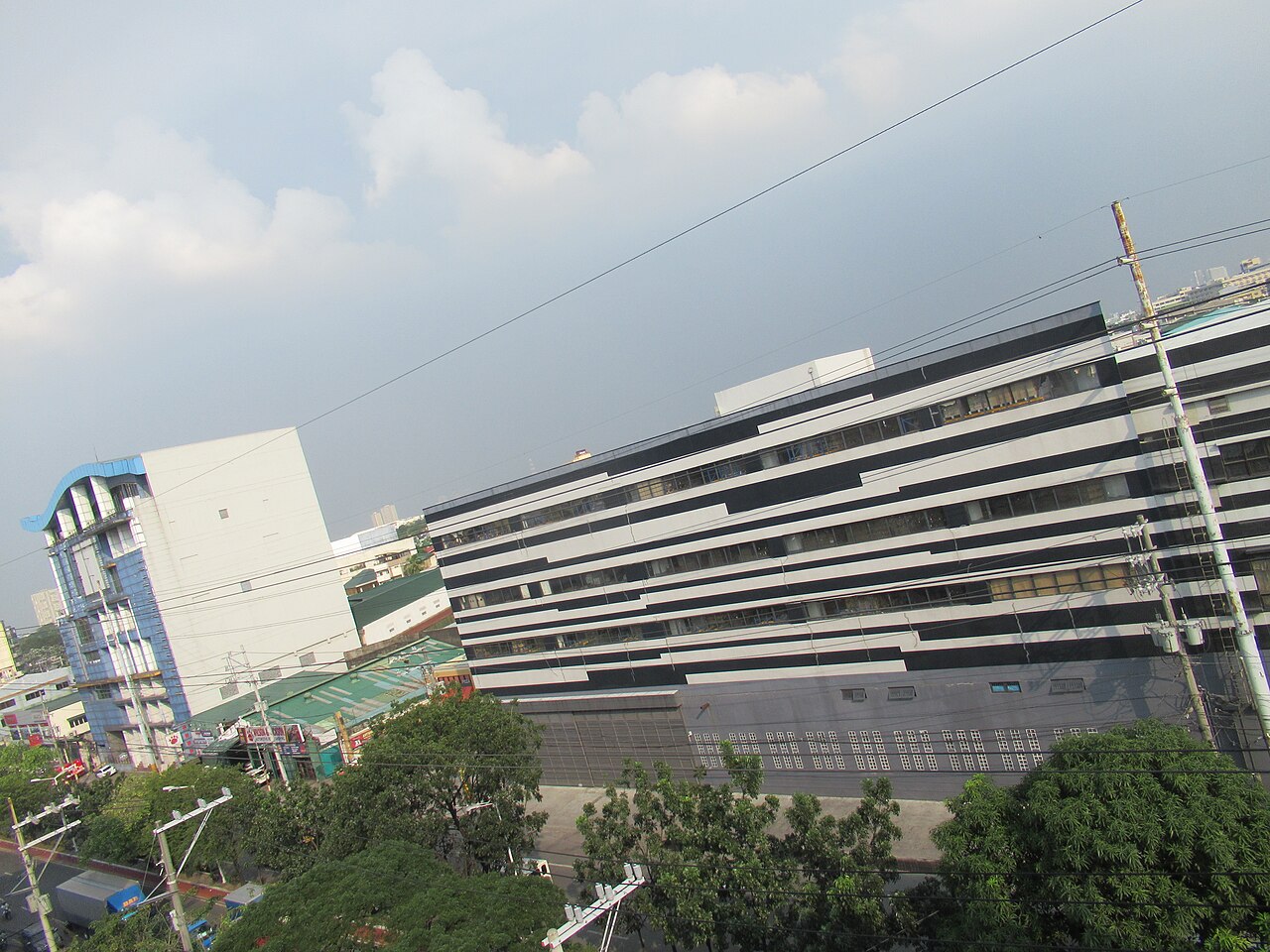
Today the Filipinos number over a hundred million in the islands, with a vast diaspora of perhaps ten million more working across the globe, from the Gulf to the seas as the world’s sailors to the hospitals and homes of the West. Manila is one of the great cities of Asia.
Modern Filipino life blends deep Catholic faith, strong family ties, and a famous warmth and resilience with the energy of a young, globally connected society. Their language, their fiestas, their food, and their close-knit families continue to define one of the great peoples of Southeast Asia and the wider world.
Related Peoples of the Region
More Peoples of the World
You May Like
The Damara, an Ancient People of Namibia