The Nuba are the many peoples of the Nuba Mountains, a range of rocky hills rising from the plains of South Kordofan in central Sudan. Numbering perhaps a million or more, they are not a single people but a great cluster of communities speaking dozens of distinct languages, bound together by their highland home and a broadly common way of life.Taking refuge in their hills over the centuries, the diverse Nuba groups developed a rich variety of cultures, famous for their wrestling, their body decoration and their farming of the mountain slopes, and in modern times bound together by a shared history of marginalisation and war. This article traces their origins, their many languages, their homeland and the customs that continue to define them.
The Nuba on Film
Contents
- Origins
- The Name
- The Language
- The Homeland
- The Old Way of Life
- Society and Community
- Religion and Belief
- Traditions
- Crafts
- Food
- Festivals
- History
- Today
Origins
The Nuba are the many peoples of the Nuba Mountains, a range of rocky hills rising from the plains of South Kordofan in central Sudan. Numbering perhaps a million or more, they are not a single people but a great cluster of communities, speaking dozens of distinct languages and sharing a common highland home and a broadly common way of life.
Taking refuge in their hills over the centuries from raiders and slavers of the surrounding plains, the diverse Nuba groups developed a rich variety of cultures, famous for their wrestling, their body decoration and their farming of the mountain slopes. Though divided by language and custom, they are bound together by their mountains and, in modern times, by a shared history of marginalisation and conflict.
The Name

The name Nuba refers collectively to the peoples of the Nuba Mountains, and should not be confused with the Nubians of the Nile far to the north, who are a separate people. The many Nuba groups, such as the Koalib, Moro, Otoro, Tira, Korongo, Mesakin and dozens of others, each have their own name, language and identity.
What unites them is their common homeland in the hills and, increasingly, a shared sense of Nuba identity forged by their marginal position in the Sudanese state and by the wars that have engulfed their region. The name Nuba thus denotes both a mosaic of distinct peoples and a growing collective identity rooted in the mountains.
The Language
The Nuba are remarkable for their linguistic diversity, speaking some fifty or more distinct languages belonging to several different families, including both Niger-Congo and Nilo-Saharan tongues. This extraordinary variety reflects the long refuge that the mountains offered to many different groups, who preserved their separate speech in the shelter of the hills.
Arabic serves as a lingua franca among the Nuba and in the wider Sudan, and many Nuba are bilingual, but the individual Nuba languages remain markers of the identity of each group. This diversity of tongues, unusual in so compact a region, is one of the most striking features of the Nuba Mountains and their peoples.
The Homeland
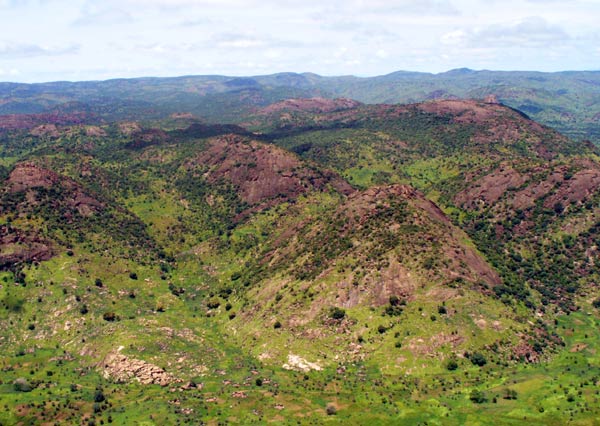
The Nuba homeland is the Nuba Mountains, a scattered range of granite hills and inselbergs rising abruptly from the clay plains of South Kordofan in central Sudan. The hills, with their more reliable water and defensible heights, were a refuge in a land otherwise exposed to raiders, and the Nuba settled their slopes and the fertile valleys between them.
The surrounding plains are hot and, in the rainy season, fertile, while the hills offer springs, stone for building and terracing, and protection. This landscape of hill and plain shaped the farming life of the Nuba and their history as a people who took shelter in the mountains, and it remains the heart of their identity.
The Old Way of Life

The Nuba are chiefly farmers, cultivating sorghum, millet, sesame, cotton and other crops on the fertile plains at the foot of the hills and, in the past, on terraced slopes and hill gardens close to their villages. Cattle, goats and sheep are kept, and in some groups cattle carry considerable importance for wealth and marriage.
Traditionally many Nuba built their villages on the hills for defence and farmed the plains below, moving between hill and field with the seasons. This combination of hill settlement and plain cultivation, adapted to the security needs of a threatened people, shaped the Nuba way of life, though in more settled times many moved down to farm and live on the plains.
Society and Community
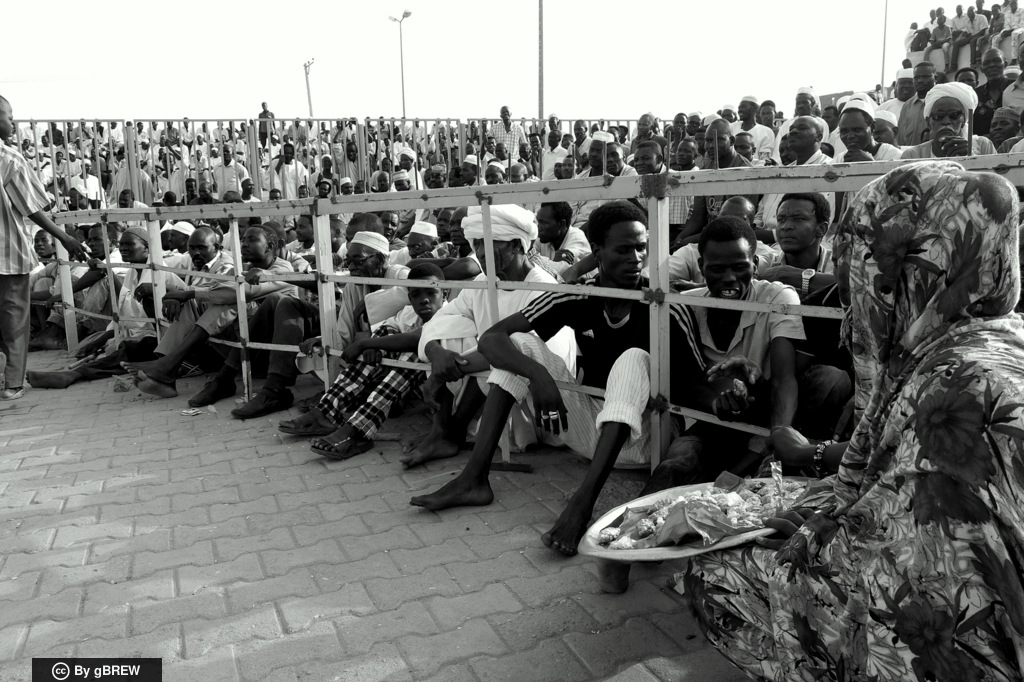
Nuba society varies greatly from group to group, but is generally organised around clans, lineages and village communities, often without any centralised chiefship over more than a local area. Age-sets, councils of elders and ritual specialists ordered social and ceremonial life in many groups, and authority tended to be local and diffuse.
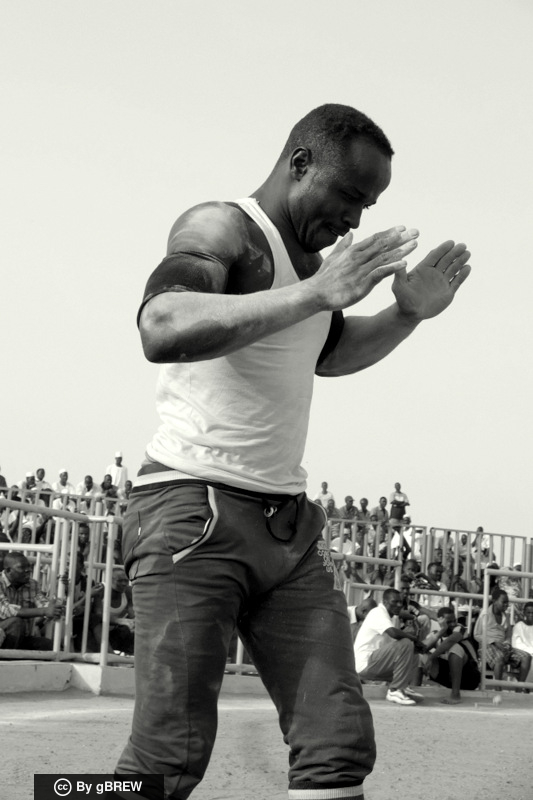
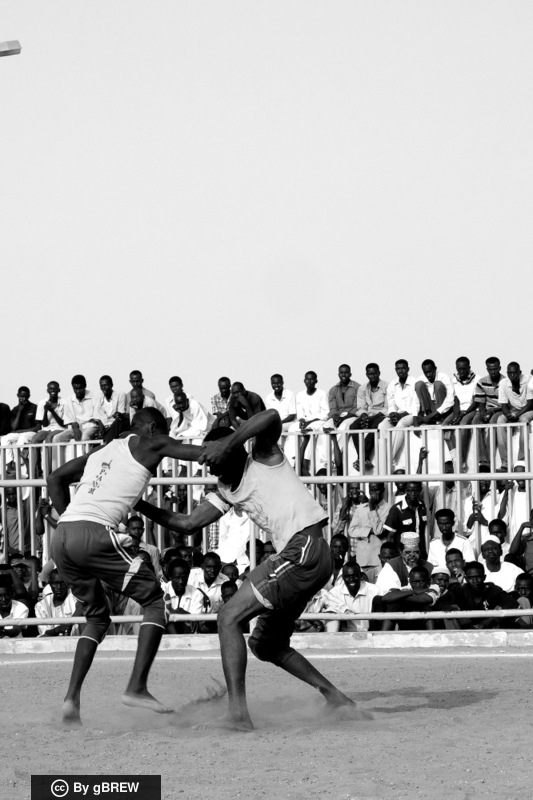
Wrestling, for which the Nuba are famous, was closely bound up with the social order, the young men wrestling to gain honour and status, and the great matches serving as major social events that brought communities together. Marriage, the bonds of clan and neighbourhood, and the ceremonies of the agricultural and life cycles structured the life of the villages.
Religion and Belief
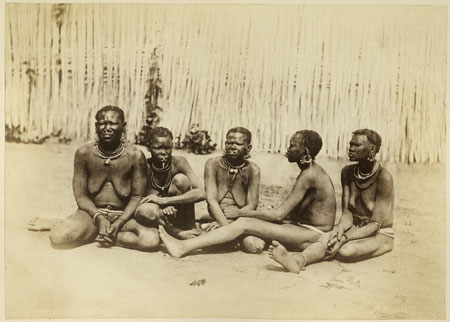
The religious life of the Nuba is as varied as their languages. Many groups traditionally followed their own religions, centred on a creator god, on spirits and on the ancestors, with rituals for rain, fertility and the wellbeing of the community led by priests and diviners. Over the centuries Islam spread among many Nuba, and in the modern era Christianity has also gained many adherents.
Today the Nuba include Muslims, Christians and followers of traditional religion, often within the same area or group, and this religious diversity is itself a mark of the region. The older beliefs, with their rituals of the harvest, the wrestling and the ancestors, survive alongside the great faiths in the varied religious landscape of the mountains.
Traditions

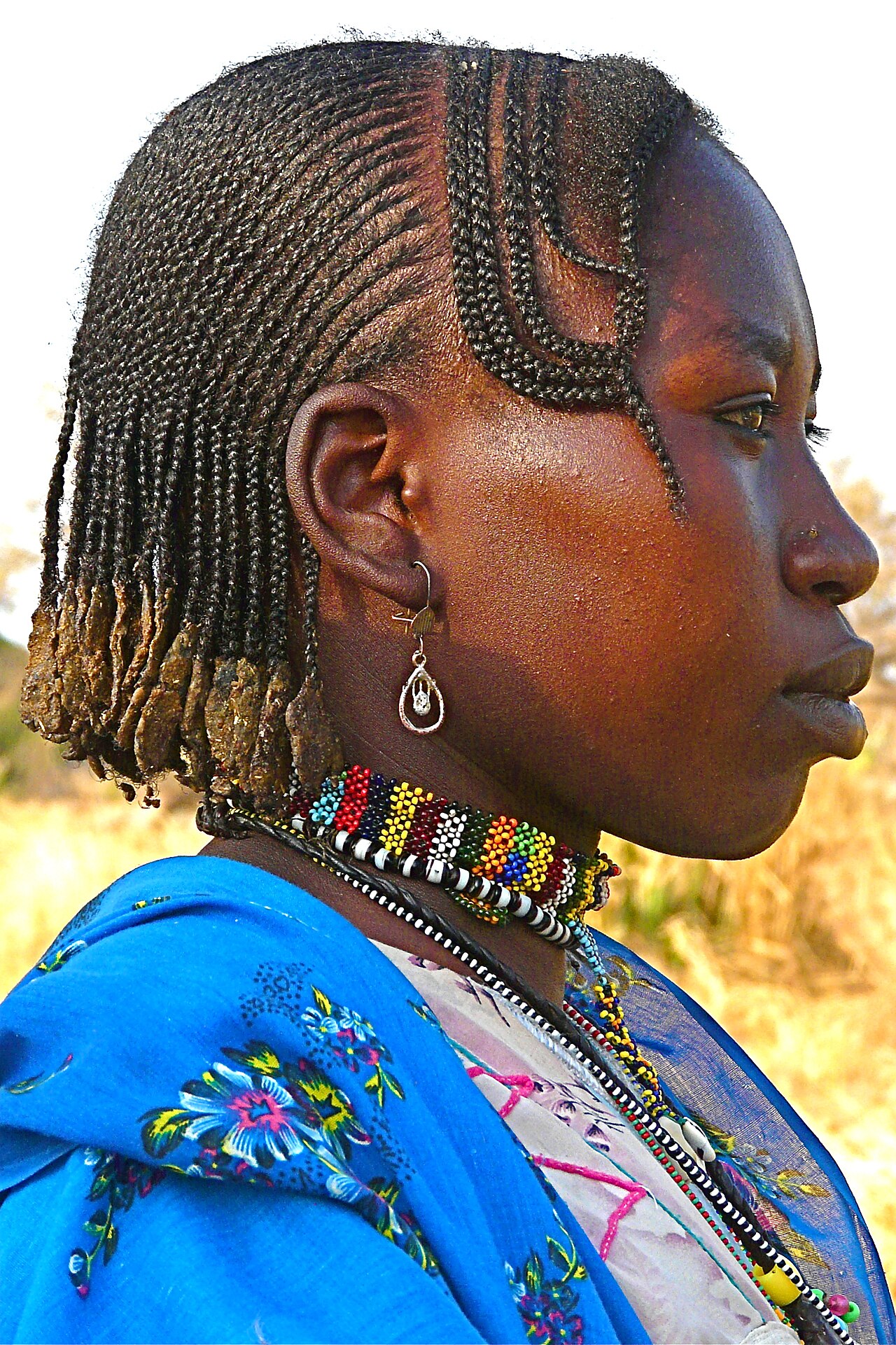
The traditions of the Nuba are famous for their vigour and beauty. Wrestling is the great sporting and ceremonial tradition, and among some groups stick-fighting and bracelet-fighting are practised, contests that establish reputation and bring communities together. Elaborate body decoration, painting and scarification, especially among the southeastern groups, adorned the body with striking designs.
Music, drumming and dance accompanied wrestling, harvest and the ceremonies of the life cycle, and each group had its own distinctive songs and dances. These traditions, recorded in famous photographs and films, made the Nuba widely known, and despite war and displacement the wrestling, dance and body arts remain cherished expressions of Nuba identity.
Crafts
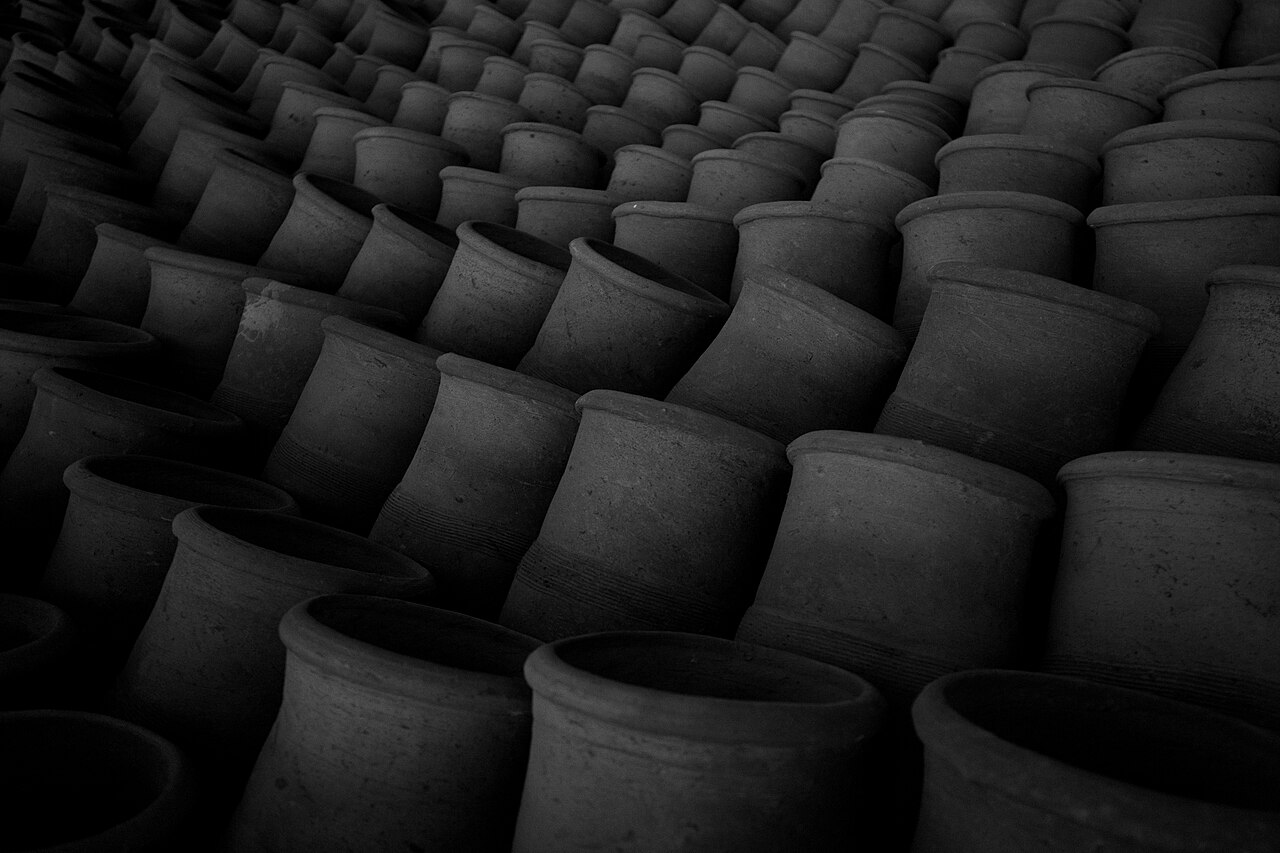
Nuba craftsmanship served a farming and herding life in the hills. Households made pottery, of which the region has a strong tradition, wove baskets and mats, and worked the gourds, hides and wood of daily use. Ironworkers forged the hoes, knives and spears needed for farming and defence.
Body decoration, the painting and scarification of the skin, and the making of beadwork and ornament were themselves refined arts, especially among the groups famous for their adornment. The building of the round thatched houses and granaries, and the terracing of the hill gardens, called for practical skill. These crafts reflect the varied and inventive material culture of the many Nuba peoples.
Food
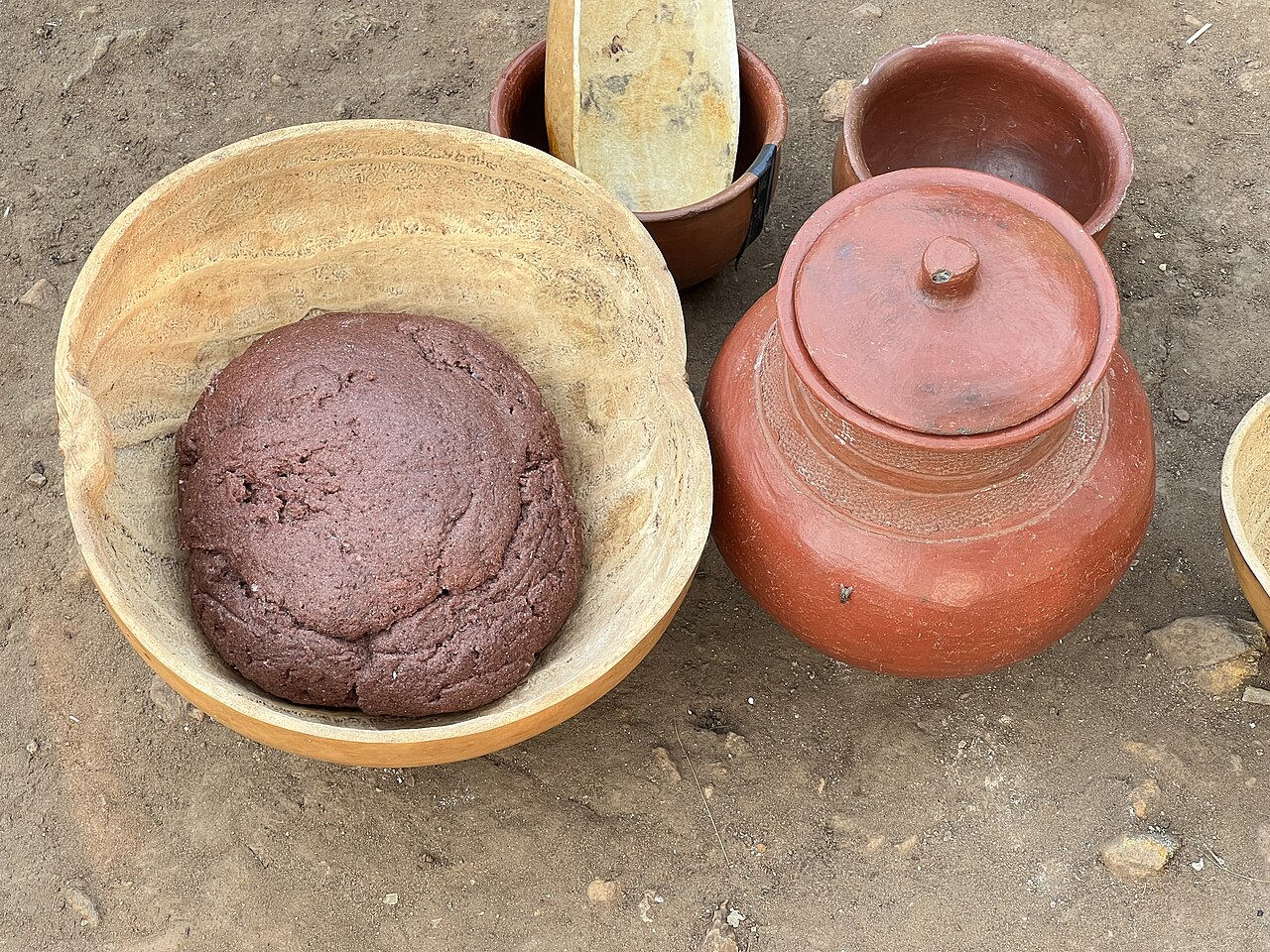
The staple food of the Nuba is sorghum, grown on the plains and hills, ground and cooked into a stiff porridge and into flat breads, and brewed into beer, which is important in hospitality and ceremony. Millet, sesame, okra, beans and other crops, together with the produce of gardens, fill out the diet.
Milk and meat from the herds add to the food where livestock is kept, and wild foods gathered from hill and plain help in lean seasons. Sorghum beer, in particular, has a central place in Nuba social and ritual life. Simple and drawn from the crops of the mountains and plains, Nuba cooking reflects the farming life of the hill peoples.
Festivals
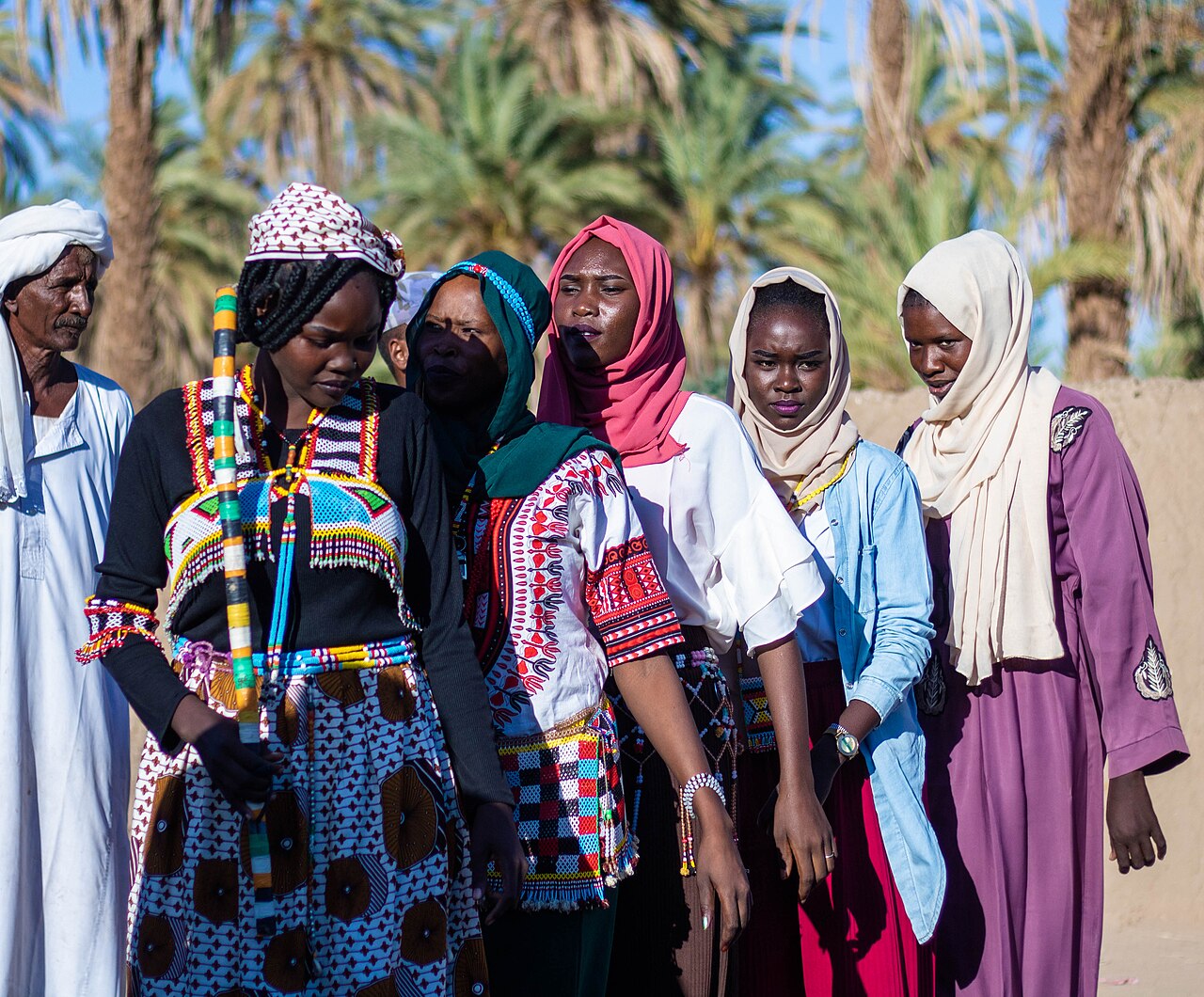
Festive life among the Nuba centres on the great wrestling matches, the harvest celebrations and the ceremonies of the life cycle, which vary from group to group but everywhere bring communities together for contest, music, dance and feasting. The wrestling season, following the harvest, was the high point of the year, drawing crowds and champions from many villages.
Body painting, the display of finery, drumming and dance accompanied these gatherings, and the coming together of villages for a great match or a harvest festival renewed the bonds of the community. Today, amid war and displacement, the Nuba have carried their wrestling and their festivals with them, and cultural events keep the traditions of the mountains alive.
History
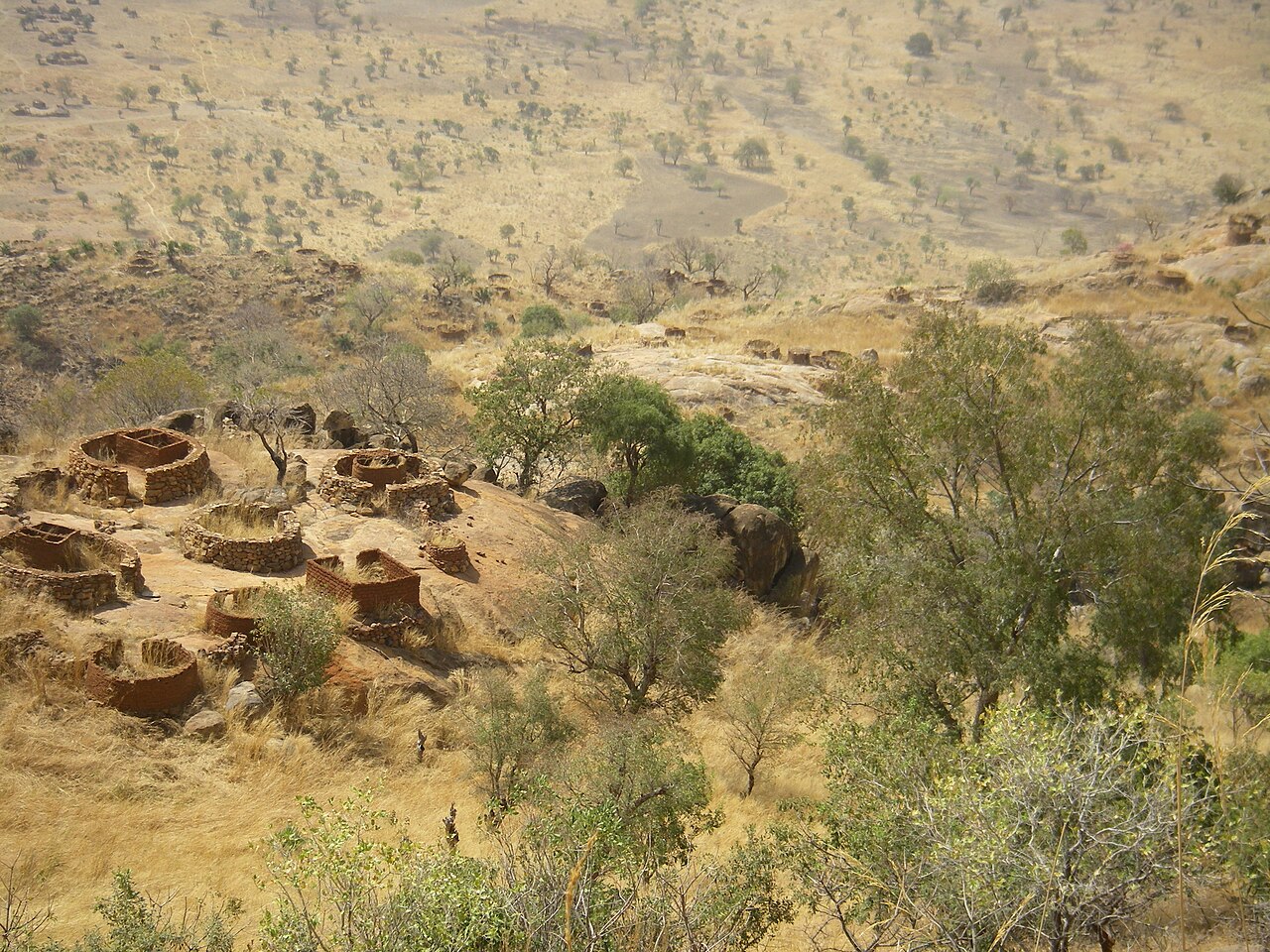
The Nuba took shape as a mosaic of peoples sheltering in their mountains from the raiding and slaving of the surrounding plains, a refuge that preserved their remarkable diversity of language and culture. Under the Funj and later Turco-Egyptian and Mahdist rule, and into the Anglo-Egyptian and independent Sudan, the Nuba remained a marginal and often exploited people on the fringes of the Arab-dominated state.
In the late twentieth and early twenty-first centuries the Nuba Mountains became a battleground in Sudan’s civil wars, and the Nuba suffered terribly from campaigns of violence, displacement and, at times, deliberate destruction, even as they organised to defend their land and identity. This history of marginalisation and conflict has forged a stronger sense of common Nuba identity across the many groups.
Today
Today the Nuba number perhaps a million or more, still concentrated in the Nuba Mountains of South Kordofan, though many have been displaced by war to Khartoum, to camps and to the diaspora. Farming of sorghum and other crops remains the basis of life in the hills, but conflict and insecurity have brought great hardship to the region.
Amid war and marginalisation, the Nuba have held to their identity, their wrestling, their music and the diversity of their many cultures, and a strong sense of shared Nuba identity has grown. Proud of their mountains and their traditions, and enduring one of the most troubled situations in contemporary Africa, the Nuba carry their rich and varied heritage into an uncertain future.
Related Peoples of the Region
- The Afar, the Salt Caravaneers of the Danakil
- The Sidama, the Ensete Farmers of Southern Ethiopia
- The Gurage, the Enset Farmers and Traders of Ethiopia
- The Wolayta, the Kingdom Farmers of Southern Ethiopia
- The Hamar, the Bull-Jumpers of the Omo Valley
- The Mursi, the Lip-Plate People of the Omo Valley
- The Konso, the Terrace Builders of Southern Ethiopia
- The Shilluk, the Divine Kingdom of the White Nile
More Peoples of the World
- A Fifth of Humanity, the Story of the Han Chinese
- How the Maori Sailed Across the Pacific to Reach New Zealand
- Zulu of the Green Hills and Their Kingdom Forged by Shaka
- The People Who Never Vanished, the Story of the Maya
- Long Before the Arabs Came, North Africa Belonged to the Amazigh
- The People Who Emerged Into This World, the Story of the Navajo
- Meet the Ainu, an Indigenous People at Japan’s Northern Edge
You May Like
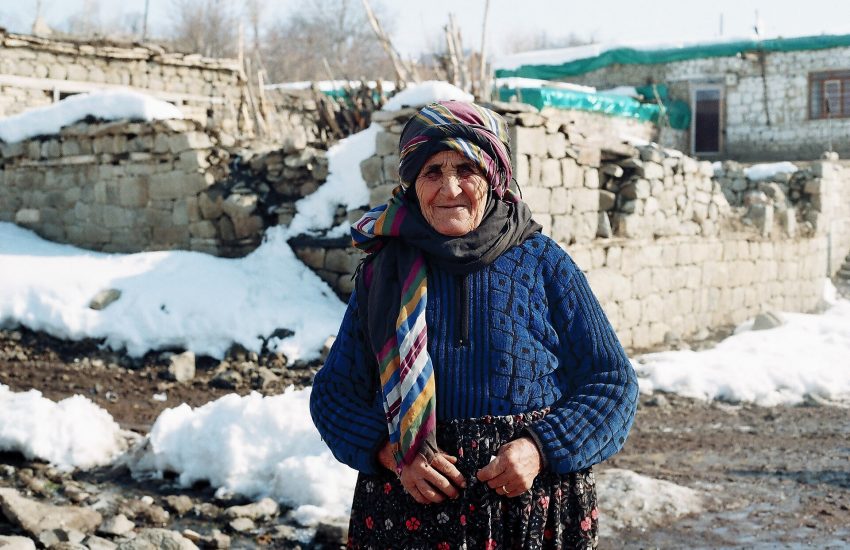
The Zaza, a Mountain People of Eastern Anatolia