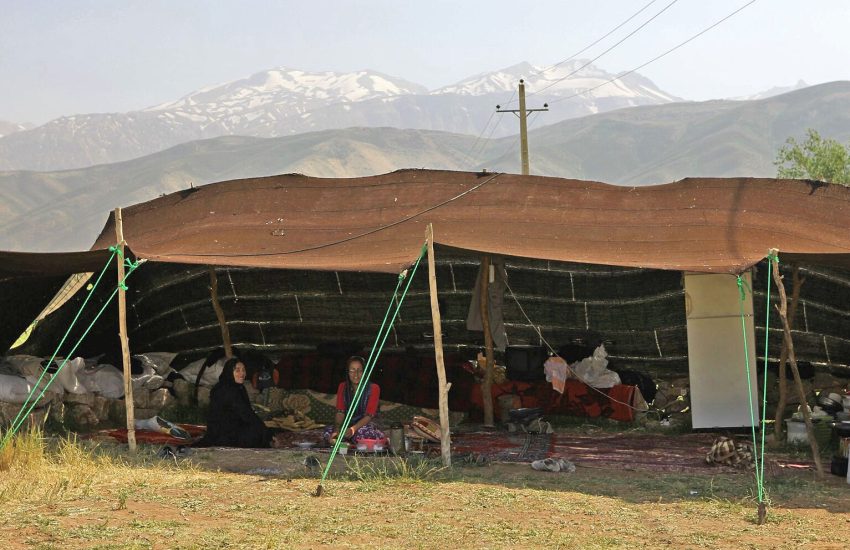
The Nama, or Namaqua, are a Khoekhoe people of Namibia and the northwestern Cape of South Africa, the largest surviving group of the Khoikhoi, the ancient herding peoples of southern Africa. Numbering some hundreds of thousands, they are pastoralists of the dry country of the south, and are among the oldest inhabitants of the region.Descended from the Khoikhoi who herded across southern Africa long before the Bantu-speaking peoples and Europeans arrived, the Nama preserved their click language and their pastoral way of life, and in the colonial era resisted fiercely under leaders such as Hendrik Witbooi, suffering a genocide alongside the Herero. Celebrated for their poetry, music and the Nama stap dance, they are a people of deep roots. This article traces their origins, language, homeland and the customs that continue to define them.
The Nama on Film
Contents
- Origins
- The Name
- The Language
- The Homeland
- The Old Way of Life
- Society and Community
- Religion and Belief
- Traditions
- Crafts
- Food
- Festivals
- History
- Today
Origins

The Nama, or Namaqua, are a Khoekhoe people of Namibia and the northwestern Cape of South Africa, the largest surviving group of the Khoikhoi, the ancient herding peoples of southern Africa. Numbering some hundreds of thousands, they are pastoralists of the dry country of the south, and are among the oldest inhabitants of the region.
Descended from the Khoikhoi who herded their cattle and sheep across southern Africa long before the Bantu-speaking peoples and the Europeans arrived, the Nama preserved their click language and their pastoral way of life in the arid lands of Namaqualand and southern Namibia. Herders, poets and, in the colonial era, fierce resisters under leaders such as Hendrik Witbooi, the Nama are a people of deep roots and enduring identity.
The Name
The people call themselves the Nama, or Namaqua, and are part of the wider Khoikhoi, the herding peoples whom early European settlers called Hottentots, a name now considered offensive. They are made up of a number of groups and clans spread across Namibia and the northern Cape.
Their identity is bound up with their Khoekhoe language, with their pastoral heritage and with their history of resistance to colonial rule. The name Nama denotes the largest of the surviving Khoikhoi peoples, heirs to one of the most ancient ways of life in southern Africa, and a people proud of their distinct language and culture.
The Language
The Nama speak Khoekhoegowab, also called Nama or Damara, a language of the Khoe branch of the Khoisan languages, famous for its click consonants. It is the most widely spoken of the surviving Khoisan languages, shared with the Damara and other groups, and spoken by some hundreds of thousands of people.
Rich in the oral poetry and praise-song for which the Nama are celebrated, the language has also been written since the missionary period and is taught and used in Namibia. Afrikaans and English are widely known, but Khoekhoegowab remains the everyday language of the Nama and a precious survival of the ancient Khoisan languages of southern Africa.
The Homeland
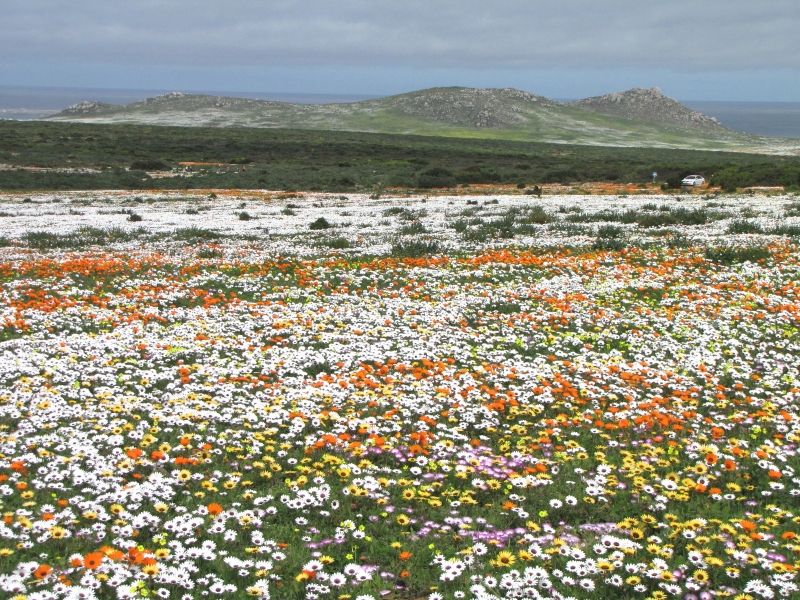
The Nama homeland is the dry country of southern Namibia and the northwestern Cape of South Africa, above all the region of Namaqualand, a land of desert, semi-desert, rocky hills and sparse grassland, watered by rare rains. It is a harsh and beautiful country, famous for the spectacular carpets of wild flowers that briefly cover Namaqualand after the winter rains.
This arid land, suited above all to the herding of goats and sheep, shaped the pastoral and mobile life of the Nama, who moved with their herds in search of the scanty pasture and water. Centred on towns such as Keetmanshoop in Namibia and the Namaqualand of the Cape, the dry south is the homeland and the enduring touchstone of the Nama.
The Old Way of Life

The Nama were traditionally pastoralists, herding goats, sheep and cattle across the dry country, moving with the seasons in search of pasture and water, and living in portable mat-covered dome houses that could be dismantled and carried. The herds provided milk, the staple food, along with meat, and were the measure of wealth and the centre of social life.
Hunting and the gathering of wild plants supplemented the herding, especially in hard times, and the Nama knew intimately the plants and animals of their arid land. This mobile, pastoral life, of great antiquity, was disrupted by colonisation, the loss of land and cattle, and the settling of much of the people, but herding of goats and sheep remains important, and the pastoral heritage is central to Nama identity.
Society and Community
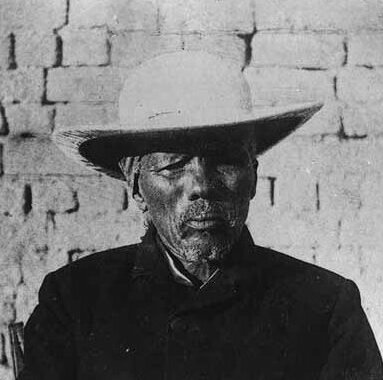
Nama society was organised into clans and chiefdoms, each with its chief and council, and ordered by kinship and by the bonds of the herding community. The chiefs, with their councillors, governed their people and their grazing lands, and in the colonial era leaders such as Hendrik Witbooi united the Nama in war and diplomacy.
Below the level of the chiefdom, the extended family and the encampment were the core of daily life, and cooperation in herding and the sharing of scarce pasture and water were essential. Marriage, kinship and the customs of the herding community ordered social relations. The Nama were known for their strong tradition of consultation and for the eloquence and diplomacy of their leaders.
Religion and Belief
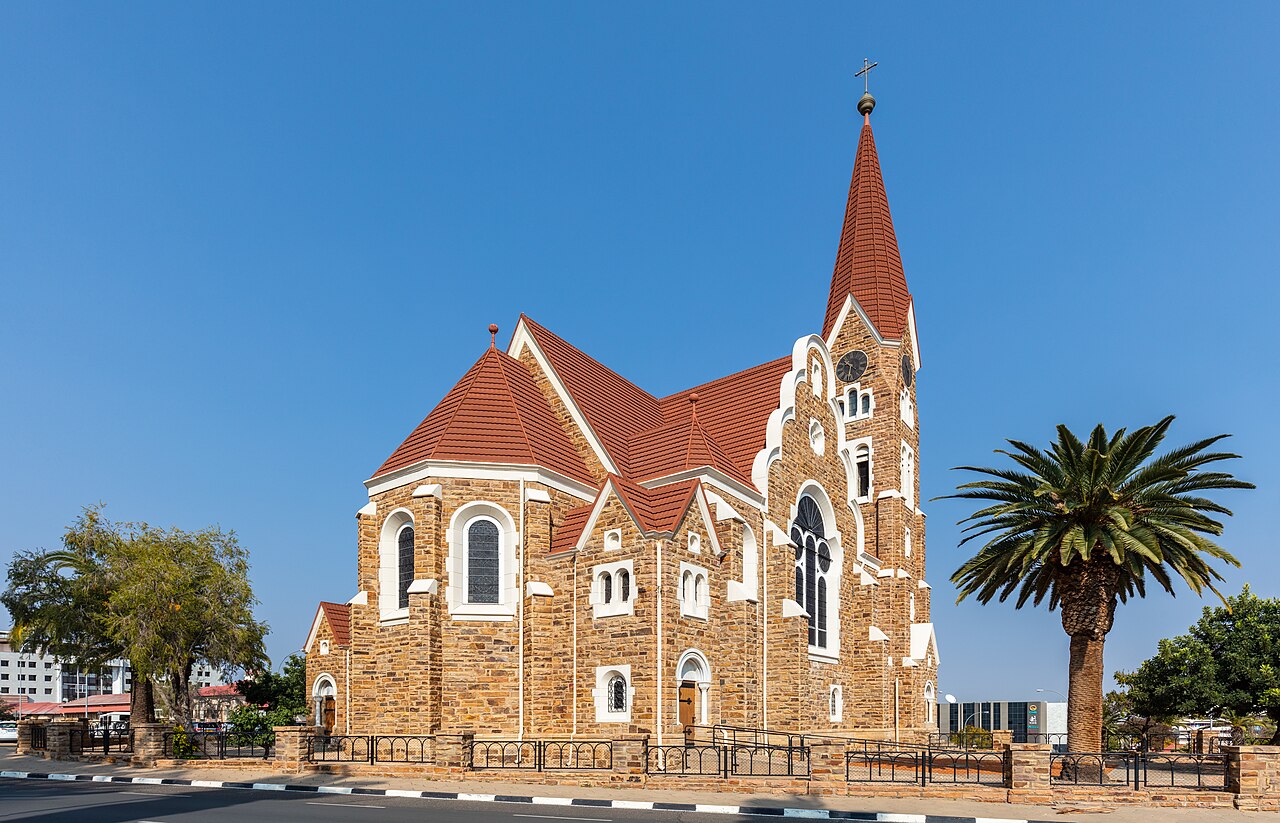
Traditional Nama religion recognised a creator and a range of spiritual beings, including a benevolent figure associated with the rain and life and a malevolent one associated with death and misfortune, and it honoured the dead and the ancestors, whose graves and cairns were places of respect. The moon and the rituals of rain and healing held their place.
Diviners and healers dealt with sickness and the unseen. From the early nineteenth century Christian missions, above all German and Rhenish, spread widely among the Nama, and today the great majority are Christian, with a strong tradition of church music and hymnody in the Nama language. Older beliefs and customs survive within and alongside the Christian faith.
Traditions

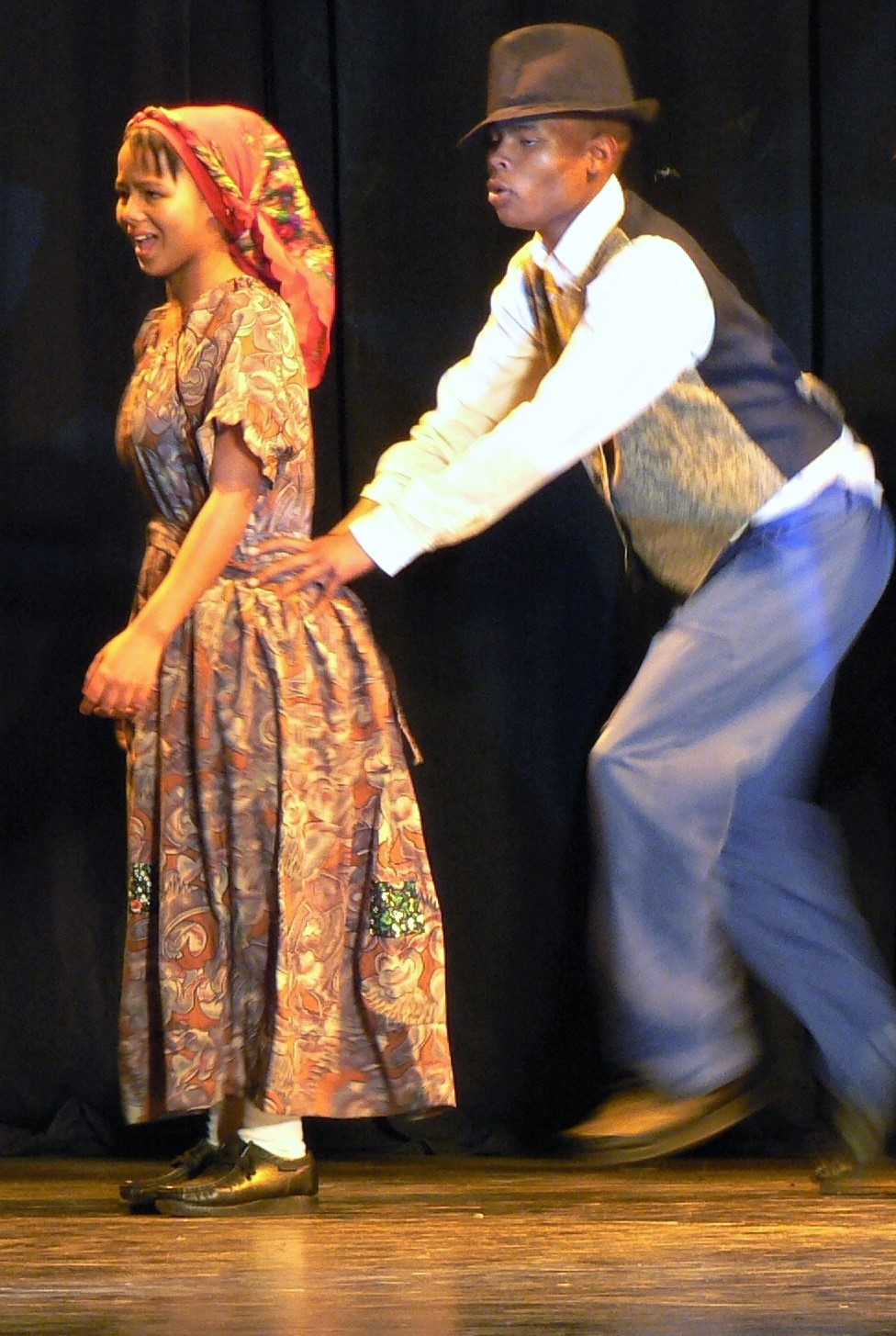
The traditions of the Nama are famous for their music, poetry and dance. The Nama are renowned for their eloquence and their oral poetry, and for their singing, including the church hymnody in their own language, and for the celebrated Nama stap, a dignified traditional dance performed by couples in fine dress. Their music, with its distinctive rhythms, is much loved.
The traditional patchwork dresses of the women, made of many small pieces of cloth, and the fine dress of the dances, are marks of Nama identity. The ceremonies of the life cycle, the customs of the herding community, and the traditions of poetry, music and dance order and enrich the life of the people, and give Nama culture its distinctive grace and eloquence.
Crafts

Nama craftsmanship was suited to a mobile pastoral life. The women built and covered the portable mat houses, weaving the reed mats that formed the dwelling, and made the leather garments, bags and karosses, or skin cloaks, for which the Khoikhoi were known. Leatherwork, for clothing and the gear of the herds, was a central skill.
The Nama also made ornaments, beadwork and the tools and vessels of daily life, and in modern times the patchwork dresses and other crafts have become emblems of identity and objects for sale. The making of the musical instruments for their celebrated music, and the goods of the encampment, reflect a material culture shaped by the mobile, pastoral life of the dry country.
Food
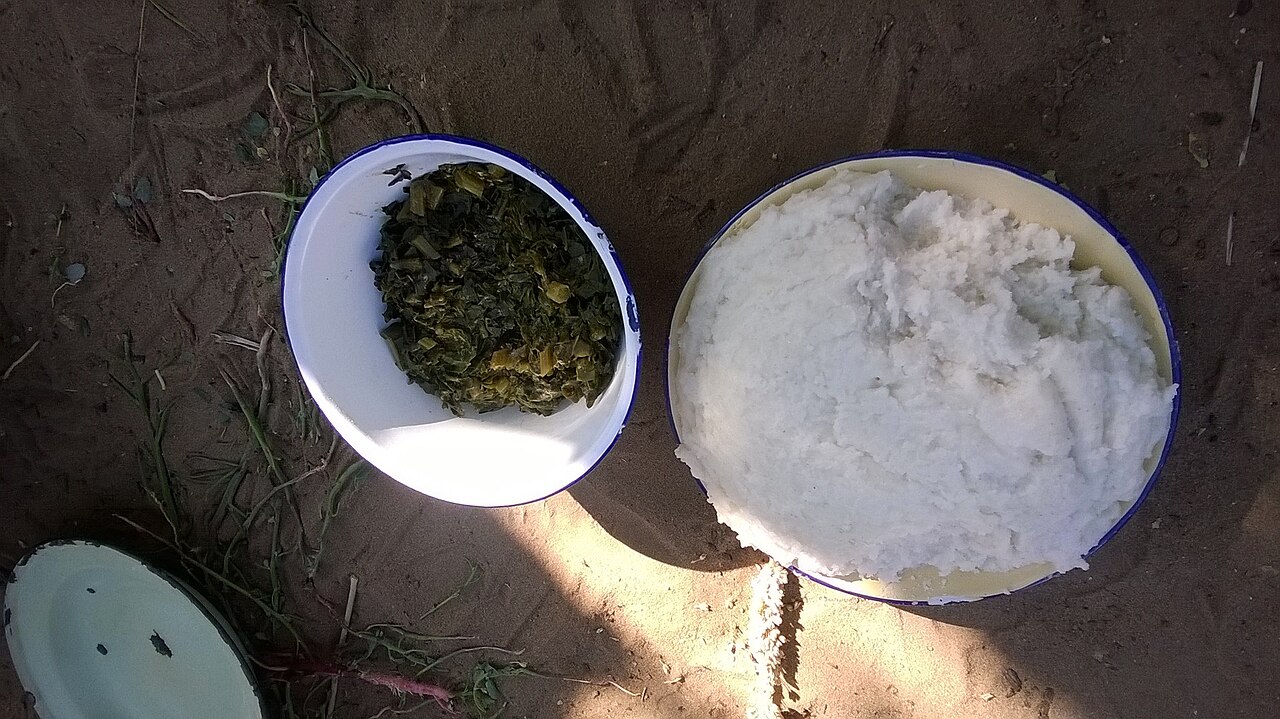
The traditional food of the Nama was, above all, the milk of their goats, sheep and cattle, drunk fresh or soured, the staple of a pastoral people, supplemented by meat and by the wild plants, roots, berries and game of the arid land. Milk in its various forms was the mainstay of the diet.
In modern times maize meal, cooked into the stiff porridge of the region, has become a staple, eaten with relishes and stews, and the diet has broadened with settled life. Wild foods, honey and the produce of the herds remain valued, and meat is important for hospitality and celebration. The pastoral origins of Nama cooking, based on milk and meat, still shape the food culture of the people.
Festivals
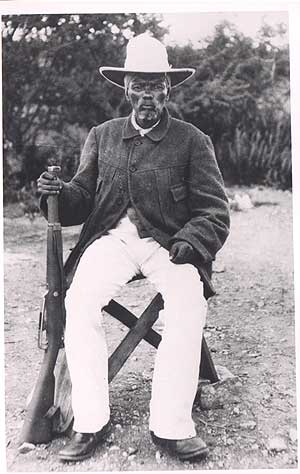
Festive life among the Nama centres on music, poetry, dance and the ceremonies of the life cycle, and, today, the festivals of Christianity and the commemoration of the people’s history. Weddings and family celebrations are occasions of feasting, singing and the dignified Nama stap dance, performed by couples in their finest dress.
The Nama are famous for their singing, and their church hymnody and their traditional songs fill celebrations and services alike. The commemoration of leaders such as Hendrik Witbooi and of the sufferings and resistance of the people has become an important occasion. Music, poetry and dance, above all the Nama stap, give Nama festivity its distinctive dignity and grace.
History
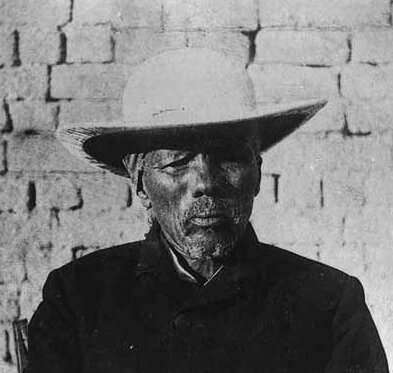
The Nama are among the most ancient peoples of southern Africa, heirs to the Khoikhoi who herded across the region for thousands of years. As European settlement spread from the Cape, many Khoikhoi were dispossessed, and the Nama moved and regrouped in the dry country of the south and, later, in what is now Namibia, where new groups, the Oorlam, crossed from the Cape and mingled with them.
In the nineteenth century the Nama, under leaders such as Hendrik Witbooi and Jakob Marengo, resisted German colonial rule in Namibia, and in the war of 1904 to 1908 they, like the Herero, suffered a genocide, driven into the desert, killed and imprisoned in camps, losing a great part of their people. The survivors endured German and then South African rule, and after Namibian independence the Nama took their place as one of the peoples of the nation.
Today

Today the Nama number some hundreds of thousands in Namibia and South Africa, still concentrated in the dry country of the south and Namaqualand, and remain proud of their ancient heritage. Herding of goats and sheep continues in the arid lands, alongside work in the towns and cities, and the towns such as Keetmanshoop are centres of Nama life.
The Nama have preserved their click language, their music and poetry, and their traditions, and the memory of their resistance and their genocide, like that of the Herero, has drawn recognition and calls for redress. Proud of their descent from the ancient Khoikhoi, their language, and their leaders’ resistance, the Nama carry one of the oldest identities of southern Africa into the modern life of Namibia and South Africa.
Related Peoples of the Region
- The Kabyle, the Berbers of the Algerian Mountains
- The Riffians, the Berber Warriors of the Rif
- The Shilha, the Berbers of the Souss and the Atlas
- The Sahrawi, the People of the Western Sahara
- The Venda, the People of the Sacred Lakes of Limpopo
- The Tsonga, the Shangaan of the Southeastern Lowveld
- The Herero, the Cattle Herders of Namibia
- The Ovambo, the Largest People of Namibia
More Peoples of the World
- A Fifth of Humanity, the Story of the Han Chinese
- How the Maori Sailed Across the Pacific to Reach New Zealand
- Zulu of the Green Hills and Their Kingdom Forged by Shaka
- The People Who Never Vanished, the Story of the Maya
- Long Before the Arabs Came, North Africa Belonged to the Amazigh
- The People Who Emerged Into This World, the Story of the Navajo
- Meet the Ainu, an Indigenous People at Japan’s Northern Edge
You May Like
The Zaza, a Mountain People of Eastern Anatolia