Along the rugged Atlantic coast of Canada, in the land they call Mi’kma’ki, live the Mi’kmaq, an Algonquian people among the first of the continent to meet the ships of Europe. Fishers of eel and salmon, hunters of the winter forest and builders of graceful birchbark canoes, they followed the rhythm of the seasons for thousands of years.United under their Grand Council and among the earliest Indigenous nations to embrace Catholicism, the Mi’kmaq signed treaties with the British Crown that never surrendered their land, rights upheld in Canadian courts to this day. Through quillwork, powwow and the feast of Saint Anne, they carry an unbroken heritage into the modern age.
The Mikmaq on Film
Contents
- Origins
- The Name
- The Language
- The Homeland
- The Old Way of Life
- Society and Community
- Religion and Belief
- Traditions
- Crafts
- Food
- Festivals
- History
- Today
Origins

The Mi’kmaq are an Algonquian people of the Atlantic coast of Canada, whose homeland, Mi’kma’ki, embraces Nova Scotia, New Brunswick, Prince Edward Island, parts of Newfoundland and the Gaspé Peninsula of Quebec, reaching into present-day Maine. They are among the first peoples of the northeastern seaboard and were among the earliest to encounter Europeans.
For thousands of years the Mi’kmaq lived by the rhythm of the seasons along this coast and its forests, moving between the shore and the interior. Their land was organised into districts, each with its own chief, united in a single nation under a Grand Council.
The Name

The people call themselves Mi’kmaq in the plural and Mi’kmaw in the singular and as an adjective, a name meaning roughly the kin-friends or the people. Their homeland of Mi’kma’ki was traditionally divided into seven districts, a structure that underlay their political life.
The Mi’kmaq are today spread across communities in all the Maritime provinces and beyond, from Eskasoni, the largest Mi’kmaw community, on Cape Breton, to bands in New Brunswick, Newfoundland and Maine. Their nation spans an international border yet remains one people.
The Language

The Mi’kmaq speak an Algonquian language, Mi’kmaq, rich in the vocabulary of the coast, the forest and the seasons. Remarkably, they also developed a system of hieroglyphic writing, later adapted by missionaries to record prayers and religious texts, one of the few Indigenous writing systems of North America.
Though English and French now dominate the region, the Mi’kmaq language survives, spoken as a first language in communities such as Eskasoni and taught and revitalised across Mi’kma’ki. It remains a vital marker of identity and a carrier of the nation’s oral heritage.
The Homeland

Mi’kma’ki, the Mi’kmaq homeland, is a country of rugged coasts, forests, rivers and islands along the Gulf of St Lawrence and the Atlantic. The sea and its estuaries teemed with fish, shellfish and eels, while the interior forests held moose, caribou and other game.
This rich but demanding environment shaped a way of life attuned to the seasons, moving between coast and interior. The Mi’kmaq knew their homeland intimately, and their deep attachment to its waters and woods lies at the heart of their identity and their treaty rights today.
The Old Way of Life

The Mi’kmaq followed a seasonal round, gathering on the coast in the warmer months to fish, harvest shellfish and hunt sea mammals, and moving inland in winter to hunt moose, caribou and beaver. Eels, salmon and other fish were staples, taken with weirs, spears and nets.
Skilled canoe-builders, the Mi’kmaq crafted elegant birchbark canoes that carried them along the coast and rivers, and they lived in birchbark wigwams suited to their mobile life. This adaptable way of living allowed them to thrive across a varied and challenging land.
Society and Community

Mi’kmaq society was united under the Sante’ Mawiómi, or Grand Council, a body of district chiefs led by a Grand Chief, which coordinated the affairs of the whole nation. This council, one of the oldest continuous governing bodies of the Indigenous northeast, still functions today in a spiritual and cultural role.
The Mi’kmaq were also part of the wider Wabanaki Confederacy of Algonquian peoples. Leadership rested on respect, wisdom and consensus, and the district chiefs and the Grand Council bound together the scattered communities of Mi’kma’ki into a single people.
Religion and Belief

The Mi’kmaq were among the first Indigenous peoples of North America to embrace Christianity, when the Grand Chief Membertou was baptised a Catholic in 1610, and the nation became devoutly Catholic. Saint Anne became the beloved patron of the Mi’kmaq, honoured at the great annual mission of Saint Anne.
This Catholic faith blended with older beliefs and understandings of the spirit world, and the church became central to Mi’kmaq community life. The Mi’kmaq honour guard and the feast of Saint Anne remain important expressions of Mi’kmaq Catholic tradition.
Traditions
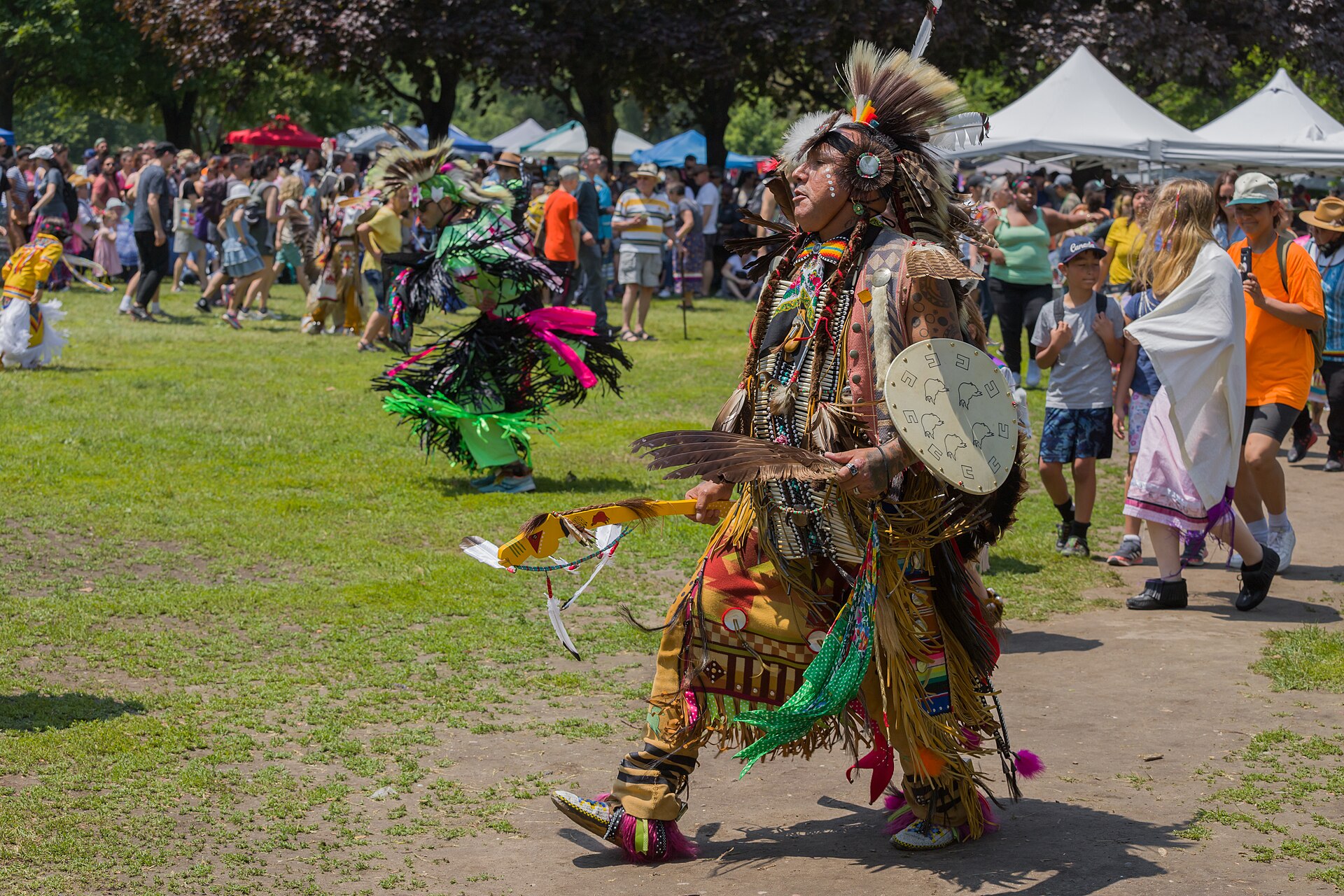
Mi’kmaq tradition is expressed in song, dance and the gatherings now known as powwows, where drumming, chanting and dancing in fine regalia celebrate the culture of the people. The eight-pointed star and other traditional designs adorn dress and craft.
Storytelling, the honouring of the seasons and the rites of the life cycle carry the heritage of the Mi’kmaq, and the memory of figures such as the culture-hero Kluskap runs through their oral tradition. Through these customs the Mi’kmaq sustain a living connection to their past.
Crafts

The Mi’kmaq are celebrated for their quillwork, decorating boxes, and other objects with dyed porcupine quills in intricate geometric patterns, a craft especially associated with the Mi’kmaq of the Maritimes. These quill boxes are prized as works of art.
Equally renowned is their mastery of birchbark, from the graceful canoe to containers and wigwam coverings, and they also worked in wood, leather and, later, splint basketry and beadwork. This craftwork, born of a life close to the forest and sea, remains a proud Mi’kmaq tradition.
Food

The Mi’kmaq diet was drawn from the abundance of the sea and the forest: fish of many kinds, above all eel and salmon, shellfish, seals, and the moose, caribou and small game of the interior, together with berries, roots and other wild plants. Eel in particular held a special place.
These foods were smoked, dried and stored against the winter, and the seasonal round ensured a varied diet through the year. Traditional foods remain part of Mi’kmaq gatherings and identity, alongside the wider cuisine of the modern Maritimes.
Festivals

Mi’kmaq communal life is marked by powwows and gatherings held through the year, featuring drumming, dancing, feasting and the renewal of community ties. The great mission of Saint Anne each summer draws Mi’kmaq from across the nation in a blend of faith and culture.
Treaty Day, marked on the first of October, commemorates the treaties between the Mi’kmaq and the British Crown, and October is honoured as Mi’kmaq History Month. These occasions celebrate Mi’kmaq heritage and assert the enduring rights and identity of the nation.
History

Among the first peoples to meet European fishermen and traders, the Mi’kmaq allied closely with the French and became devout Catholics, resisting British expansion for generations. In the eighteenth century they signed a series of Treaties of Peace and Friendship with the British Crown, agreements that, crucially, did not surrender their land.
Through the hard centuries that followed, of dispossession, disease and assimilation policies, the Mi’kmaq preserved their nation and their treaties. In recent decades Canadian courts have upheld those treaty rights, notably to fish and hunt, and the Mi’kmaq have reasserted their place as a self-governing people.
Today
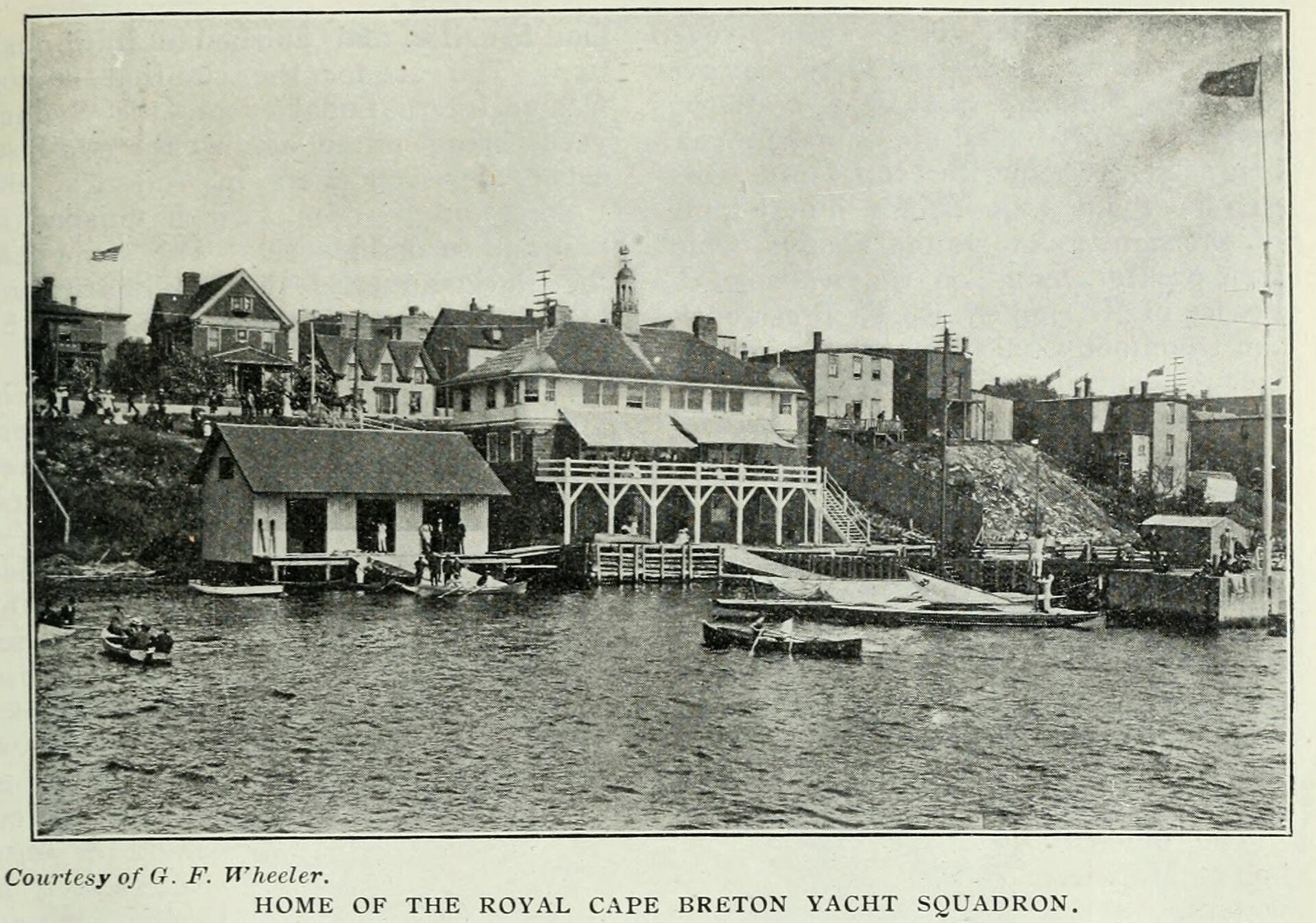
Today the Mi’kmaq number well over a hundred thousand, living in communities across the Maritime provinces, Newfoundland, Quebec and Maine, from Eskasoni to Membertou and beyond. They govern their own communities, run schools and enterprises, and have won important recognition of their treaty rights.
The Mi’kmaq language, the Grand Council, the feast of Saint Anne and the traditions of quillwork and canoe-building continue to anchor the identity of the nation. Among the first peoples of the Atlantic coast, the Mi’kmaq carry a proud and unbroken heritage into the modern world.
Related Peoples of the Region
- Taino: The People Declared Extinct Who Never Left
- Guna: Islanders Who Govern Their Own Corner of Panama
- Inside the Haudenosaunee Confederacy and Its Great Law of Peace
- The Nation That Never Surrendered: Inside Seminole Country
- Muscogee Creek Towns, Councils, and the Long Road to Oklahoma
- Ojibwe Anishinaabe Life Around the Great Lakes and Wild Rice Waters
- The Metis, the Buffalo Hunters of the Red River
- The Choctaw, People of the Sacred Mound
More Peoples of the World
- A Fifth of Humanity, the Story of the Han Chinese
- How the Maori Sailed Across the Pacific to Reach New Zealand
- Zulu of the Green Hills and Their Kingdom Forged by Shaka
- The People Who Never Vanished, the Story of the Maya
- Long Before the Arabs Came, North Africa Belonged to the Amazigh
- The People Who Emerged Into This World, the Story of the Navajo
- Meet the Ainu, an Indigenous People at Japan’s Northern Edge
You May Like
The Damara, an Ancient People of Namibia


One thought on “The Mikmaq, First People of the Atlantic Coast”