In the very heart of modern Mexico City, surrounded by traffic, cathedrals, and colonial buildings, lie the ruins of one of the most important pyramids in the Americas. This was the spiritual center of the Aztec Empire, the Templo Mayor, the Great Temple of the island capital of Tenochtitlan. It was a towering double pyramid where the Aztecs believed the very center of the universe was located, a place of dazzling ceremony and, famously, of human sacrifice. Then the Spanish arrived, tore it down, and built their own city on top of it, burying the temple so completely that for centuries its exact location was lost. This is the story of the Templo Mayor: how it rose, what it meant, how it fell, and how it was dramatically rediscovered beneath the streets of a living metropolis.
Table of Contents
- The center of the Aztec world
- A pyramid with two temples
- The island city of Tenochtitlan
- Built and rebuilt in layers
- Sacrifice and the Aztec worldview
- The shattered goddess
- Conquest and destruction
- Found beneath the city
- Closing thoughts
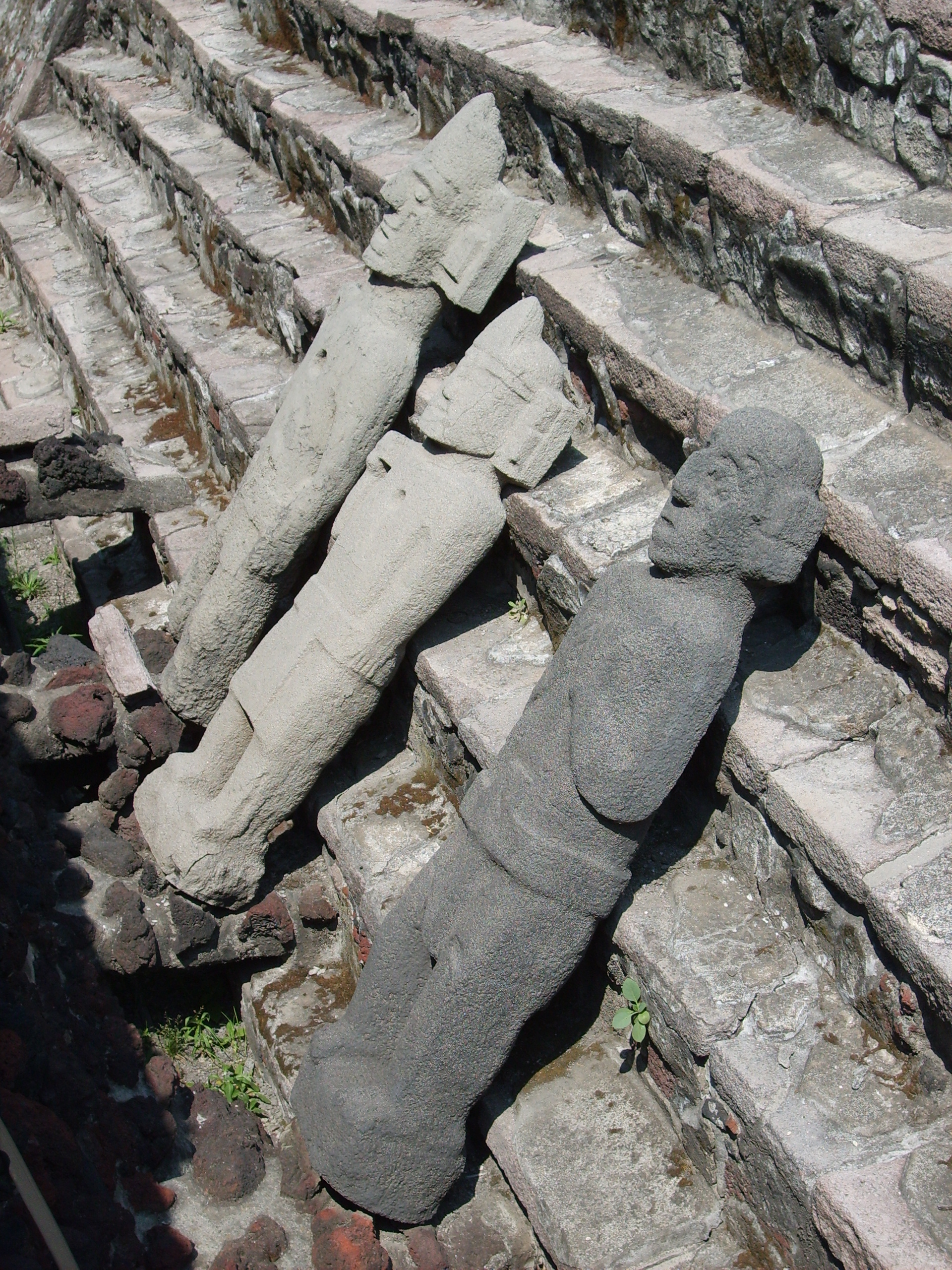
The center of the Aztec world
To the Aztecs, the Templo Mayor was not just an important building. It was the axis of the entire cosmos, the sacred point where the heavens, the earth, and the underworld all met. Standing at the center of their capital, which itself stood at the center of their empire, the Great Temple was understood as the place from which the whole universe radiated outward. Everything of religious significance flowed from this spot.
The Aztecs, who flourished in central Mexico in the centuries just before the Spanish conquest, were the last of the great pre-Columbian civilizations of the region. They inherited and built upon a long tradition of pyramid building stretching back through earlier peoples, all the way to places like Teotihuacán, which the Aztecs themselves regarded with awe. Their Great Temple was the crowning expression of that ancient tradition, the beating heart of a powerful and highly organized empire at the height of its glory.
A pyramid with two temples
What made the Templo Mayor distinctive was its unusual design. Rather than a single pyramid topped by one shrine, it was a great stepped pyramid crowned by two temples side by side, reached by two steep staircases climbing the front. It was, in effect, a double temple, and this duality was deeply meaningful.
One of the two shrines was dedicated to Huitzilopochtli, the Aztec god of war and the sun, the patron deity who had led the Aztecs to their promised homeland. The other was dedicated to Tlaloc, the ancient god of rain and water, on whom the all-important harvests depended. Together these two gods represented the twin foundations of Aztec life: war and conquest on one side, and agriculture and fertility on the other. By honoring both at the summit of the same great pyramid, the Aztecs placed the two forces that sustained their world, the sun and the rain, the spear and the field, at the literal pinnacle of their sacred city.
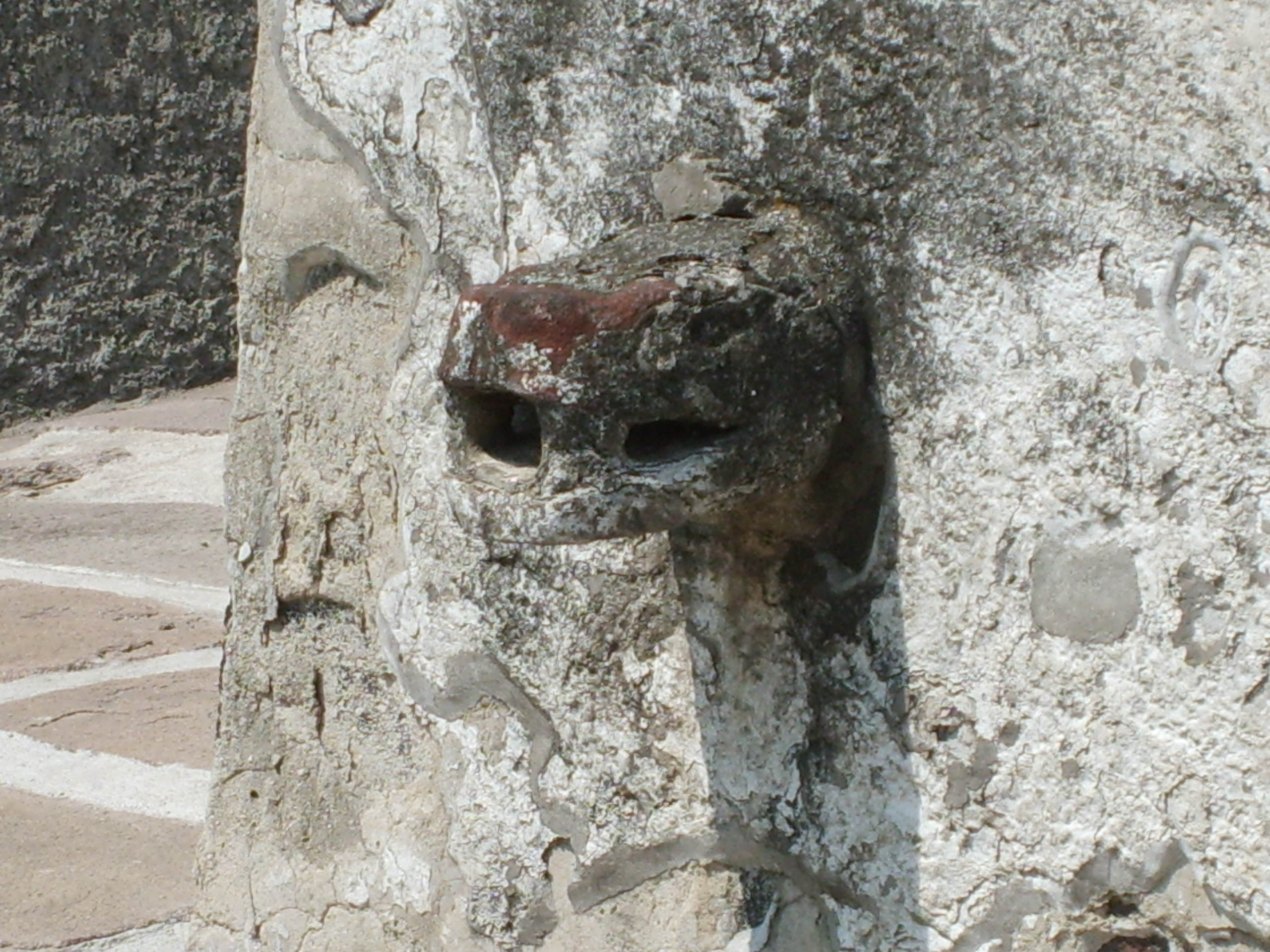
The architecture reinforced this symbolism at every level. The two staircases, climbing steeply to the twin shrines, were painted and decorated, and stone serpent heads guarded the base of the pyramid, marking it as a sacred and dangerous place. The serpent imagery, found throughout the site, tied the temple to the feathered serpent traditions that run through so much of Mesoamerican religion. Everything about the building was designed to overwhelm, to make the worshipper below feel the towering presence of the gods looming at the summit.
The island city of Tenochtitlan
To understand the Templo Mayor, you have to picture the extraordinary city that surrounded it. Tenochtitlan was built on an island in the middle of a lake, a glittering capital crossed by canals and connected to the mainland by long causeways. When the Spanish first laid eyes on it, they were astonished. Some of them wrote that it seemed like an enchanted vision, a vast and beautiful city rising from the water, larger and cleaner than many cities back in Europe, home to a huge population.
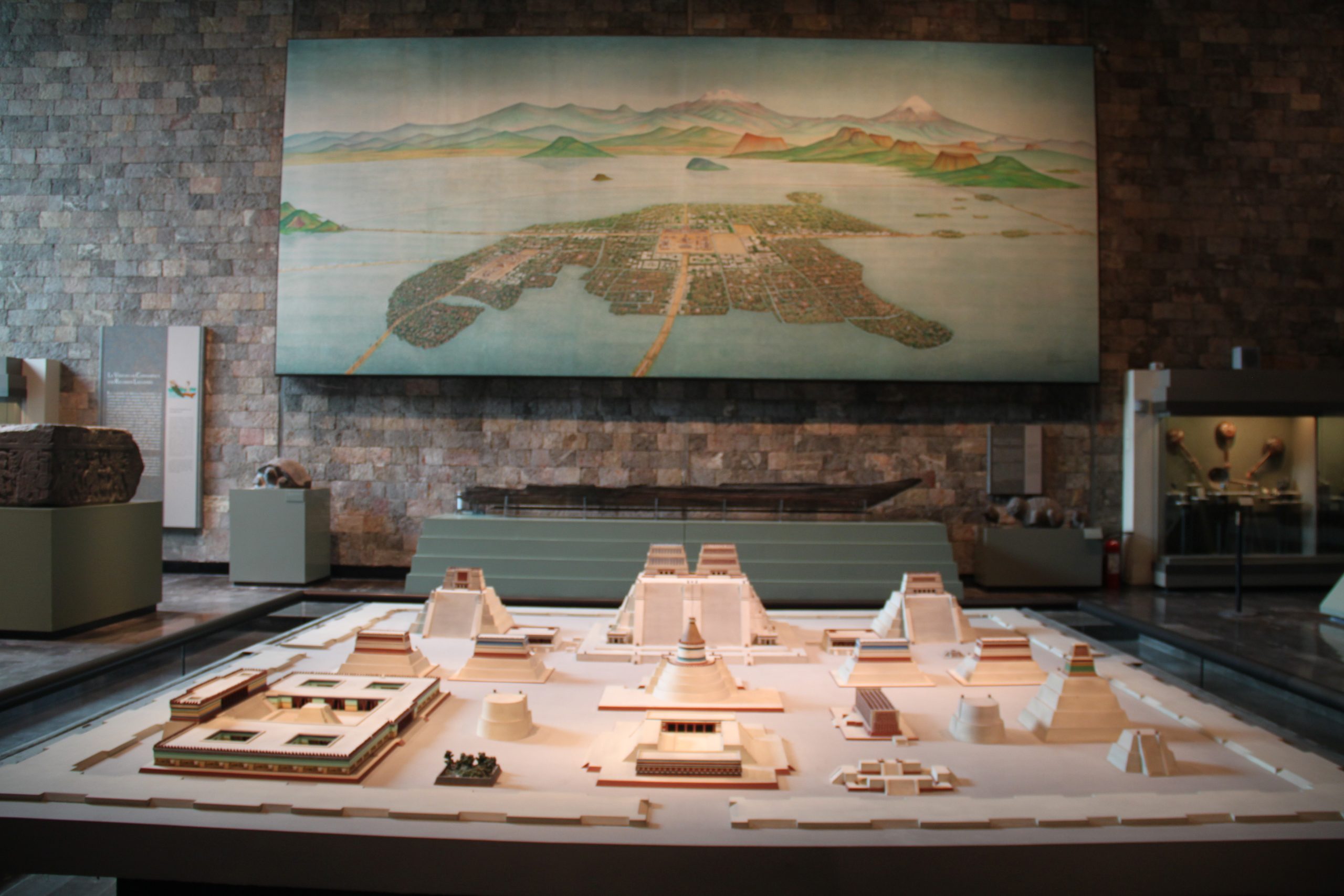
At the very center of this island metropolis stood the sacred precinct, a walled ceremonial zone packed with temples, and rising above them all was the Templo Mayor. From its summit, priests could look out over the entire city, the shimmering lake, and the volcanoes beyond. The Great Temple was the focal point of the whole urban landscape, the place every causeway and avenue ultimately pointed toward. It was the spiritual and symbolic heart of an empire that controlled much of central Mexico.
Built and rebuilt in layers
Like other great Mesoamerican pyramids, the Templo Mayor was not built once and left alone. It was enlarged again and again over the generations, with each new ruler building a larger temple over the existing one, so that the structure grew like the layers of an onion. Several complete earlier versions of the pyramid are nested inside the final one.
This layered rebuilding is a gift to archaeologists, because the inner, older layers were protected by the outer ones and survived in better condition. When the site was excavated, researchers could peel back the history of the temple stage by stage, seeing how it expanded as the Aztec Empire itself grew in power and ambition. Each enlargement was a statement, a way for a new ruler to magnify the glory of the gods and of the empire at the same time. The growth of the pyramid mirrored the growth of Aztec power, frozen in stone for us to read.
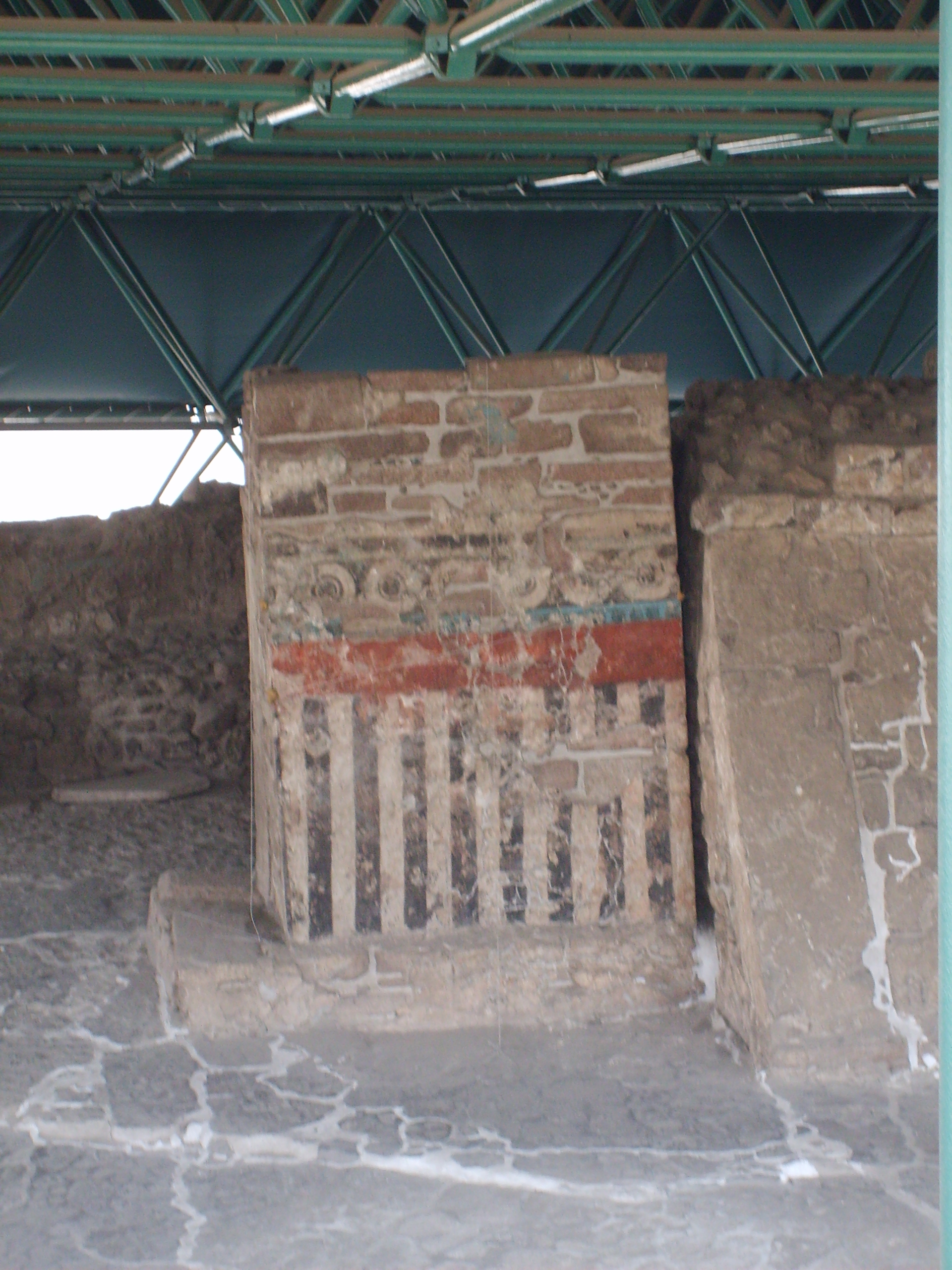
Sacrifice and the Aztec worldview
There is no avoiding the most famous and grim aspect of the Templo Mayor: human sacrifice. The Aztecs practiced ritual human sacrifice on a scale that horrified the Spanish and still unsettles us today, and the Great Temple was the main stage for it. Victims, many of them war captives, were led up the steep staircases to the summit, where priests performed the sacrifice before the shrines of the gods.
To understand this without simply recoiling, it helps to grasp the Aztec view of the universe. They believed the cosmos was fundamentally fragile, that the sun itself required nourishment to keep rising each day and to hold off the end of the world. In their belief, human life-force, offered through sacrifice, was the precious fuel that kept the sun moving and the universe alive. Sacrifice, in their eyes, was not casual cruelty but a sacred duty, a terrible cosmic responsibility to keep existence itself from collapsing. This belief drove much of Aztec religion and even shaped their warfare, since wars were partly fought to capture victims for the gods. It is a worldview profoundly alien to our own, but understanding it is essential to understanding why the Templo Mayor mattered so much to them.
The shattered goddess
One of the most powerful discoveries at the Templo Mayor is a huge carved stone disk found at the base of the staircase on the war god’s side. It depicts the goddess Coyolxauhqui, shown dismembered, her body cut into pieces. The carving illustrates a central Aztec myth, and its placement at the foot of the temple was deliberate and chilling.
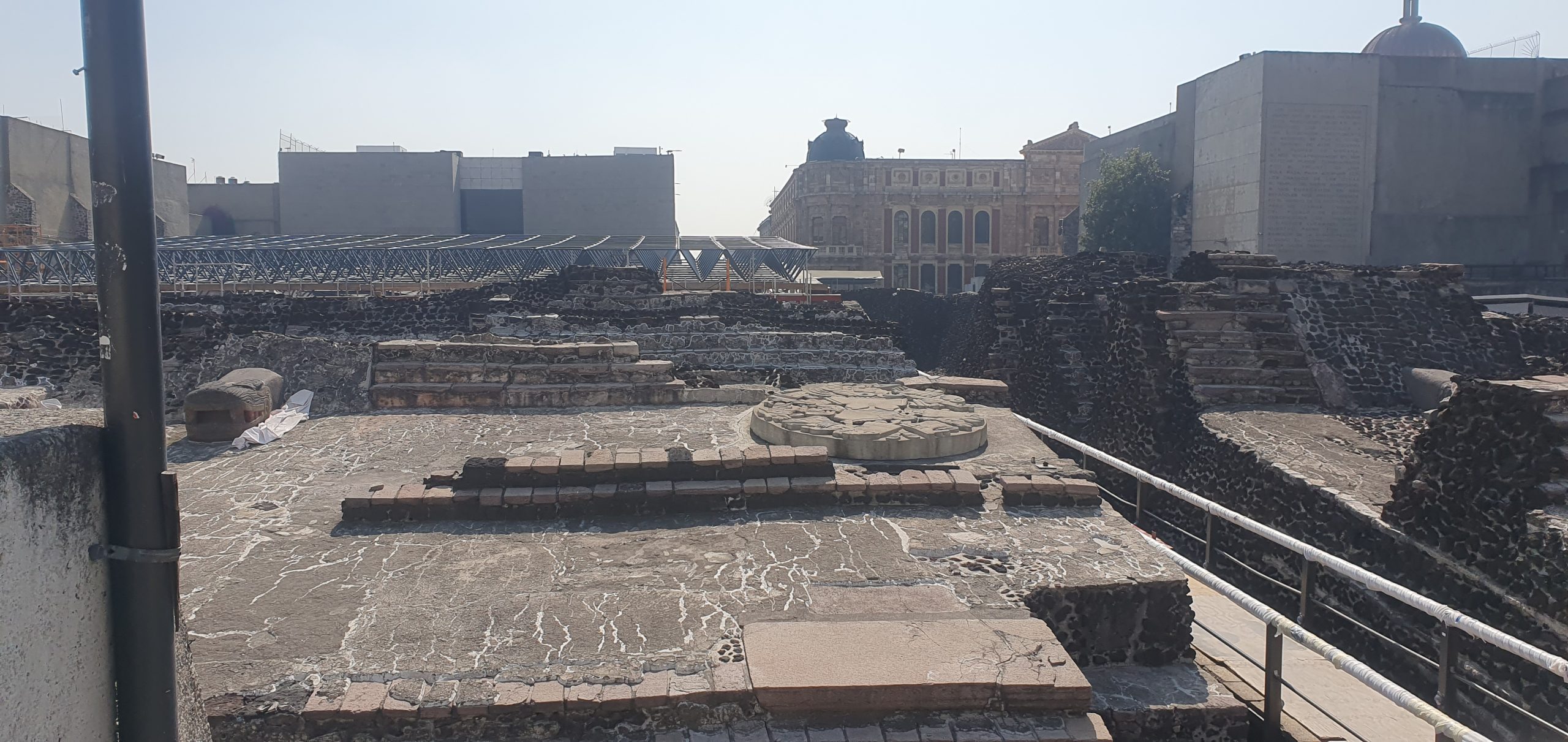
According to the myth, the war god Huitzilopochtli was born fully grown and armed, and immediately defeated his sister Coyolxauhqui and his other siblings who threatened their mother, hurling his dismembered sister down the mountainside. The temple itself was understood as that sacred mountain, with the war god’s shrine at the top and the broken goddess carved at the bottom. When sacrificial victims were cast down the temple steps, they reenacted this myth, their bodies tumbling down to land near the image of the defeated goddess. The whole structure was, in a sense, a giant retelling of a creation story written in architecture and ritual. It is a vivid example of how completely myth, monument, and ceremony were woven together in the Aztec world.
Conquest and destruction
The glory of the Templo Mayor came to a violent end with the Spanish conquest in the early sixteenth century. After a brutal siege, the conquistadors and their many indigenous allies captured Tenochtitlan. Determined to stamp out the old religion and assert their dominance, the Spanish systematically demolished the Great Temple and the sacred precinct around it.
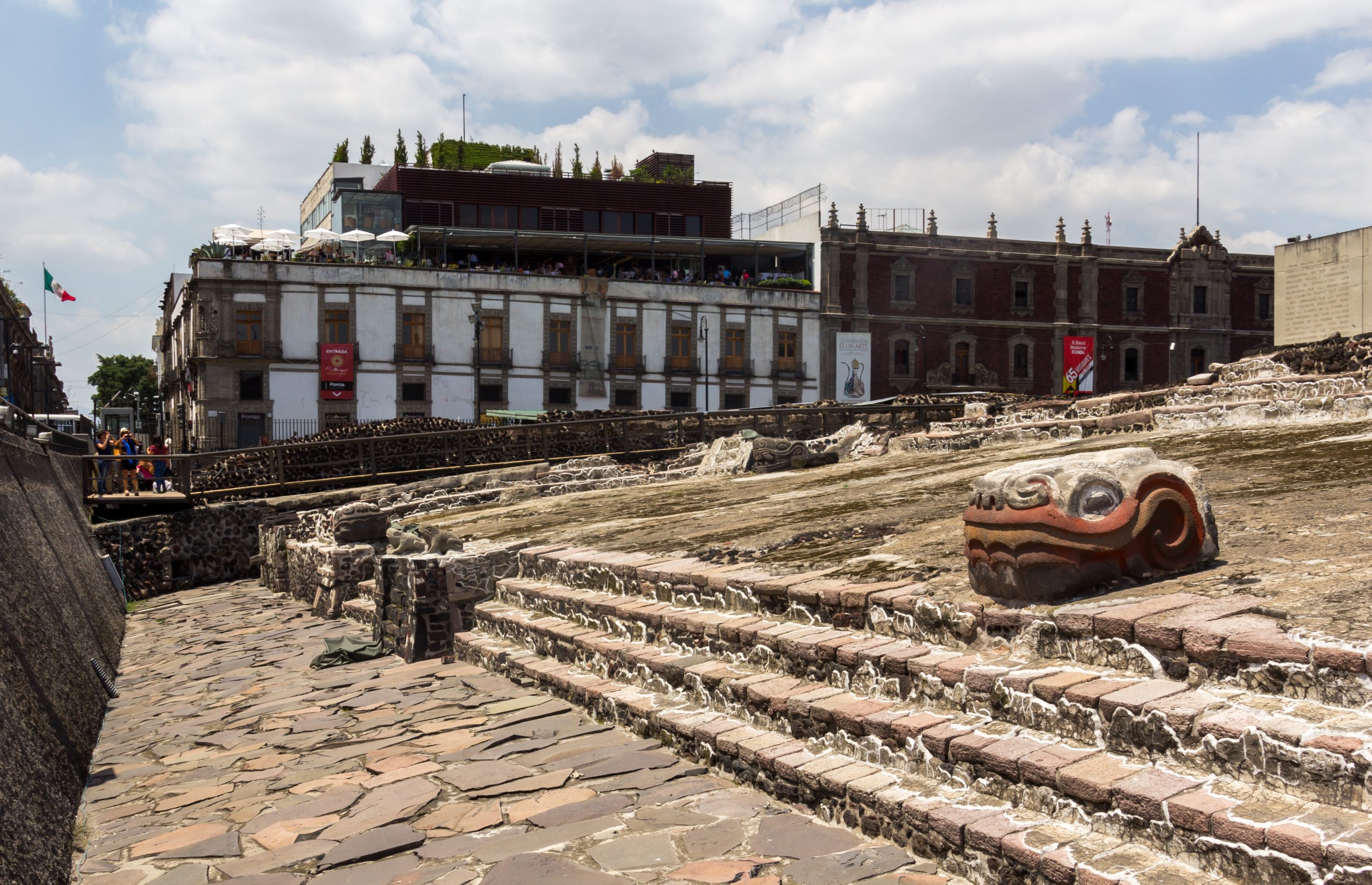
They did not simply destroy it, though. In a powerful act of conquest, they built their own city directly on top of the ruins, using stone from the shattered temple to construct their cathedral and government buildings nearby. The lake was gradually drained, and the Aztec island capital was buried beneath the growing Spanish colonial city, which in time became modern Mexico City. The Templo Mayor, once the center of an empire and the axis of a universe, vanished beneath streets and plazas, and over the centuries its precise location was forgotten, fading into legend.
Found beneath the city
The story has a remarkable modern chapter. For centuries, people knew the Great Temple had stood somewhere in the city center, but no one was certain exactly where. Then, in 1978, electricity workers digging beneath the streets near the cathedral struck a huge carved stone. It turned out to be the great disk of the dismembered goddess Coyolxauhqui. They had stumbled directly onto the base of the long-lost Templo Mayor.
This astonishing find launched a major excavation in the heart of one of the largest cities on Earth. Archaeologists carefully removed later colonial buildings to uncover the ruins of the Great Temple, layer by layer, along with thousands of buried offerings, sculptures, and treasures the Aztecs had placed within it. Today the excavated ruins and a superb museum stand right beside the cathedral and the main square, allowing visitors to walk among the remains of the Aztec sacred center in the middle of the bustling modern city. It is a striking sight: the foundations of an ancient empire laid bare beneath the feet of a twenty-first-century metropolis.
What makes the rediscovery especially poignant is where it happened. The Templo Mayor was not found in some remote jungle or empty desert, but directly under the most crowded, historic heart of a capital city of millions. Excavating it meant working in an incredibly tight, busy urban space, threading the dig between cathedral, plaza, and traffic. That such a vast and important monument could lie hidden for so long beneath a place people walked over every single day is a humbling thought, and it raises the tantalizing question of what else might still lie buried under the modern city, waiting to be found.
Closing thoughts
The Templo Mayor brings together so many threads of the human story in one place. It was the sacred heart of a mighty empire, a double pyramid honoring the sun and the rain, a stage for beliefs about the cosmos so intense that they demanded human life. It was deliberately destroyed and buried by conquerors who built their own world on its bones, and then, centuries later, it was dramatically rediscovered by accident beneath the streets of a living capital.
To stand at the Templo Mayor today, with Aztec stone on one side and a Spanish cathedral on the other, all surrounded by the noise of modern Mexico City, is to feel the layers of history pressing together in a single spot. It is a reminder that beneath our modern world lie older worlds, sometimes buried but never entirely gone, waiting to be uncovered and understood. The Great Temple of the Aztecs, axis of a vanished universe, still has a great deal to teach us about belief, power, and the rise and fall of civilizations.
To keep exploring, browse more on topics like pyramids, the Templo Mayor, the Aztecs, Tenochtitlan, ancient Mexico, and Mesoamerica.
You May Like
The Bardo, a Palace of the Beys Filled With Roman Mosaics


4 thoughts on “Templo Mayor: The Aztec Great Pyramid at the Center of the World”