In the green borderlands where Guatemala, Honduras, and El Salvador meet stands the ancient Maya city of Copán, its temples and carved monuments among the finest ever raised in the Americas. In the hills around those ruins lives a people widely regarded as the heirs of that lost splendor: the Ch’orti’ Maya. Though far fewer in number than they once were, and facing hard pressures on their land and language, the Ch’orti’ carry within them a direct link to one of the great civilizations of the ancient world.
This is a portrait of who the Ch’orti’ are, where they come from, and how they live today. From the meaning of their name and the ancient lineage of their language to their farming, faith, crafts, and festivals, their story is one of deep roots and stubborn endurance. It is the tale of a people who have remained in the shadow of Copán through the rise and fall of empires, holding onto a heritage that reaches back thousands of years.
Contents
- Origins and the Ancient Maya Roots of the Chorti
- The Meaning Behind the Name Chorti
- The Chorti Language and Its Ancient Lineage
- A Borderland Homeland in the Hills of Copan
- Maize, Tobacco and the Farming Life
- Family, Community and Social Bonds
- Faith, the Sacred Earth and Living Ritual
- Dress, Custom and the Threads of Identity
- Handcrafts and the Skills of the Borderlands
- Tamales, Maize and the Chorti Kitchen
- Festivals, Fairs and the Turning of the Year
- From Copan to Conquest and Endurance
- The Chorti People in the Present Day
Origins and the Ancient Maya Roots of the Chorti
The Ch’orti’ are a Maya people whose homeland straddles the borderlands where eastern Guatemala meets western Honduras and El Salvador. Their story reaches back into the deepest currents of Maya civilization, for the country they inhabit lies near Copán, one of the greatest cities of the classic Maya world. In the shadow of those ancient monuments, the Ch’orti’ carry forward a heritage that connects the living present to a past of astonishing achievement.
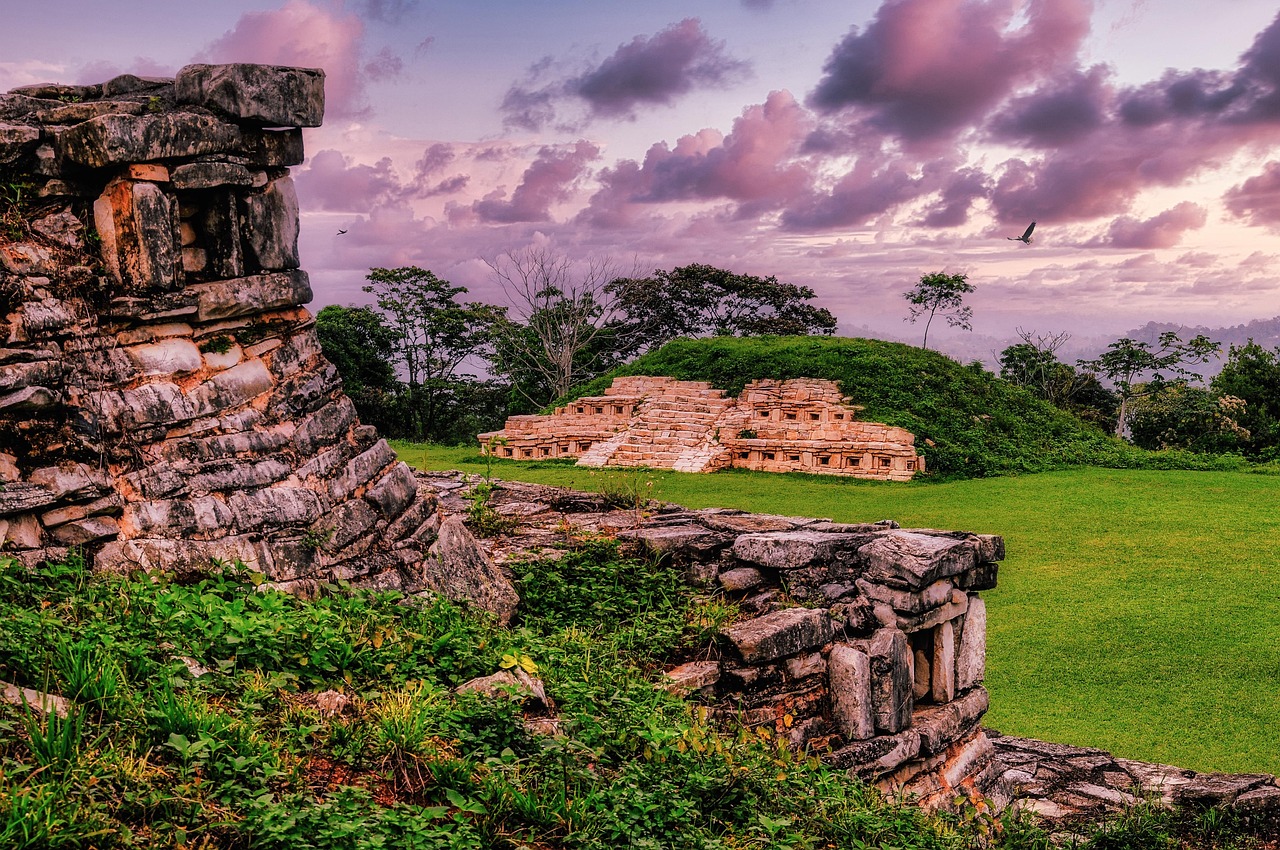
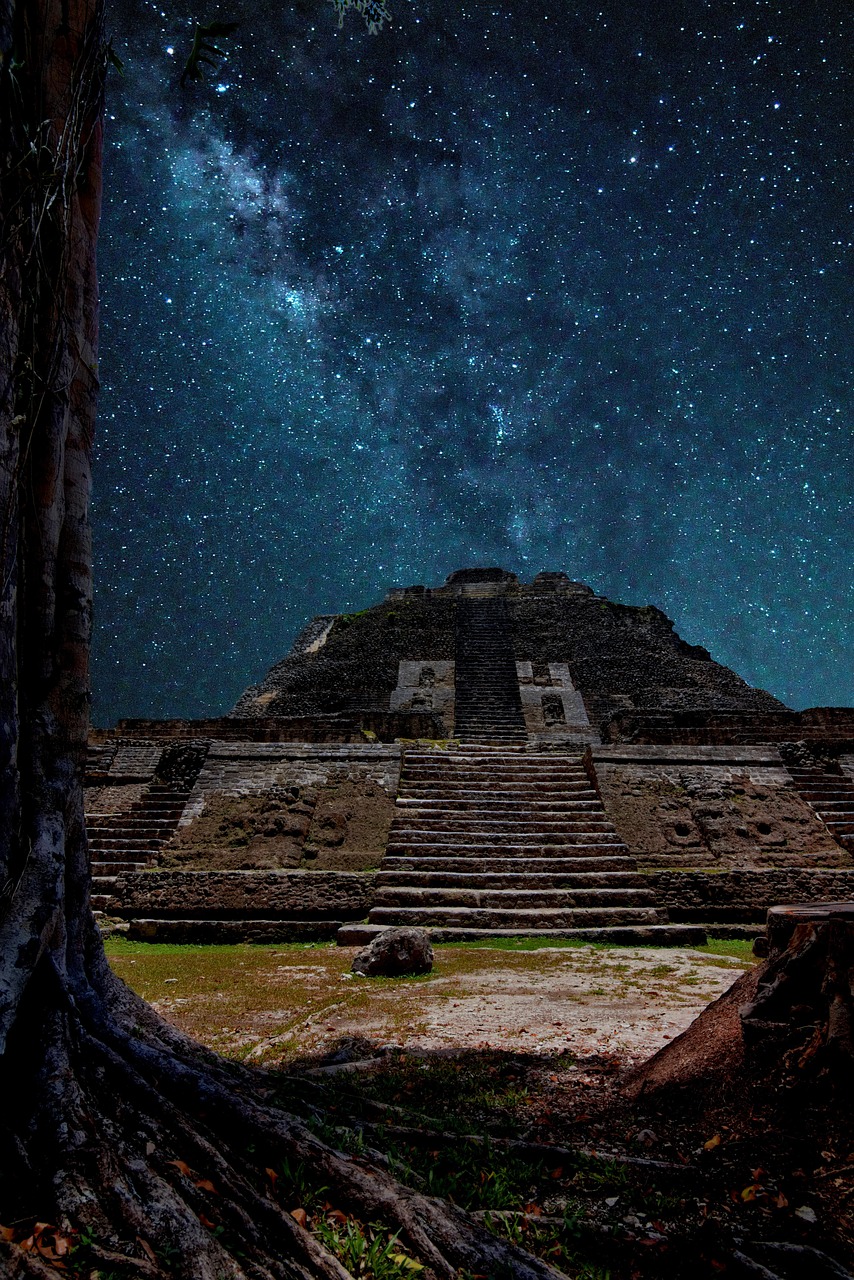
Scholars link the Ch’orti’ to the eastern branch of the Maya world, and many see in their language and traditions a direct thread back to the people who raised the temples and carved the stelae of Copán. While centuries of upheaval separate the modern community from that ancient glory, the continuity of place is striking: the Ch’orti’ still farm and pray in the same green hills where Maya lords once ruled.
Their origins, then, are inseparable from one of the most storied landscapes in the Americas. To speak of where the Ch’orti’ come from is to speak of a people who have remained rooted in a corner of Mesoamerica through the rise and fall of empires, holding onto language, land, and identity across an immense span of time.
The proximity of Copán has given the Ch’orti’ a unique place in the modern imagination of the Maya past. Visitors who marvel at the carved stelae and staircases of the ancient city are often unaware that the descendants of its builders still live in the surrounding hills, tending fields and keeping alive fragments of the old language. For the Ch’orti’, this closeness to a world-famous ruin is both a source of pride and a poignant reminder of how much has been lost and how much still endures.
The Meaning Behind the Name Chorti
The name Ch’orti’ identifies both the people and their language, and it carries echoes of the region’s ancient tongue. Linguists connect it to older Maya words, and the term has come to mark a distinct identity within the wider Maya family. Over centuries of colonial rule and record-keeping, the name appeared in various spellings before settling into the form used today.
Unlike some ethnic labels imposed entirely from outside, the Ch’orti’ name is closely tied to the community’s own speech and sense of self. It sets them apart from neighboring Maya groups such as the highland peoples to the west, marking a boundary of language and heritage that the Ch’orti’ recognize clearly among themselves.
To claim the name today is to claim a place in a specific and ancient lineage. For a people whose numbers have dwindled and whose language faces pressure, the name has become a rallying point, a small but powerful assertion that the Ch’orti’ remain a distinct people with roots in the classic Maya heartland.
The relationship between name and identity has taken on new weight in recent years, as younger Ch’orti’ embrace their heritage with a confidence that earlier generations, facing discrimination, sometimes could not afford. To announce oneself as Ch’orti’ is increasingly an act of pride rather than concealment. In a region long marked by pressure to assimilate, reclaiming the name has become part of a broader effort to assert dignity and demand recognition.
The Chorti Language and Its Ancient Lineage
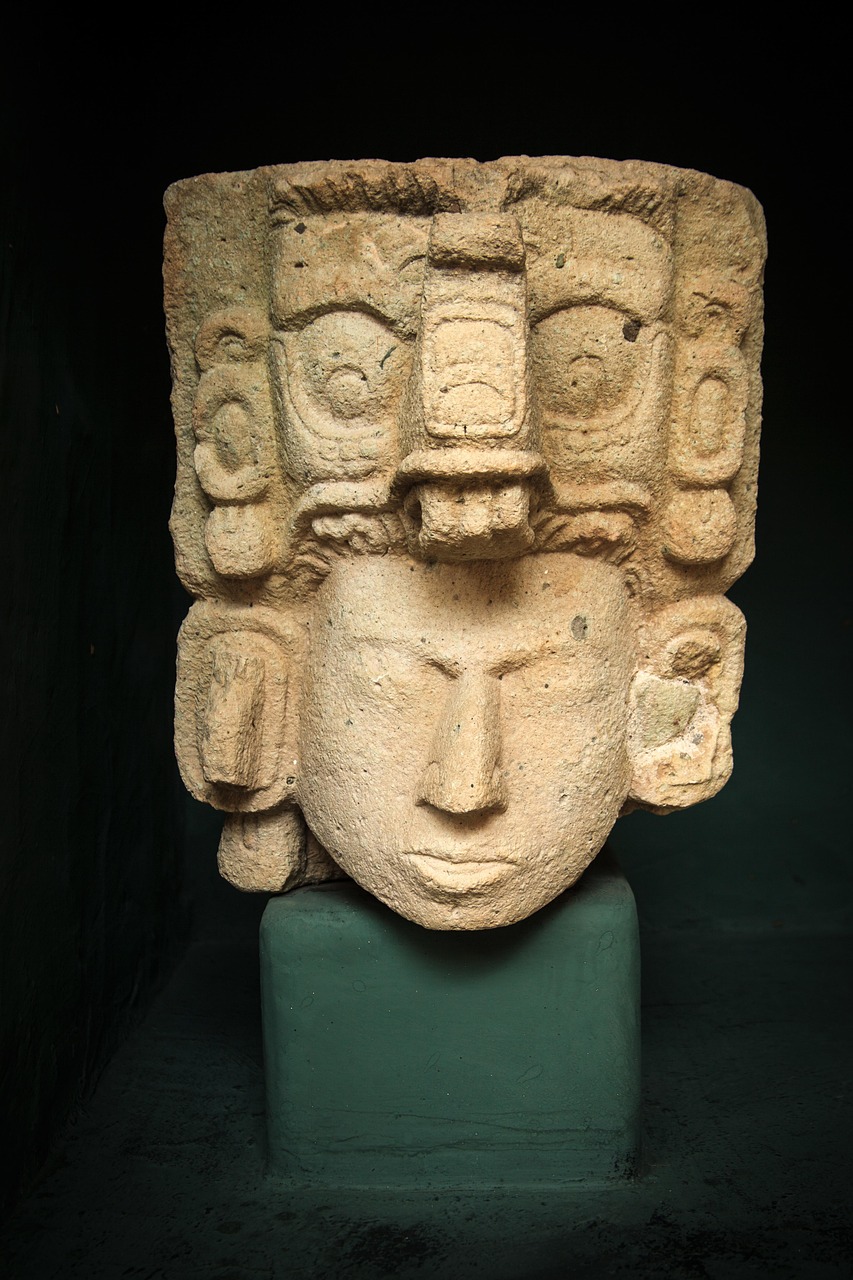
The Ch’orti’ language belongs to the Cholan branch of the Maya family, a group of particular importance to scholars because it is closely related to the language believed to have been recorded in classic Maya hieroglyphic writing. This connection gives Ch’orti’ an extraordinary significance: studying it has helped researchers unlock the meaning of inscriptions carved more than a thousand years ago.
Today, however, the language is under serious threat. Once spoken widely across the borderlands, Ch’orti’ has lost ground to Spanish over generations, and the number of fluent speakers has fallen sharply. In many communities it survives mainly among older people, while younger generations often grow up speaking Spanish as their first language.
Recognizing this danger, Ch’orti’ organizations, linguists, and activists have worked to document and revitalize the tongue. Efforts to teach it in schools, produce written materials, and encourage its use at home aim to keep the language alive. For the Ch’orti’, preserving their speech is not only a matter of pride but a way of safeguarding a living link to the ancient Maya world.
For scholars of the ancient Maya, the survival of Ch’orti’ has been a gift beyond measure, offering a living key to a writing system that was silent for centuries. Each elder who still speaks the language fluently carries knowledge that no book can fully replace. This gives the work of revitalization an urgency that reaches beyond the community itself, for in saving Ch’orti’ the world also preserves a bridge to the voices of the ancient past.
A Borderland Homeland in the Hills of Copan
The Ch’orti’ homeland lies in a region of rolling hills, dry valleys, and scattered mountains where the frontiers of Guatemala, Honduras, and El Salvador converge. This is warmer, lower country than the high Maya highlands to the west, a landscape of seasonal rains and long dry spells that has shaped a distinctive way of farming and living. The famous ruins of Copán sit near the heart of this territory, a constant reminder of the land’s ancient importance.
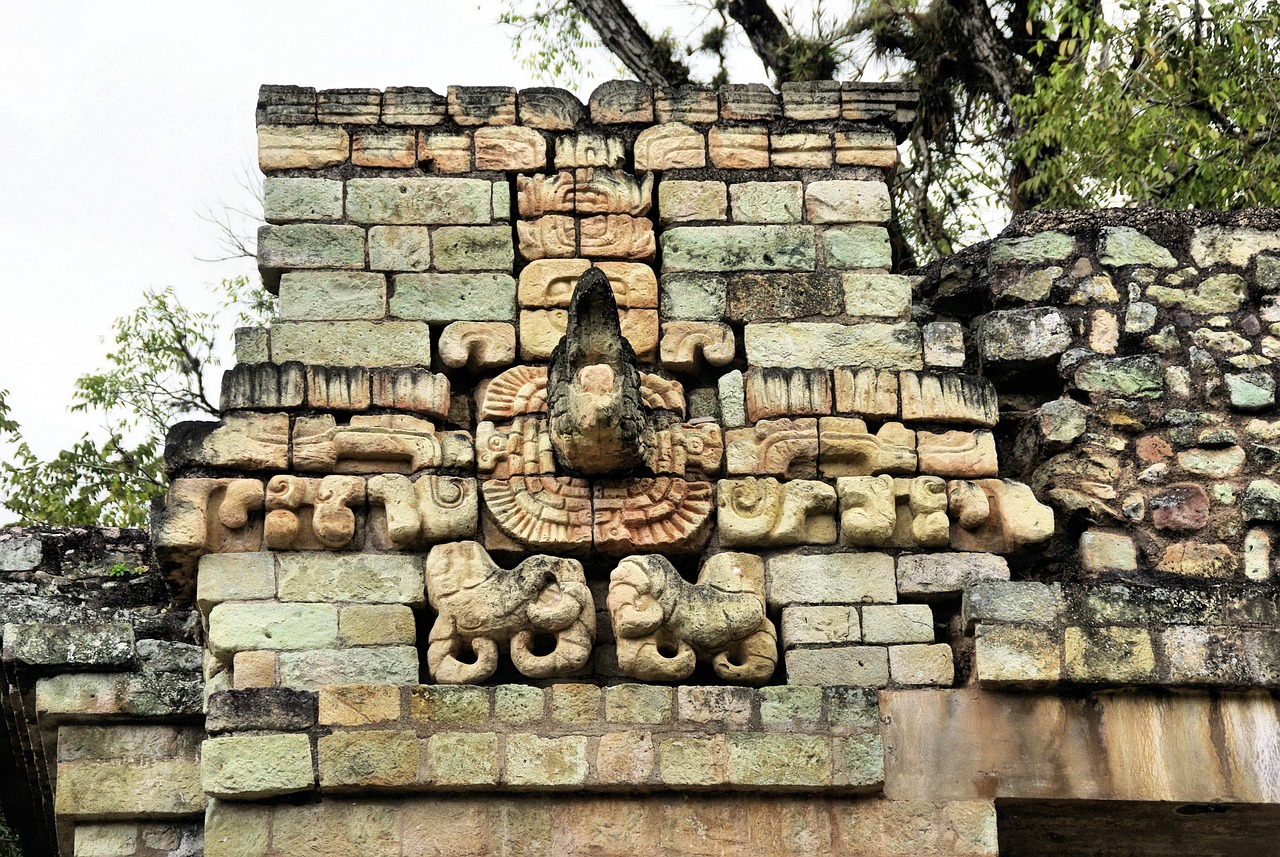
Communities are spread across municipalities on both sides of the international borders, divided by modern political lines that cut across a single cultural world. Villages cling to hillsides and cluster in valleys, connected by footpaths and rough roads. The land can be generous in good years and harsh in dry ones, and the rhythm of life follows closely the coming and going of the rains.
For the Ch’orti’, this borderland is home in the fullest sense, a place layered with meaning from the ancient past to the present day. The hills, springs, and old ceremonial sites are woven into their sense of who they are. To live here is to inhabit a landscape where history is never far from the surface, where the achievements of ancestors stand carved in stone amid the fields of their descendants.
The division of the Ch’orti’ homeland among three countries has created particular difficulties, as communities that share a language and heritage find themselves subject to different governments, laws, and development policies. A border that means little in cultural terms can loom large in daily life, complicating everything from land claims to schooling. Yet the Ch’orti’ continue to see themselves as one people, bound by ties that predate the modern map.
Maize, Tobacco and the Farming Life
The Ch’orti’ have long been farmers, and like Maya peoples everywhere they build their lives around maize. Corn is the staple crop and the spiritual center of their world, grown on hillside plots cleared and planted according to the rhythm of the rains. Beans and squash accompany the maize in the ancient triad of Mesoamerican agriculture, providing a balanced foundation for the diet.
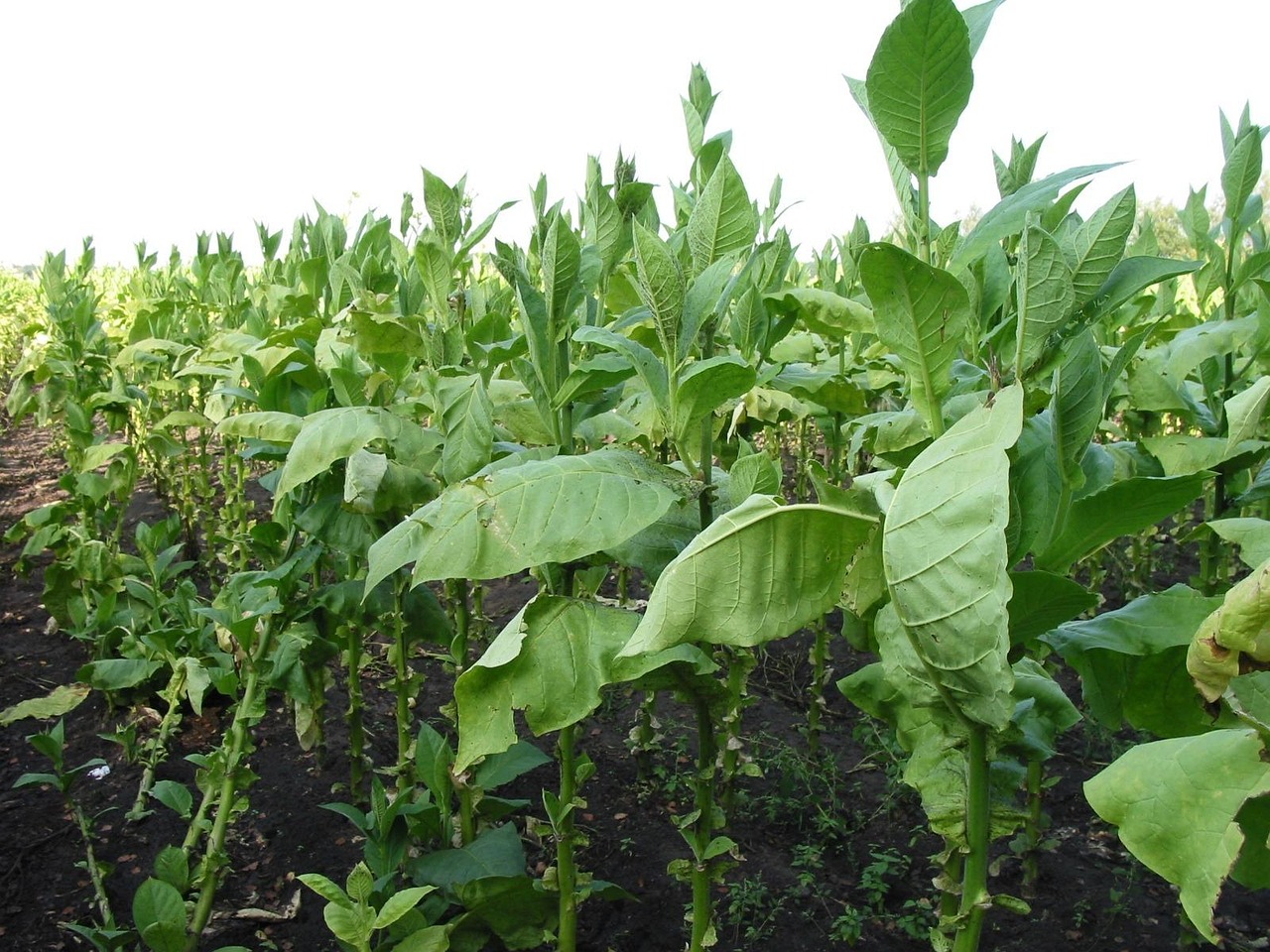
The borderland climate has also made the region suited to other crops, and over time tobacco, coffee, and other cash crops have become part of the local economy. Many Ch’orti’ families work not only their own small plots but also as laborers on larger farms, a pattern rooted in the inequalities of land ownership that have long marked the region. The struggle for land has been a defining feature of Ch’orti’ life.
Despite hardship, the knowledge of how to coax a harvest from this demanding country remains a proud inheritance. Reading the clouds, timing the planting, and choosing the right slopes are skills passed down through generations. For the Ch’orti’, farming is more than survival; it is a bond with the land and with the ancestors who worked it before them, a continuity that outlasts every hardship.
Access to good land has always been the crucial question, and generations of Ch’orti’ have struggled against dispossession and inequality. When families lack sufficient fields of their own, they must labor for others or migrate in search of work, straining the fabric of village life. The fight to secure and defend land has thus been central to the Ch’orti’ story, a struggle for the very ground on which their way of life depends.
Family, Community and Social Bonds
Ch’orti’ society rests on the foundations of family and community. Extended kin networks share labor, land, and obligation, and a person’s identity is bound up with their relatives and their village. In a region where poverty and land pressure have long been facts of life, these bonds of mutual aid have provided an essential safety net, helping families weather hard times together.
Local communities have historically managed many of their own affairs, with respected elders and community leaders guiding decisions and mediating disputes. Traditions of shared work, in which neighbors join together for tasks too large for a single family, reinforce the sense that the community is a single body with shared interests. This cooperative spirit runs deep in Ch’orti’ life.
Modern pressures have tested these bonds, as migration, economic hardship, and the pull of the wider world reshape village life. Yet the core conviction that one belongs first to a family and a community endures. In organizing to defend their land and rights, the Ch’orti’ have drawn on this deep well of solidarity, turning ancient bonds of kinship into a foundation for collective action.
Faith, the Sacred Earth and Living Ritual
Ch’orti’ religion blends the ancient Maya reverence for the earth and its cycles with the Catholicism brought by Spanish missionaries. The result is a living faith in which Christian saints and festivals coexist with far older beliefs about the powers that govern rain, harvest, and health. For many Ch’orti’, these two streams are not in conflict but form a single, practical understanding of the sacred world.
At the core of Ch’orti’ spirituality lies a profound relationship with the earth, seen as a living force that must be honored and asked permission before planting. Rituals tied to the agricultural calendar seek to ensure rain and a good harvest, with offerings and prayers directed to the powers of the land. Specialists who know the old ways lead ceremonies that connect the community to forces older than any church.
These beliefs remain vital in many communities, shaping how people relate to their fields, their illnesses, and their dead. Even as evangelical churches have grown in the region and some old practices have faded, the underlying sense that the land is sacred and alive continues to run through Ch’orti’ life, binding the present to a spiritual worldview inherited from the ancient Maya.
Ritual specialists remain important figures in many Ch’orti’ communities, sought out for guidance in times of illness, misfortune, or important decisions. Their knowledge of prayers, offerings, and the meaning of the days links the community to a spiritual inheritance far older than the colonial church. In keeping these practices alive, they serve as guardians of a worldview that treats the land, the rain, and the ancestors as active presences in daily life.
Dress, Custom and the Threads of Identity
Ch’orti’ traditions weave together the practices of daily life, the ceremonies that mark its great passages, and the customs that set the community apart. While much traditional dress has given way to modern clothing over the past century, elements of a distinctive material culture survive, and efforts to revive older forms of dress and adornment have grown alongside a renewed pride in Ch’orti’ identity.
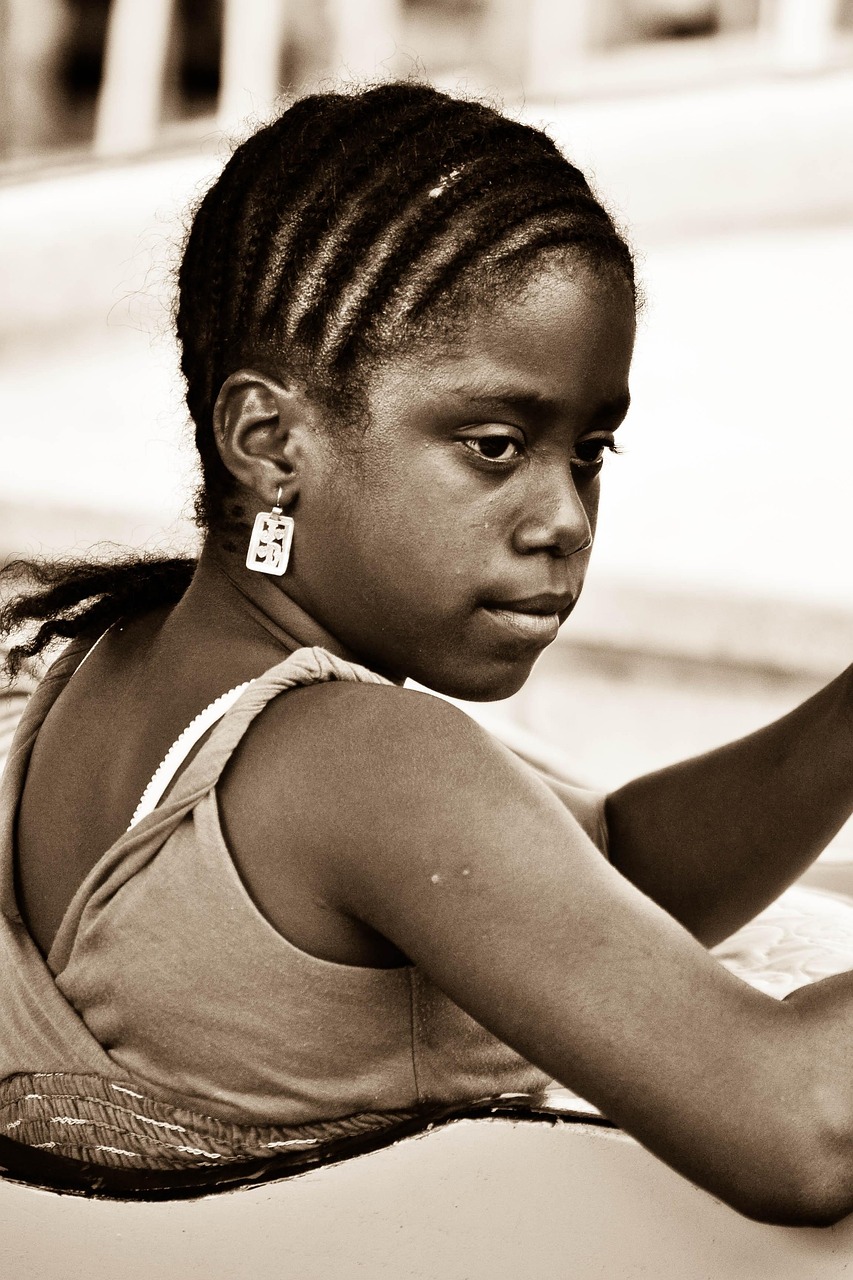
Rituals surrounding birth, marriage, and death carry deep social meaning, often combining Catholic rites with older Maya elements. Bonds of ritual kinship, such as godparenthood, extend a family’s web of support and obligation, tying households together across a community. These relationships create a dense network of mutual care that has helped the Ch’orti’ endure difficult times.
Everyday customs of respect, hospitality, and formal greeting form the quiet fabric of Ch’orti’ life, learned by children through example rather than instruction. In maintaining these traditions, even as many have changed or faded, the Ch’orti’ sustain a distinct sense of who they are, a thread of continuity linking them to ancestors who lived in the same hills long before the modern borders were drawn.
Handcrafts and the Skills of the Borderlands
The crafts of the Ch’orti’ reflect a long tradition of self-reliance in a region where families have made much of what they needed from the materials at hand. Weaving, once widespread, produced cloth for clothing and household use, while pottery, basketry, and woodwork supplied the tools of daily life. These skills, passed from parent to child, embodied both practical necessity and a sense of artistry.
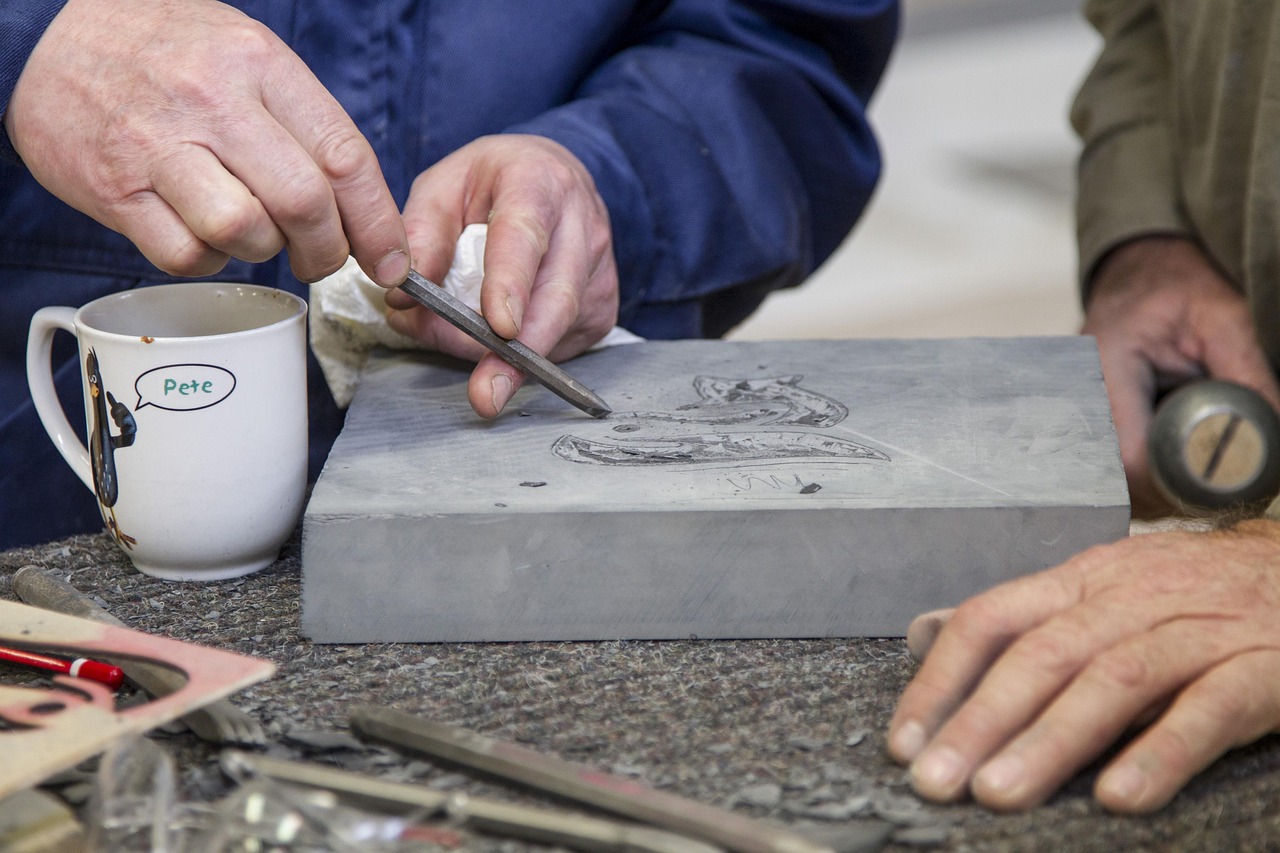
The region’s connection to fine crafts reaches back to the ancient Maya, whose sculptors at Copán produced some of the most refined stone carving in the pre-Columbian world. While the monumental art of that era belongs to the distant past, the tradition of skilled handwork survives in humbler forms, in the making of everyday objects shaped with care and knowledge accumulated over generations.
In recent times, some Ch’orti’ artisans have sought to revive and market their crafts, both as a source of income and as a way of reasserting cultural pride. Handmade goods can carry the identity of a community into wider markets, offering a means of survival that also affirms heritage. For the Ch’orti’, craft remains a link between practical life and the deep artistic legacy of their ancestors.
The revival of craft has sometimes gone hand in hand with cultural tourism drawn by the fame of Copán, creating both opportunities and tensions. Income from visitors can support families and encourage the preservation of traditional skills, yet it can also risk turning living culture into mere spectacle. Ch’orti’ artisans navigate this balance carefully, seeking ways to share their heritage on their own terms while protecting its deeper meaning.
Tamales, Maize and the Chorti Kitchen
Food in Ch’orti’ households, as throughout the Maya world, begins with maize. Ground and shaped into tortillas that accompany nearly every meal, corn is also transformed into tamales, atole, and other dishes that anchor the daily diet. The daily labor of preparing maize has long structured the rhythm of the home and stands at the center of Ch’orti’ foodways.
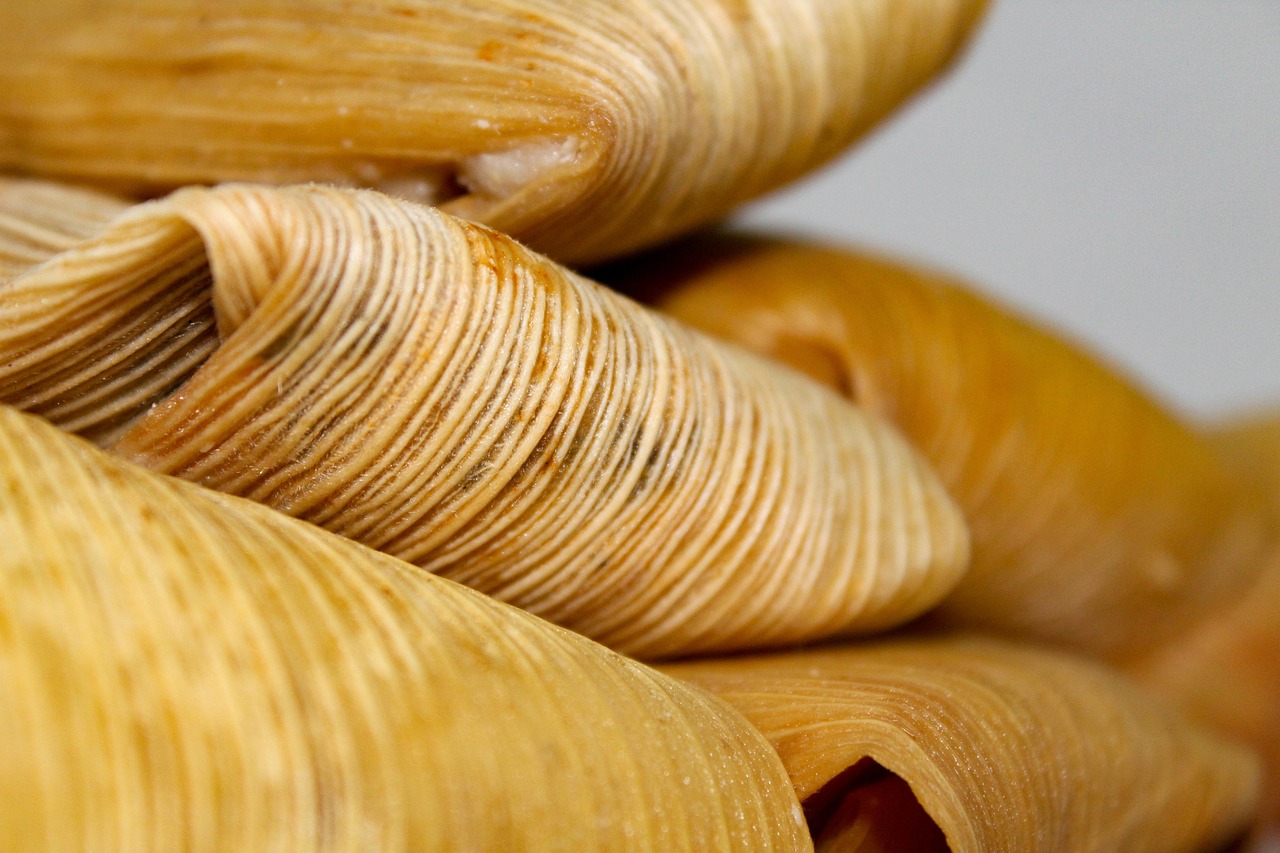
Beans provide the essential partner to maize, together forming the nutritional backbone of the diet. Squash, chilies, herbs, and seasonal produce fill out the table, while eggs and occasional meat mark special days. The cooking is hearty and resourceful, making the most of what the borderland country and the local market can provide, and reflecting a long history of getting by on modest means.
Meals are also occasions for sharing and connection. Offering food expresses respect and welcome, and festivals bring their own special dishes prepared in quantity for the whole community. The preparation of festive food draws families and neighbors together in shared work, so that the Ch’orti’ kitchen nourishes not only the body but the bonds that hold the community together across the borderlands.
Festivals, Fairs and the Turning of the Year
The Ch’orti’ calendar is marked by festivals that fuse Catholic devotion, community celebration, and the ancient rhythm of the agricultural year. Patron-saint feasts fill town centers with processions, music, food, and the gathering of families from scattered hamlets. These events are among the high points of community life, occasions to worship, celebrate, trade, and renew ties that bind the widely dispersed Ch’orti’ world.

Fairs and market days serve a related purpose, turning towns into lively crossroads where people meet to buy, sell, and exchange news. Beyond commerce, these gatherings are social occasions that sustain the relationships and shared identity of the community. The color and movement of a borderland fair capture the energy of a people rooted in place yet always in motion.
Ceremonies tied to planting and harvest keep the sacred and the seasonal intertwined, with prayers for rain and thanks for a good crop folding spiritual meaning into the practical work of survival. Through these festivals and gatherings, the Ch’orti’ mark the turning of the year and renew, again and again, the bonds that make them a distinct people rather than merely a scattering of households along the borders.
Shared meals during the great feasts also reaffirm the community’s bonds with the sacred, as food prepared for festivals often carries ritual significance beyond simple nourishment. Certain dishes appear only on particular holy days, linking the pleasures of the table to the rhythms of the religious calendar. In this way eating together becomes an act of both fellowship and devotion, weaving the ordinary and the sacred into a single fabric of community life.
From Copan to Conquest and Endurance
The history of the Ch’orti’ region stretches back through the classic Maya era, when Copán rose as a powerful city-state whose rulers commissioned magnificent architecture and sculpture. The eventual decline of that great center left a landscape rich in ruins, and the Ch’orti’ are widely regarded as heirs to the people who once lived in its shadow, carrying forward the language and traditions of that ancient world.
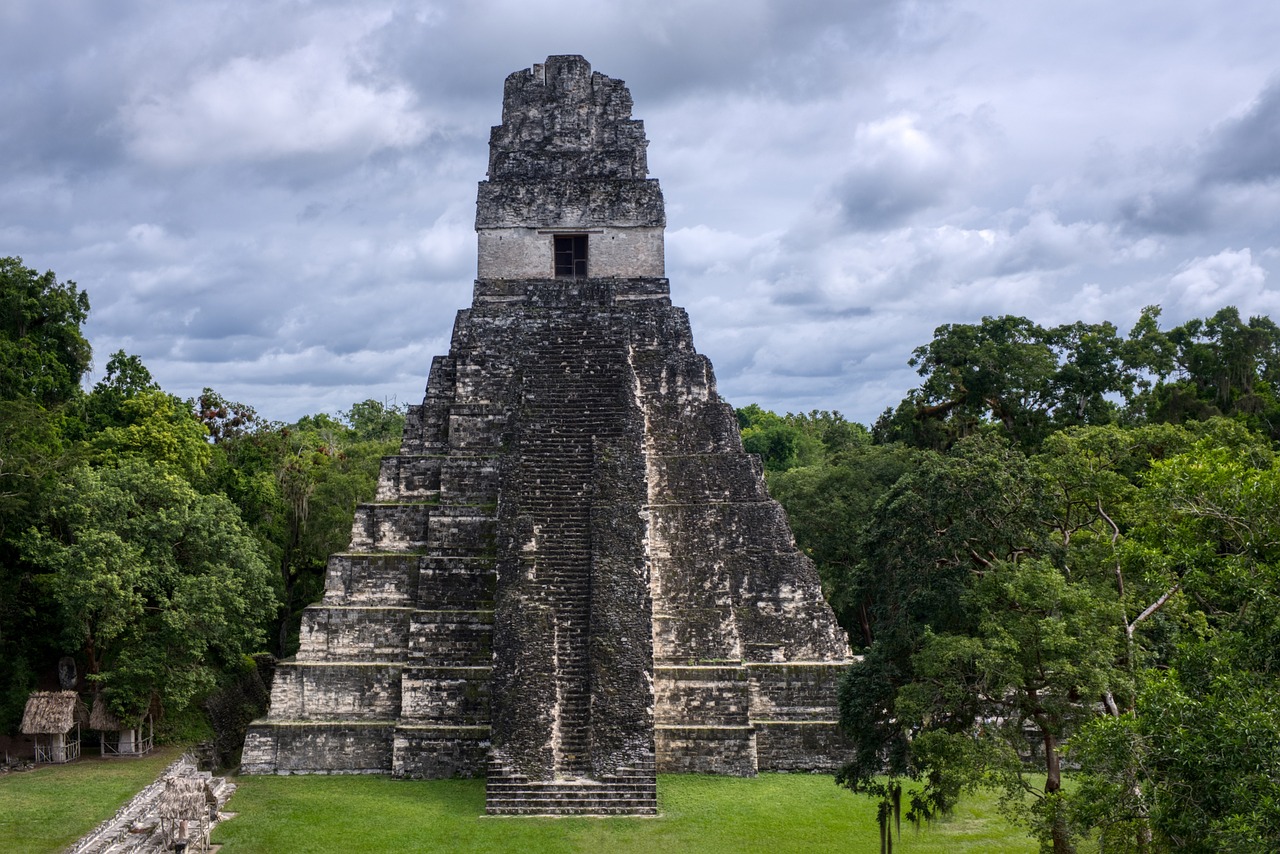
The Spanish conquest in the sixteenth century brought devastating change, as disease, forced labor, and colonial rule reshaped Ch’orti’ communities. Over the centuries that followed, the people lost much of their land and saw their numbers and their language decline under sustained pressure. Independence and the modern era brought new hardships, from land dispossession to the demands of plantation labor.
Through all of this, the Ch’orti’ endured, adapting where they had to and holding onto their identity where they could. The late twentieth century brought further hardship, including the violence and upheaval that swept the region. Yet the community survived, and in recent decades the Ch’orti’ have organized to defend their land and revive their culture, drawing strength from a history of remarkable resilience.
The story of the borderland is thus one of continuity beneath upheaval, of a people who absorbed enormous shocks yet never wholly lost themselves. Each generation inherited both the burdens and the resilience of those before it, learning to bend without breaking. That inheritance, more than any single tradition or artifact, may be the truest measure of what it has meant to survive as Ch’orti’ across so many centuries of change.
The Chorti People in the Present Day
Today the Ch’orti’ remain a distinct people, though one facing serious challenges. Poverty, land pressure, and the erosion of their language weigh heavily on communities scattered across three national borders. Many families struggle to make a living from small plots or seasonal labor, and migration to cities and beyond has become a common response to hardship, reshaping village life and stretching families across great distances.
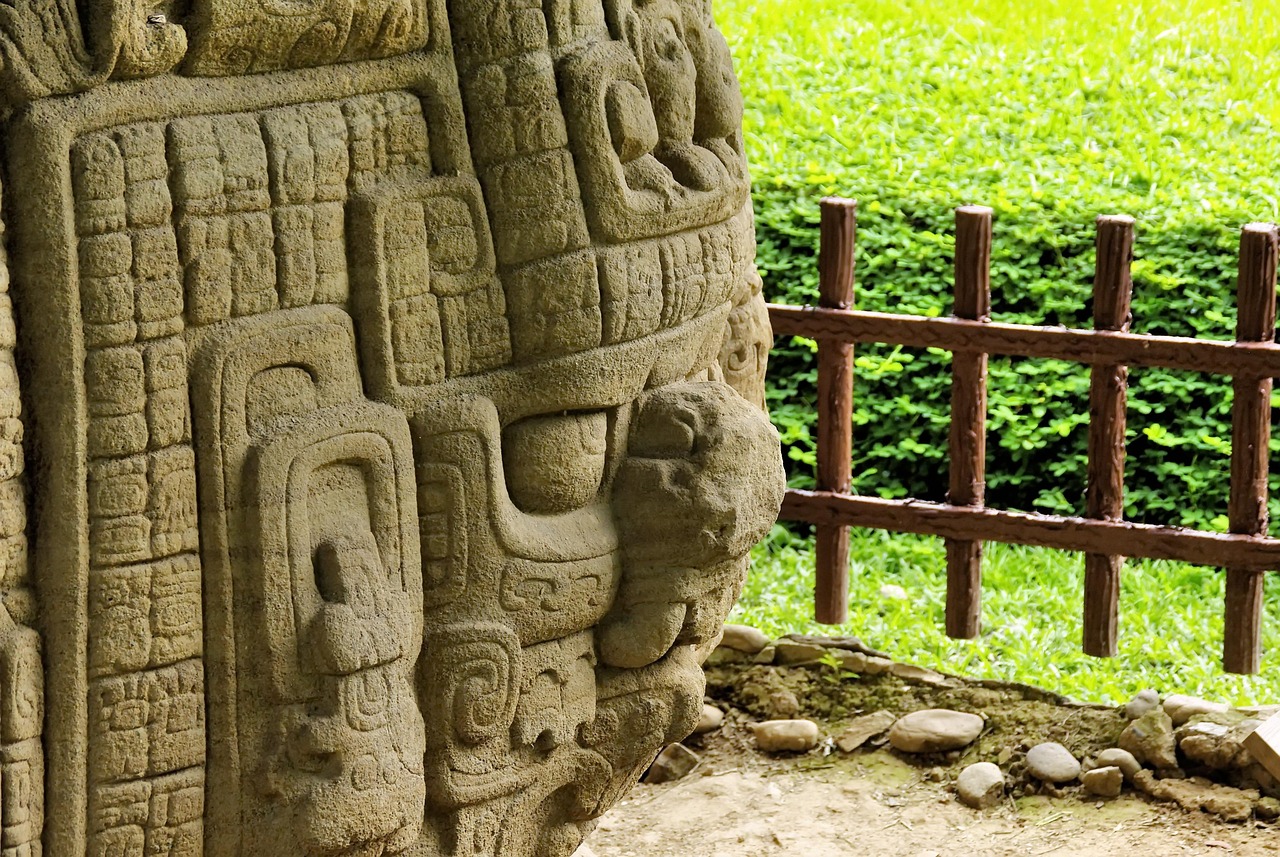
At the same time, a movement of cultural revival has taken root. Ch’orti’ organizations work to defend land rights, revitalize the language, and assert the community’s place in the modern nations that divide their homeland. A growing pride in Maya heritage, and in the extraordinary legacy of Copán, has helped energize efforts to keep Ch’orti’ identity alive for future generations.
The Ch’orti’ thus stand at a crossroads, balancing the pressures of a difficult present against a deep and proud past. Their determination to endure, to keep their language and traditions alive, and to defend their borderland home speaks to a resilience honed over centuries. Among the many distinct peoples of Central America, the Ch’orti’ hold a special place as living heirs to one of the great civilizations of the ancient Americas.
Related Peoples
Explore more of the distinct peoples of Mesoamerica and Central America:
- Meꞌphaa Speakers of the Guerrero Mountains and a Language That Stands Alone
- Garifuna Drummers and Cassava Bakers of the Central American Caribbean Coast
- Lenca Potters and River Defenders of the Honduran and Salvadoran Highlands
- K’icheʼ Maya, Guatemala’s Highland Nation of Maize and Memory
- Q’eqchiʼ Maya, a Rainforest People of Guatemala’s Land of True Peace
- Kaqchikel Maya, Guatemala’s Highland Rivals Who Reclaimed Their Freedom
- Mam Maya, a Mountain People of Guatemala’s Highest Frontier
- Tz’utujil Maya, a Lakeside People of Atitlán and Its Volcanoes
- Ixil Maya, Weavers and Survivors of Guatemala’s Mountain Triangle
- Q’anjob’al Maya, a Highland People Who Reached from the Cuchumatanes to America
- Chuj Maya, Weavers and Maize Farmers of Guatemala’s Cuchumatanes Highlands
You May Like
The Damara, an Ancient People of Namibia