On the dry central plateau of West Africa, in the heart of the country now called Burkina Faso, live a people who did what almost no one else in the region managed to do. While the great Muslim empires of Mali and Songhay rose and fell around them, the Mossi held their own gods, their own kings, and their own way of life for half a thousand years, an island of stubborn independence on the high savanna. Farmers and horsemen, mask-dancers and courtiers, they built a web of kingdoms crowned by an emperor that outlasted every power that pressed against it.
This is the story of the Mossi, one of the largest and most enduring peoples of West Africa. It is a story that begins with a legend of a warrior princess and the horsemen who followed her, and runs through the courts of the nabas, the sacred cult of the earth, the tall antelope masks of the funeral dance, and the long resistance to Islam and to conquest. From the false departure of the Mogho Naba to the film festivals of modern Ouagadougou, the Mossi have carried an ancient order into the present as the steady heart of their nation.
Contents
- The Riders Who Came to the Land of the Volta
- Mossi, Moaga, and the Naming of a People
- Moore, the Speech of the Plateau
- The Central Plateau of Burkina Faso
- The Naba, the Court, and the Web of Kingdoms
- Nakomse Nobles, Tengbiise, and the Bonds of the Village
- The Earth Cult, the Ancestors, and the Coming of Islam
- Masks, Horses, and the Drums of the Court
- Weavers, Blacksmiths, and the Potters of the Plateau
- Sorghum, Millet, and the To of Every Table
- The Naba Ceremonies, the Feasts, and the Fillive Nights
- From the Founding Legend to the Republic of Burkina Faso
- The Mossi at the Heart of Burkina Faso
The Riders Who Came to the Land of the Volta
On the dry central plateau of what is now Burkina Faso, in the country drained by the three branches of the Volta River, there lives one of the largest and most tightly organised peoples of West Africa. They are the Mossi, a nation of farmers and horsemen whose kingdoms held their ground for centuries against every empire that rose around them. While Mali, Songhay, and the great Muslim states of the Sahel expanded and fell, the Mossi kept their own gods, their own kings, and their own way of life on the high savanna, a proud island of tradition in a changing world.
The Mossi trace their beginning to a founding legend that every child knows, the story of a warrior princess and the horsemen who followed her. In this telling a princess of a kingdom to the south rode north, married a hunter of the plateau, and gave birth to the line of horse-riding conquerors who would become the Mossi. Whatever history lies behind the legend, it captures a real truth, that the Mossi were formed when a cavalry aristocracy from elsewhere fused with the older farming peoples already rooted in the land, creating a new nation from the meeting of the two.
From that fusion grew a cluster of kingdoms bound by a common language, a common culture, and a shared royal tradition, presided over in time by the Mogho Naba, the emperor of the Mossi. Neither fully centralised nor ever truly divided, this network of states gave the Mossi a durability that few of their neighbours could match. To understand them is to understand how a people can build an order strong enough to survive empires, colonial rule, and the upheavals of the modern age while keeping its own heart intact.
Mossi, Moaga, and the Naming of a People
The people call themselves by a family of related words that turn on a single root. A single person is a Moaga, the people together are the Mossi or Moose, and their land is Mogho, the country of the Mossi. From this same root comes the name of their supreme ruler, the Mogho Naba, the king of all the land, and the name of their language, Moore. The web of names shows how tightly the Mossi bound together their people, their country, their king, and their speech into a single idea of belonging.
The origin of the root itself is old and debated, tied up with the founding legend and with the memory of the horsemen who gave the nation its ruling line. What is clear is that to be Moaga came to mean far more than descent from any one ancestor. It meant sharing in the language, the customs, and the loyalty to the naba that defined the Mossi world, and over centuries many people of different origins were drawn into that world and became Mossi in the fullest sense.
Outsiders long knew the Mossi as a byword for stubborn independence, the people who would not be conquered and would not abandon their old religion for the faith of their Muslim neighbours. The name carried a certain awe, for the Mossi cavalry raided far and wide and their kingdoms stood unbroken for half a thousand years. Today the name belongs to the great majority of the people of Burkina Faso, a nation whose modern identity rests heavily on the long endurance of the Mossi.
Moore, the Speech of the Plateau
The Mossi speak Moore, a language of the Gur or Voltaic branch of the great Niger-Congo family, related to the tongues of many neighbouring peoples of the Volta basin. It is one of the most widely spoken languages of Burkina Faso, the mother tongue of the largest group in the country and a common language that ties together the towns and villages of the central plateau. Wherever the Mossi have settled and traded, Moore has travelled with them, becoming a language of the market and the road as much as of the home.
Like the languages around it, Moore is a tonal tongue in which the pitch of a syllable can change its meaning, and it carries a rich store of proverbs, praise-names, and formulas of greeting. The elaborate courtesies of Mossi life are conducted in this language, the long exchanges of greeting that ask after a person family, health, and work before any real business begins. To greet well in Moore is a social art, and the language is dense with the respect for age and rank that orders Mossi society.
Centuries of contact have layered Moore with borrowings, Arabic words that came with Islam and trade, and French words that arrived with the colony and now fill the speech of the towns. Yet the language has kept its own strong character, and it thrives today in radio, music, and daily life across Burkina Faso. In the songs of its praise-singers and the tales told around the evening fire, Moore preserves the memory and the wisdom of the Mossi world.
The Central Plateau of Burkina Faso
The Mossi homeland is the central plateau of Burkina Faso, a broad, dry tableland in the heart of West Africa drained by the White, Red, and Black branches of the Volta River. It is a land of open savanna, of thin soils and scattered trees, where the great baobab and the useful shea tree stand over fields of millet and sorghum. Flat and unspectacular to the passing eye, this plateau nonetheless fed and sheltered one of the densest populations in the region, its villages spread thickly across the grassland.
This is a country of two hard seasons, a long dry spell when the harmattan wind blows down from the Sahara and hazes the sky with dust, and a short rainy season when the storms of summer green the fields and fill the rivers. The rains are the whole hope of the year, for on them depends the single harvest that must carry the people through the dry months. The Mossi learned to farm this uncertain land with care, storing grain against the lean season and reading the sky for the first signs of rain.
The plateau sits at a crossroads of West Africa, between the desert to the north and the forest to the south, and this position shaped Mossi life. Trade routes carrying salt, kola nuts, cloth, and captives passed through their country, and the Mossi both taxed this trade and sent their own caravans along it. Ringed by more powerful neighbours yet protected by distance and by their own cavalry, the Mossi made of this ordinary-seeming plateau a stronghold that outlasted every empire around it.
The Naba, the Court, and the Web of Kingdoms
The old Mossi world was ordered by a remarkable political system, a web of kingdoms crowned by the Mogho Naba but never fully swallowed into a single state. The greatest kingdoms, Ouagadougou, Yatenga, Tenkodogo, and others, each had their own naba, their own court, and their own territory, yet all acknowledged a shared royal tradition and a rough hierarchy of seniority. This balance of unity and independence gave the Mossi both the strength of a great nation and the resilience of many, so that the fall of one king did not bring down the whole.
At the head of each kingdom stood the naba, a sacred ruler who was far more than a war chief. Surrounded by an elaborate court of ministers with ancient titles, served by pages and praise-singers, and hedged about with ceremony, the naba embodied the kingdom and mediated between his people and the ancestors. His ministers held real power over the army, the palace, and the affairs of state, and the succession to the throne followed rules watched over by the great electors of the realm. It was a court as intricate as any in the region.
Beneath the kings and their courts lay the great mass of villages, each with its own headman and its own bonds of kinship and land. Authority ran downward from the naba through a chain of chiefs, but it was balanced everywhere by the older power of the earth-priests and the councils of elders. Cavalry gave the kingdoms their military edge, the mounted nobles able to strike swiftly across the plateau, and it was this horse power, joined to a strong civil order, that let the Mossi hold their land for so long.
Nakomse Nobles, Tengbiise, and the Bonds of the Village
Mossi society rested on a deep distinction between two kinds of people, the newcomers and the first-comers. The Nakomse, descendants of the horse-riding conquerors of the founding legend, held the right to rule and filled the ranks of the kings and chiefs. The Tengbiise, the people of the earth, were the descendants of the older farming population who had lived on the land before the riders came, and to them belonged a different and equally vital power, authority over the soil itself and the spirits within it. Political power and earth power were thus divided between the two.
This division ran through the whole of life. The chiefs and nobles governed, judged, and led in war, but they could not simply seize the land, for its ownership and its sacred custody lay with the earth-priests drawn from the first-comers. A new chief had to be confirmed by the earth-priest, and the blessing of the land depended on rites that only the Tengbiise could perform. In this way the conquerors and the conquered were locked into a lasting partnership, each holding half of what the community needed to survive.
Below and among these groups stood the specialised castes and callings of Mossi life, the blacksmiths and their wives the potters, the praise-singers who kept the genealogies of the nobility, and the weavers and other artisans. Family and lineage ordered everything, elders commanded deep respect, and the ceremonies of birth, marriage, and death bound households together and set gifts and labour flowing between them. It was a dense and stable social order in which everyone knew their place, their kin, and their duties.
The Earth Cult, the Ancestors, and the Coming of Islam
For most of their history the Mossi held firmly to their own religion, and their long resistance to Islam was one of the things that set them apart from their neighbours. At the centre of this faith stood the cult of the earth, the sacred power of the land that was tended by the earth-priests of the first-comer lineages. Before any field was cleared or any grave dug, the earth had to be honoured, and the earth-priests offered the sacrifices that kept the community in right relation with the soil, the rains, and the unseen powers that governed the harvest.
Alongside the earth cult stood the veneration of the ancestors, the dead of each lineage who watched over their descendants and had to be remembered with offerings and respect. The ancestors were consulted in trouble, thanked in plenty, and honoured at every great turning of life, and the bond between the living and the dead was the moral spine of Mossi society. Diviners read the will of the spirits, and carved figures and masks gave form to the powers of the bush and the ancestral world in ritual and dance.
Islam came slowly to the Mossi, carried by traders and by the Muslim communities that settled in their towns, and for centuries the kings kept it at arm length while tolerating it among their subjects. In time it spread more widely, and today many Mossi are Muslims and a growing number are Christians, yet the old religion has never wholly gone. Beneath and beside the mosque and the church, the earth-priests still tend their shrines and the ancestors are still honoured, so that the Mossi live in a layered world of faiths old and new.
Masks, Horses, and the Drums of the Court
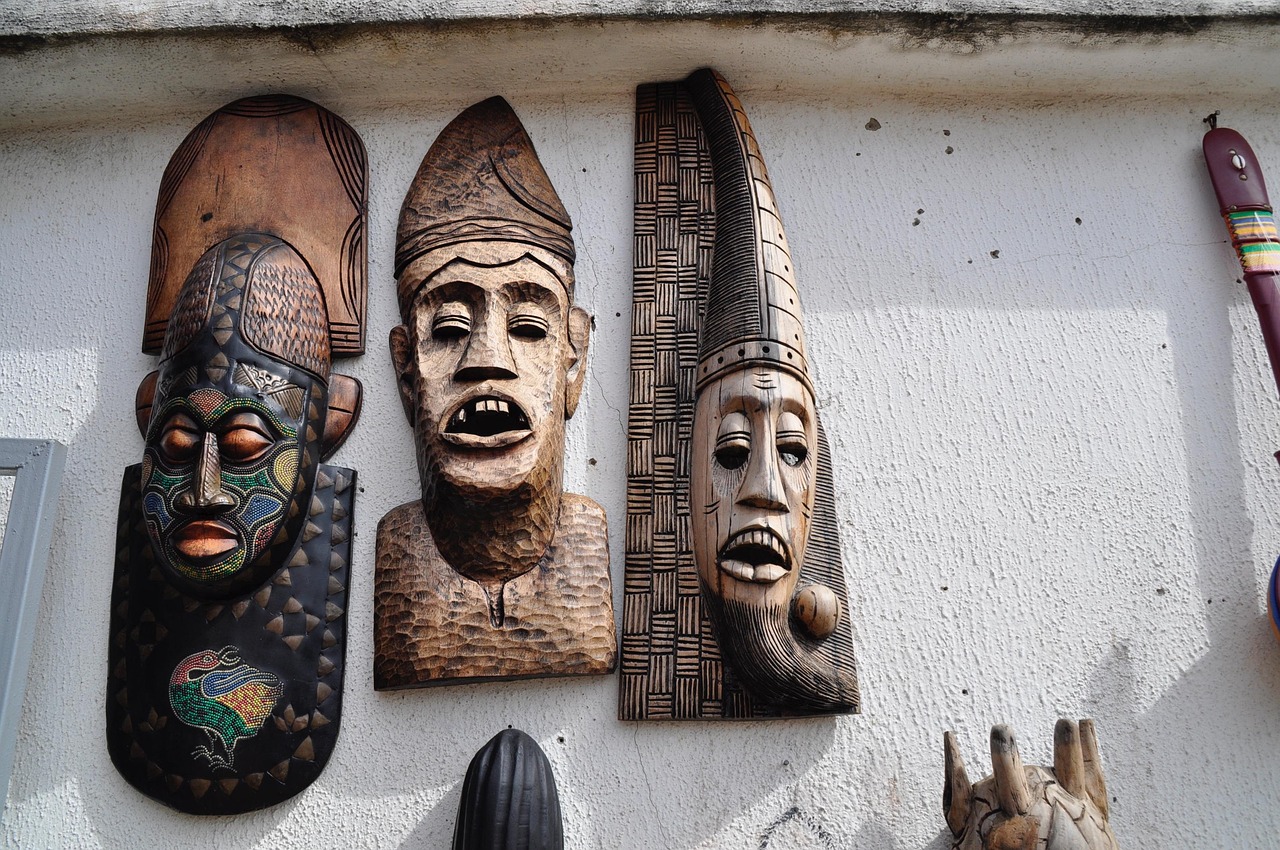
Among the most striking of Mossi traditions are the carved wooden masks that appear at funerals and at the rites of the earth cult, above all the tall antelope masks of the western Mossi kingdoms. Danced by masked performers to the beat of drums, these masks embody the spirits of the bush and the ancestors, and they enforce the sacred laws of the land, appearing to honour the dead and to protect the fields. The art of carving and dancing them is an inheritance guarded by particular families and villages, and it is one of the great artistic achievements of the region.
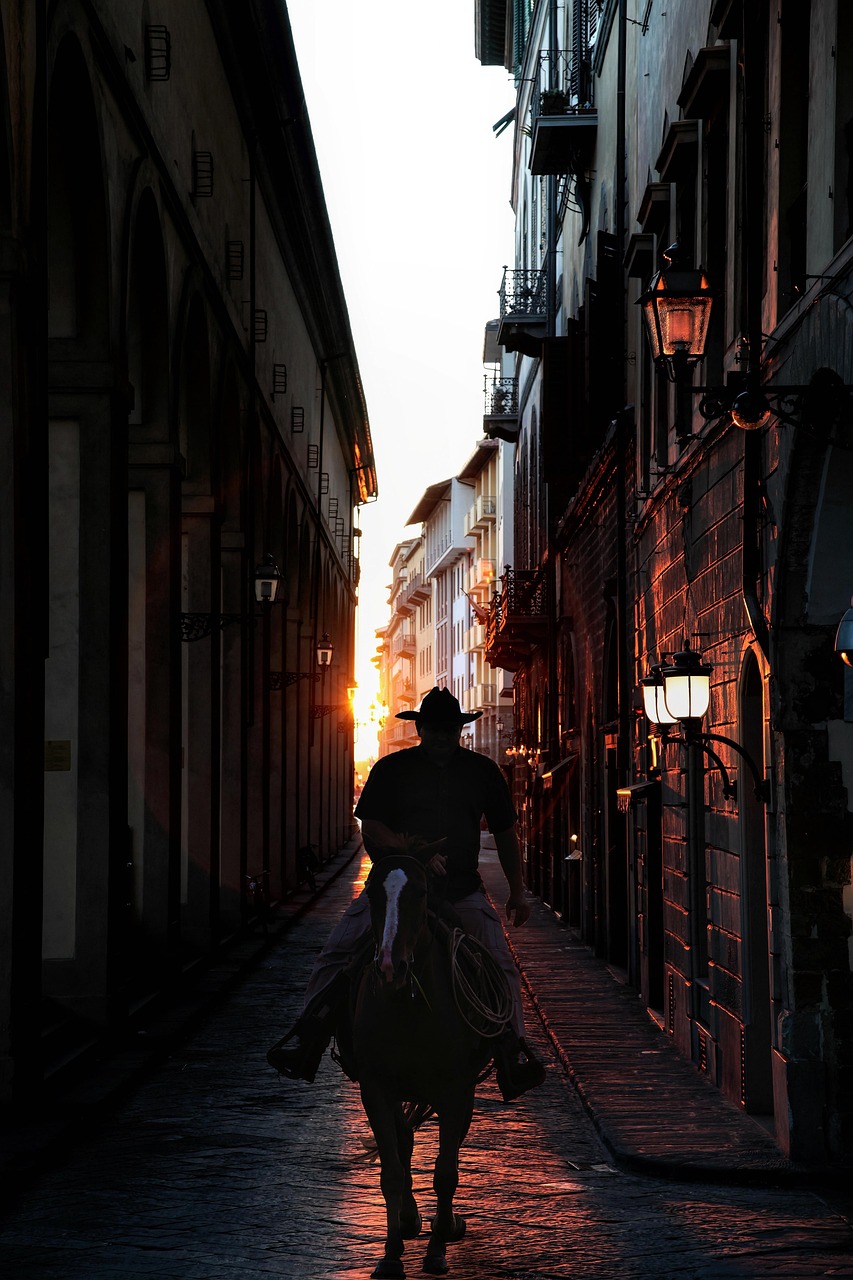
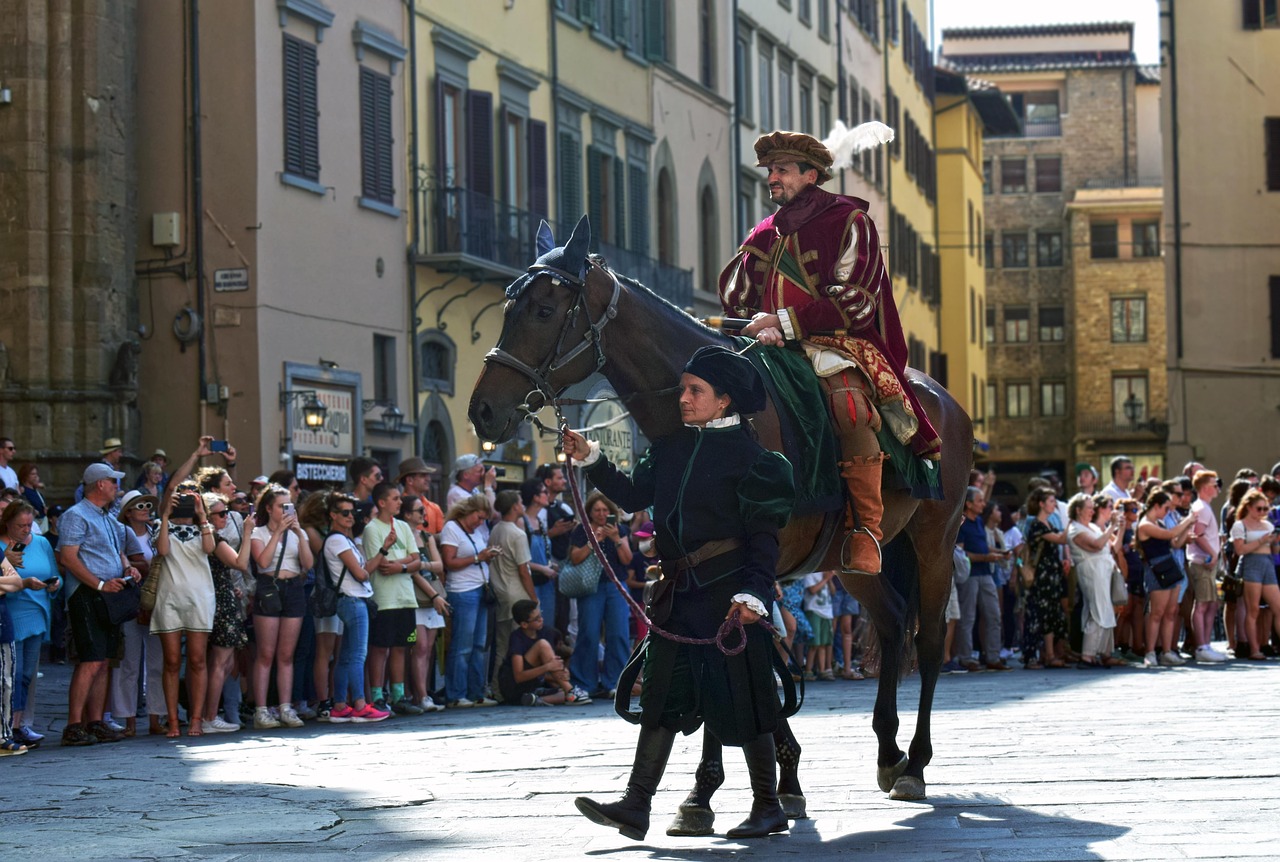
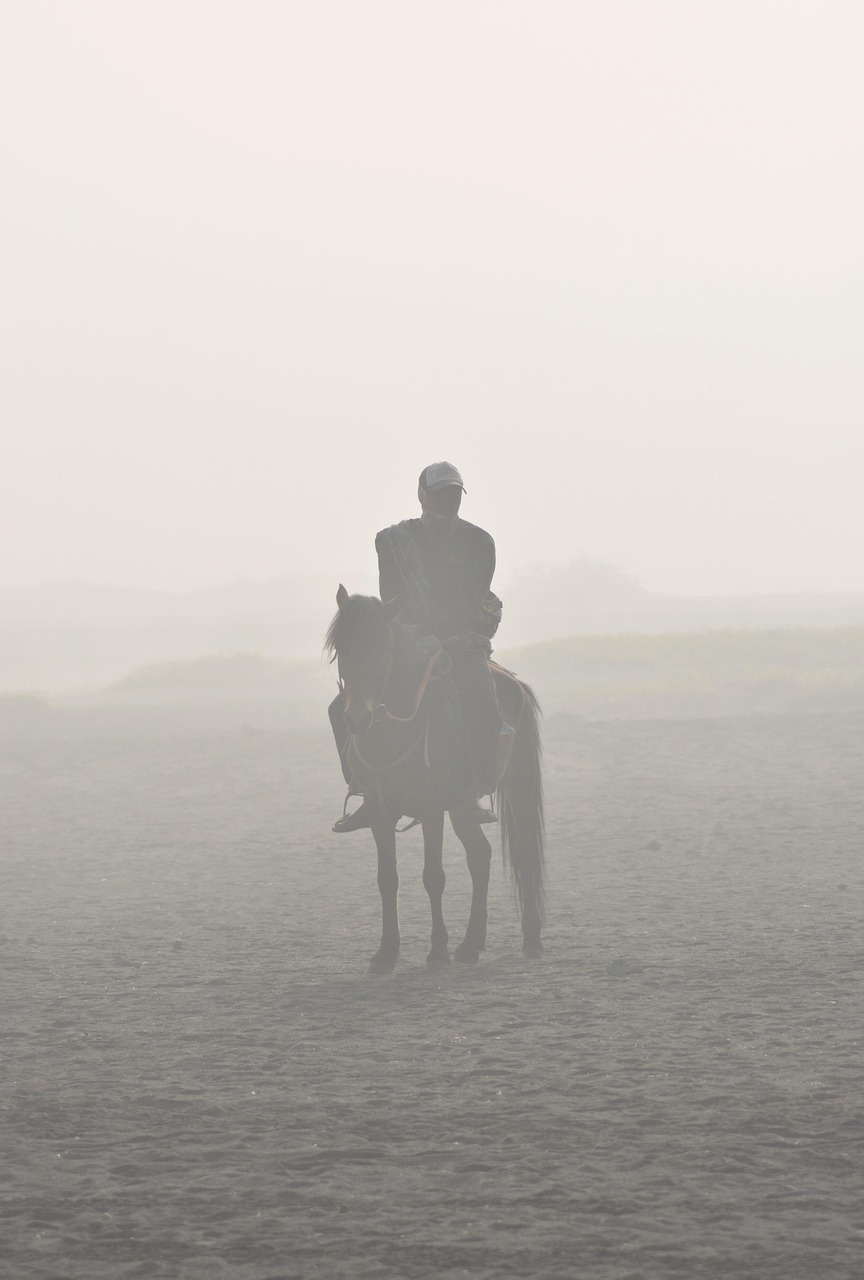
The horse holds a place of honour that reaches back to the founding legend and the cavalry kingdoms. At the courts of the nabas, richly caparisoned horses carry the king and his nobles in procession, and the mounted warrior remains a proud emblem of Mossi identity long after the age of cavalry raids has passed. The drums of the court, the praise-songs of the royal musicians, and the elaborate etiquette of the palace all belong to this tradition of kingship, in which power is displayed through ceremony, music, and the splendour of the horse.
Everyday tradition is woven from courtesy, music, and the marking of life passages. The long formal greetings, the respect shown to elders and chiefs, the songs and dances that accompany a wedding or a naming, and the storytelling of the evening all carry the values of the Mossi world from one generation to the next. In the mask and the horse, the drum and the greeting, the Mossi keep alive a way of being that has changed remarkably little across the centuries.
Weavers, Blacksmiths, and the Potters of the Plateau
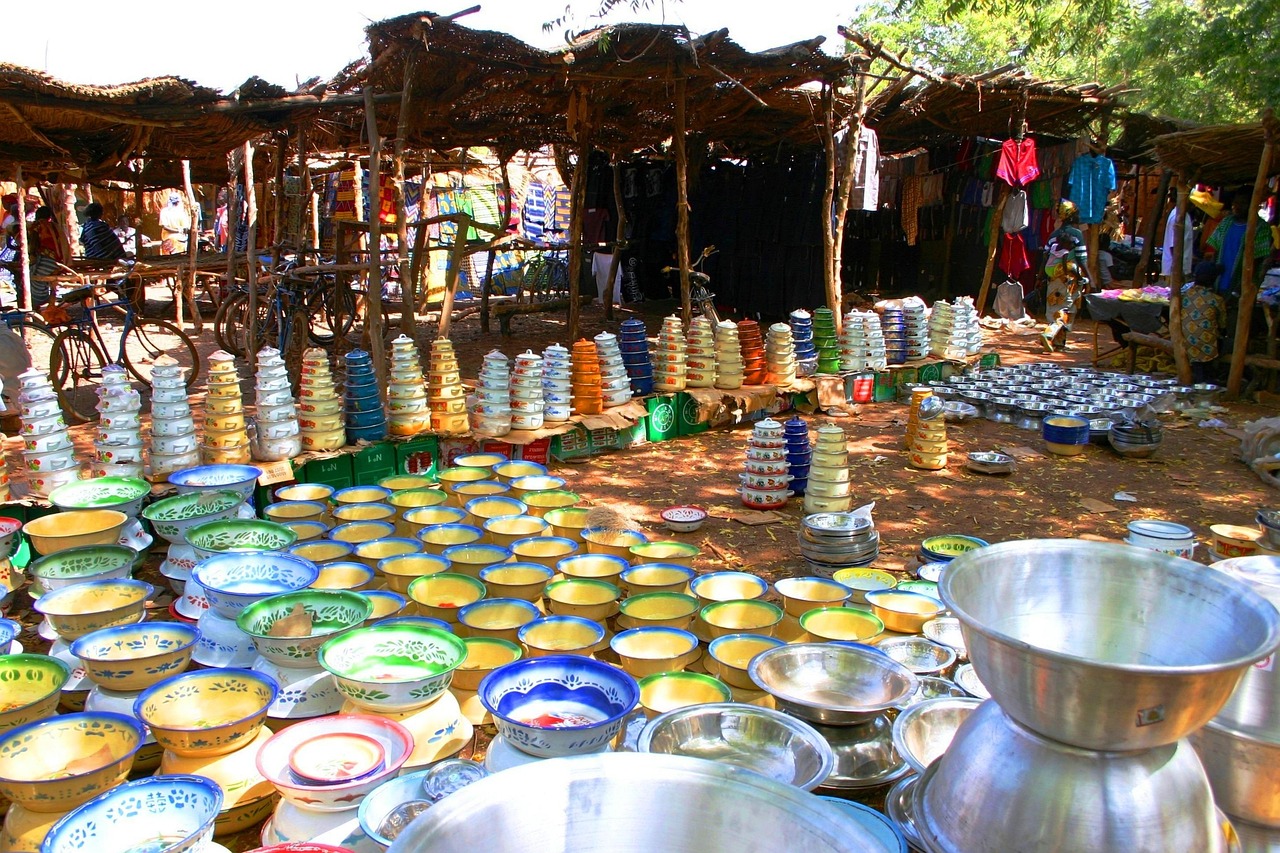
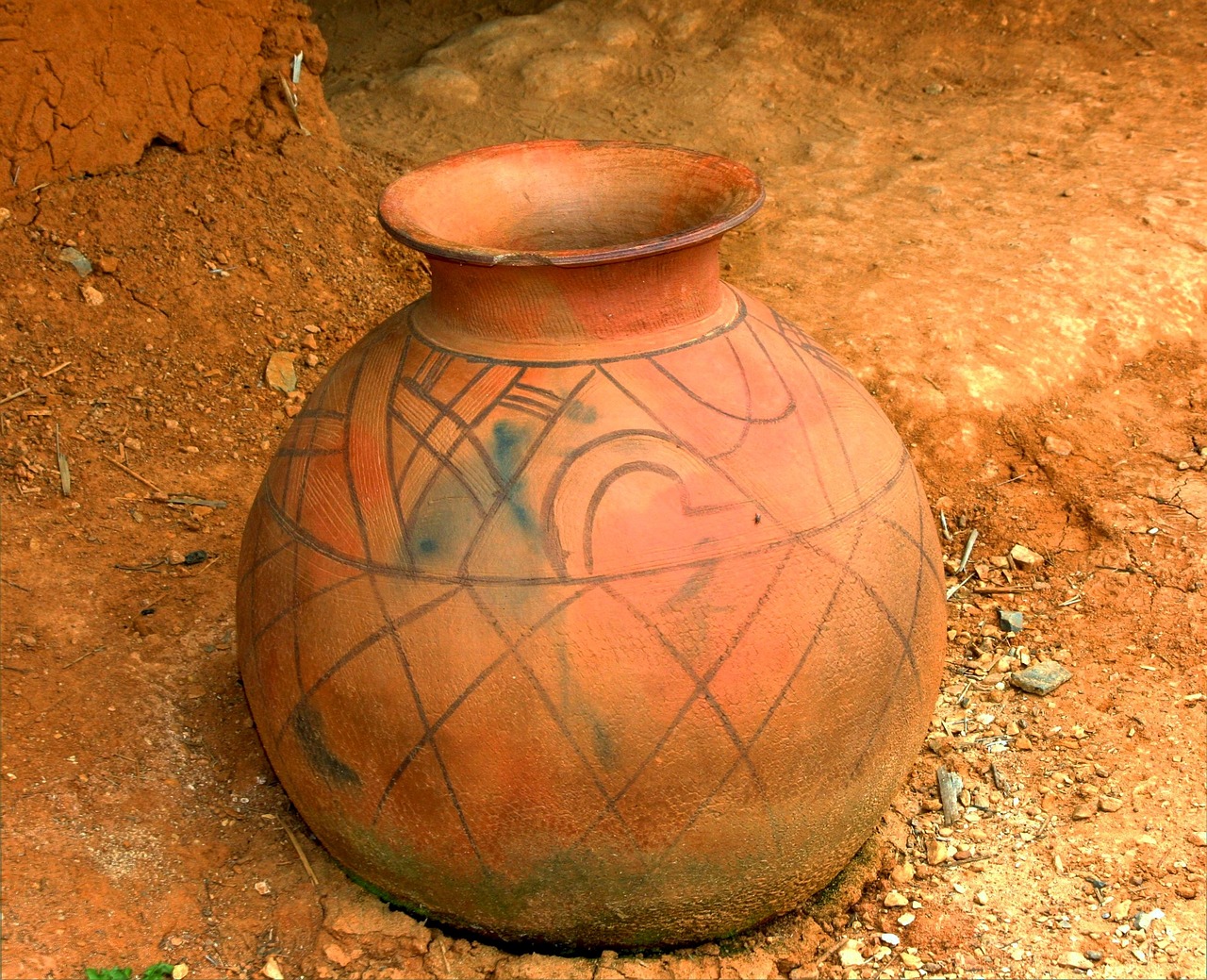
Mossi craft is carried by families of specialists whose skills pass from parent to child, and none are more important than the blacksmiths. Working iron at the forge, they make the hoes, axes, knives, and weapons on which farming and war depend, and their command of fire ties them in belief to the world of spirits and secret knowledge. In many villages the blacksmith and his household stand a little apart, respected and slightly feared, and it is often the smith wife who is the potter, shaping the clay vessels that store water and grain and cook the daily meal.
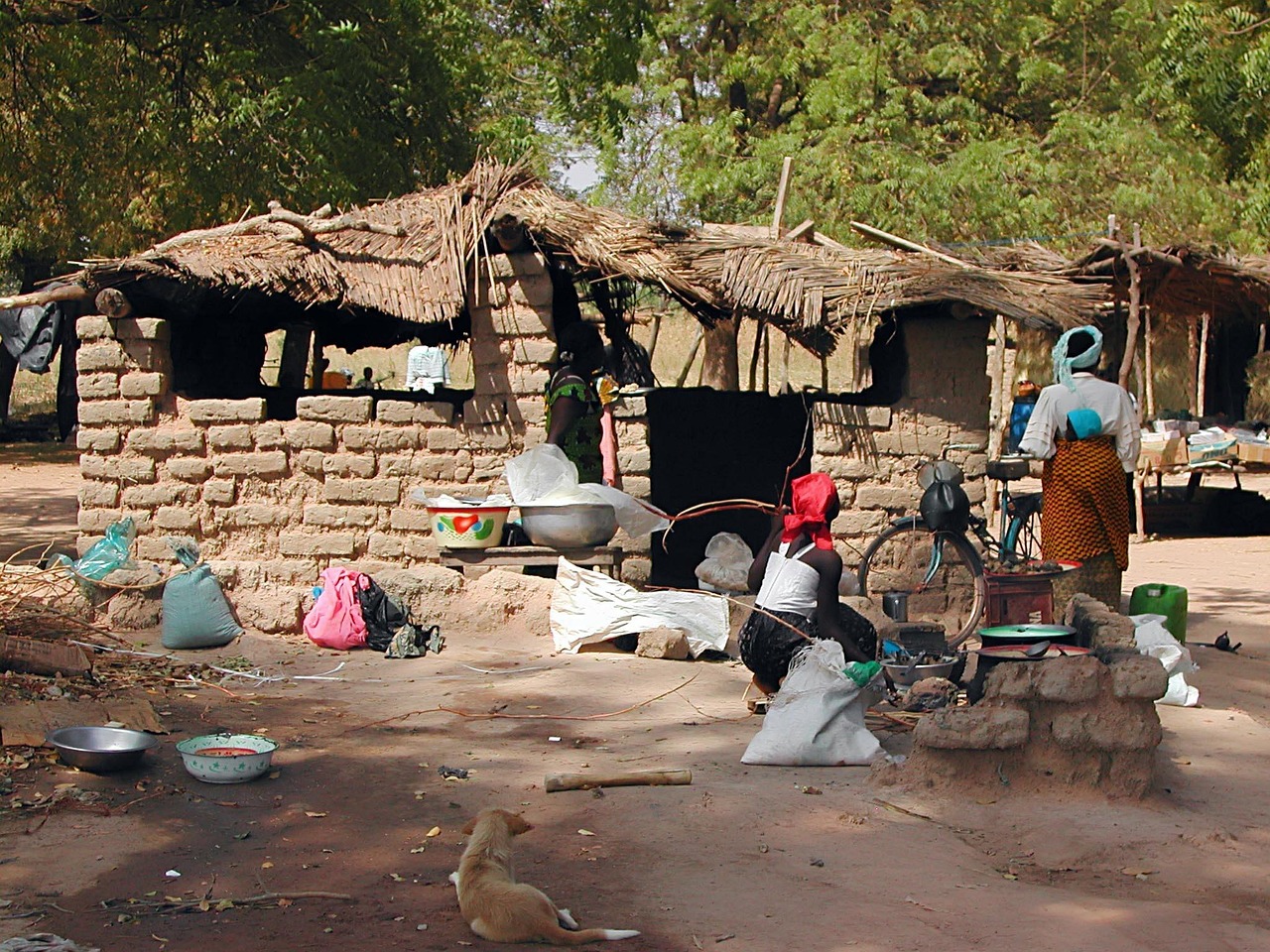
Weaving and dyeing clothe the Mossi world. On narrow looms the weavers produce long strips of cotton cloth that are sewn into blankets and garments, and the deep indigo dye of the region colours the festival dress of the plateau. Cotton has long been grown and spun here, and the cloth of Burkina Faso, woven in bands and stitched together, remains a proud craft that has found new life in the fashion of modern West Africa. The making of cloth, from the growing of the cotton to the final garment, was work in which many hands shared.
Woodcarving gives form to the masks and figures of the ancestral cults, and leatherworkers, mat-makers, and basket-weavers supply the goods of daily life. Each of these crafts tends to belong to particular lineages and to carry its own status and its own body of knowledge. Together they made the Mossi village largely self-sufficient, able to feed, clothe, arm, and equip itself from the skills of its own people, and they preserved artistic traditions of real depth and beauty.
Sorghum, Millet, and the To of Every Table
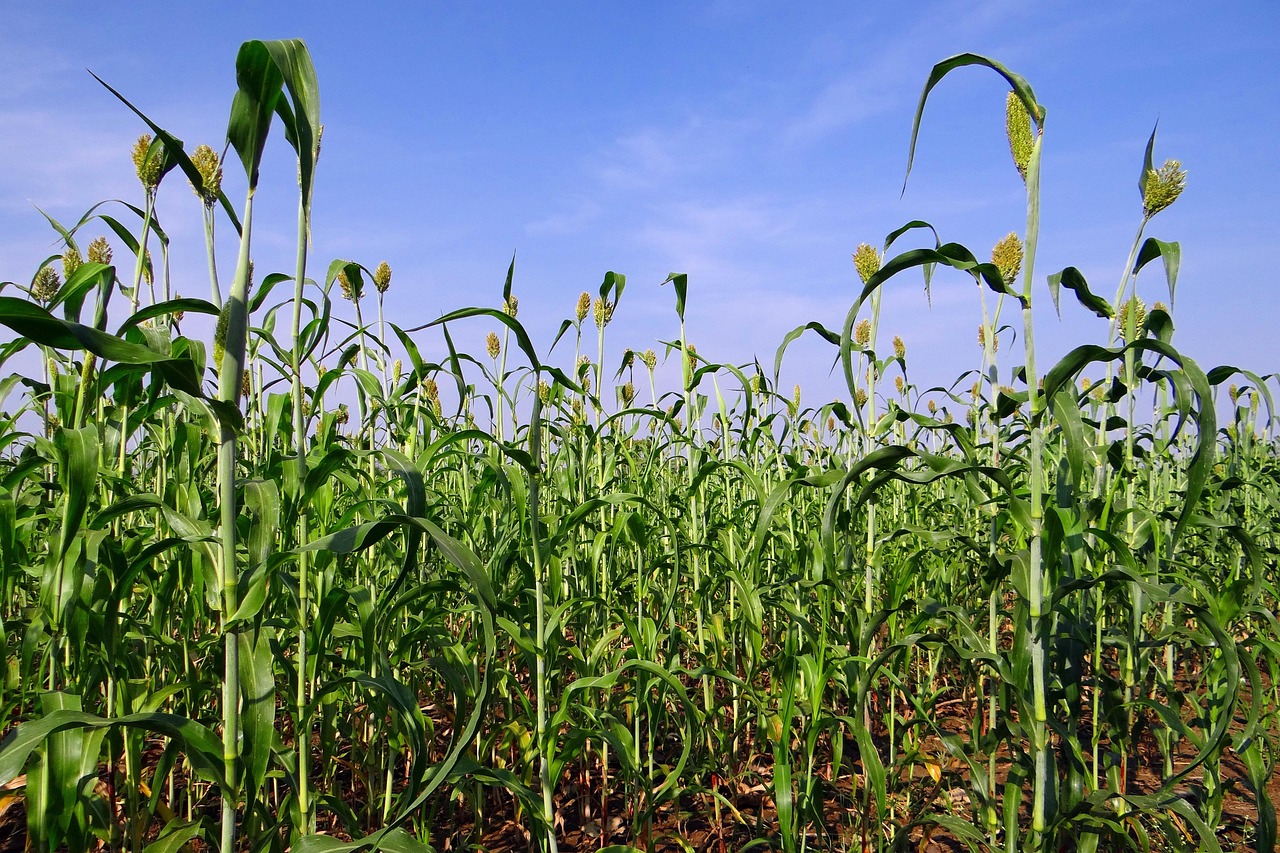
The food of the Mossi is the food of the dry savanna, built above all on the grains that grow on the plateau. Sorghum and millet are the great staples, pounded into flour and cooked into a thick stiff porridge called to, which is the heart of nearly every meal. Dipped into sauces made of leaves, okra, beans, and the flavourful seeds of the locust tree, the to fills the common bowl around which the family gathers. This simple, hearty fare has fed the dense population of the plateau for centuries.
Around the grain grow the other foods of the Mossi table. The shea tree yields a rich butter used in cooking and far beyond it, the baobab gives its tart leaves and fruit, and beans, groundnuts, and garden vegetables add variety to the sauces. Meat from sheep, goats, and chickens appears chiefly at feasts and on days of honour, and the raising of livestock is both a source of food and a store of wealth. Milk, where herds allow, adds its nourishment to the diet of the countryside.
Drink and hospitality complete the picture. Dolo, the millet beer brewed by the women, is central to social life and to the rites of the old religion, shared at gatherings and poured in offering to the ancestors and the earth. Tea and, in Muslim households, the avoidance of beer mark the newer faiths, but the sharing of food and drink remains everywhere an expression of the deep Mossi values of hospitality and community. To eat together is to affirm the bonds that hold the village as one.
The Naba Ceremonies, the Feasts, and the Fillive Nights
The grandest ceremonies of the Mossi are those of the court, above all the great rites that surround the Mogho Naba of Ouagadougou. The most famous is the weekly false departure, the Nab-Basga, an ancient ritual in which the emperor, dressed for war, appears to set out to avenge his queen and is then persuaded to stay, a piece of living history performed before the palace to this day. Enthronements, funerals of kings, and the annual renewals of the realm draw crowds, horsemen, drummers, and praise-singers in displays of pageantry that reach back to the age of the kingdoms.
The rites of the old religion mark the turning of the farming year. Sacrifices to the earth and the ancestors open the planting season and give thanks for the harvest, and the masked dances of the funerary and earth cults bring the spirits of the bush into the village to honour the dead and bless the fields. These gatherings, timed to the rhythm of the rains and the crops, bound the community to the land and to the powers that governed its fertility.
Alongside these old ceremonies the Mossi now share in the feasts of Islam and Christianity, the Tabaski sacrifice and the end of the fast, Christmas and Easter, each celebrated with prayer, new clothes, and the sharing of food. Weddings, namings, and funerals remain great social festivals in their own right, filled with music, dancing, and the flow of gifts. From the palace of the emperor to the courtyard of the humblest family, the Mossi year is punctuated by gatherings that renew the bonds of kin, community, and faith.
From the Founding Legend to the Republic of Burkina Faso
Mossi history begins, in their own telling, with the legend of the princess Yennenga and her son Ouedraogo, the ancestor of the royal line, whose name means the stallion. From this founding a cluster of kingdoms took shape on the plateau between roughly the fourteenth and fifteenth centuries, as bands of horsemen imposed their rule on the farming peoples and built the courts of Tenkodogo, Ouagadougou, Yatenga, and the rest. By the time the great Muslim empires of the Sahel were at their height, the Mossi kingdoms were a settled and formidable power.
For centuries the Mossi held their ground with striking success. Their cavalry raided the lands of Mali and Songhay and even struck at the great cities of the Niger bend, and they turned back the pressure of Islam that had swept over so many of their neighbours. Ringed by larger states yet never conquered by them, the kingdoms endured through the rise and fall of empires around them, kept safe by their cavalry, their dense population, and the strength of their political order, a rare island of continuity in a turbulent region.
The independence of the Mossi ended only with the coming of the French, who conquered the kingdoms at the close of the nineteenth century and made their land the colony of Upper Volta. The nabas were preserved as chiefs under colonial rule, and the Mossi order bent without breaking. Independence came in 1960, and in 1984 the country took the name Burkina Faso, the land of upright people. Through colony and republic, coups and revolutions, the ancient throne of the Mogho Naba has endured, a living link to the age when the Mossi kingdoms defied the world.
The Mossi at the Heart of Burkina Faso
Today the Mossi are by far the largest people of Burkina Faso, making up around half of the countrys population and standing at the centre of its national life. Their language, Moore, is heard everywhere, their capital of old, Ouagadougou, is the capital of the modern state, and Mossi men and women fill its government, its markets, and its universities. The throne of the Mogho Naba survives as a revered moral authority whose word still carries great weight, and in times of crisis the emperor has acted as a peacemaker between rival forces in the nation.
The pressures of the modern age press hard on the Mossi homeland. The plateau is crowded and its soils are tired, the rains are uncertain and the desert creeps closer, and many Mossi have long migrated in search of work, to the cotton farms and cocoa plantations of the coast and to the cities of the region. In recent years the north and east of the country have been troubled by armed violence and insecurity that have driven many from their homes, a grave challenge to a people long known for their stability.
Yet the deep strengths of the Mossi endure. The bonds of family and village, the respect for the earth and the ancestors, the authority of the naba, and the pride in a history of unbroken independence remain living forces. Burkinabe music, cinema, and art, much of it rooted in Mossi culture, have won attention across Africa and beyond, and the great film festival of Ouagadougou draws the continent to the Mossi capital. Carrying an ancient order into a hard new century, the Mossi remain the steady heart of their nation.
Related Peoples of the Region
- Igbo of the Republican Villages and Their Nation That Crowned No King
- Ashanti of the Golden Stool and Their Forest Empire of Gold
- Dogon of the Bandiagara Cliffs and Their World Carved Into the Rock
- Bambara of the Upper Niger and Their Antelope Dance of the Farming Cults
- Wolof of the Senegal Coast and Their Nation of Teranga
- Songhay of the Niger Bend and Their Empire of Gold and Salt
- Ewe of the Lagoon Coast and Their Drums That Conquered the World
- Kanuri of Lake Chad and Their Empire That Lasted a Thousand Years
More Peoples of the World
You May Like
The Zaza, a Mountain People of Eastern Anatolia