Across the wooded savanna where the Nile and the Congo divide, in the borderlands of South Sudan, the Democratic Republic of the Congo and the Central African Republic, live the Azande. Welded together by the conquests of the Avongara aristocracy, they became one of the great kingdoms of north-central Africa.Farmers, hunters and master smiths of the throwing knife, the Azande are famous the world over for their beliefs about witchcraft and their poison oracle, studied by anthropologists as a window into human reasoning. Renowned too for their harps and their tales of Ture the spider, the Zande carry a rich heritage across the borders that now divide them.
The Azande on Film
Contents
- Origins
- The Name
- The Language
- The Homeland
- The Old Way of Life
- Society and Community
- Religion and Belief
- Traditions
- Crafts
- Food
- Festivals
- History
- Today
Origins

The Azande, or Zande, are a people of north-central Africa, living where the watershed between the Nile and the Congo brings together the borderlands of the Democratic Republic of the Congo, South Sudan and the Central African Republic. They number several million and speak Pazande, a language of the Ubangian family.
The Zande as we know them were forged over the eighteenth and nineteenth centuries through the conquests of a ruling aristocracy, the Avongara, who welded together many different peoples into a series of kingdoms. To be Zande thus became as much a matter of political and cultural allegiance as of common descent, and the Zande absorbed and assimilated numerous neighbouring groups.
The Name
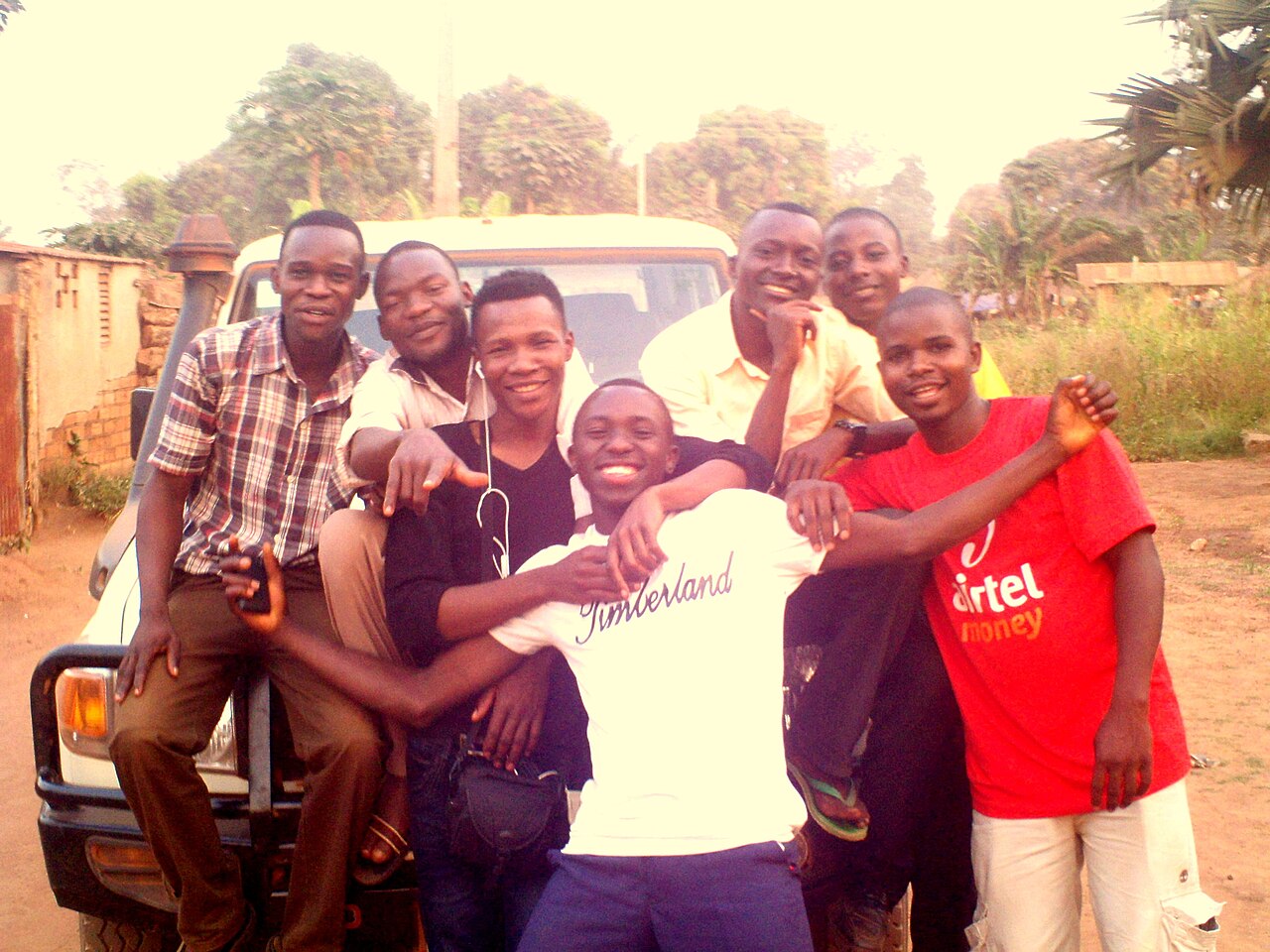
The people call themselves Azande in the plural and Zande in adjectival form, and their language is Pazande. To nineteenth-century travellers they were known by the exonym Niam-Niam, a name given by their neighbours and carrying insulting overtones, which the Zande themselves reject in favour of their own name.
The Zande homeland is divided today among three countries, with important centres such as Yambio and Tombura in South Sudan and communities across the border in the Congo and the Central African Republic. Colonial boundaries cut through their territory, leaving the Zande a people split among modern states.
The Language
The Azande speak Pazande, a member of the Ubangian branch of the Niger-Congo languages, which serves as the common tongue of the many groups gathered into the Zande kingdoms. Its spread was itself a product of Zande expansion, as conquered peoples adopted the language of their rulers.
Pazande has a rich oral literature of tales, proverbs and songs, and the trickster figure Ture, the spider, is the hero of a famous cycle of stories. Today the Zande also use the national languages of their respective countries, but Pazande remains central to their identity across the borders that divide them.
The Homeland
The Zande homeland is a country of wooded savanna and gallery forest on the divide between the Nile and Congo river systems, a well-watered land of streams, farms and hunting grounds. The fertile soils of Western Equatoria and the neighbouring regions support a productive farming economy.
Straddling this watershed, the Zande country lies at a meeting point of the savanna and the forest edge, a transitional zone rich in resources. Its position between the great river basins shaped the history of Zande expansion and their contacts with peoples in every direction.
The Old Way of Life
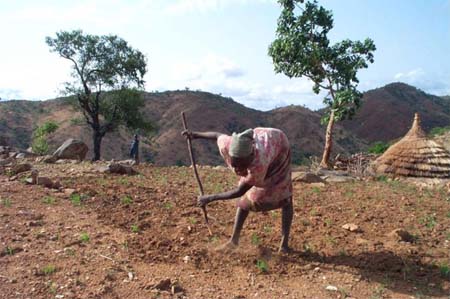
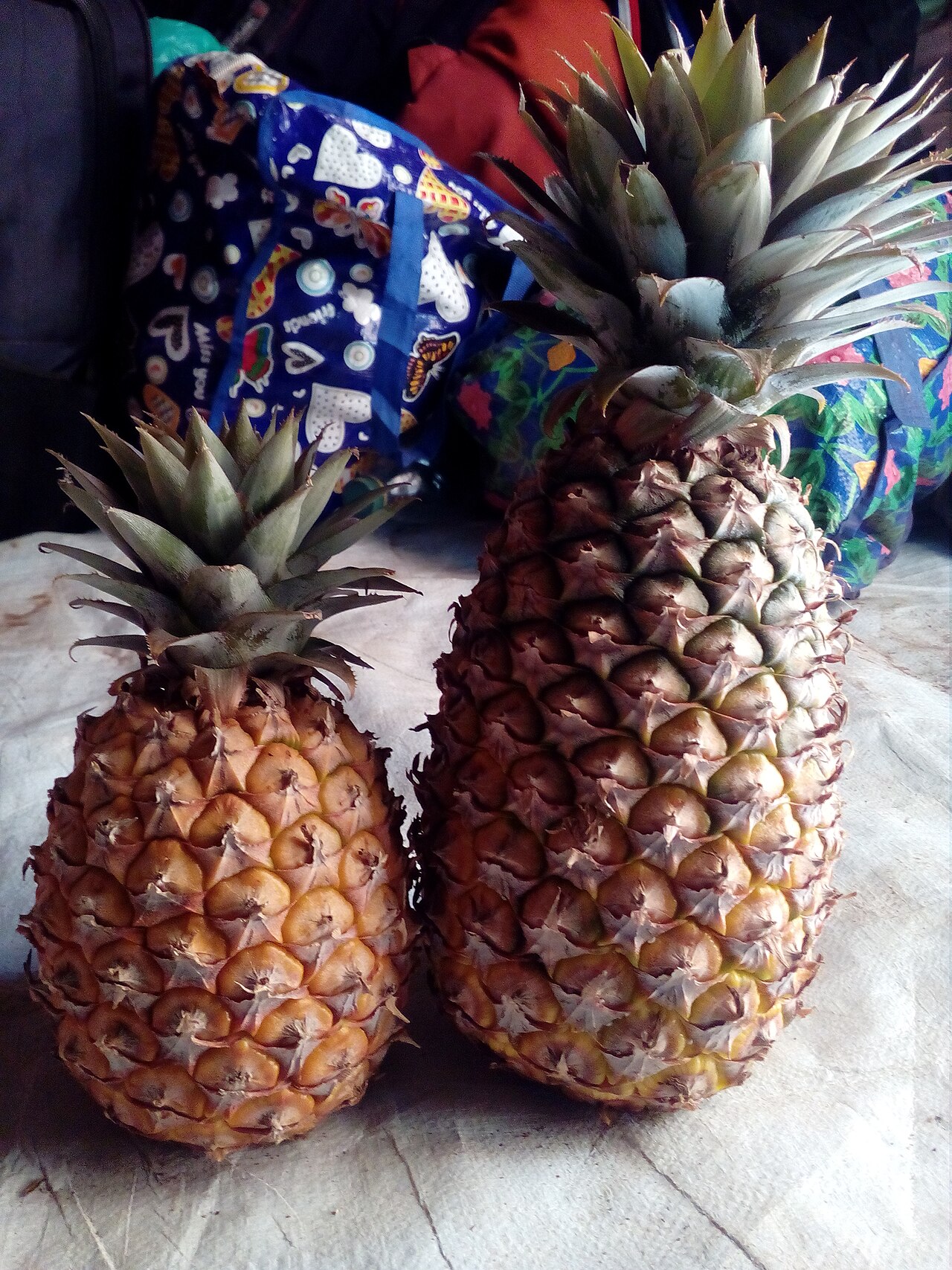
The Azande are farmers and hunters, cultivating cassava, sorghum, maize, groundnuts, oil palm and other crops in the fertile savanna, and supplementing their diet with hunting and gathering. Shifting cultivation suited the environment, and villages moved as soils were exhausted and game pursued.
Hunting held both practical and prestige value, and the Zande were skilled with spears, nets and their famous throwing knives. Above the farming households stood the structures of the kingdoms, sustained by the labour and tribute owed to princes and chiefs of the ruling Avongara.
Society and Community
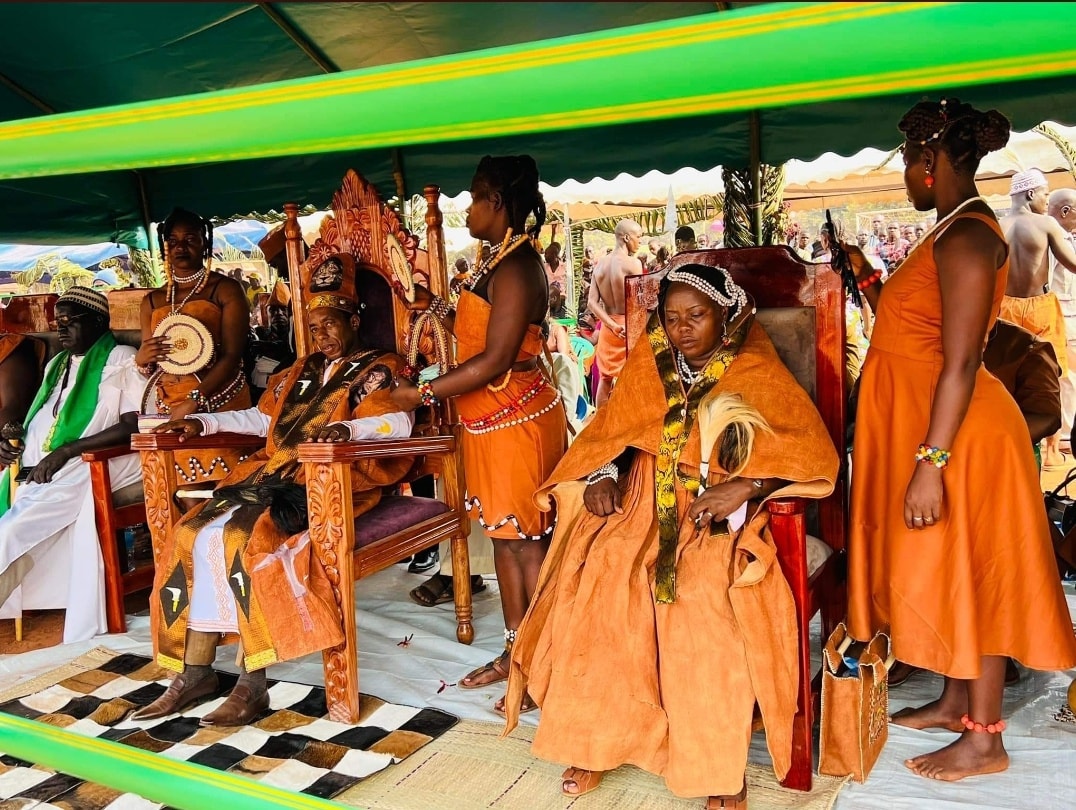
Zande society was organised into kingdoms ruled by princes of the Avongara aristocracy, who governed provinces through appointed chiefs and courts. The kings and princes commanded armies, dispensed justice and drew tribute, and their courts were centres of art, music and the consultation of oracles.
Beneath the aristocracy the commoners lived in dispersed homesteads, tied to their rulers by obligations of labour and service. The Avongara maintained their dominance over the many peoples they had conquered, and the resulting society blended a ruling stratum with a diverse population welded into a common Zande identity.
Religion and Belief
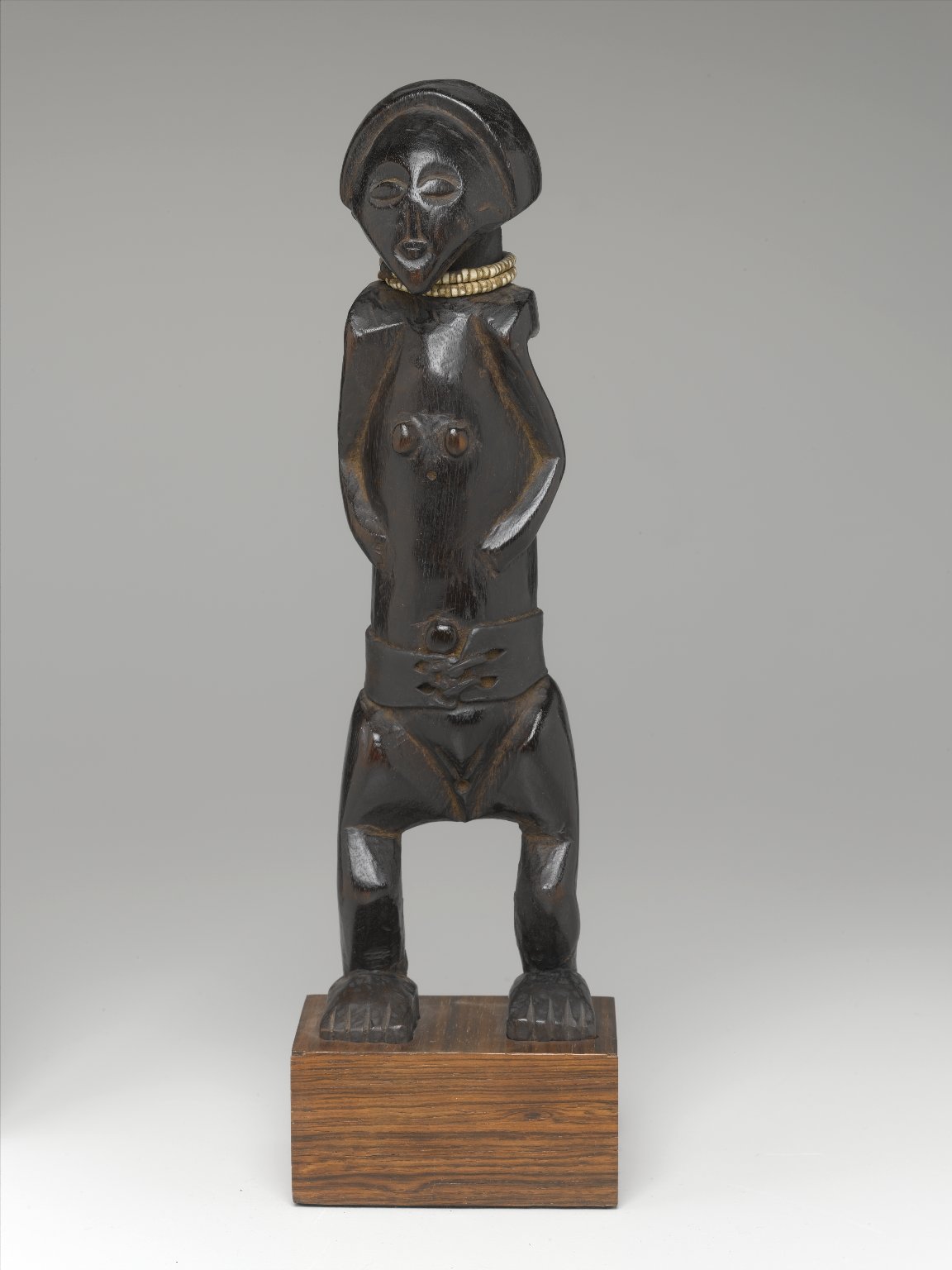
The Azande are famous in the study of religion for their beliefs about witchcraft, oracles and magic, made known to the wider world through the work of the anthropologist Evans-Pritchard. The Zande held that witchcraft, mangu, was a substance in the body of certain people that could cause harm, and misfortune was often explained by its action.
To detect witchcraft and guide decisions, the Zande consulted oracles, above all the poison oracle, benge, in which a substance was administered to a fowl and the outcome read as an answer. Magic and the secret Mani society, with its carved yanda figures, further shaped a rich and intricate spiritual world, alongside which Christianity has since spread.
Traditions
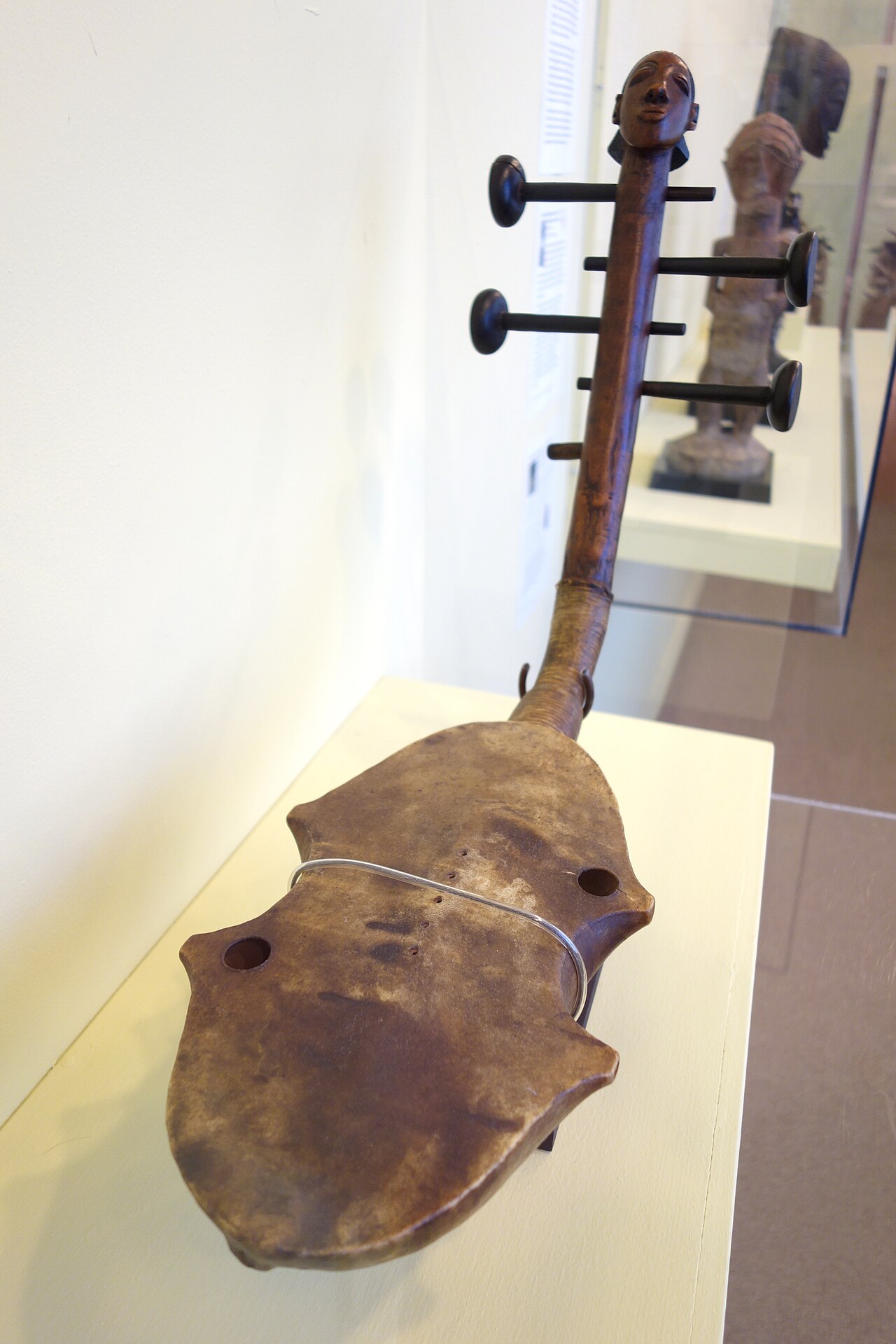
Music is central to Zande tradition, and the Azande are renowned for their instruments, above all the harp, often carved with a human head, together with the sanza, or thumb piano, and xylophones. Songs and stringed music accompany courtship, celebration and the recitation of tales.
The story-cycles of Ture the spider, told around the fire, carry humour, wisdom and moral lessons, while dances and songs mark the great occasions of communal life. Through this rich oral and musical culture the Zande express and transmit their heritage.
Crafts

The Azande were accomplished metalworkers, celebrated for their throwing knives, multi-bladed weapons of iron that served both as arms and as objects of prestige and exchange. Their smiths also forged spears, knives and tools, and fine ironwork was a mark of skill and status.
Beyond metal, Zande craftsmen carved the wooden harps and figures for which they are known, wove baskets and mats, and made pottery and the objects of daily and ritual life. This range of crafts reflected both the practical needs of the household and the demands of the courts and secret societies.
Food

The Zande table is built on cassava, sorghum and maize, prepared as porridges and doughs and eaten with sauces and relishes of vegetables, groundnuts, oil palm, fish and meat. Cassava in particular guards against hunger and anchors the everyday diet.
Hunting and fishing add game and fish to the table, and wild plants are gathered in season. Palm oil and groundnuts enrich many dishes, and locally brewed beers accompany celebrations, with shared meals central to Zande hospitality and community life.
Festivals

Zande communal life is marked by gatherings for music, dance and celebration, tied to the farming year, to the rites of the life cycle and, in the past, to the ceremonies of the courts and secret societies. Such occasions fill the evenings with harp music, singing and dance.
Today the Zande share in the wider festive and religious life of the countries they inhabit, from church celebrations to national events, while sustaining their own songs, stories and customs. These gatherings reaffirm the bonds of community across the borders that divide the Zande lands.
History

From the eighteenth century the Avongara aristocracy built the Zande kingdoms by conquest, expanding across the Nile-Congo divide and absorbing many peoples. In the nineteenth century the Zande encountered Arab slave and ivory traders from the north and, later, the advancing colonial powers.
Zande kings such as Gbudwe resisted these intrusions, but by the early twentieth century their kingdoms were subdued and their lands partitioned among Belgian, British and French colonial administrations. In the Sudan the Zande were later drawn into development schemes, and in the modern era the wars of the region have brought hardship to the Zande country.
Today

Today the Azande remain a numerous people divided among South Sudan, the Democratic Republic of the Congo and the Central African Republic, most of them farmers living in the savanna borderlands. Towns such as Yambio serve as centres of Zande life in South Sudan, where the people form a major community.
The Zande have suffered from the instability and conflict that have afflicted all three countries they inhabit, yet they preserve their language, music and traditions. Heirs to the kingdoms of the Avongara and to a culture that fascinated the wider world, the Azande carry their distinctive identity into the present day.
Related Peoples of the Region
- The Ovimbundu, the Highland Traders of Angola
- The Mbundu, the People of Ndongo and Queen Njinga
- The Lunda, Empire Builders of Central Africa
- The Teke, the Plateau Kingdom of the Congo
- The Bamileke, the Grassfields People of Cameroon
- The Bamum, the Kingdom of Foumban and Sultan Njoya
- The Duala, the Coastal Traders of the Wouri
- The Baka, Forest People of Central Africa
More Peoples of the World
- A Fifth of Humanity, the Story of the Han Chinese
- How the Maori Sailed Across the Pacific to Reach New Zealand
- Zulu of the Green Hills and Their Kingdom Forged by Shaka
- The People Who Never Vanished, the Story of the Maya
- Long Before the Arabs Came, North Africa Belonged to the Amazigh
- The People Who Emerged Into This World, the Story of the Navajo
- Meet the Ainu, an Indigenous People at Japan’s Northern Edge
You May Like
The Zaza, a Mountain People of Eastern Anatolia


One thought on “The Azande, the Kingdom of the Nile-Congo Divide”