In the cerrado savanna of central Brazil, along the Rio das Mortes in Mato Grosso, live the Xavante, who call themselves the A’uwẽ. A Jê-speaking people who long kept the outside world at bay, they combined gardens along the rivers with great collective treks across the savanna in pursuit of game.Famed for their horseshoe villages and men`s councils, their age-set initiations and the log races run with heavy buriti palm trunks, the Xavante fiercely defended their land through contact, disease and dispossession. Their leader Mário Juruna became Brazil`s first Indigenous congressman, and the people endure as proud guardians of their heritage.
The Xavante on Film
Contents
- Origins
- The Name
- The Language
- The Homeland
- The Old Way of Life
- Society and Community
- Religion and Belief
- Traditions
- Crafts
- Food
- Festivals
- History
- Today
Origins
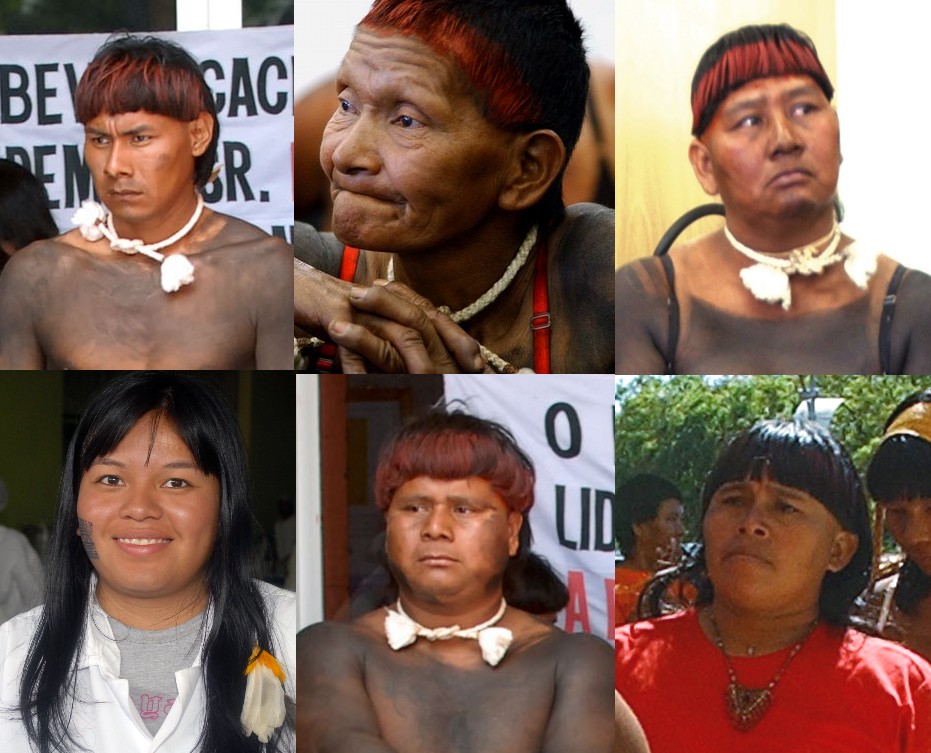
The Xavante are an Indigenous people of the cerrado, the tropical savanna of central Brazil, living in the eastern part of the state of Mato Grosso around the Rio das Mortes, the River of Deaths. They call themselves A’uwẽ, meaning the people, and they number some tens of thousands, one of the larger Indigenous nations of Brazil.
They belong to the Jê family of peoples of the Brazilian interior, and were once united with the Xerente as a single group, the Akwẽ. In the eighteenth and nineteenth centuries, pressure from colonial expansion drove the Xavante westward across the Araguaia River into Mato Grosso, where they became famous for their fierce independence.
The Name

The name Xavante, in its Portuguese spelling, is how the people are widely known, though they call themselves A’uwẽ. Their language and origins link them to the Xerente, from whom they separated in earlier centuries, both being branches of the Akwẽ within the larger Jê family.
The Xavante live in a number of demarcated Indigenous territories in eastern Mato Grosso, in communities such as Pimentel Barbosa, São Marcos, Sangradouro and Marãiwatséde. Their country lies in the vast savanna interior of central Brazil, far from the coast and the great cities.
The Language
The Xavante speak a language of the Jê family, closely related to that of the Xerente, and rich in the vocabulary of the cerrado and of their ceremonial life. Oratory is highly valued, and the men’s council is a place of formal speech and debate.
Though Portuguese has spread through schooling and contact with Brazilian society, the Xavante language remains strong, spoken in the villages and central to ceremony and daily life. It carries the songs, names and traditions that lie at the heart of Xavante identity.
The Homeland
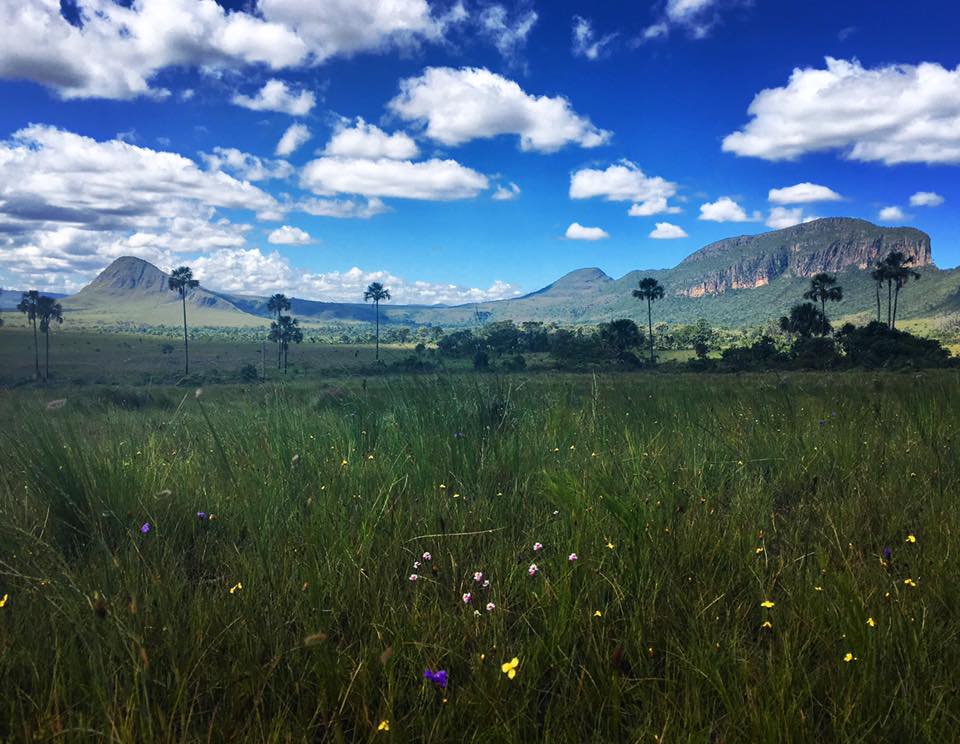
The Xavante homeland is the cerrado, a vast savanna of grasses, twisted trees and gallery forests along the rivers, stretching across the interior plateau of central Brazil. It is a land of marked wet and dry seasons, of open country broken by wooded watercourses.
Among the plants of the cerrado, the buriti palm holds a special place, providing food, fibre and materials to the Xavante. This savanna, rich in game and wild foods and suited to their gardens along the rivers, shaped a way of life that combined farming with long journeys across the land.
The Old Way of Life

The Xavante traditionally combined the cultivation of gardens, growing maize, beans, squash and other crops, with long collective treks across the savanna to hunt and gather. Whole communities would leave their villages for weeks or months, moving through the cerrado in pursuit of game and wild foods.
Hunting, gathering and the harvest of wild plants such as the buriti palm were as important as the gardens, and the seasonal round balanced settled village life with mobility. This combination of farming and foraging, and the endurance it demanded, defined the old Xavante way of life.
Society and Community

Xavante villages were traditionally built in a horseshoe shape, at the open end of which stood the warã, the men’s council, where the adult men gathered each day to discuss affairs, sing and make decisions. Society was ordered by an elaborate system of age-sets, through which every person passed in the company of their peers.
Boys left their families to live together in a bachelors hut for a period of years, culminating in an initiation that included the piercing of the ears. This age-grade system, the men’s council and a keen sense of rank and reciprocity structured a society famed for its cohesion and its warriors.
Religion and Belief
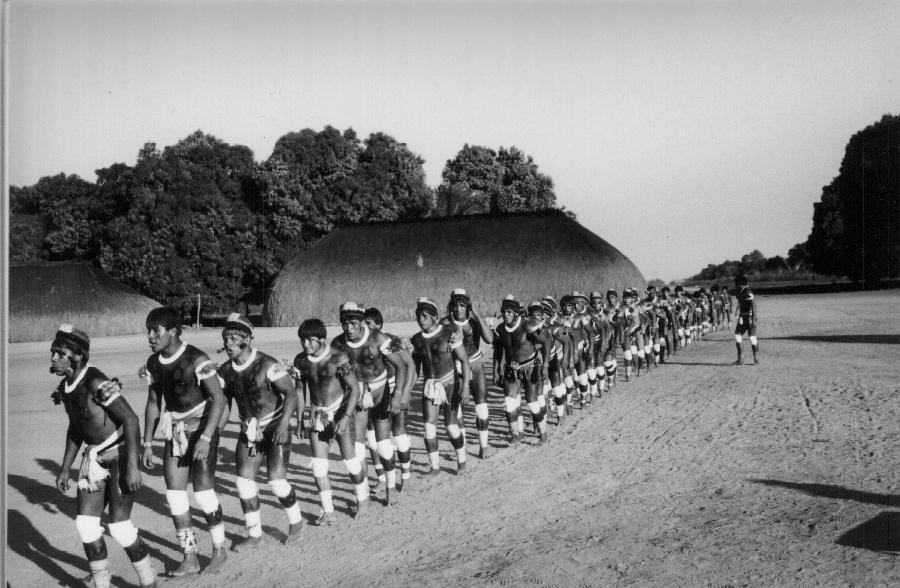
Xavante religion is bound up with dreams, songs and ceremony, and with contact between the living and the world of the ancestors and immortals. The great ceremony known as the wai’a initiates men into relations with the spiritual powers, one of the most important rituals of Xavante life.
Dreams are a vital source of songs and knowledge, and singing and ritual accompany the stages of the life cycle and the ceremonies of initiation. Though missionaries have worked among them and some Xavante are now Christian, the rich ceremonial and dream life of the people endures.
Traditions

Among the most striking Xavante traditions is the log race, in which teams of men carry heavy sections of buriti palm trunk on their shoulders in a relay across the savanna, a test of strength, endurance and community spirit rather than mere competition. It accompanies many ceremonies and gatherings.
Elaborate body painting, singing, dancing and the ceremonies of initiation and naming mark the rhythm of Xavante life, and the community gathers for these events with great intensity. Through such traditions the Xavante express and renew the bonds of their society.
Crafts
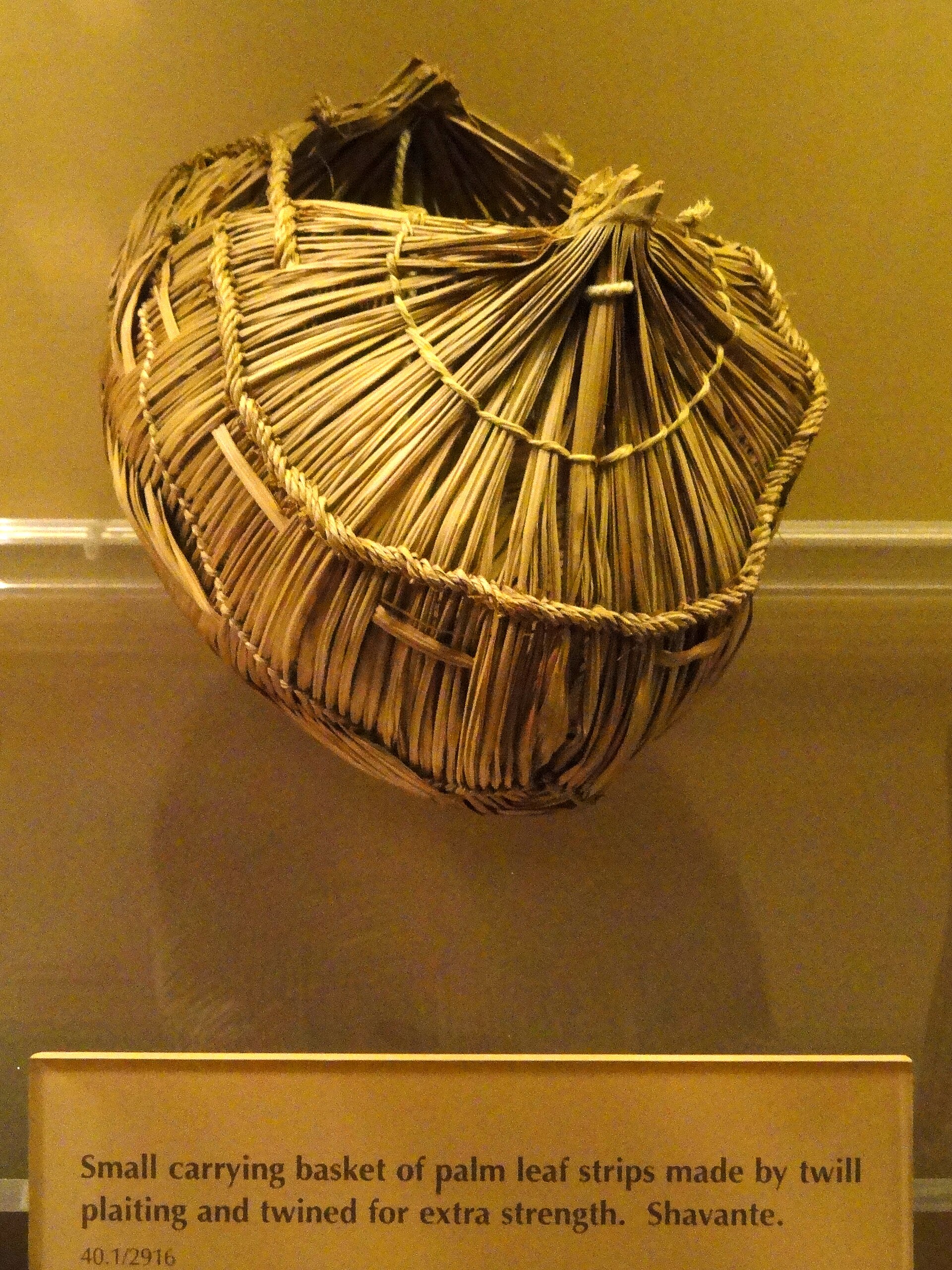
Xavante craftwork is drawn from the materials of the cerrado, above all the buriti and other palms, from which they weave baskets, mats and other objects. Cotton, feathers, wood and natural dyes furnish the ornaments and implements of daily and ceremonial life.
Body adornment is itself a highly developed art, with intricate painting in red urucum and black genipapo, and the wearing of feather ornaments, cotton cords and other regalia at ceremonies. This artistry of the body and of woven materials expresses the aesthetic and ritual values of the Xavante.
Food

The Xavante diet combines the produce of their gardens, chiefly maize, beans and squash, with the game and wild foods of the cerrado. Hunting provided meat, and the savanna and its rivers yielded fish, fruits, roots, nuts and the harvest of the buriti palm.
The buriti, whose fruit is eaten and made into sweets and drinks, is especially prized, and the long collective treks were in part great foraging expeditions. This mixed diet of cultivated and wild foods sustained the Xavante through the seasons of the savanna.
Festivals
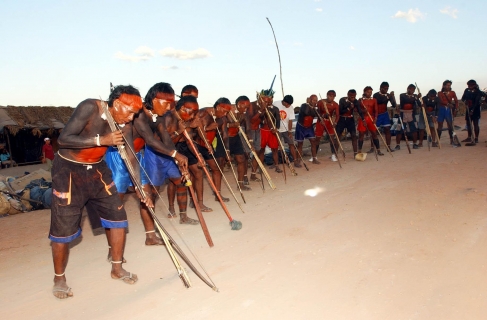
Xavante ceremonial life is intense and communal, and gatherings for initiation, naming and the wai’a bring the whole village together for days of singing, dancing, log racing and ritual. These ceremonies, tied to the passage of the age-sets, are the great occasions of Xavante life.
The return of lost lands, as at Marãiwatséde, has itself become an occasion for celebration, marking the survival and resurgence of the people. Through these festivals and ceremonies the Xavante affirm their identity and their bond to their land.
History

The Xavante long resisted contact, and after crossing into Mato Grosso they kept the outside world at bay until the mid-twentieth century, attacking those who intruded on their lands. When they were finally drawn into contact in the 1940s and 1950s, epidemics of introduced disease killed many, and ranchers and settlers seized much of their territory.
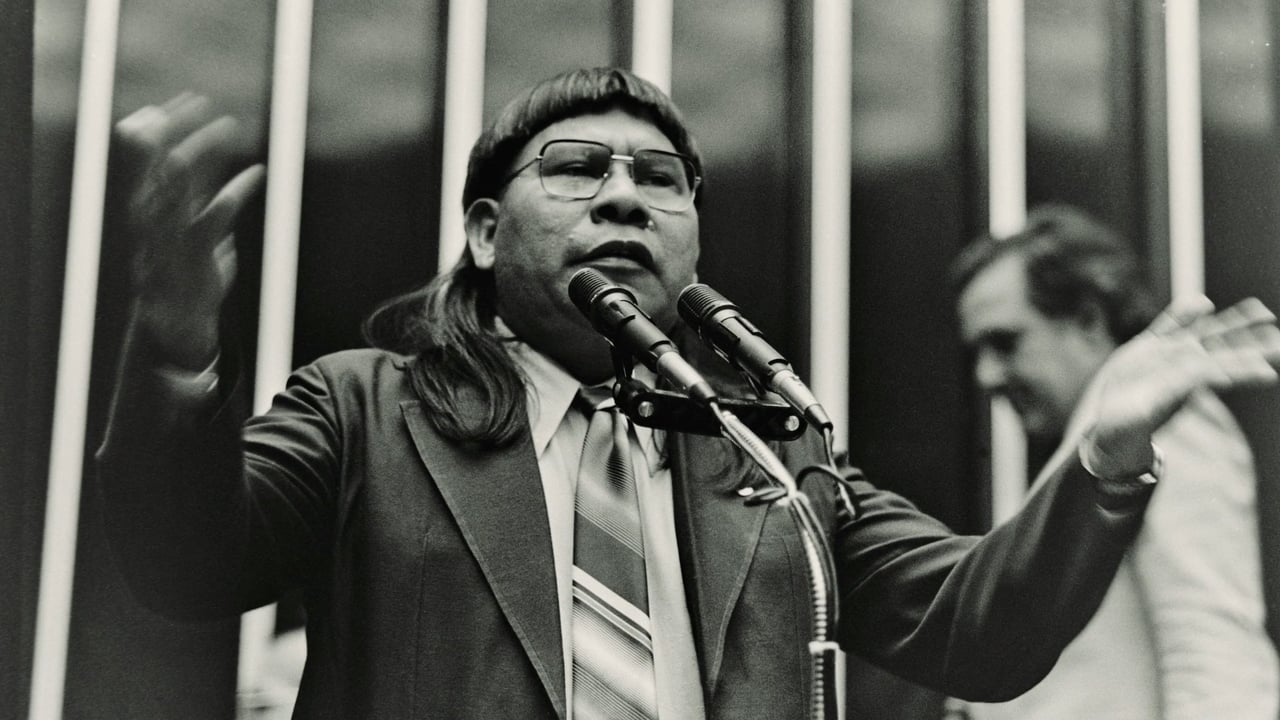
The forced removal of communities such as Marãiwatséde in the 1960s brought great suffering, but the Xavante organised and fought back. Their leader Mário Juruna became, in 1983, the first Indigenous person elected to Brazil’s federal Congress, and after long struggle the Xavante recovered important lands, including Marãiwatséde.
Today

Today the Xavante live in their demarcated territories in eastern Mato Grosso, numbering more than twenty thousand and among the more populous Indigenous peoples of Brazil. They combine their traditional life of gardens, hunting and ceremony with engagement in Brazilian society, education and politics.
The men’s council, the age-set system, the log race and the wai’a ceremony continue to structure Xavante life, and their language remains strong. Fierce defenders of their land and identity, from their long resistance to the career of Mário Juruna, the Xavante carry a proud heritage into the modern age.
Related Peoples of the Region
- The Nation That Never Surrendered: Inside Seminole Country
- Muscogee Creek Towns, Councils, and the Long Road to Oklahoma
- Ojibwe Anishinaabe Life Around the Great Lakes and Wild Rice Waters
- The Metis, the Buffalo Hunters of the Red River
- The Choctaw, People of the Sacred Mound
- The Mikmaq, First People of the Atlantic Coast
- The Wampanoag, People of the First Light
- The Aleut, Sea Hunters of the Aleutian Islands
More Peoples of the World
- A Fifth of Humanity, the Story of the Han Chinese
- How the Maori Sailed Across the Pacific to Reach New Zealand
- Zulu of the Green Hills and Their Kingdom Forged by Shaka
- The People Who Never Vanished, the Story of the Maya
- Long Before the Arabs Came, North Africa Belonged to the Amazigh
- The People Who Emerged Into This World, the Story of the Navajo
- Meet the Ainu, an Indigenous People at Japan’s Northern Edge
You May Like
The Damara, an Ancient People of Namibia