Khakassia in 1920 / Plant Scientist Henrik Printz
Khakassia in 1920 / Plant Scientist Henrik Printz 17 Saturday Oct 2015 Original size at 615 × 464 ≈ Leave a comment
Info on popular culture and everyday life
Khakassia in 1920 / Plant Scientist Henrik Printz 17 Saturday Oct 2015 Original size at 615 × 464 ≈ Leave a comment
Khakassia in 1920 / Plant Scientist Henrik Printz 17 Saturday Oct 2015 Original size at 668 × 461 ≈ Leave a comment
Khakassia in 1920 / Plant Scientist Henrik Printz 17 Saturday Oct 2015 Original size at 824 × 474 ≈ Leave a comment
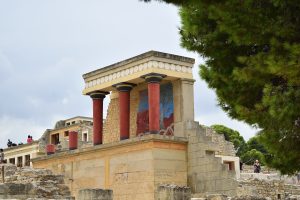
On the island of Crete stands Knossos, the labyrinthine palace of the Minoans — Europe’s first civilization. With its bull frescoes, oldest throne in Europe, and running water, it is the real place behind the legend of the Minotaur.
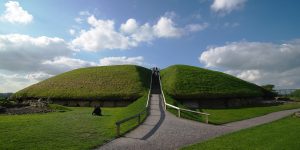
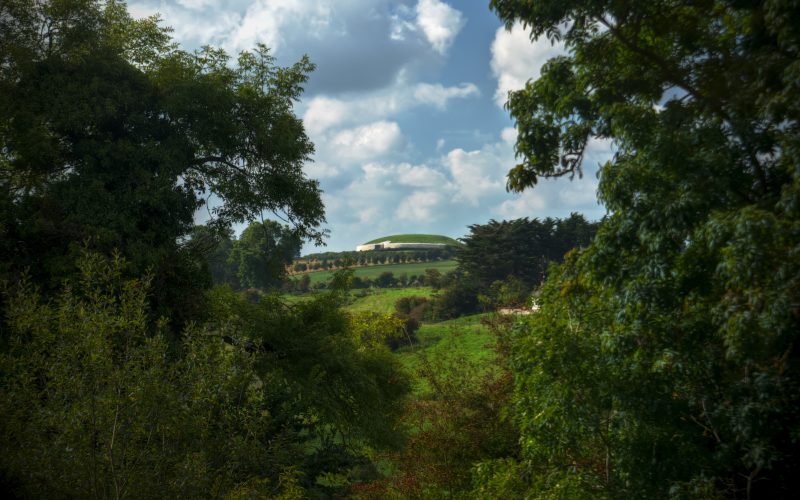
In Ireland’s Boyne Valley, beside its famous neighbour Newgrange, stands Knowth: a vast passage tomb with two passages, a ring of satellite tombs, and the greatest concentration of megalithic art in Europe.

History and Personality Scientist Aleksandar Kozintsev, son of the famous director and Art Scientist Grigori Kozintsev, donates a very old Kam Drum preserved by his father to the Museum of
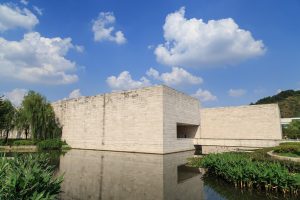
Thousands of years before the Great Wall, the Liangzhu culture built a walled water city, the world’s oldest known dams, and jade masterpieces in the Yangtze delta — a lost cradle of civilization only recognized by UNESCO in 2019.
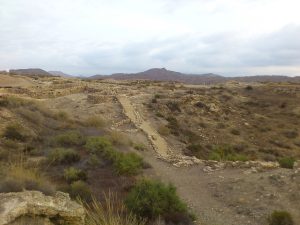
On a bluff in Almería, Los Millares was one of western Europe’s first towns — a Copper Age settlement ringed with stone walls, home to early metalworking and a vast necropolis of sun-facing tholos tombs.
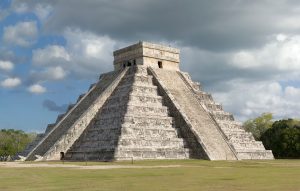
El Castillo at Chichén Itzá is a calendar carved in stone that summons a serpent of light twice a year. A look inside the brilliant world of Maya pyramids and how they differ from Egypt.
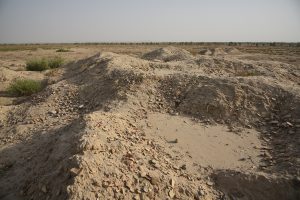
Before Mohenjo-daro or Harappa, there was Mehrgarh: a 9,000-year-old village in Pakistan where people first farmed, made pottery, worked copper, and even practiced dentistry.


