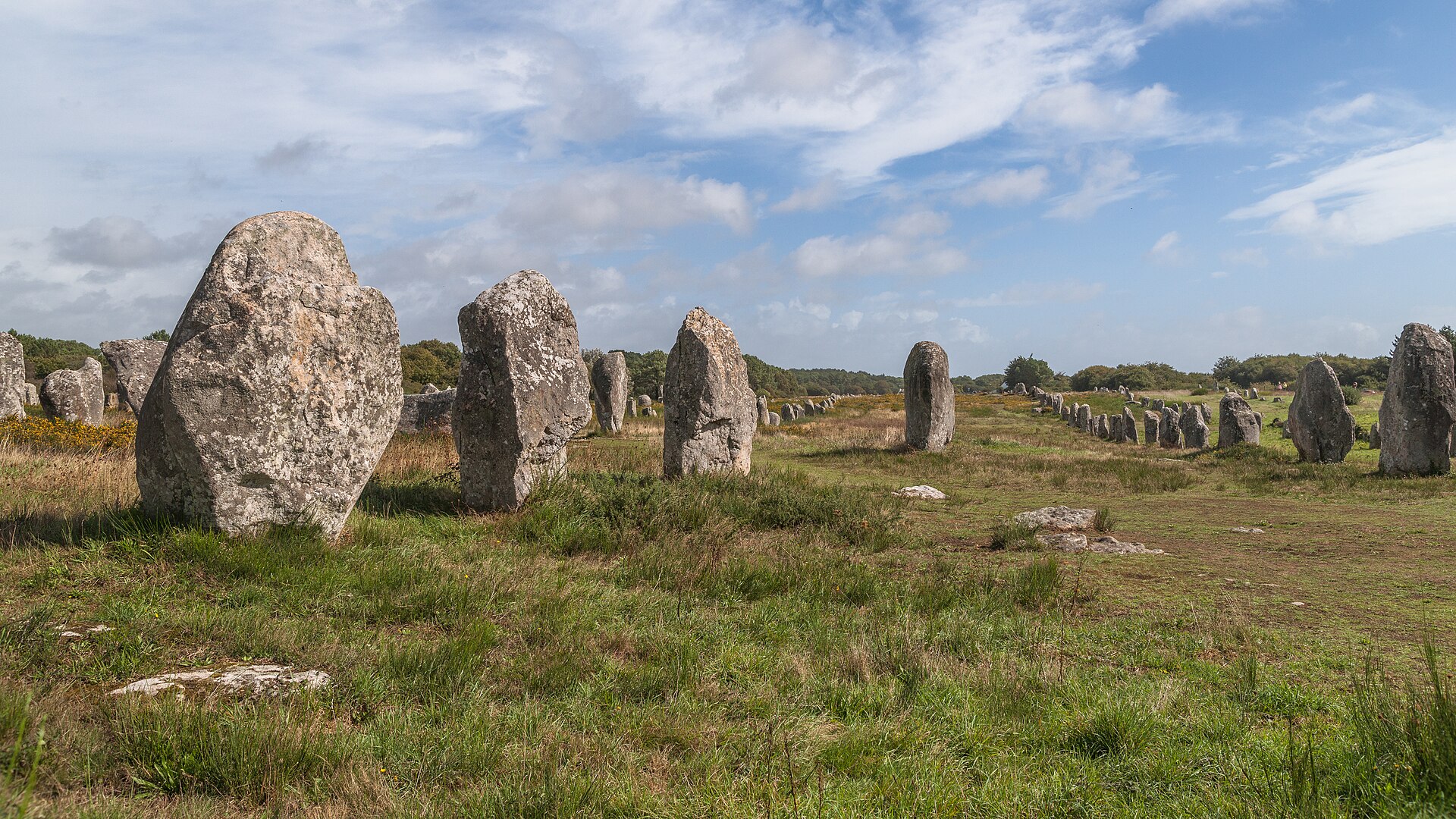
Or Move
The Yada Stone, which has been in the American Metropolitan Museum since 1900 and is said to have been brought from Siberia. The West’s naming of “Siberia” is the cover
Info on popular culture and everyday life


In the Louisiana lowlands, hunter-gatherers with no farming raised six giant concentric ridges and a huge bird-shaped mound over 3,000 years ago. Meet Poverty Point, a monument that rewrites the story of early civilisation.
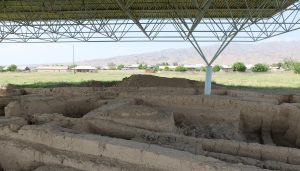
On a river plain in Tajikistan, people were smelting copper and trading lapis lazuli across a continent six thousand years ago. Meet Sarazm, one of Central Asia’s oldest towns.

The following news appeared in the headline of the Cumhuriyet Newspaper on September 30, 1930: “A Heroic Lady… She kidnapped the Şakis (bandits) by fighting with 50 Kurds around Erzincan.”
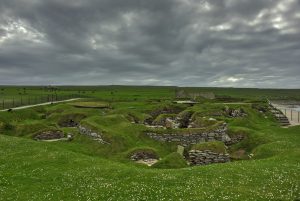
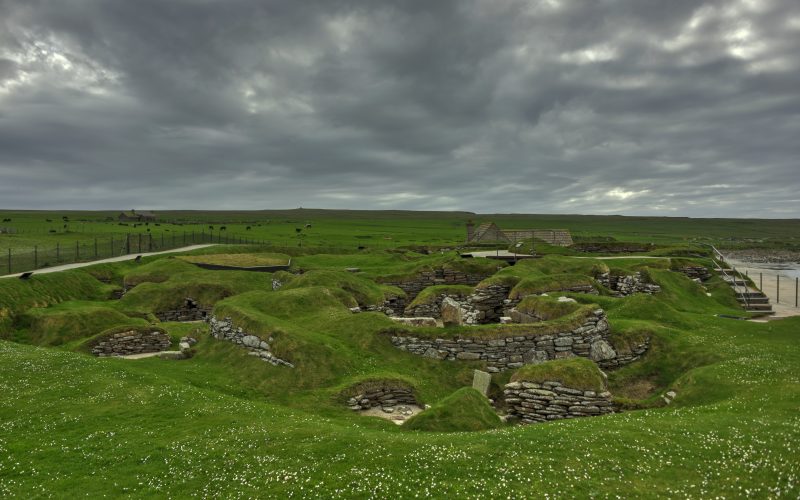
On a storm-battered Orkney coast lies a Neolithic village so well preserved you can peer into 5,000-year-old homes, complete with their stone beds and dressers. Meet Skara Brae, older than the pyramids.
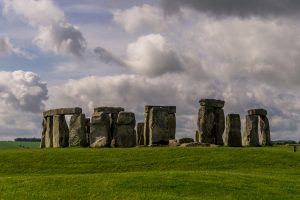
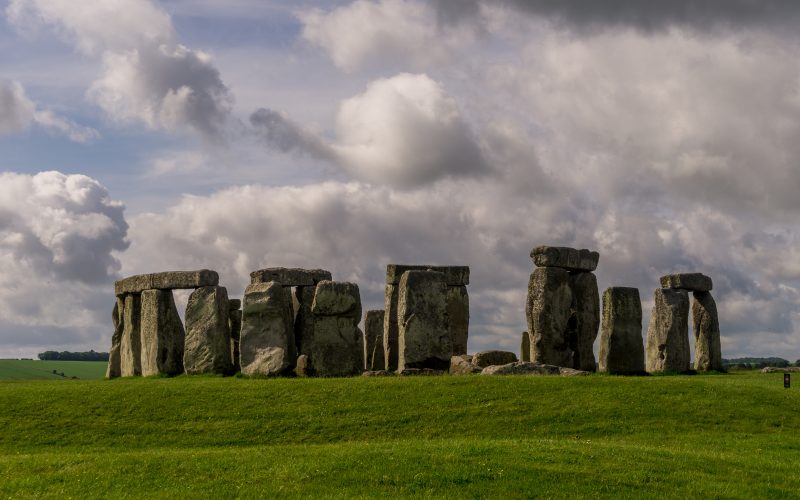
Built and rebuilt over many centuries on Salisbury Plain, Stonehenge still guards its secrets. Here is what we actually know about who raised it, how, and why — and the myths worth letting go.
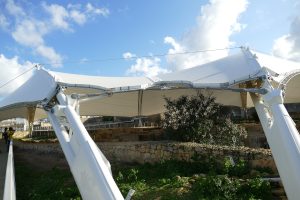
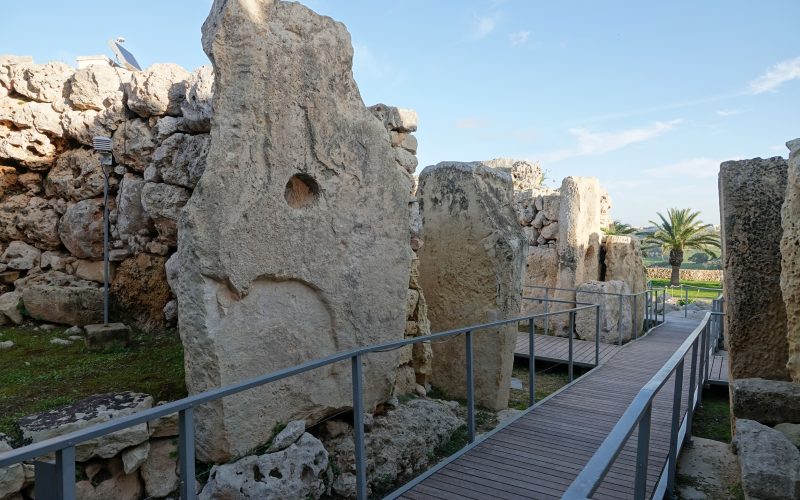
On Malta stands Tarxien, the most richly decorated of all the island’s prehistoric temples. With carved spirals, animal reliefs, and a colossal statue, it is a masterpiece of Neolithic art over 5,000 years old.
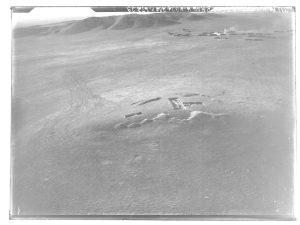
A great mound in northeastern Syria suggests cities grew up in the north of Mesopotamia just as early as in the famous south, and it left behind thousands of haunting eye idols.
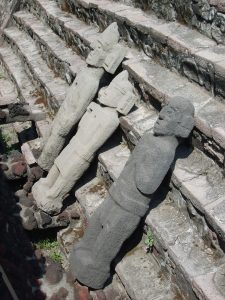
In the heart of Mexico City lie the ruins of the Templo Mayor, the Aztec double pyramid where the universe was said to begin. Its rise, its sacrifices, its fall, and its rediscovery.
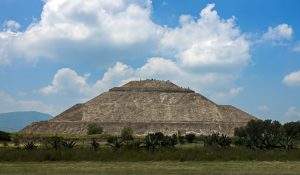
An hour from Mexico City stands a giant pyramid built by a people whose name and language are lost. Inside Teotihuacán, the Pyramid of the Sun, and its haunting mysteries.


