The Himba are a semi-nomadic pastoral people of the far northwest of Namibia, in the remote region of Kaokoland, or the Kunene, with communities also in Angola. Numbering some tens of thousands, they are close kin to the Herero, and are famous throughout the world for the striking appearance of their women, who cover their skin and hair with a red paste of ochre and butterfat.Cattle-herders of one of the harshest and most isolated corners of Namibia, the Himba have preserved a strongly traditional way of life centred on their cattle, their holy fire and their ancestors, shielded by their remote homeland from the changes that transformed the rest of the region. This article traces their origins, language, homeland, pastoral life and the customs that continue to define them.
The Himba on Film
Contents
- Origins
- The Name
- The Language
- The Homeland
- The Old Way of Life
- Society and Community
- Religion and Belief
- Traditions
- Crafts
- Food
- Festivals
- History
- Today
Origins

The Himba are a semi-nomadic pastoral people of the far northwest of Namibia, in the remote and rugged region of Kaokoland, or the Kunene, with communities also across the border in Angola. Numbering some tens of thousands, they are close kin to the Herero, and are famous throughout the world for the striking appearance of their women, who cover their skin and hair with a red paste of ochre and butterfat.
Cattle-herders of one of the harshest and most isolated corners of Namibia, the Himba have preserved a strongly traditional way of life, centred on their cattle, their holy fire and their ancestors. Their remote homeland shielded them from the changes that transformed the rest of the region, and they remain one of the last peoples of southern Africa to live largely as their ancestors did.
The Name
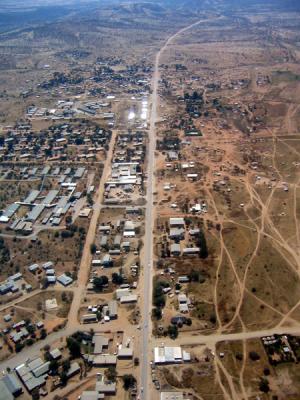
The people call themselves the OvaHimba, or Himba, and are closely related to the Herero, with whom they share the Otjiherero language, though in a distinct dialect, and much of their culture, including the cult of the holy fire and the reverence for cattle and the ancestors. The Himba are, in effect, a branch of the Herero who remained in the northwest and kept the old pastoral life.
Their identity is bound up with cattle, with the holy fire and the ancestors, and with the distinctive ochre-red appearance of their women. The name Himba denotes a proud, cattle-keeping people of the Kunene, heirs to the Herero heritage but set apart by their remote homeland and their traditional way of life.
The Language

The Himba speak Otjihimba, a dialect of Otjiherero, the Bantu language of the Herero and their kin, spoken across the Kunene region and into Angola. It is closely related to the speech of the Herero of central Namibia, reflecting the common origin of the two peoples.
Rich in the praise-poetry of cattle and the lore of the holy fire and the ancestors, the language remains vigorous in the remote homeland of the Himba. English and Afrikaans are known through contact with the wider world, but Otjihimba is the everyday language of the people and a marker of their identity and their kinship with the Herero.
The Homeland

The Himba homeland is Kaokoland, now the Kunene region, in the far northwest of Namibia, a remote, rugged and arid country of mountains, dry riverbeds, semi-desert and sparse grassland, bordered by the Kunene river and Angola. It is one of the least accessible and most sparsely populated regions of Namibia, and its isolation preserved the traditional life of the Himba.
This harsh land, suited above all to the grazing of cattle and goats, shaped the semi-nomadic life of the Himba, who move with their herds between wet-season and dry-season pastures. The remoteness of Kaokoland, difficult of access and far from the centres of the country, kept the Himba apart, and their dry, beautiful homeland remains the heart of their world.
The Old Way of Life
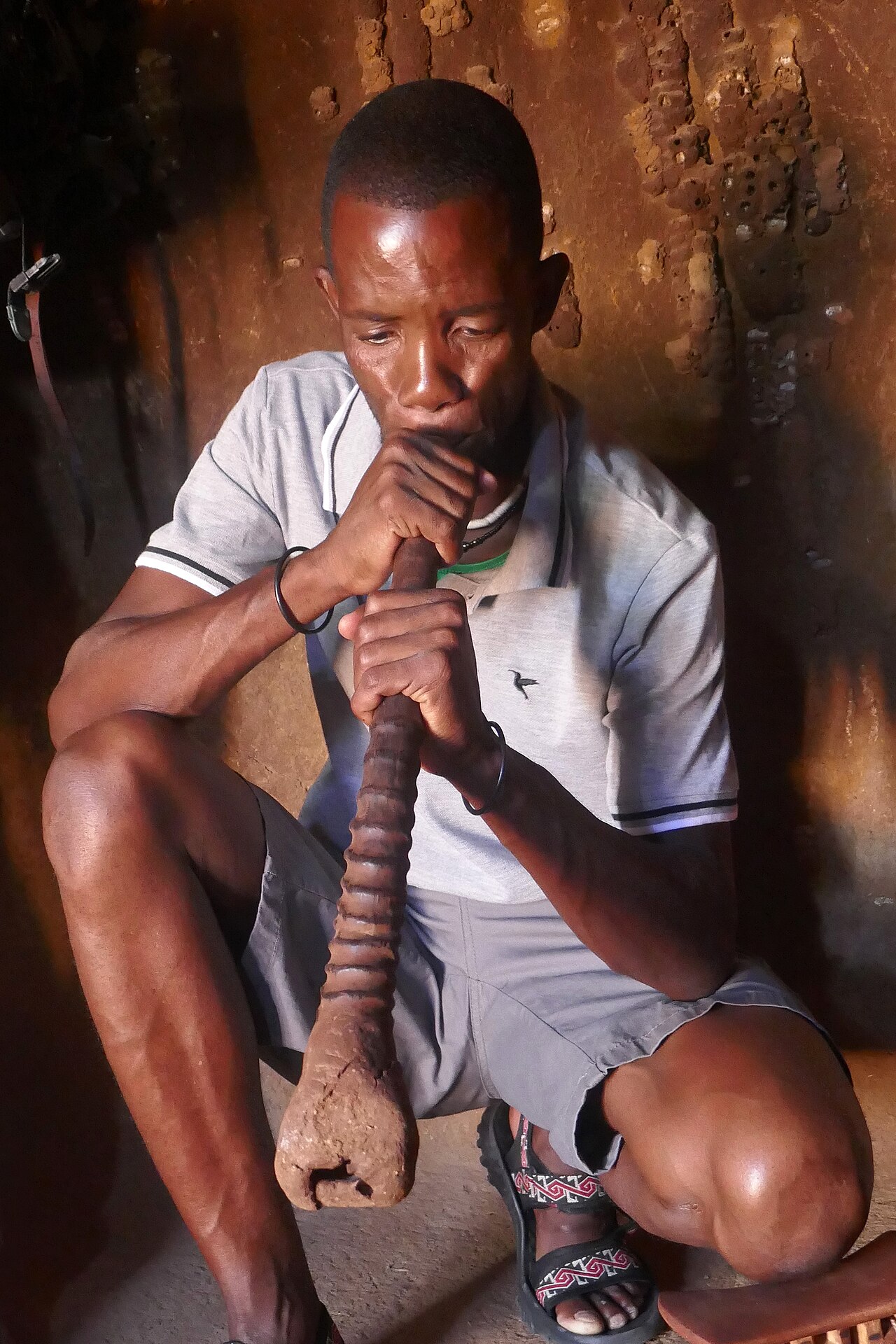
The Himba are semi-nomadic pastoralists, and cattle are the centre of their life, their wealth, their religion and their identity. They herd cattle, and also goats and sheep, moving between pastures in search of grazing and water in their dry land, and the herds provide milk, the staple food, along with meat and the measure of wealth and status.
The young men and boys drive the cattle to distant pastures in the dry season, living in mobile stock camps, while the settlements tend the home herds and the goats. A little cultivation of millet is possible where water allows, but it is cattle that define the Himba way of life. Cattle are central to marriage, to ritual and to the cult of the ancestors, and the wellbeing of the herds and the people are one.
Society and Community
Himba society is organised through a distinctive double system of descent, shared with the Herero, in which a person belongs both to a patrilineal group, associated with the holy fire and the sacred cattle, and to a matrilineal group, associated with the inheritance of wealth. This dual descent orders inheritance, ritual and social relations.
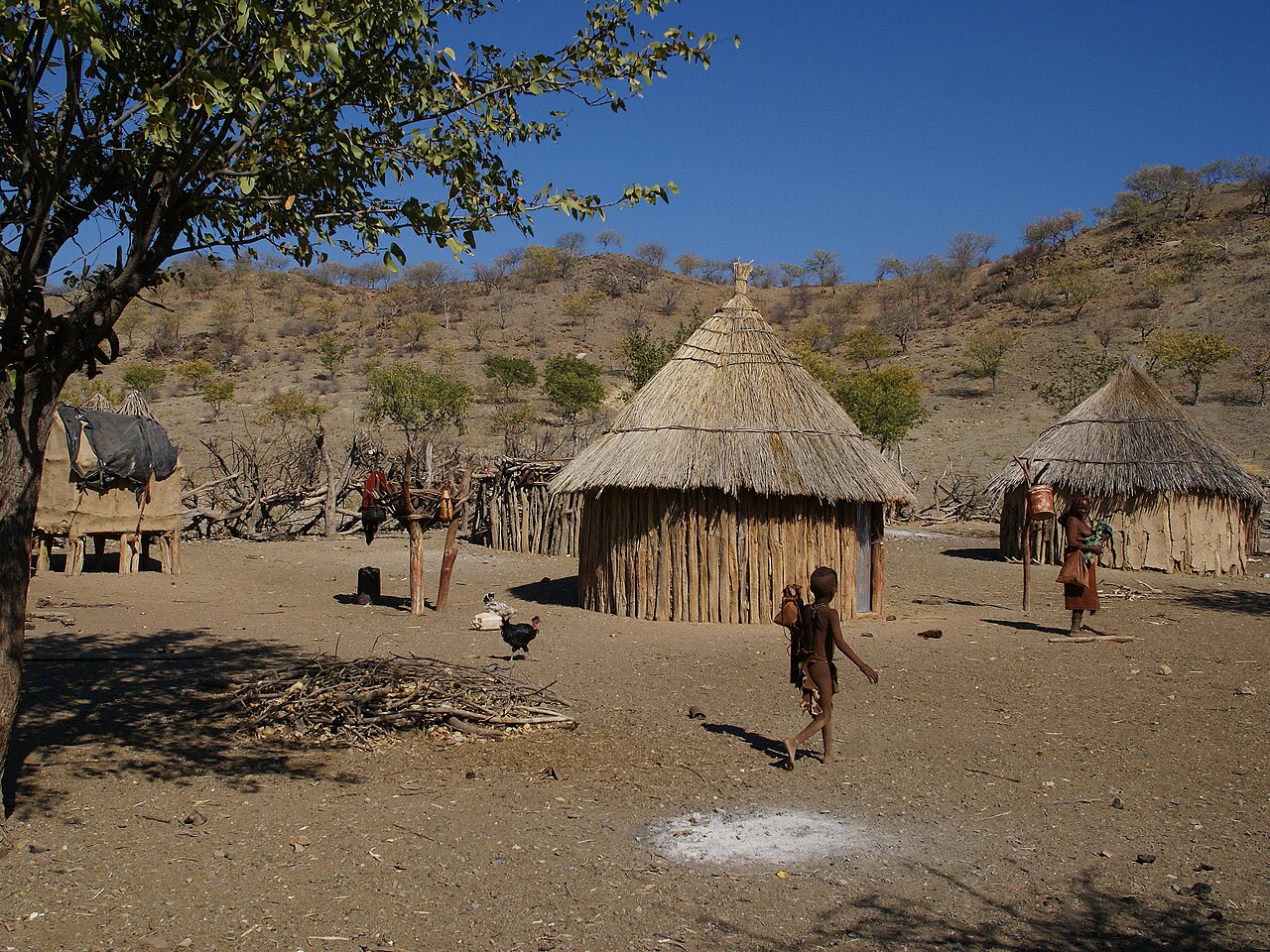
The homestead, a circle of huts around the sacred fire and the cattle enclosure, is the centre of family life, headed by the senior man. Chiefs and headmen govern the wider community, and the head of each patrilineal group tends the holy fire that links the living to the ancestors. Marriage, sealed by cattle, links families, and the customs of the fire, the cattle and the two descent groups order the life of the Himba.
Religion and Belief

Himba religion centres on a creator, Mukuru, and, above all, on the veneration of the ancestors, mediated through the holy fire, the okuruwo, which burns continually at the homestead of the head of each patrilineal group. The fire, tended with care and never allowed to go out, is the sacred link between the living and the ancestral dead, and the rituals performed at it are at the heart of Himba religious life.
The head of the homestead approaches the ancestors at the holy fire on behalf of the family, seeking their favour for the herds and the people. Mukuru is honoured through the ancestors, and diviners and healers deal with misfortune. The Himba have largely kept their traditional religion, and the holy fire and the reverence for the ancestors remain central to their life, though Christianity has begun to reach the region.
Traditions
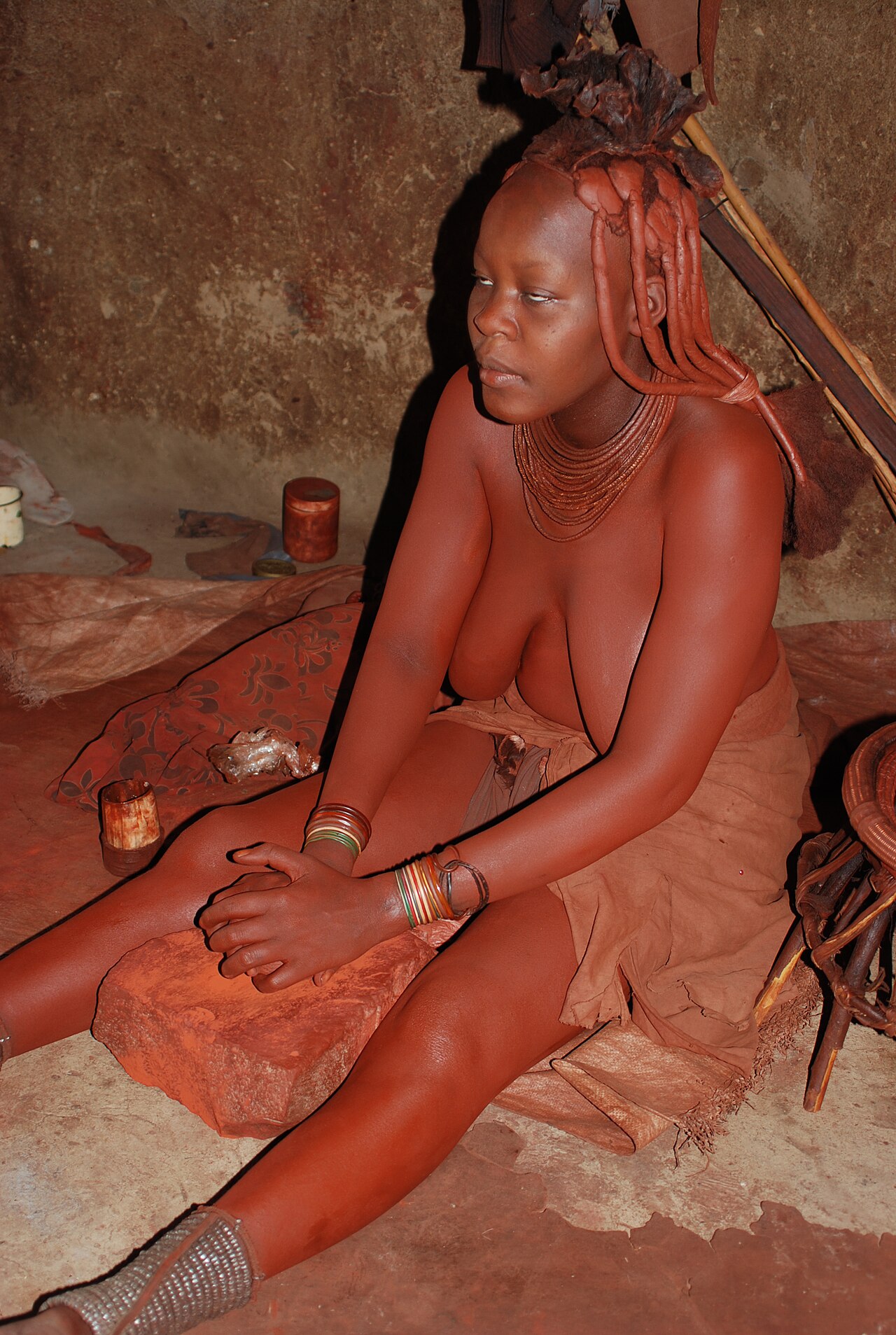
The traditions of the Himba are famous above all for the appearance of the women, who cover their skin and their hair with otjize, a paste of butterfat and red ochre, sometimes scented with aromatic resin, which gives them their distinctive deep-red colour and protects the skin from the sun. The elaborate hairstyles of the women and girls, dressed with ochre and marking age and status, are equally striking.
The tending of the holy fire, the ceremonies of the ancestors and cattle, and the rites of passage order the ritual life of the people. Music, dance and song accompany celebration, and the customs of the homestead, the fire and the herds preserve the values and identity of the Himba. The ochre-red beauty of the women and the reverence for the ancestors give Himba culture its unmistakable character.
Crafts
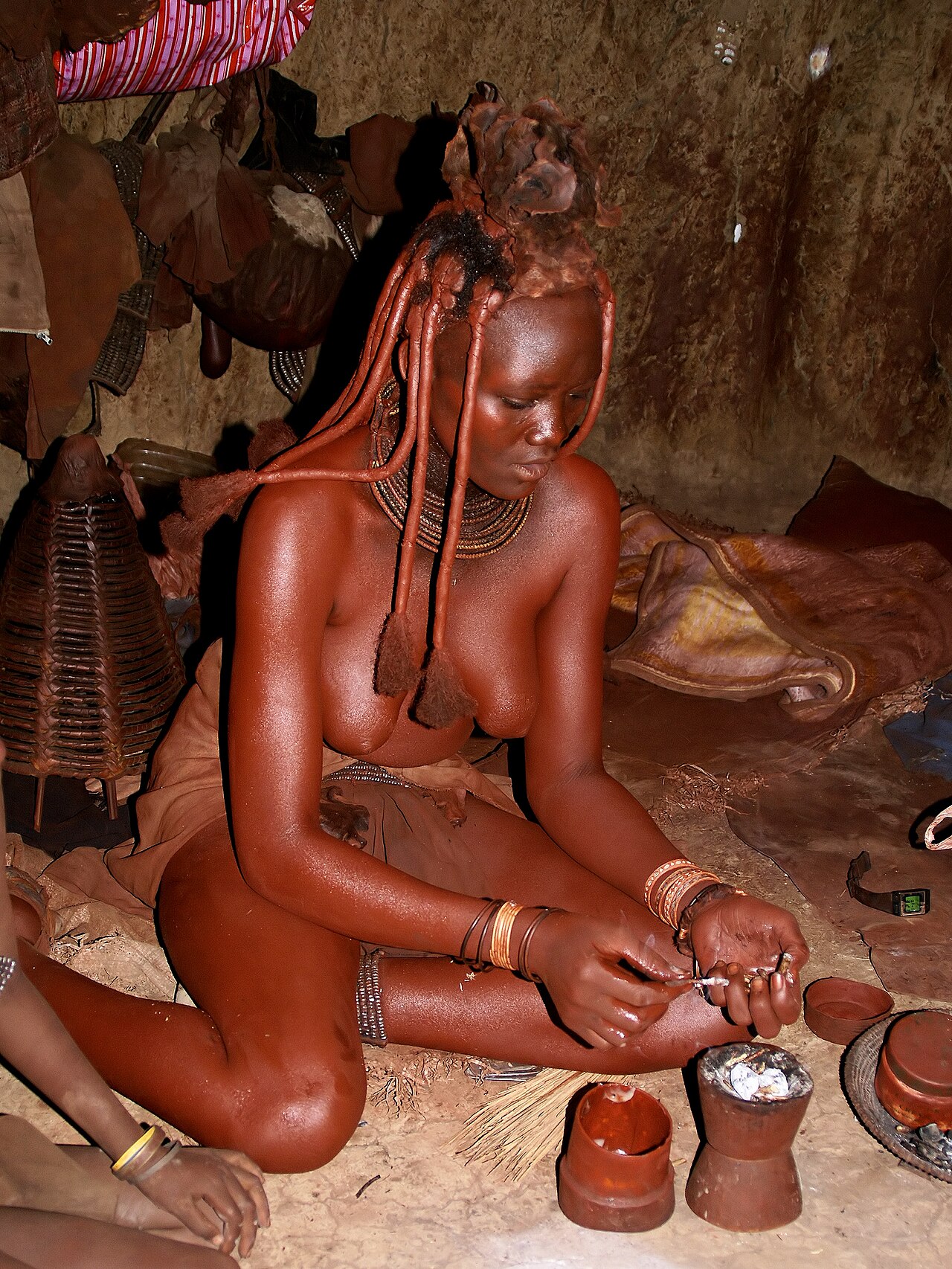
Himba craftsmanship serves a pastoral and semi-nomadic life. The women make the otjize paste and the perfumes, dress their elaborate hair, and craft the jewellery and ornaments, the shell pendants, iron and copper bracelets, and beadwork, worn as adornment and as markers of age, status and marriage. Leatherwork, for the skirts, headdresses and belts of traditional dress, is an important skill.
The people also make the containers, vessels and furnishings of the homestead, work wood and horn, and build the huts of the settlements. The making of the ornaments and the otjize that give the women their distinctive appearance, and the goods of the pastoral life, reflect a material culture centred on cattle, the homestead and the celebrated adornment of the Himba.
Food
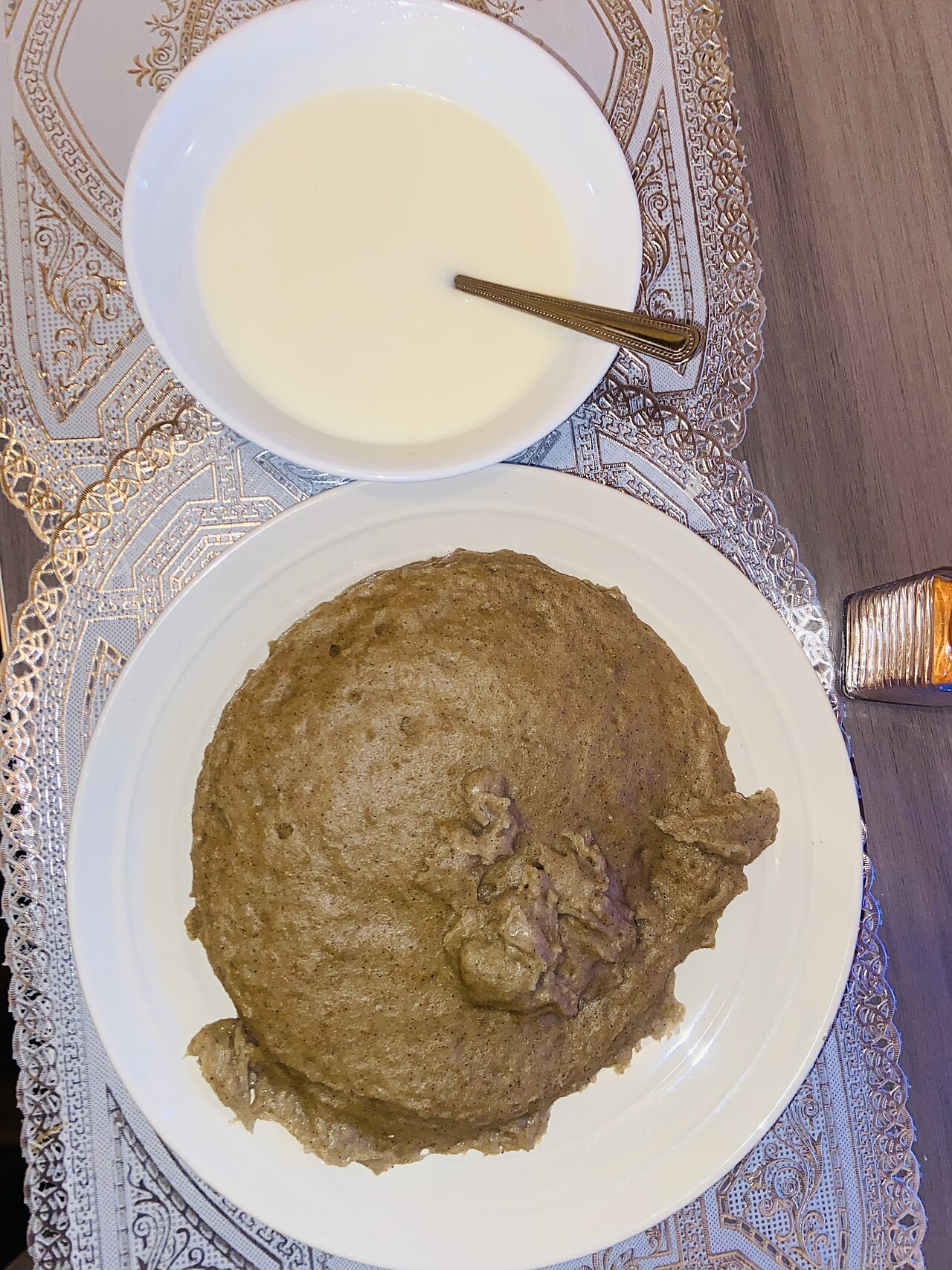
The staple food of the Himba is the milk of their cattle and goats, drunk fresh or soured, the essential food of a pastoral people, supplemented by meat, eaten above all at ceremonies and times of need. Sour milk in particular is central to the diet, prepared and stored with care.
Where cultivation is possible, a porridge of maize meal or millet, mahangu, is eaten, and this has become more common with contact with the wider economy. Wild plants and the produce of the land add to the diet in season. The pastoral origins of Himba cooking, based on milk and meat, still shape the food of the people, drawn above all from their treasured herds.
Festivals
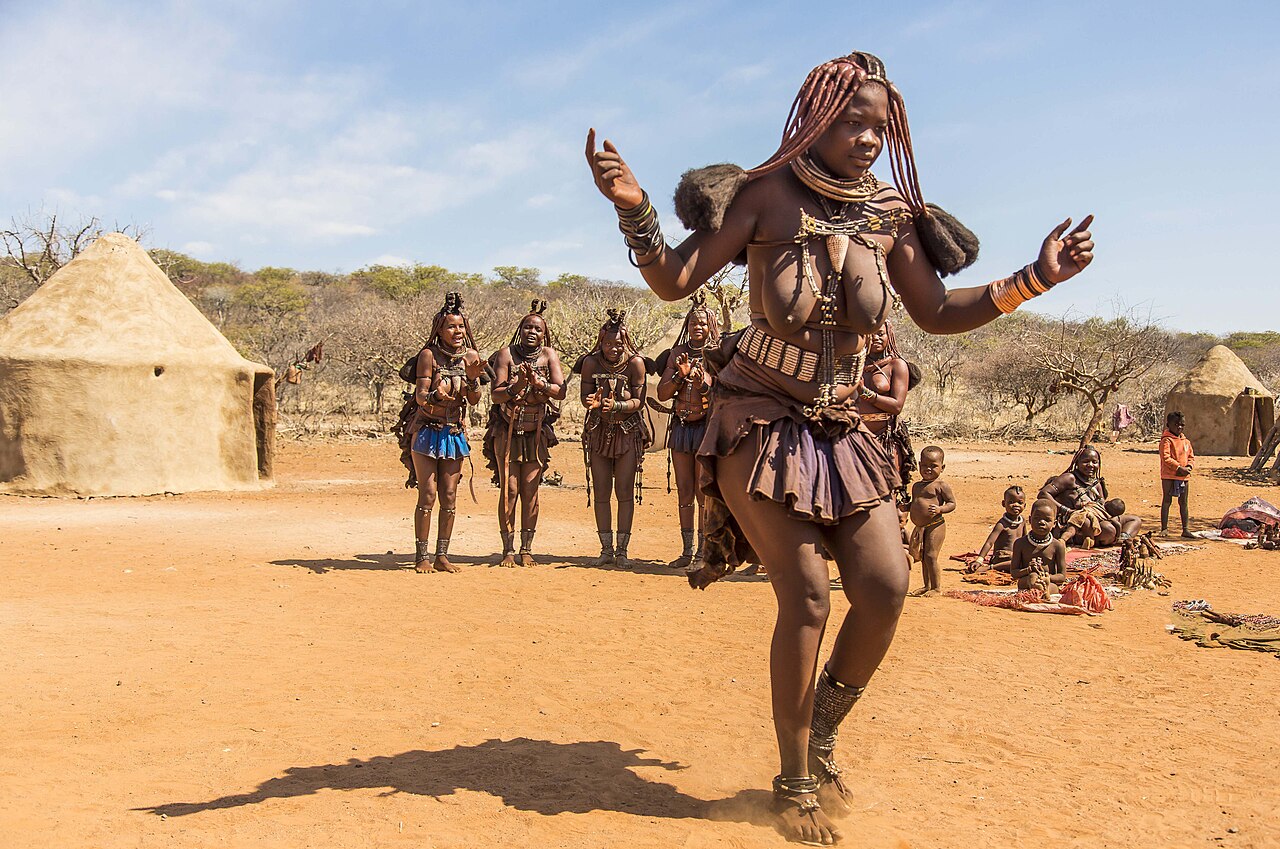
Festive life among the Himba centres on the ceremonies of the holy fire and the ancestors, on cattle, and on the milestones of the life cycle. Weddings, the initiations of the young, and the ceremonies performed at the holy fire and around the cattle are the great occasions, gathering the community for ritual, feasting and dance.
Music, singing and dance accompany these celebrations, and the display of the women in their ochre and ornaments marks the occasion. The gathering of the semi-nomadic families for a wedding or a ceremony of the ancestors is a significant social event, renewing the bonds of the community and the religion. The ceremonies of the fire, the cattle and the ancestors remain the heart of Himba festivity.
History

The Himba are a branch of the Herero who remained in the northwest of Namibia when others moved south, keeping the old pastoral life in the remote fastness of Kaokoland. In the wars and upheavals of the nineteenth century, including the disruptions caused by raiders and the loss of cattle, the Himba, then sometimes called the Tjimba, endured hardship, but their isolation preserved their way of life.
Under German and then South African colonial rule, and through the wars that affected the region, Kaokoland remained remote and largely apart, and the Himba kept their cattle, their fire and their traditions. Since Namibian independence in 1990, the growth of tourism, and proposals to dam the Kunene river, have brought new pressures and attention to the Himba and their homeland.
Today
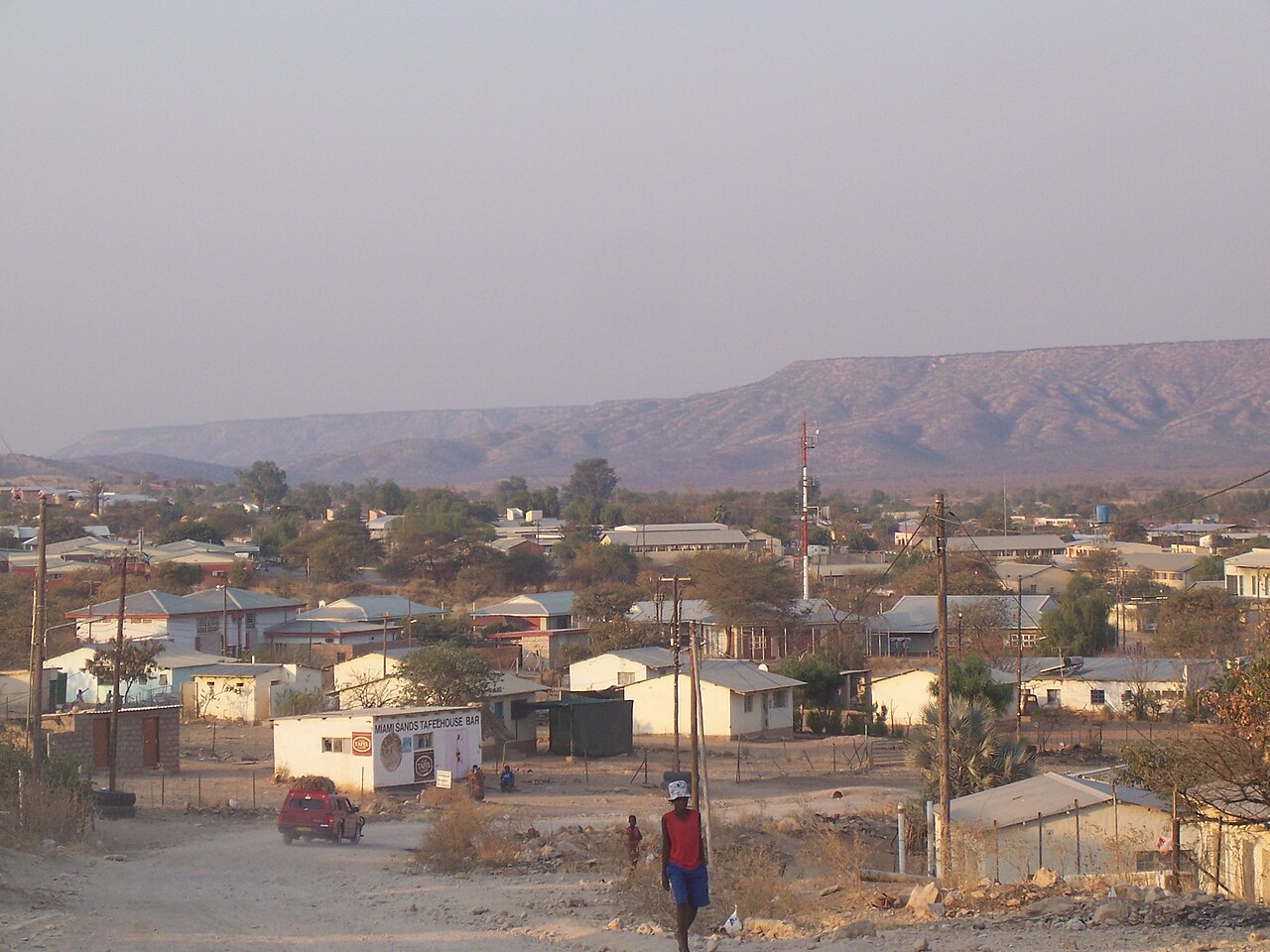
Today the Himba number some tens of thousands in the Kunene region of Namibia and across the border in Angola, and remain, in large part, a traditional pastoral people, herding cattle and goats and living around the holy fire much as their ancestors did. Their remote homeland has kept their way of life more intact than almost any other people of southern Africa.
Yet change is reaching the Himba, through tourism, which brings visitors to see the ochre-red women, through schools and roads, and through the pressures on their land and water. The Himba have sought to defend their homeland and their way of life, notably against dam projects on the Kunene. Proud of their cattle, their holy fire and their distinctive traditions, the Himba carry one of the most intact traditional cultures of Africa into an uncertain future.
Related Peoples of the Region
- The Shilha, the Berbers of the Souss and the Atlas
- The Sahrawi, the People of the Western Sahara
- The Venda, the People of the Sacred Lakes of Limpopo
- The Tsonga, the Shangaan of the Southeastern Lowveld
- The Herero, the Cattle Herders of Namibia
- The Ovambo, the Largest People of Namibia
- The Nama, the Khoekhoe Herders of the Dry South
- The San, the First People of Southern Africa
More Peoples of the World
- A Fifth of Humanity, the Story of the Han Chinese
- How the Maori Sailed Across the Pacific to Reach New Zealand
- Zulu of the Green Hills and Their Kingdom Forged by Shaka
- The People Who Never Vanished, the Story of the Maya
- Long Before the Arabs Came, North Africa Belonged to the Amazigh
- The People Who Emerged Into This World, the Story of the Navajo
- Meet the Ainu, an Indigenous People at Japan’s Northern Edge
You May Like

The Damara, an Ancient People of Namibia



