In the northern provinces of Mozambique, from the Indian Ocean coast to the granite peaks of the interior, live the Makua, the largest single people of the country. Farmers of cassava and sorghum, organised through their mothers into matrilineal clans, they have shaped the life of Mozambique’s north for centuries.Theirs is a land where the caravan routes of the interior once met the Swahili trading world of the coast, and where Islam, Christianity and older ancestral beliefs still sit side by side. Through the white mussiro paste worn by their women, the beat of their drums and the enduring authority of their matriclans, the Makua carry a distinctive identity into the modern nation.
The Makua on Film
Contents
- Origins
- The Name
- The Language
- The Homeland
- The Old Way of Life
- Society and Community
- Religion and Belief
- Traditions
- Crafts
- Food
- Festivals
- History
- Today
Origins
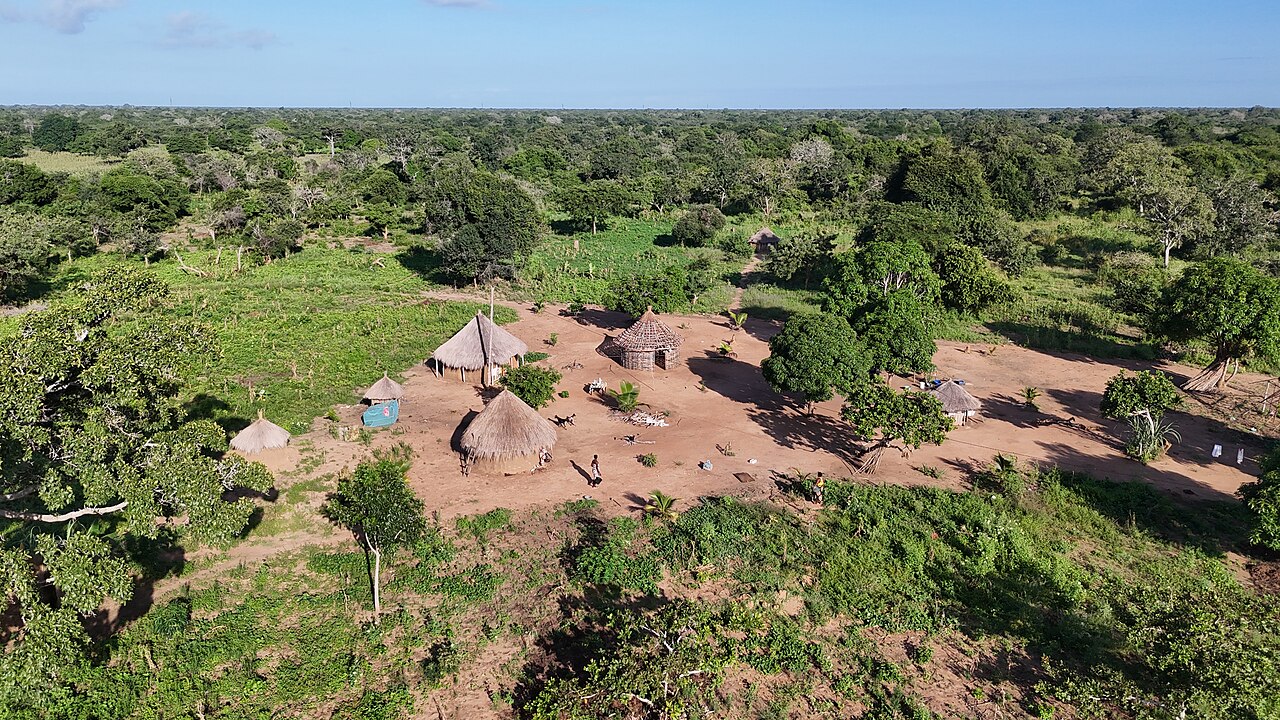
The Makua are the largest single ethnic group in Mozambique, dominating the northern provinces of Nampula, Cabo Delgado, Niassa and Zambezia, with related communities across the border in southern Tanzania. They are a Bantu people whose ancestors settled the lands between Lake Malawi and the Indian Ocean many centuries ago, farming the plateaus and river valleys of the interior.
Their traditions place their beginnings at Mount Namuli, a granite massif in Zambezia regarded as the cradle of the Makua and neighbouring peoples. From this heartland they spread eastward toward the coast, where over time they came into contact with Swahili traders, Arab merchants and, from the sixteenth century, the Portuguese.
The Name
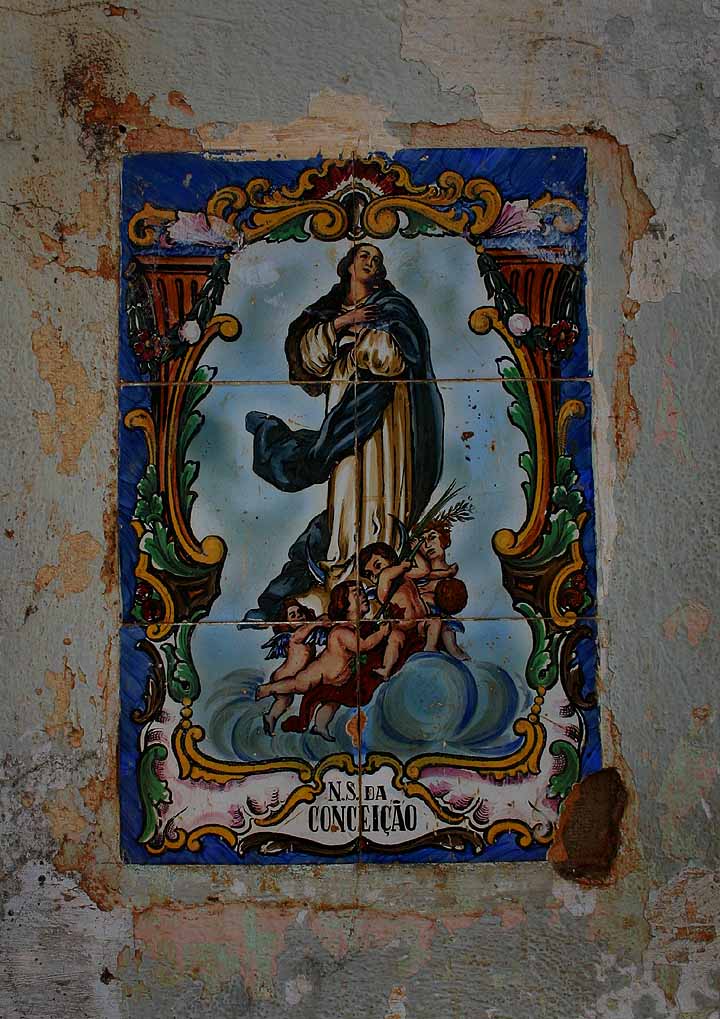
The name Makua, also written Macua, is applied both to the people and, in the form Makhuwa, to their language. Within this broad grouping are numerous sub-groups and clan clusters, each with its own dialect and local traditions, so that the Makua are less a single tribe than a family of closely related communities.
The city of Nampula, often called the capital of the north, lies at the centre of Makua country and serves as its commercial and administrative hub. Around it stretch the districts where the great majority of Makua live, still predominantly rural and tied to the land.
The Language
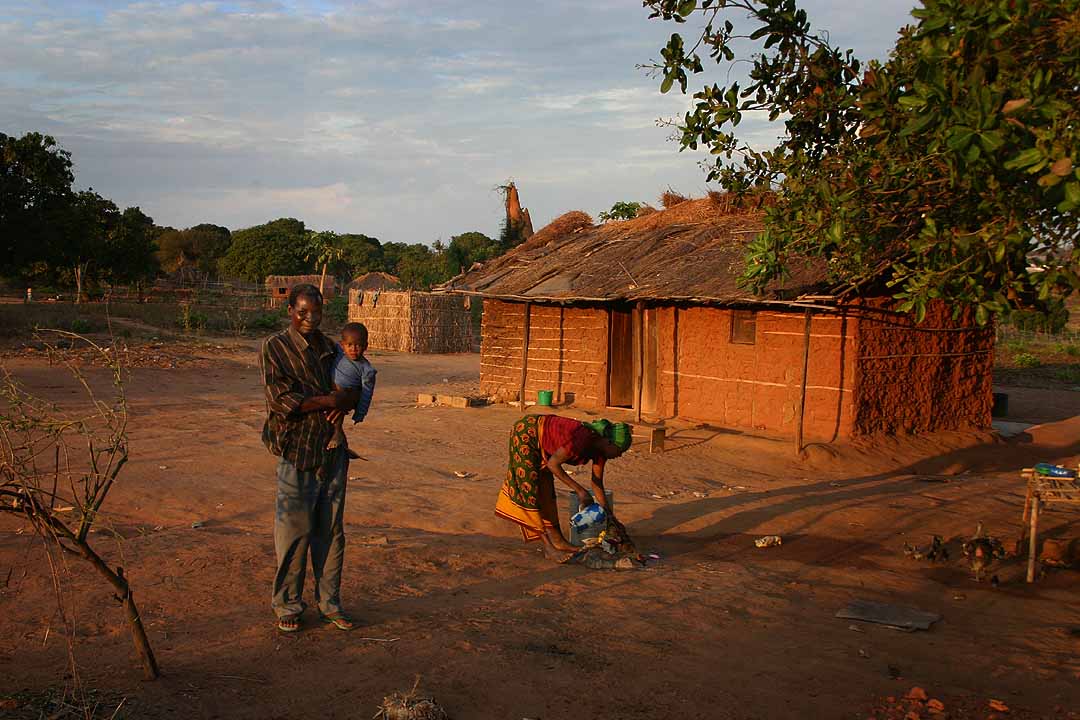
The Makua speak Makhuwa, a Bantu language that is one of the most widely spoken in Mozambique, with several million speakers across the northern provinces. It exists in a number of dialects, reflecting the many sub-groups of the Makua, and serves as a first language for most rural communities in the region.
Portuguese, the national language, is used in schools, government and towns, and many Makua are bilingual. On the coast, centuries of contact with Swahili traders left loanwords and cultural borrowings, while inland Makhuwa remains the everyday tongue of home and market.
The Homeland

The Makua homeland is a broad swathe of northern Mozambique, running from the Indian Ocean coast inland across rolling plains studded with dramatic granite inselbergs. The climate is tropical, with a rainy season that governs the planting of crops, and the land supports both farming and, along the shore, fishing.
This region has long been a meeting point of peoples and trade routes. The coast formed part of the Swahili world of the Indian Ocean, while the interior was crossed by caravan paths carrying ivory and goods between the highlands and the sea, giving the Makua homeland a strategic importance out of proportion to its remoteness.
The Old Way of Life

The Makua have always been chiefly farmers, cultivating cassava, sorghum, millet, maize and beans, with cassava serving as the great staple that guards against famine. Farming is organised around the household and the matrilineal clan, and the rhythm of the agricultural year shapes social and ritual life alike.
Alongside farming, coastal Makua fished and traded, while inland communities hunted and gathered to supplement their crops. In earlier centuries many Makua were drawn into the long-distance trade of the interior, supplying ivory and other goods to the caravans that linked the highlands with the coastal ports.
Society and Community
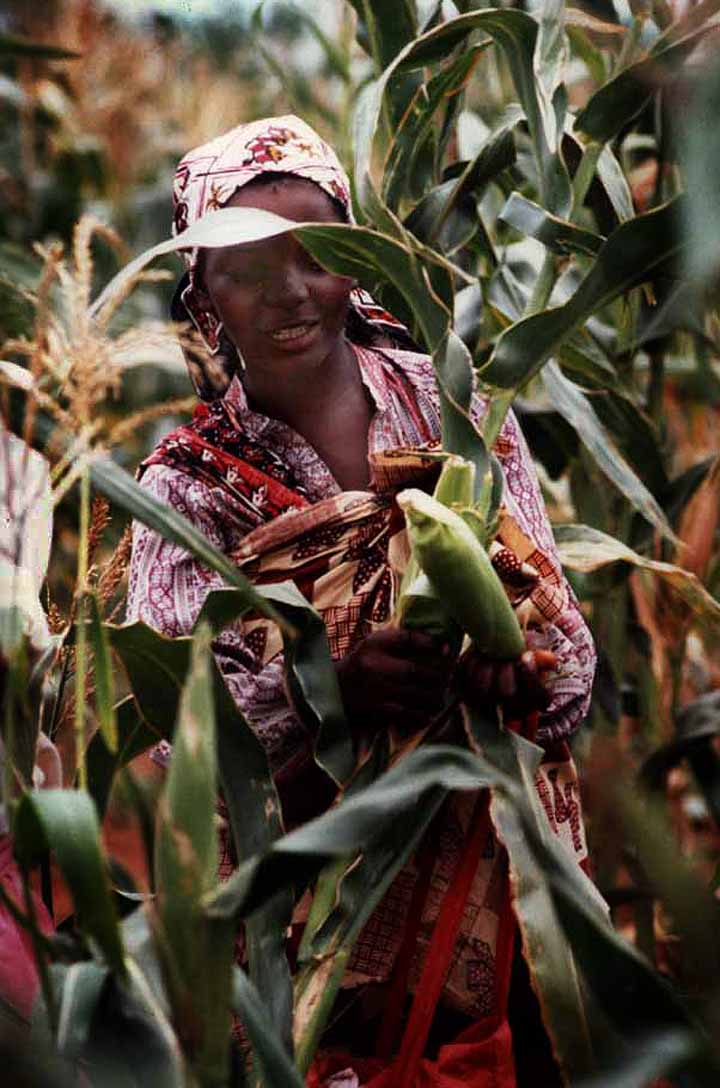
Makua society is organised along matrilineal lines: descent, inheritance and clan membership pass through the mother, and a person belongs to the nihimo, or matriclan, of their mother. This gives women a central place in the transmission of identity and property, and a maternal uncle often holds authority over his sister’s children.
Leadership traditionally rested with chiefs known as mwene, and in many communities a senior woman, the pwiyamwene, held a parallel authority in ritual and clan affairs. This blend of male and female roles reflects the matrilineal foundation of Makua social order, which has persisted alongside modern structures of local government.
Religion and Belief

Religious life among the Makua weaves together several strands. Along the coast, centuries of contact with the Swahili world made Islam a strong presence, and many coastal Makua are Muslim. Inland, Christianity spread through Portuguese and later mission activity, so that Catholic and Protestant communities are widespread today.
Beneath both faiths lies an older layer of belief in ancestral spirits and in the power of ritual specialists to heal, divine and protect. Ancestors are honoured as guardians of the living, and traditional ceremonies marking birth, initiation and death continue to structure the spiritual year for many Makua.
Traditions

Initiation rites are among the most important Makua traditions, marking the passage of boys and girls into adulthood through periods of instruction, seclusion and celebration. These rites transmit the values, knowledge and responsibilities of the community, and they remain widely observed in rural areas.
Music and dance accompany every major occasion, from weddings to harvests, with drumming and communal singing at their heart. A distinctive Makua custom is the wearing by women of mussiro, a white facial paste made from the bark of a local tree, used both as cosmetic beautification and as a mark of ritual status.
Crafts
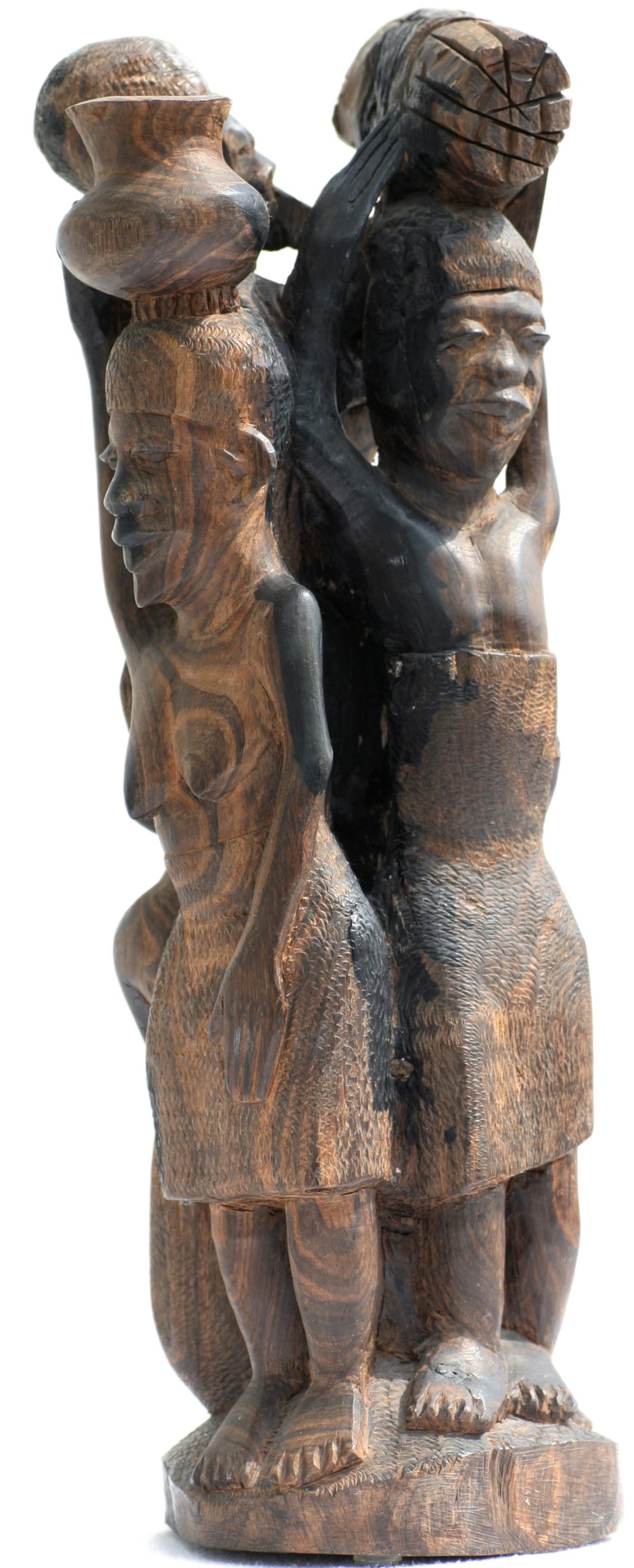
The Makua and their neighbours in northern Mozambique are known for skilled woodcarving, and the region shares in the celebrated carving tradition of the wider Makonde plateau. Craftsmen produce masks, figures and household objects, working hardwoods into forms both practical and ceremonial.
Women contribute pottery, mat-weaving and basketry, while ironworkers and other artisans supply tools and ornaments. Much of this craftwork serves everyday needs, but the finest pieces, especially carvings, have found a market well beyond the villages where they are made.
Food
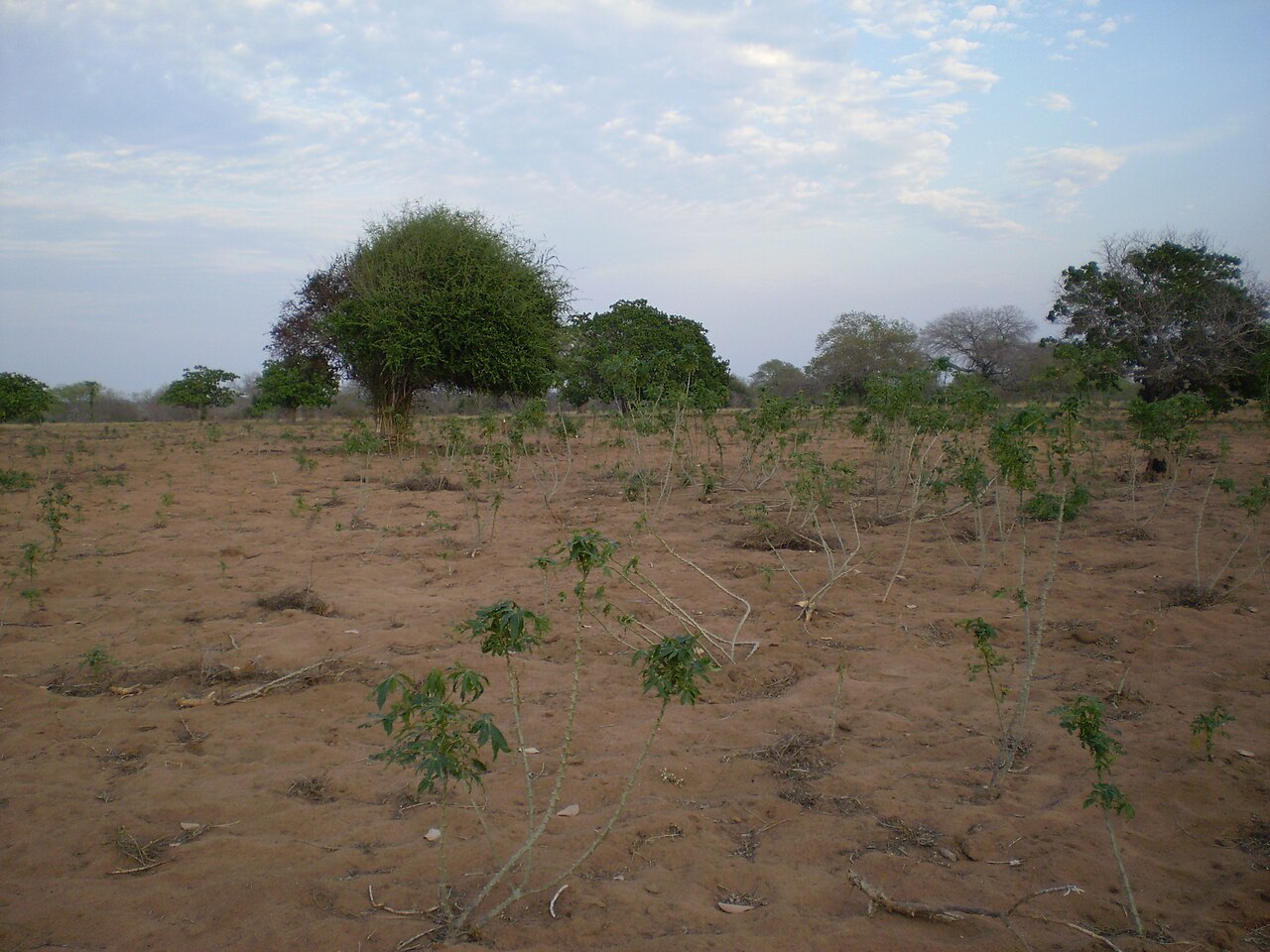
The Makua diet is built on cassava, which is grown, dried and pounded into flour or eaten boiled, together with maize, sorghum and millet. These staples are served with relishes of vegetables, beans, groundnuts and, where available, fish or meat, forming the daily fare of most households.
On the coast, fish and coconut enrich the diet, and Swahili influence shows in the use of spices and coconut milk in cooking. Palm wine and locally brewed beers accompany celebrations, and shared meals remain central to hospitality and community life.
Festivals

Makua communal life is punctuated by festivals and ceremonies tied to the farming calendar, to initiation seasons and to the rites of the life cycle. Weddings, harvests and the completion of initiation draw whole villages together for days of dancing, feasting and music.
Such gatherings are more than entertainment: they reaffirm the bonds of the matriclan, honour the ancestors and pass the traditions of the Makua to the young. In an age of migration and change, these festivals help sustain a strong sense of shared identity.
History

For centuries the Makua interior fed the trade of the Indian Ocean, supplying ivory and other goods to the Swahili and Arab merchants of the coast. The Island of Mozambique, off the Makua shore, became a major entrepot and later the capital of Portuguese East Africa, drawing the region into a wider world of commerce and conflict.
The Makua long resisted outside domination, and their chiefdoms clashed with Portuguese expansion into the interior well into the colonial period. After Mozambique won independence in 1975, the Makua, as the country’s largest group, played a central part in the life of the new nation, through the years of civil war and the peace that followed.
Today
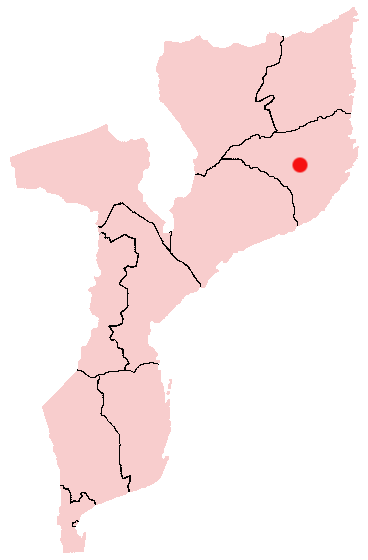
Today the Makua remain the most numerous people of Mozambique, the backbone of the northern provinces and a major presence in national life. Most still live by farming, but growing towns such as Nampula have drawn many into trade, transport and wage work, and the region is increasingly connected to the wider economy.
Makhuwa language, matrilineal custom and the rituals of initiation and celebration continue to anchor Makua identity even as modern schooling, religion and migration reshape daily life. Rooted in the land around Mount Namuli, the Makua carry a long history into a changing Mozambique.
Related Peoples of the Region
- The Ovambo, the Largest People of Namibia
- The Nama, the Khoekhoe Herders of the Dry South
- The San, the First People of Southern Africa
- The Himba, the Ochre People of the Kunene
- The Lozi, the Floodplain Kingdom of the Zambezi
- The Bemba, the Largest People of Zambia
- The Chewa, the Masked Dancers of Malawi
- The Ngoni, the Nguni Migrants of Central Africa
More Peoples of the World
- A Fifth of Humanity, the Story of the Han Chinese
- How the Maori Sailed Across the Pacific to Reach New Zealand
- Zulu of the Green Hills and Their Kingdom Forged by Shaka
- The People Who Never Vanished, the Story of the Maya
- Long Before the Arabs Came, North Africa Belonged to the Amazigh
- The People Who Emerged Into This World, the Story of the Navajo
- Meet the Ainu, an Indigenous People at Japan’s Northern Edge
You May Like

The Damara, an Ancient People of Namibia



