

On the Banks of the Sacred River, the Story of the People of India’s Northern Plains
From Varanasi and the Ganges to the Taj Mahal and Bollywood, the people of the northern plains form the cultural heartland of India.
Info on popular culture and everyday life

From Varanasi and the Ganges to the Taj Mahal and Bollywood, the people of the northern plains form the cultural heartland of India.

A people bound by language rather than blood, spread across two dozen countries. The story of the Arabs, the Arabic tongue, the rise of Islam, a golden age of learning, colonialism, oil, and the struggles of today.
The story of the Bashkirs, the Turkic people of the southern Urals, famed for their wild honey and the music of the kuray, from the age of the steppe nomads to the modern Republic of Bashkortostan.

An Oghuz Turkic people of the Karakum desert, the Turkmen kept a fierce tribal independence, famed for their deep-red knotted carpets and the golden Akhal-Teke horse.

A Turkic mountain people of the Tian Shan, the Kyrgyz built a nomadic culture of horse, yurt, and felt, and keep the Epic of Manas, one of the longest oral poems in the world.
Farmers, soldiers, and founders of the Sikh faith, split by Partition yet united in spirit, the Punjabis carry their warmth and resilience across the globe.

The most numerous people of Central Asia, the Uzbeks are heirs to the Silk Road cities of Samarkand and Bukhara, blending Turkic and Persian worlds into a great settled civilisation.

A Turkic people of the Amu Darya delta, the Karakalpaks lived between herding, fishing, and farming on the shores of the Aral Sea, whose drying became one of the world’s great environmental tragedies.
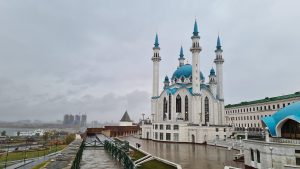
The story of the Tatars, the largest Muslim and Turkic people of Russia, from Volga Bulgaria and the Golden Horde to the modern republic of Tatarstan on the Volga.
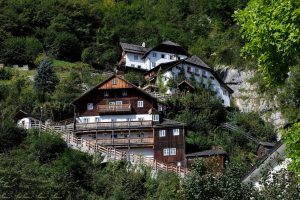
Among the oldest and most numerous indigenous peoples of Nepal, the Magar of the western hills blend Hindu, Buddhist, and shamanic traditions, the Maruni dance, and a famed martial heritage.


