Along the western coast of Myanmar, in Rakhine State by the Bay of Bengal, lived the Rohingya, a Muslim people whose language and faith set them apart from the Buddhist majority around them. Heirs to centuries of Muslim life in old Arakan, they have become in our time one of the most persecuted peoples on earth.
Denied citizenship, rendered stateless, and finally driven from their homeland in a campaign of violence that shocked the world, the great majority of the Rohingya now live as refugees. Theirs is a story of a rooted people uprooted, struggling through faith, language, and memory to hold on to who they are.
The Rohingya on Film
Contents
- Origins
- The Name
- The Language
- The Homeland
- The Old Way of Life
- Society and Community
- Religion and Belief
- Traditions
- Crafts
- Food
- Festivals
- History
- Today
Origins

The Rohingya are a Muslim people of Rakhine State, on the western coast of Myanmar bordering Bangladesh. Speaking an Indo-Aryan language close to the Bengali of neighbouring Chittagong, they are ethnically and religiously distinct from the Buddhist Rakhine majority among whom they lived, and today they are among the most persecuted peoples in the world.
The Rohingya trace their presence in Arakan, as Rakhine was long known, back many centuries, to the Muslim traders, settlers, and communities who lived along this stretch of the Bay of Bengal. The medieval kingdom of Arakan, with its capital at Mrauk U, was a cosmopolitan realm where Muslim influence was strong, and the Rohingya see themselves as heirs to this long history.
The Name

The name Rohingya is understood by the people to derive from Rohang, an old name for Arakan, so that Rohingya means the people of Rohang. The community has used the name to assert its identity as an indigenous people of the region.
The government of Myanmar, however, rejects the name and denies that the Rohingya are a native people, insisting on calling them Bengalis and treating them as illegal immigrants. This dispute over the very name and origin of the Rohingya lies at the heart of their tragedy.
The Language

The Rohingya speak Rohingya, an Indo-Aryan language closely related to the Chittagonian dialect of Bengali spoken just across the border, and quite distinct from the Tibeto-Burman languages of most of Myanmar. It has traditionally been an oral language, written variously in Arabic, Latin, and other scripts.
The closeness of Rohingya to Bengali is one of the arguments used against the community by those who deny their belonging in Myanmar, though languages cross borders everywhere. In the camps and the diaspora, Rohingya-language media and teaching help keep the language and identity alive.
The Homeland

The Rohingya homeland is northern Rakhine State, a coastal region of rivers, rice plains, mangroves, and fishing grounds along the Bay of Bengal, separated from the rest of Myanmar by mountains and facing Bangladesh across the Naf River. It is a fertile but troubled land.
Here, in towns and villages such as those around Maungdaw and Buthidaung, the Rohingya lived as farmers and fishermen for generations. Since 2017 much of this homeland has been emptied of its Rohingya population, their villages burned and abandoned, and most now live as refugees across the river in Bangladesh.
The Old Way of Life

Traditionally the Rohingya were farmers and fishermen of the Rakhine coast, growing rice in the plains and fishing the rivers, estuaries, and the waters of the Bay of Bengal. Village life centred on the family, the rice field, and the mosque.
Theirs was the settled life of a rural Muslim community, tied to the land and the sea, with its own customs of dress, food, and celebration. Decades of restriction, denial of citizenship, and finally mass violence have shattered this traditional way of life.
Society and Community
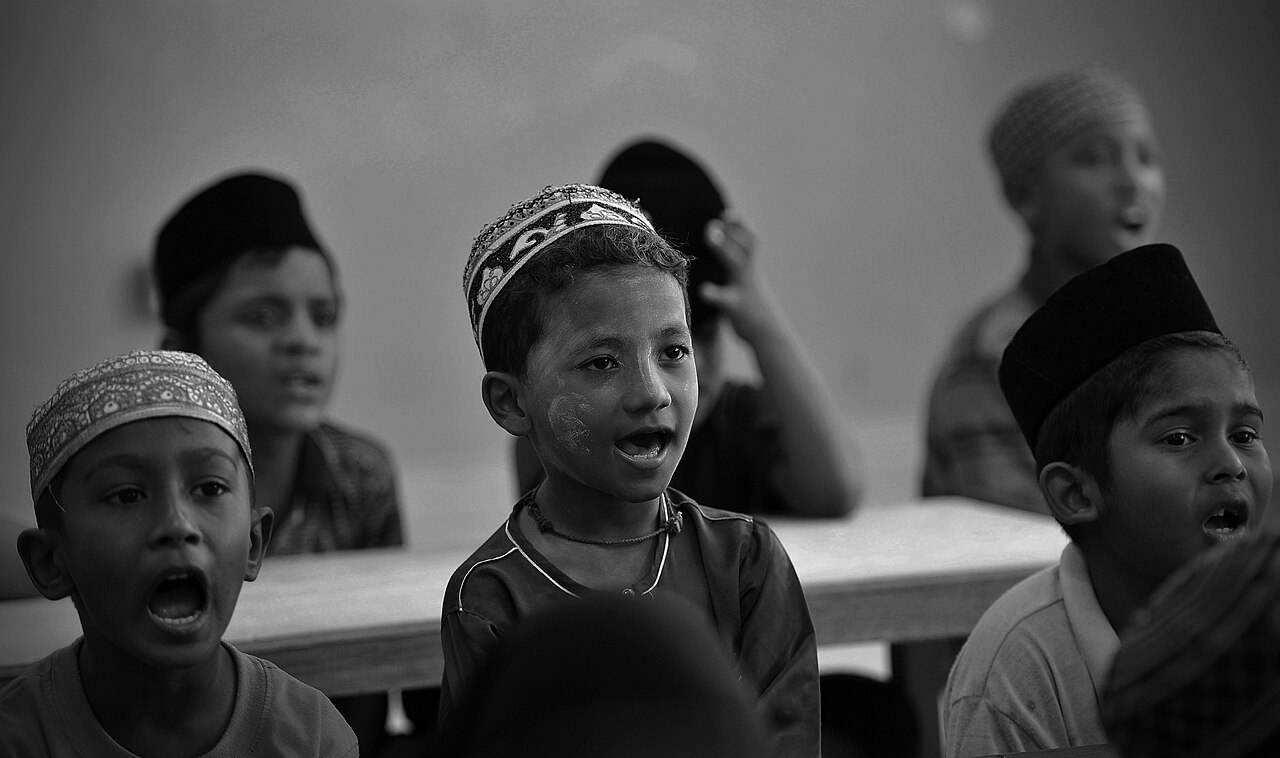
Rohingya society is organised around the extended family, the village, and the mosque, with strong ties of kinship and a conservative, religiously observant culture. Community elders and religious teachers have traditionally held respected roles.
For decades the Rohingya lived under severe restrictions in Myanmar, denied citizenship, freedom of movement, and access to education and services, which left the community impoverished and marginalised. In the refugee camps, they have had to rebuild social life under extraordinarily difficult conditions.
Religion and Belief

The Rohingya are Sunni Muslims, and Islam is central to their identity and daily life. Mosques and religious schools were the heart of Rohingya villages, and the rhythm of prayer, fasting, and the Islamic festivals structured the community’s life.
It is in large part their Muslim faith, setting them apart from the Buddhist majority of Myanmar, that has made the Rohingya a target of discrimination and violence. Religion remains a source of strength and identity for a community that has lost almost everything else.
Traditions

Rohingya tradition is that of a rural Muslim people of the Bay of Bengal, with its own customs of dress, music, poetry, and celebration. Weddings, the naming of children, and the festivals of the Islamic calendar are marked with ceremony, song, and communal feasting.
Folk songs, tarana poetry, and the customs surrounding the life-cycle carry the memory of the homeland, and in the camps these traditions have taken on new importance as a way of preserving identity. Culture has become a form of resistance for a people threatened with erasure.
Crafts

As a farming and fishing people, the Rohingya traditionally produced much of what they needed by hand, from woven mats and baskets to fishing nets and the tools of village life. Weaving, embroidery, and the crafts of the rural household belonged to their culture.
In the refugee camps, aid programmes have helped some Rohingya revive crafts such as weaving and embroidery, both as a livelihood and as a way of keeping traditions alive. These humble arts are a thread of continuity for a displaced people.
Food
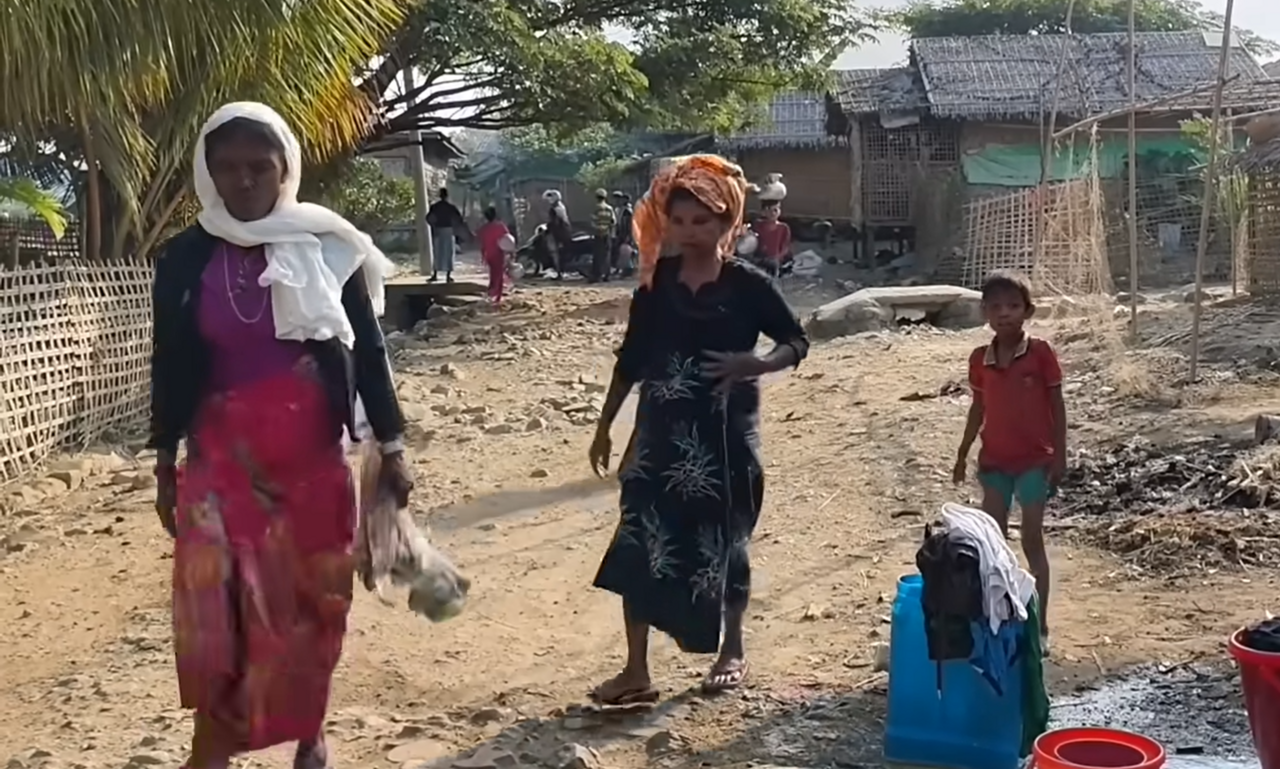
Rohingya cuisine resembles that of neighbouring Bengal and coastal Myanmar, built on rice, fish, and vegetables, richly spiced and often fiery with chilli. Fish from the rivers and the sea, dried fish, and rice are the staples of the Rohingya table.
Curries of fish and vegetables, lentils, and rice dishes fill everyday meals, with special foods and sweets prepared for weddings and the Islamic festivals. In the camps, families do their best to keep these food traditions alive on limited rations.
Festivals

The great festivals of the Rohingya follow the Islamic calendar, above all the two Eids, celebrated with prayer, new clothes, special foods, and the visiting of family and neighbours. Ramadan, with its month of fasting, is the most solemn season of the year.
Weddings and other family celebrations, with their music, feasting, and ceremony, are important occasions of communal joy. In the refugee settlements, the observance of these festivals, however constrained, helps sustain the spirit and identity of the community.
History

Muslims have lived in Arakan for many centuries, but the modern Rohingya tragedy has its roots in the twentieth century. After Burma’s independence the Rohingya were progressively stripped of rights, and a 1982 citizenship law rendered them effectively stateless, denying that they were one of the country’s recognised peoples.
Waves of violence and expulsion followed over the decades, culminating in 2017, when a brutal military campaign drove more than seven hundred thousand Rohingya into Bangladesh amid killings, burnings, and atrocities that international bodies have described as ethnic cleansing and possible genocide.
Today
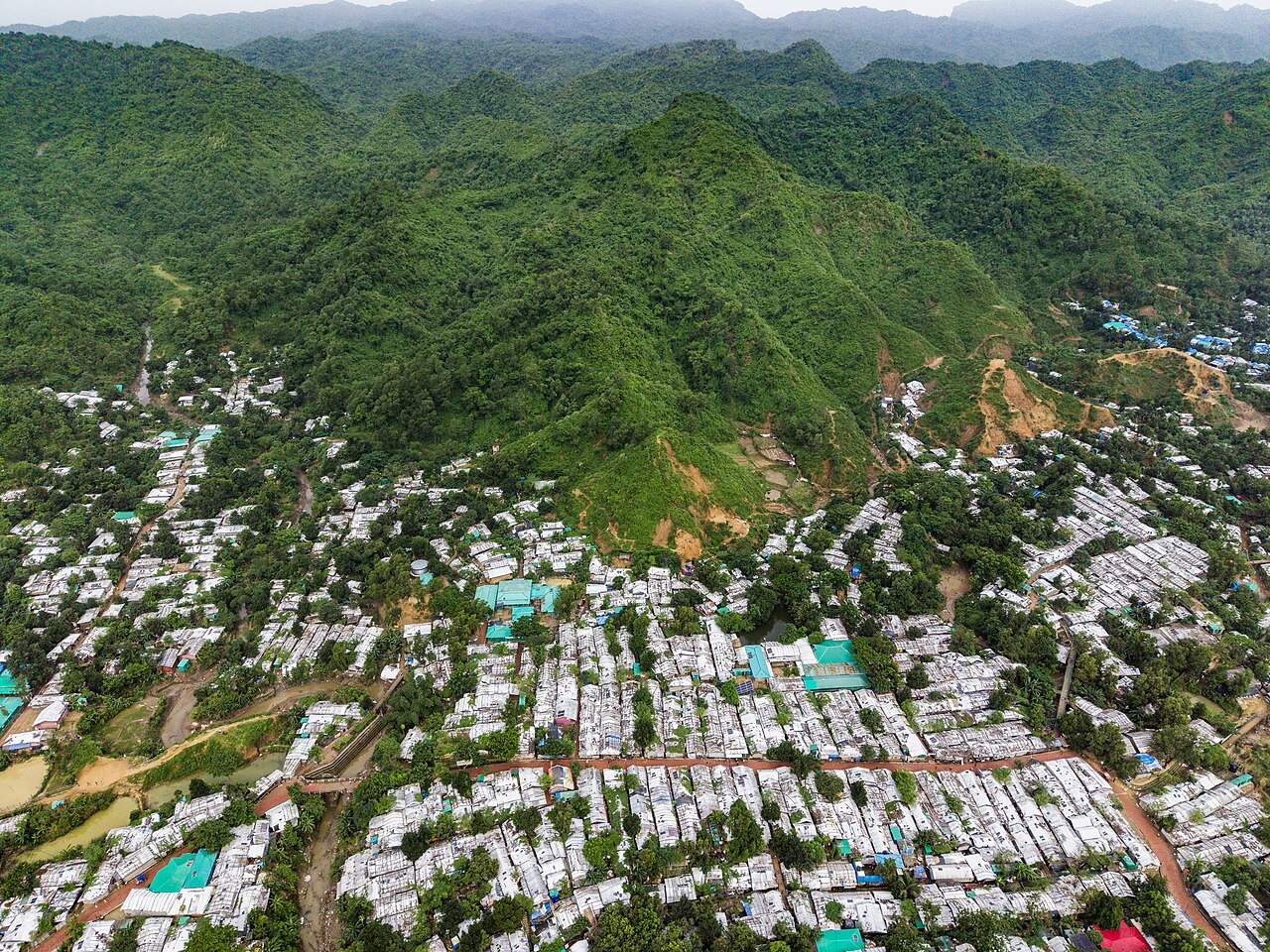
Today the great majority of Rohingya live as refugees, most of them crowded into vast camps around Cox’s Bazar in Bangladesh, among the largest refugee settlements on earth, while others are scattered across Malaysia, the Gulf, and further afield. A dwindling number remain in Rakhine under severe restrictions.
Stateless, impoverished, and unable to return in safety, the Rohingya face an uncertain future, their fate a byword for the plight of the world’s persecuted minorities. Yet through their faith, their language, and their memory of home, they struggle to preserve their identity as a people who refuse to disappear.
Related Peoples of the Region
- The Karachay-Balkars
- The Sinhalese
- The Sri Lankan Tamils
- The Maldivians
- The Bamar
- The Shan
- The Karen
- The Chin
More Peoples of the World
You May Like

The Damara, an Ancient People of Namibia



