Hell in Turkish Mythology
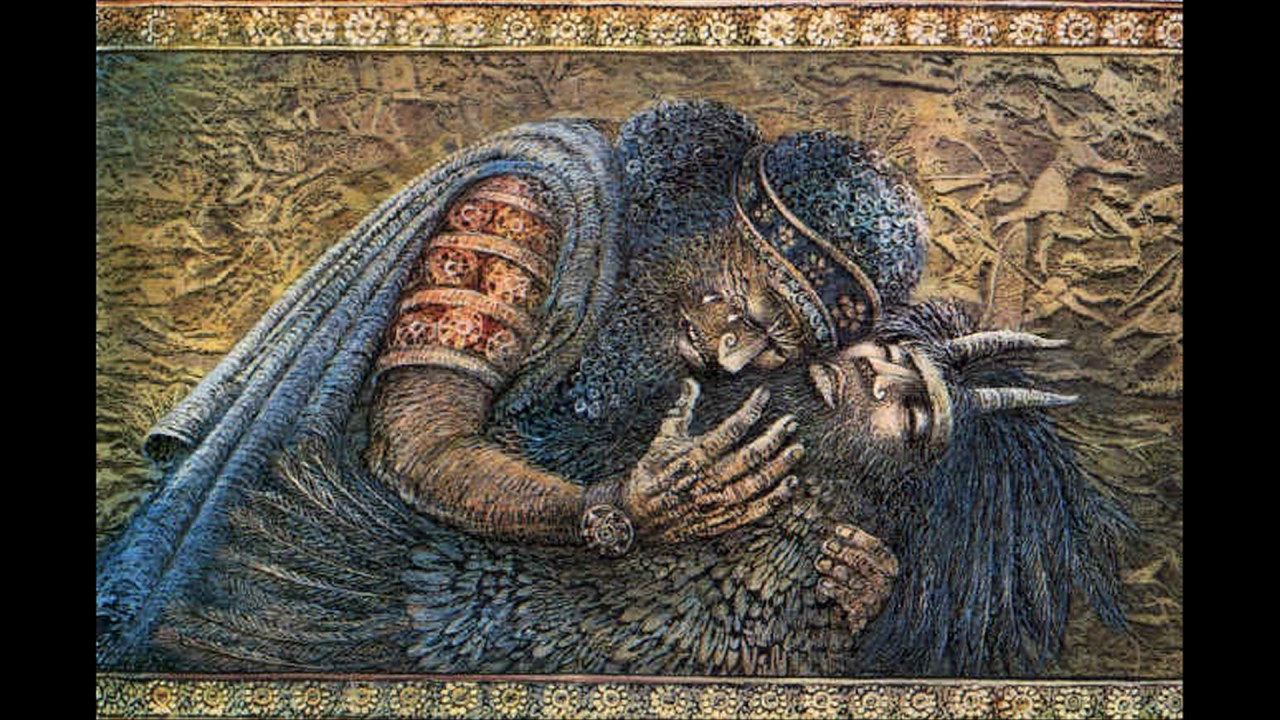
Sinless people will go to the heavens, and those who have sin will stay in the torment wells of the underground hells and burn in the cauldrons of boiling tar
Info on popular culture and everyday life
World history, mythology and Turkic history knowledge
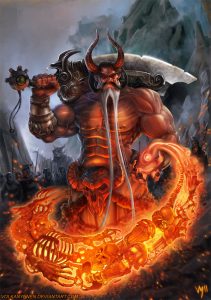
Sinless people will go to the heavens, and those who have sin will stay in the torment wells of the underground hells and burn in the cauldrons of boiling tar

Few decisions in English history have echoed as loudly as one man’s determination to end his marriage. When Henry VIII set out, in the late 1520s, to rid himself of
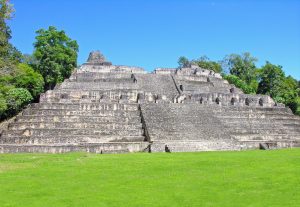
Deep in Belize’s Chiquibul Forest, Caracol grew larger than Tikal itself, built terraces and reservoirs to feed 100,000 people, and once defeated its rival in a decisive Classic Maya war.
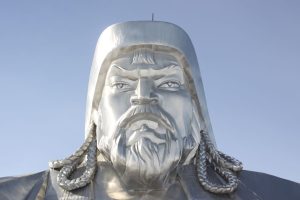
The Mongols, who appeared on the stage of history in the early 1220s under the leadership of Genghis Khan, trampled a wide geography extending from China to Europe under the

While the Pervâneoğulları Principality, which ruled in and around Sinop in the last period of the Anatolian Seljuk State, attracted attention with its closeness to the Mongols and its alliance
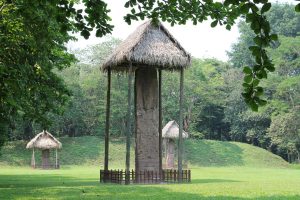
Quirigua rebelled against Copan, capturing its king in 738 CE, then built Stela E, the tallest carved monument in the ancient Maya world.
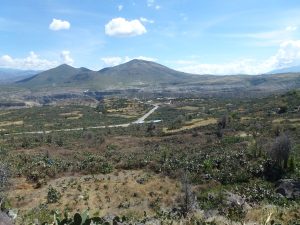
Centuries before the Inca, the Wari built roads, terraces, and provincial cities across Peru from their capital above Ayacucho, laying the imperial blueprint the Inca would later inherit.
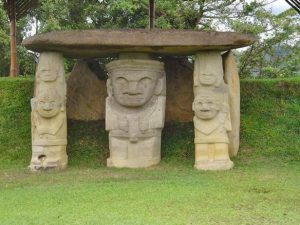
In Colombia’s upper Magdalena valley, an unnamed culture carved hundreds of jaguar and guardian statues over burial mounds, then vanished, leaving no language and no known descendants behind.
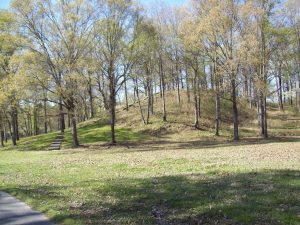
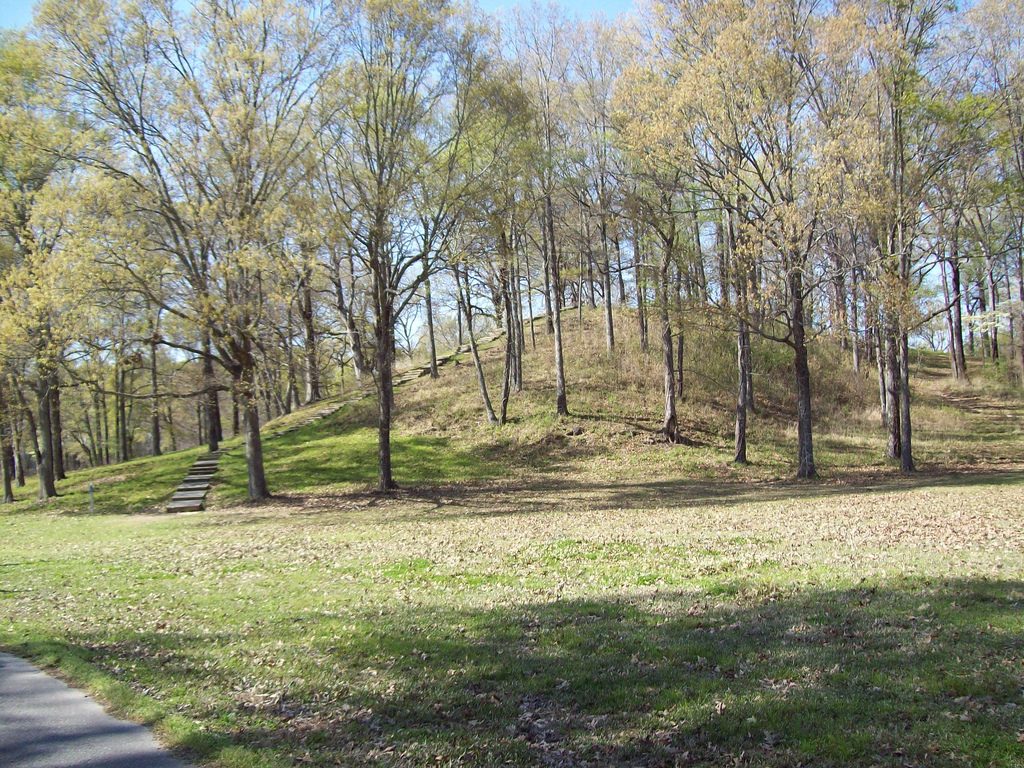
Poverty Point in Louisiana shows hunter-gatherers built massive earthworks and traded across a continent, thousands of years before farming arrived.

The daughter of a slave took the throne in Mamluk Egypt and ruled the country. No joke. Both a slave and a woman… Even today, it seems very distant for


