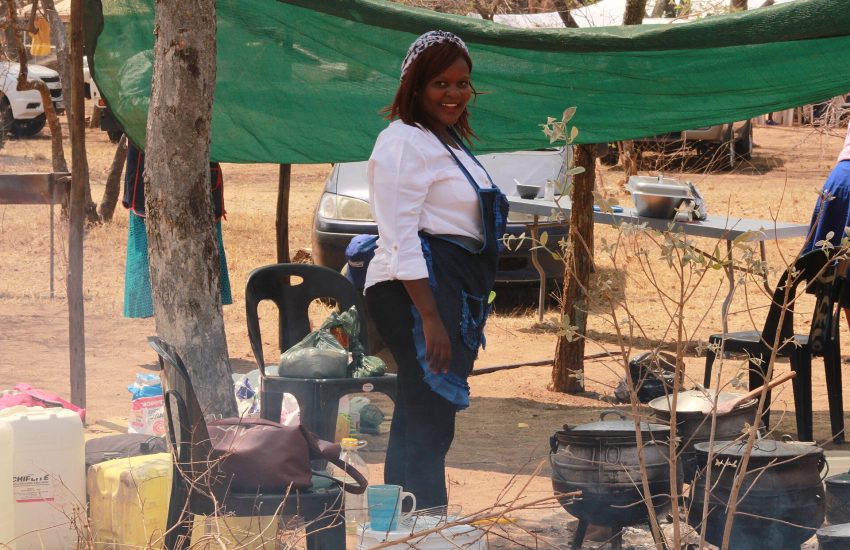
The Sidama are a Highland East Cushitic people of southern Ethiopia, one of the larger nations of the country, numbering several million and concentrated around the city of Hawassa. They speak a Cushitic language and are renowned for an intensive agriculture built on the ensete, or false banana, and for growing the celebrated Sidamo coffee.Organised by an elaborate age-grade system and celebrating the Fichee-Chambalaalla new year, recognised as a treasured heritage of humanity, the Sidama have kept a strong identity through long incorporation into the Ethiopian state, and in 2020 established their own federal region. This article traces their origins, language, homeland, farming life and the customs that continue to define them.
The Sidama on Film
Contents
- Origins
- The Name
- The Language
- The Homeland
- The Old Way of Life
- Society and Community
- Religion and Belief
- Traditions
- Crafts
- Food
- Festivals
- History
- Today
Origins

The Sidama are a Highland East Cushitic people of southern Ethiopia, one of the larger nations of the country, numbering several million and concentrated around the city of Hawassa and the fertile highlands to its east. They speak a Cushitic language and form a distinct and long-established people of the Ethiopian south.
The traditions of the Sidama trace their origins to migrations within the Horn of Africa, and they settled the well-watered highlands where they developed an intensive agriculture based on the ensete, or false banana. Long incorporated into the Ethiopian state, they have retained a strong sense of identity, expressed most recently in their move to form their own regional state.
The Name

The people call themselves the Sidama, and their language Sidaamu Afoo, sometimes written Sidamo, though the latter form is also used for the wider zone and its famous coffee. A single people with a strong common identity, they are one of the many nations that make up the diverse mosaic of southern Ethiopia.
In 2019 the Sidama voted overwhelmingly in a referendum to establish their own regional state within Ethiopia, which came into being in 2020 with Hawassa as its capital. The name Sidama thus denotes both an ancient people and, now, one of the federal regions of the Ethiopian state.
The Language
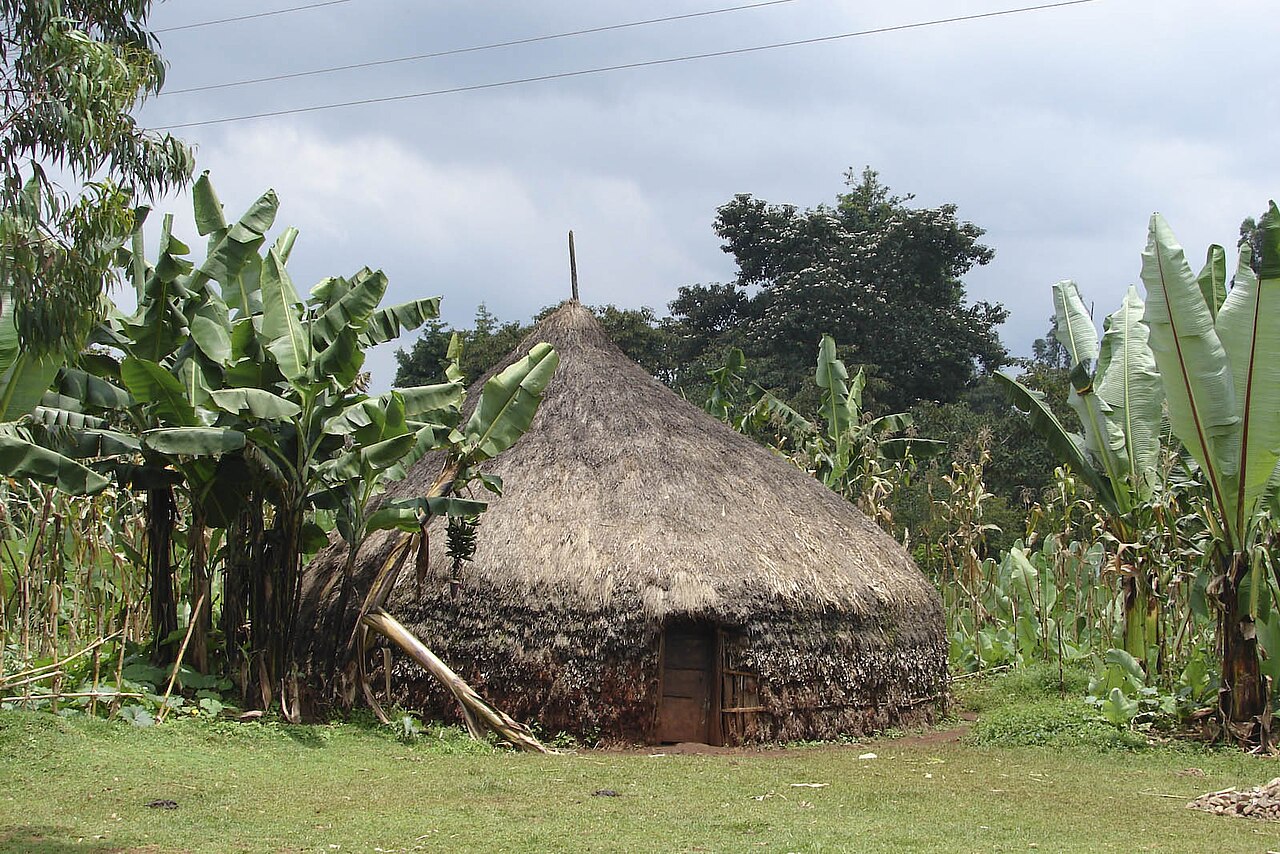
The Sidama speak Sidaamu Afoo, a Highland East Cushitic language related to the tongues of the Oromo and other Cushitic peoples of the Horn, and quite distinct from the Semitic Amharic of the Ethiopian highlands. It is spoken by several million people and remains strong in daily life, education and local media.
The language is rich in the vocabulary of ensete cultivation, cattle and the elaborate age-grade system of the people, and it carries a large body of oral literature. Amharic serves as a national language, but Sidaamu Afoo is a central marker of Sidama identity and a source of pride now expressed in the institutions of their region.
The Homeland
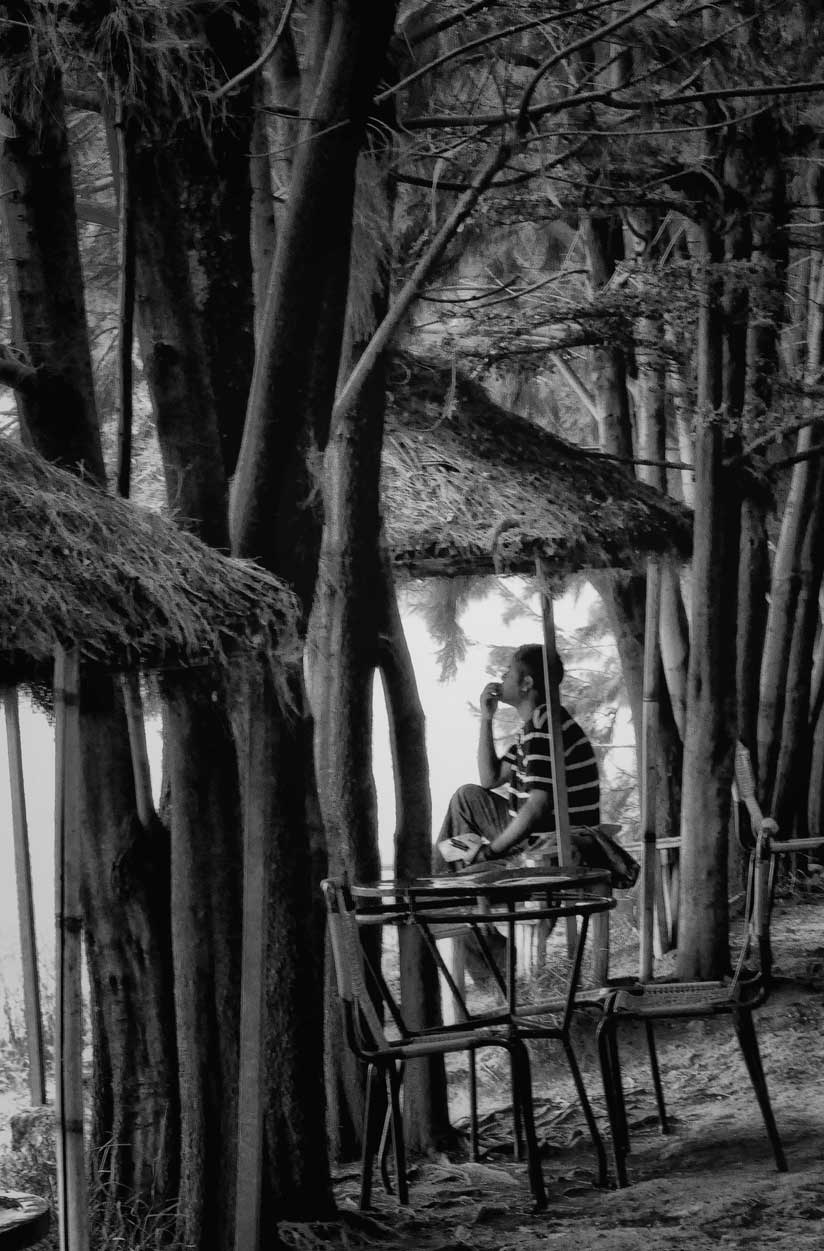
The Sidama homeland is the fertile, well-watered highland country of southern Ethiopia, east of the Rift Valley lakes and centred on the city of Hawassa on the shore of Lake Hawassa. It is a green and densely populated land of rolling highlands, good soils and reliable rainfall, well suited to the intensive cultivation for which the Sidama are known.
The mild climate and rich earth allowed a dense farming population to develop, supported by the ensete and by coffee, which flourishes on the highland slopes. This productive country, with its lakes, highlands and the growing city of Hawassa, forms the crowded and cultivated heart of Sidama life.
The Old Way of Life

The Sidama are intensive farmers, and the foundation of their agriculture is the ensete, the false banana, a remarkable plant whose starchy stem and root are processed into food and which can be stored for long periods, giving security against famine. Around their homesteads the Sidama cultivate dense gardens of ensete, together with maize, beans and vegetables.
Cattle are also important, valued for milk, manure and wealth, and kept in a close relationship with the ensete gardens they help to fertilise. Above all, the highlands of the Sidama produce the celebrated Sidamo coffee, one of Ethiopia’s finest, which has become a major cash crop and a source of income tying the people to the wider world.
Society and Community

Sidama society is famously organised by an elaborate age-grade and generation system, known as the luwa, through which men pass in classes, moving from youth through the grade of warriors to the status of elders, and taking on new roles and responsibilities at each stage. This system, akin to the gadaa of the Oromo, orders social and ritual life.
The elders, and the councils that governed local affairs, held authority, and there was a strong tradition of consultation and consensus. Below this level, society rested on clans and lineages traced through the male line and on the ties of neighbourhood among the dense ensete-farming homesteads. Marriage, sealed by bridewealth, linked families and clans across the highlands.
Religion and Belief

Traditional Sidama religion centred on a sky god, Magano, the creator and source of life and blessing, approached through prayer, sacrifice and the mediation of ritual figures. Alongside this high god lay a concern with spirits and with the ancestors, and with the ritual purity and wellbeing of the community, upheld through the ceremonies of the age-grade system.
The new year festival and the rituals of the luwa had a deeply religious character. From the twentieth century Christianity, both Protestant and Orthodox, spread widely among the Sidama, and today most are Christian, with a Muslim minority, though older beliefs about Magano and the ancestors persist beneath the surface of religious life.
Traditions

The great tradition of the Sidama is the Fichee-Chambalaalla, their new year festival, a celebration of thanksgiving and renewal recognised as a treasured cultural heritage of humanity. Determined by the traditional calendar and the clan astronomers, it brings the whole people together for ceremony, feasting on a special dish, blessings by the elders and gatherings at sacred places such as Gudumale in Hawassa.
The ceremonies of the age-grade system, marking the passage of men through the grades, are another central tradition, as are the rites of the life cycle. Music, dance and song accompany celebration, and the elaborate observances of the new year and the luwa express the Sidama sense of order, continuity and community.
Crafts

Sidama craftsmanship served an intensive farming society. The processing of ensete itself was a considerable domestic art, and households made the tools, containers and vessels needed for cultivation and for the preparation and storage of ensete foods. Pottery, basketry and the working of wood and gourd supplied the needs of daily life.
Weaving, leatherwork and the making of ornaments and dress added to the material culture, and the building of the distinctive homesteads and ensete gardens called for its own skills. The culture of coffee, from cultivation to the elaborate coffee ceremony, is itself a refined tradition, and these crafts and practices reflect a settled, industrious highland people.
Food
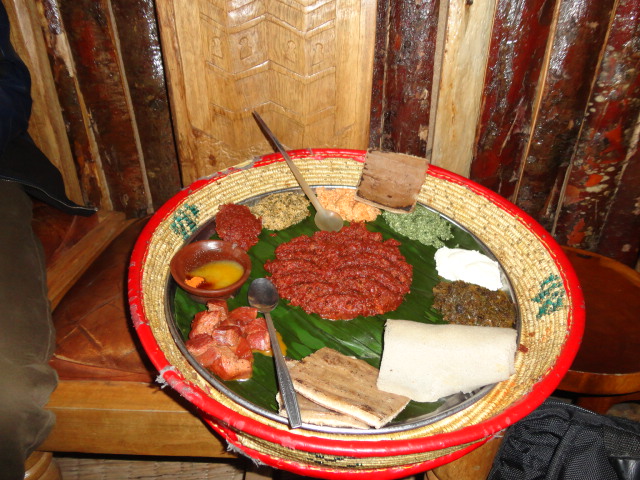
The staple food of the Sidama is derived from the ensete, whose processed stem and root are made into a dense bread and into porridges that form the foundation of the diet, supplemented by milk, cheese and butter from the herds. Ensete foods, storable and reliable, are the mainstay against the uncertainties of the harvest.
Maize, beans, vegetables and, on occasion, meat add variety, and coffee, grown all around, is central to hospitality through the elaborate coffee ceremony. Rich in dairy and built upon the remarkable ensete, Sidama cooking reflects an intensive highland agriculture and a people long secure in the abundance of their gardens.
Festivals

Festive life among the Sidama is crowned by the Fichee-Chambalaalla new year, the great celebration of thanksgiving and renewal that gathers the whole people for ceremony, feasting and blessing. The ceremonies of the age-grade system, marking the advancement of men through the grades, are also occasions of major celebration.
Weddings, harvests and the milestones of the life cycle bring communities together for music, dance and feasting, and the coffee ceremony marks hospitality and gathering. Today Christian festivals and national holidays join the older celebrations, but it is the Fichee new year, with its blessings and its shared meal, that stands at the heart of Sidama festivity.
History
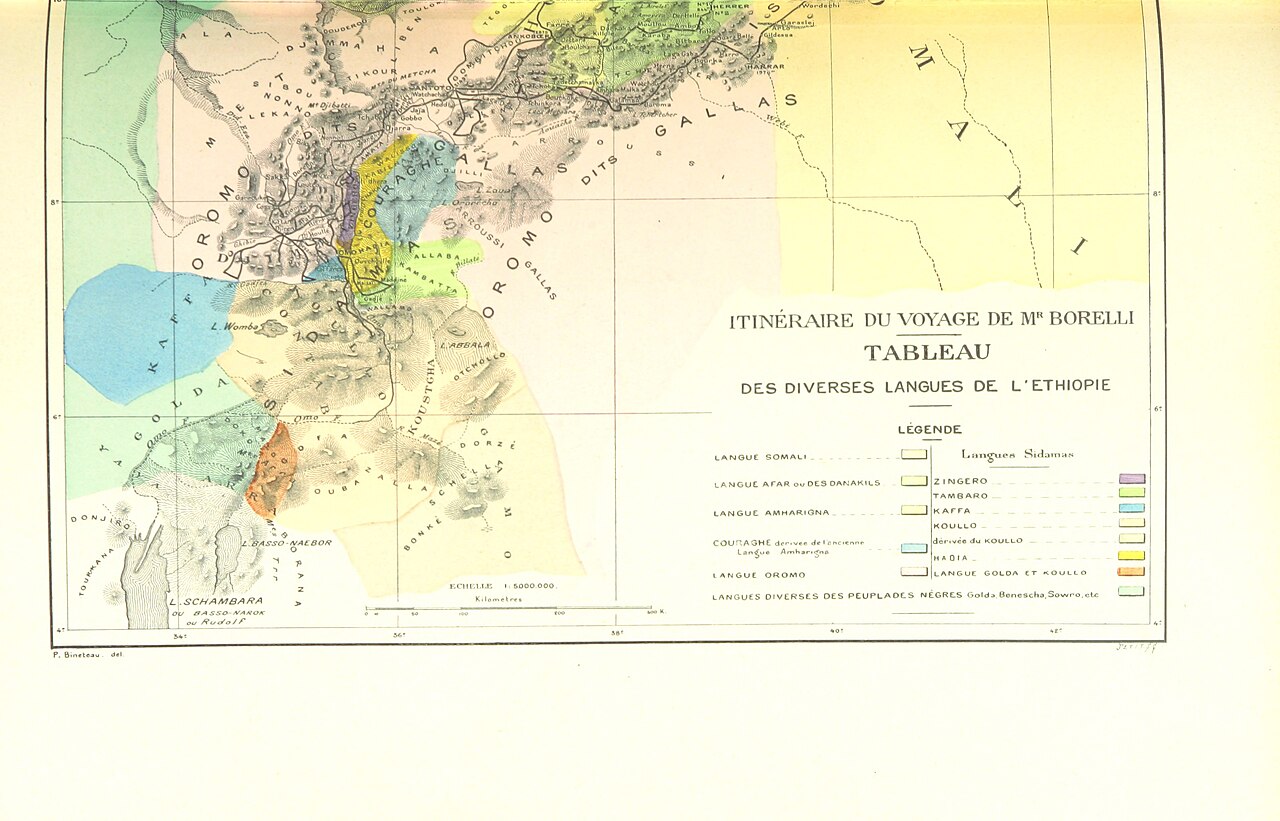
The Sidama have inhabited their southern highlands for many centuries, developing their intensive ensete agriculture and their distinctive age-grade institutions in a country of dense population and rich soils. In the late nineteenth century they were incorporated, like much of the south, into the expanding Ethiopian empire under Menelik II.
Through the twentieth century the Sidama were governed as part of the Ethiopian state, and their coffee became an important export. Under the federal system established in the 1990s they sought greater self-government, and after long agitation a referendum in 2019 led to the creation of the Sidama Region in 2020, a landmark in the modern political history of the people.
Today
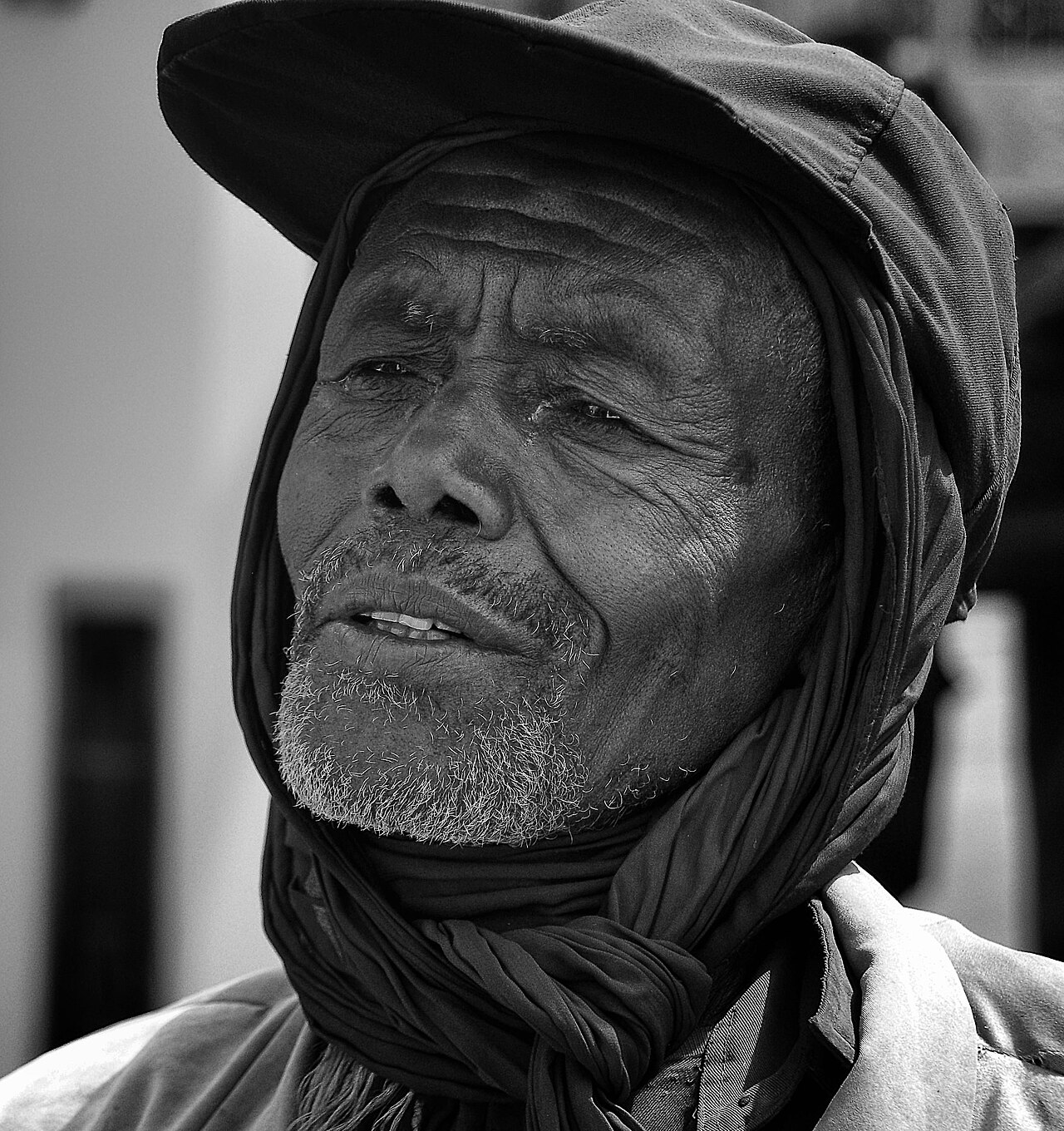
Today the Sidama are one of the larger peoples of Ethiopia, numbering several million, and since 2020 they have their own regional state with Hawassa, a fast-growing city and industrial centre, as its capital. Their highlands remain intensively farmed, with ensete feeding the population and Sidamo coffee earning income at home and abroad.
The celebration of the Fichee new year, the vitality of their language and the pride of their new region express a strong and confident identity. Balancing the traditions of ensete, coffee and the age-grade system with the opportunities and pressures of modern Ethiopia, the Sidama carry their distinctive heritage into a new era of self-government.
Related Peoples of the Region
- The Hadza, the Last Hunter-Gatherers of Lake Eyasi
- The Iraqw, the Cushitic Highlanders of Northern Tanzania
- The Banyankole, the Cattle Kingdom of Ankole
- The Acholi, the Luo People of Northern Uganda
- The Karamojong, the Cattle Herders of Karamoja
- The Hutu, the Farmers of the Land of a Thousand Hills
- The Tutsi, the Cattle Aristocracy of the Great Lakes
- The Afar, the Salt Caravaneers of the Danakil
More Peoples of the World
- A Fifth of Humanity, the Story of the Han Chinese
- How the Maori Sailed Across the Pacific to Reach New Zealand
- Zulu of the Green Hills and Their Kingdom Forged by Shaka
- The People Who Never Vanished, the Story of the Maya
- Long Before the Arabs Came, North Africa Belonged to the Amazigh
- The People Who Emerged Into This World, the Story of the Navajo
- Meet the Ainu, an Indigenous People at Japan’s Northern Edge
You May Like
The Damara, an Ancient People of Namibia