The Dagomba are a major people of northern Ghana, the founders and heirs of the ancient kingdom of Dagbon, one of the oldest and most important states of the West African interior. Numbering some two million or more, they are settled savanna farmers famous for their kingdom, their drummers and their rich ceremonial life.Ruled by a sacred king, the Ya-Naa, from the town of Yendi, and largely Muslim, the Dagomba are renowned for the lunsi drummers who keep the oral history of the kingdom, for the vigorous Takai and Naɣbiɛgu dances, and for the great festivals of Damba and Bugum. This article traces their origins, language, homeland, farming life and the customs that continue to define them.
The Dagomba on Film
Contents
- Origins
- The Name
- The Language
- The Homeland
- The Old Way of Life
- Society and Community
- Religion and Belief
- Traditions
- Crafts
- Food
- Festivals
- History
- Today
Origins
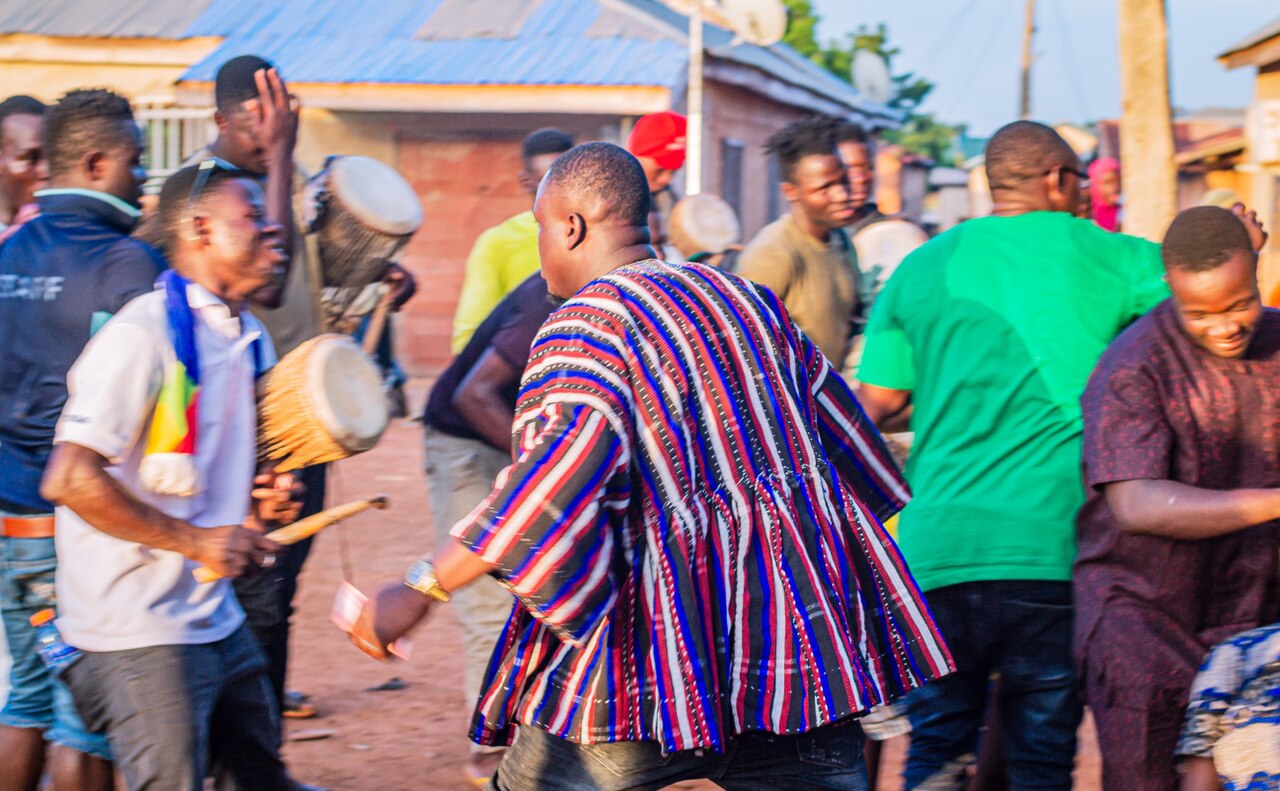
The Dagomba are a major people of northern Ghana, the founders and heirs of the ancient kingdom of Dagbon, one of the oldest and most important states of the West African interior. Numbering some two million or more, they are settled farmers of the savanna, famous for their kingdom, their drummers and their rich ceremonial life.
A Gur-speaking people, the Dagomba built a centralised kingdom under a sacred king, the Ya-Naa, whose court, chiefs and drummers gave the state its order and its splendour. Muslim in large part, and heirs to a long tradition of statecraft, oral history and music, the Dagomba are one of the great peoples of the northern Ghanaian savanna, centred on the towns of Tamale and Yendi.
The Name
The people call themselves the Dagomba, or Dagbamba, their land Dagbon, and their language Dagbani. They are the principal people of a cluster of related Mole-Dagbani groups of northern Ghana and neighbouring lands, which includes the Mamprusi, the Nanumba and, more distantly, the Mossi.
Their identity is bound up above all with the kingdom of Dagbon and its king, the Ya-Naa, and with their tradition of drumming and oral history. The name Dagomba denotes a people proud of their ancient state, their statecraft and their culture, one of the founding peoples of northern Ghana.
The Language
The Dagomba speak Dagbani, a language of the Gur, or Mole-Dagbani, branch of the Niger-Congo family, related to the languages of the Mamprusi, Mossi and other peoples of the region. It is one of the major languages of northern Ghana and serves as a lingua franca across much of the north.
Rich in the praise-poetry, genealogy and history preserved by the drummers, who are the keepers of the oral record of the kingdom, the Dagbani language carries the memory of Dagbon and its kings. English is the official language of Ghana, and Hausa is used in trade, but Dagbani remains the strong everyday language of the north and a central marker of Dagomba identity.
The Homeland

The Dagomba homeland is the savanna of northern Ghana, a land of open wooded grassland, scattered trees, farmland and seasonal rivers, drier and more open than the forest south of the country. The single rainy season and the savanna environment shaped a way of life based on the farming of grain and yams.
Centred on the cities of Tamale, now the largest in the north, and Yendi, the seat of the Ya-Naa, the Dagomba country lies at a crossroads of the northern trade routes. This savanna homeland, well farmed and strategically placed between the forest and the Sahel, gave rise to the kingdom of Dagbon and remains the heart of the Dagomba world.
The Old Way of Life
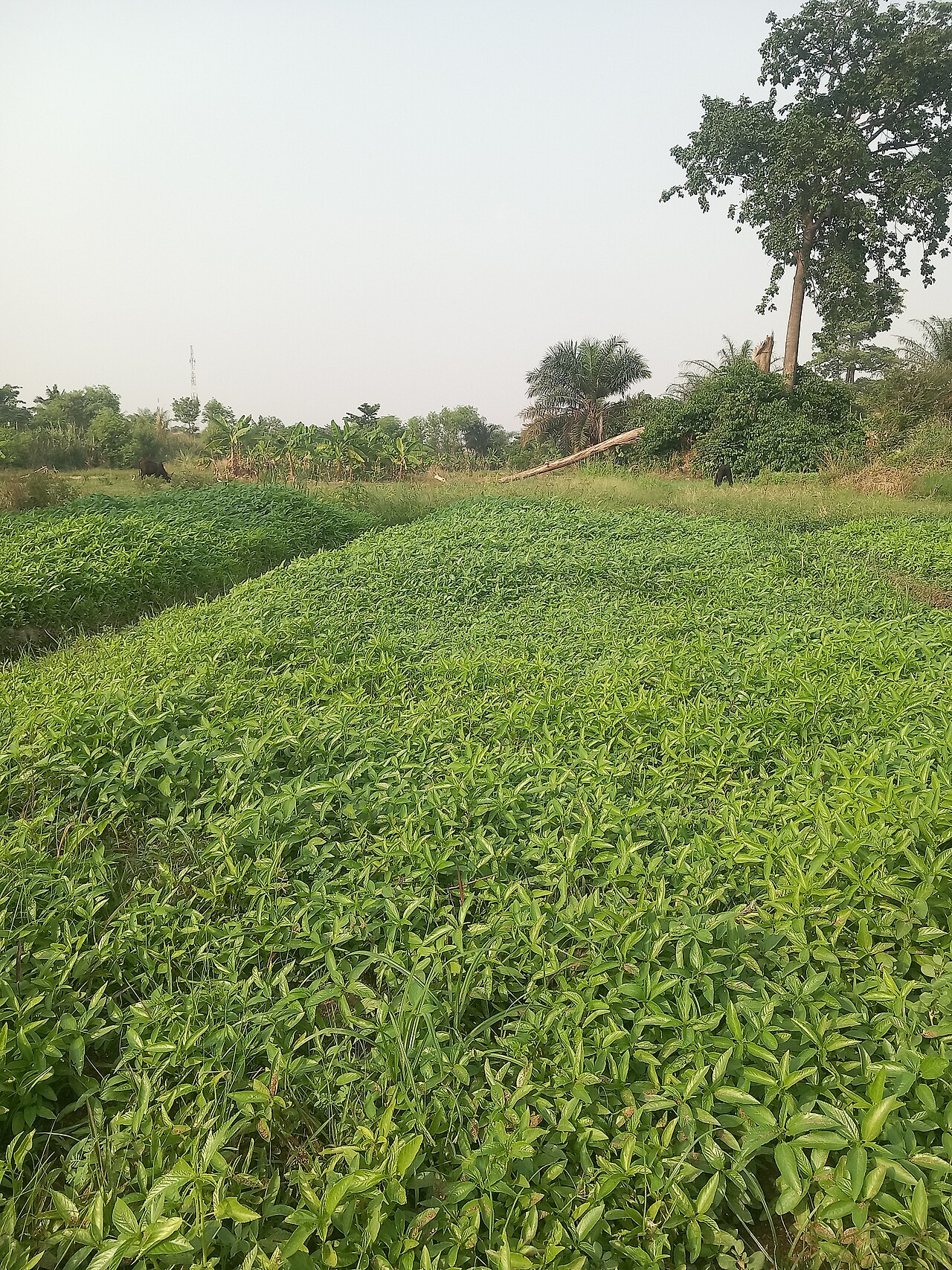
The Dagomba are farmers, cultivating yams, millet, sorghum, maize, rice, groundnuts and other crops suited to the savanna, and keeping cattle, sheep, goats and poultry. Yams and grain are the staples, and the farming year, with its demanding work of clearing, planting and harvest in the single rainy season, ordered the round of life.
Livestock, valued for wealth, meat and ritual, and trade along the northern routes supplemented the farming, and in modern times cash crops and other activities have been added. The combination of grain, yams and livestock supported the population of the kingdom, and the ideal of the industrious farmer was central to Dagomba society.
Society and Community
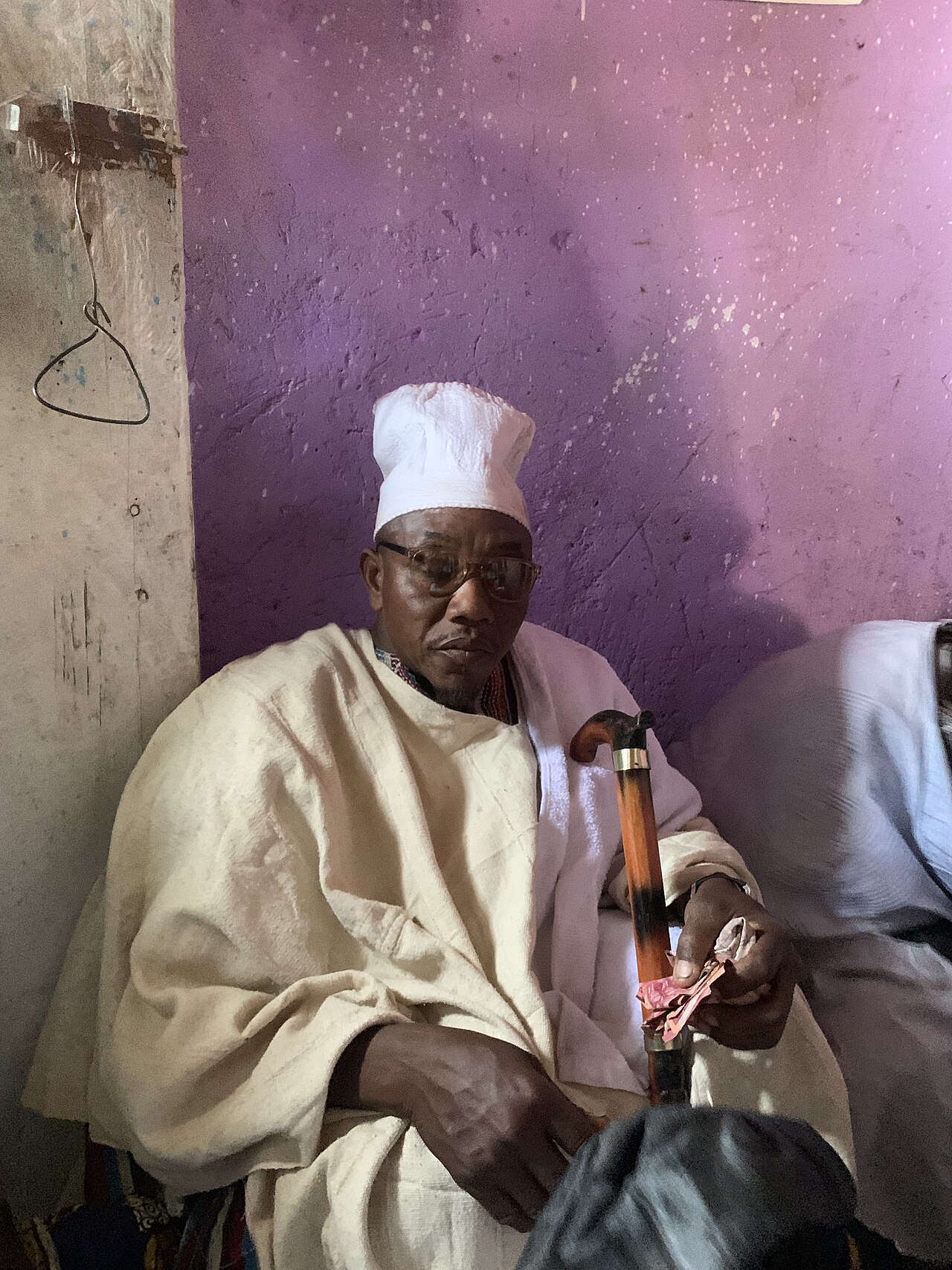
Dagomba society is organised as a kingdom, Dagbon, ruled by the Ya-Naa, the paramount king, who reigns from Yendi at the head of a hierarchy of divisional and village chiefs. The chiefship is central to Dagomba life, and the intricate system of chiefly titles, succession and the great skin-thrones on which the chiefs are enthroned orders the political world.
The drummers, the lunsi, hold a special and honoured place as the keepers of the history and genealogy of the chiefs and the kingdom, reciting the record of the past at ceremonies. Below the chiefs, lineages and villages order daily life, and Islam adds a further dimension. Marriage, kinship and the ceremonies of the chiefship structure the life of the Dagomba.
Religion and Belief

The Dagomba are today largely Muslim, Islam having spread among them over past centuries through the trade and the influence of the Muslim states of the region, and the faith is central to the identity and daily life of most of the people, with mosques, Quranic learning and the Islamic festivals ordering the religious round.
Alongside Islam, older beliefs and customs survived, centred on the ancestors, the earth and the spirits, and on the sacred character of the chiefship and the great festivals, and these traditional elements remain woven into Dagomba life. The blending of Islam with the older religion of the chiefship and the ancestors is characteristic of the Dagomba and of the northern Ghanaian kingdoms.
Traditions
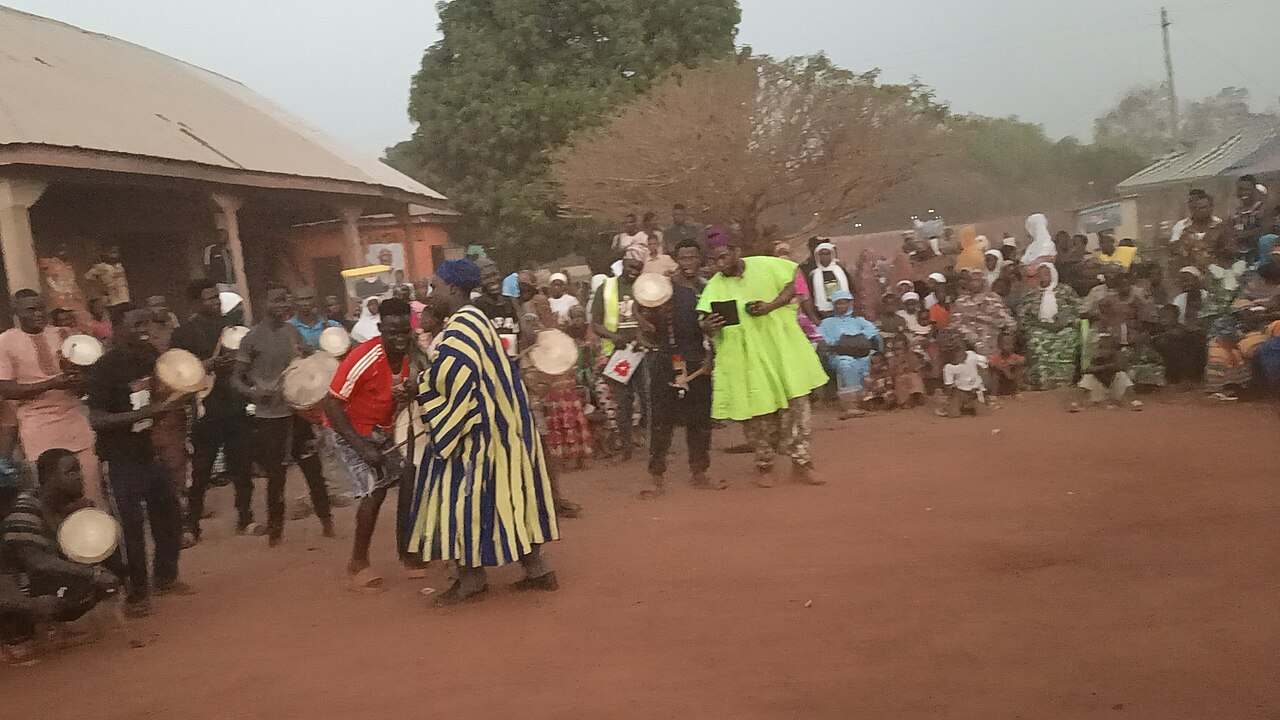
The traditions of the Dagomba are inseparable from the kingdom, the chiefship and the drum. The drummers, the lunsi, are the keepers of the oral history and praise-poetry of the people, reciting the genealogy of the chiefs and the deeds of the past at every important occasion, and their drumming is the voice of the tradition. The ceremonies of the chiefship, the enskinment of chiefs, and the great festivals are the high traditions of the people.
The Dagomba are famous for their music and dance, above all the vigorous Takai and the Naɣbiɛgu, performed to the talking drums at festivals and ceremonies. Rites of passage, the customs of the chiefship and the observances of Islam order the round of life, and drumming, music and dance give Dagomba culture its distinctive vitality.
Crafts
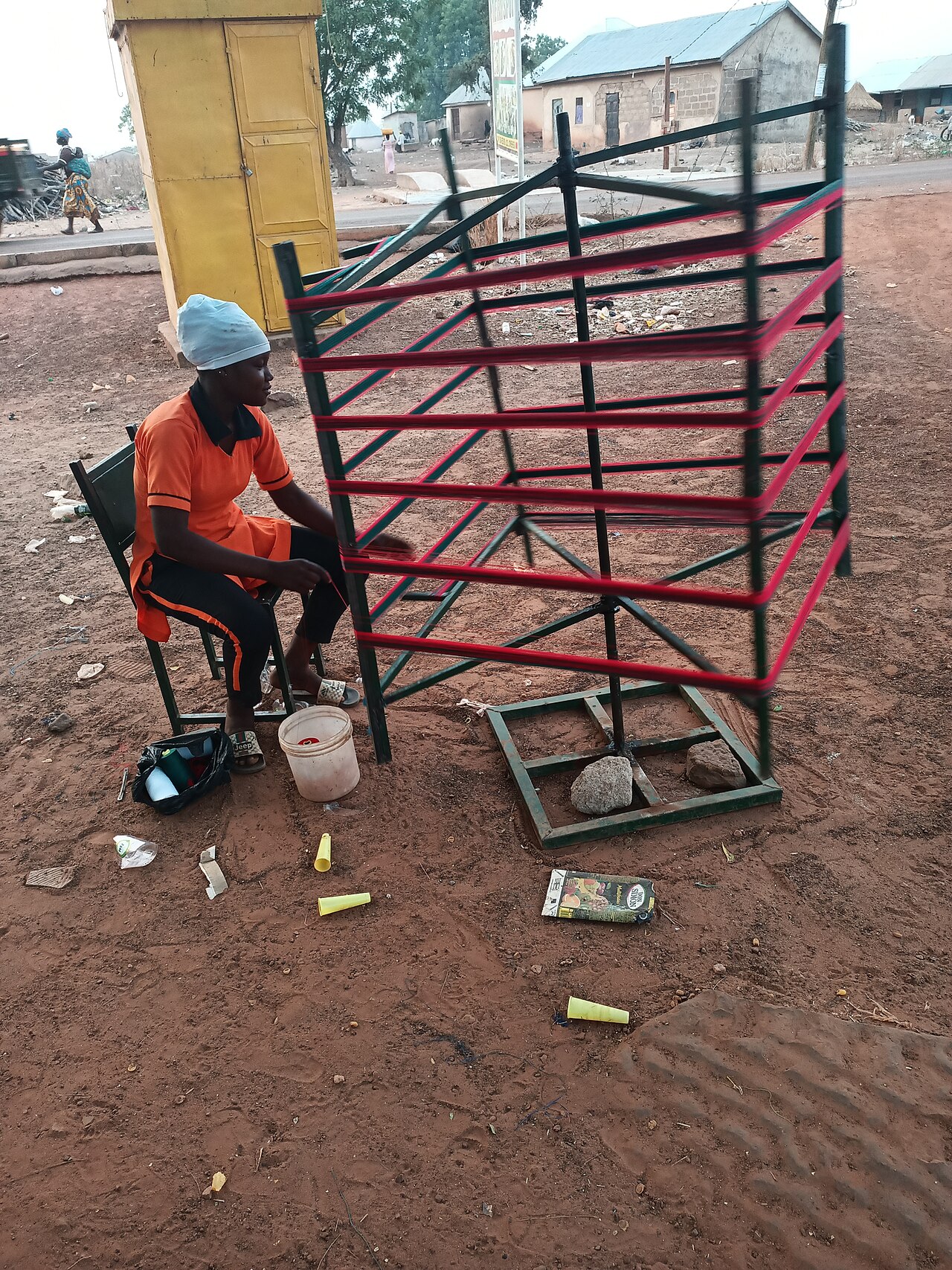
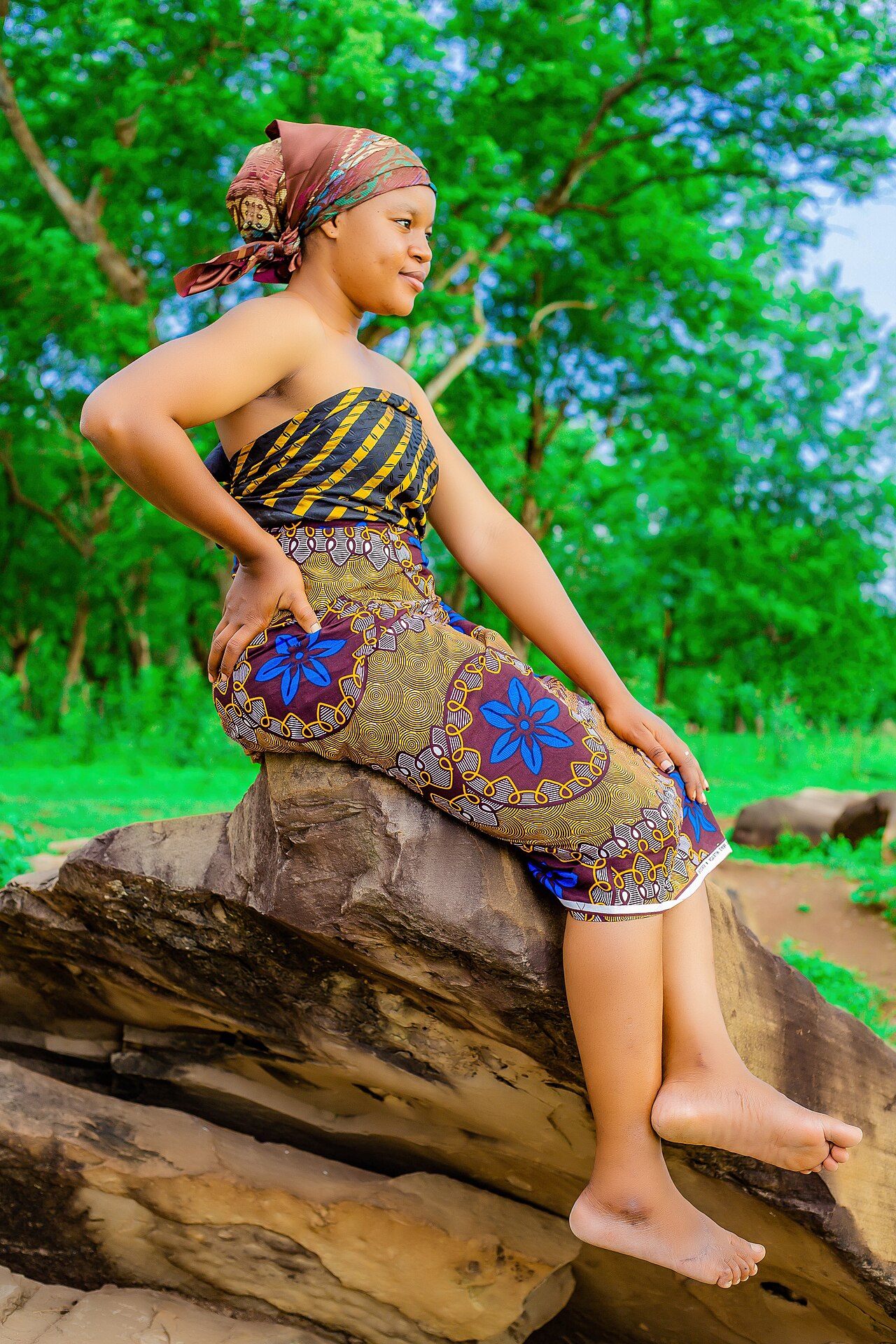
Dagomba craftsmanship served a farming kingdom and a rich ceremonial life. The Dagomba are known for weaving, above all the strip-woven cloth used to make the smock, or fugu, the characteristic garment of northern Ghana, worn by chiefs and people alike. Dyeing, leatherwork and the making of the regalia of the chiefship were important.
The making of the drums, above all the hourglass talking drums of the lunsi, was a valued and specialised craft, essential to the oral tradition, and blacksmiths forged the tools of farming and the objects of ritual. Pottery, basketry and the crafts of the household served daily needs. These crafts, from the weaving of the smock to the making of the drums, reflect the material culture of the Dagomba.
Food

The staple food of the Dagomba is tuo zaafi, a stiff porridge of maize or millet flour, eaten with soups and stews, above all the green ayoyo soup and other sauces of vegetables, meat or fish. Yams, whether boiled, fried or pounded, and other grains and roots add to the diet, and rice and beans are widely eaten.
Soups and stews, often based on greens, groundnut or okra, accompany the tuo zaafi and other staples, and meat and, near the rivers, fish provide protein. Drawn from the grains and yams of the savanna, and shaped by the requirements of Islam, Dagomba cooking reflects the farming life of the north and is central to the hospitality of the people.
Festivals

Festive life among the Dagomba is crowned by the great festivals of the kingdom, above all the Damba, celebrated in honour of the Prophet and marked by drumming, dancing, horse-riding and the display of the chiefs in their splendour, and the Bugum, or fire festival, in which flaming torches are carried through the night. These are the high points of the Dagomba year.
The Muslim festivals, the ceremonies of the chiefship, weddings and the rites of passage also bring communities together for music, drumming and feasting. The talking drums and the vigorous dances of the Takai and Naɣbiɛgu give these celebrations their character. Today the great festivals of Dagbon remain the unmistakable occasions of Dagomba festivity, joined by national holidays.
History
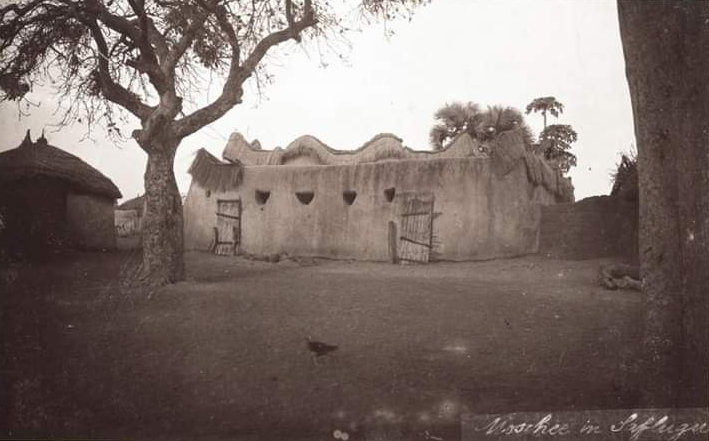
The kingdom of Dagbon was founded some centuries ago, according to tradition by conquerors from the east under the hero Tohazie and his descendants, who established the chiefship and the line of the Ya-Naa. By the sixteenth and seventeenth centuries Dagbon was a powerful state, trading and warring in the northern savanna and adopting Islam through its contacts with the Muslim world.
In the eighteenth century Dagbon came for a time under the overlordship of the Asante empire to the south, and in the colonial era it was incorporated into the Gold Coast, later Ghana. Through the colonial and modern periods the Dagomba preserved their kingdom, their chiefship and their culture, and Dagbon remains a living kingdom within the modern Ghanaian state, though disputes over the chiefship have at times brought conflict.
Today

Today the Dagomba number some two million or more and remain the major people of northern Ghana, with Tamale, the largest city of the north, and Yendi, the seat of the Ya-Naa, as their centres. Farming of yams, grain and other crops continues as the basis of rural life, alongside trade and, increasingly, the growth of the towns.
The kingdom of Dagbon endures, and the Ya-Naa and the chiefs remain revered, while the drummers keep the oral history alive and the great festivals of Damba and Bugum are celebrated with splendour. Proud of their ancient kingdom, their Islam and their tradition of drumming and dance, the Dagomba carry their distinctive heritage into the life of modern Ghana.
Related Peoples of the Region
- The Nupe, the Craftsmen of the Niger Valley
- The Mende, the Rice Farmers and Mask Dancers of Sierra Leone
- The Temne, the Rice Farmers of Northern Sierra Leone
- The Kru, the Seafarers of the West African Coast
- The Kpelle, the Rice Farmers of the Liberian Forest
- The Vai, the People Who Invented Their Own Writing
- The Senufo, the Master Carvers of the Savanna
- The Baoule, the Largest People of Cote d’Ivoire
More Peoples of the World
- A Fifth of Humanity, the Story of the Han Chinese
- How the Maori Sailed Across the Pacific to Reach New Zealand
- Zulu of the Green Hills and Their Kingdom Forged by Shaka
- The People Who Never Vanished, the Story of the Maya
- Long Before the Arabs Came, North Africa Belonged to the Amazigh
- The People Who Emerged Into This World, the Story of the Navajo
- Meet the Ainu, an Indigenous People at Japan’s Northern Edge
You May Like

The Damara, an Ancient People of Namibia



