The Nupe are a people of central Nigeria, living in the valley of the Niger river and its tributary the Kaduna, chiefly in Niger State around the historic city of Bida. Numbering some three million or more, they are heirs to an old kingdom, later the Emirate of Bida, and are famous throughout Nigeria for their fine crafts.Skilled farmers, fishers and above all artisans, working brass, glass, wood and cloth in the celebrated guilds of Bida, the Nupe are Muslim heirs to a tradition of statecraft, Islam and craftsmanship. This article traces their origins, language, homeland, riverland life and the customs that continue to define them.
The Nupe on Film
Contents
- Origins
- The Name
- The Language
- The Homeland
- The Old Way of Life
- Society and Community
- Religion and Belief
- Traditions
- Crafts
- Food
- Festivals
- History
- Today
Origins
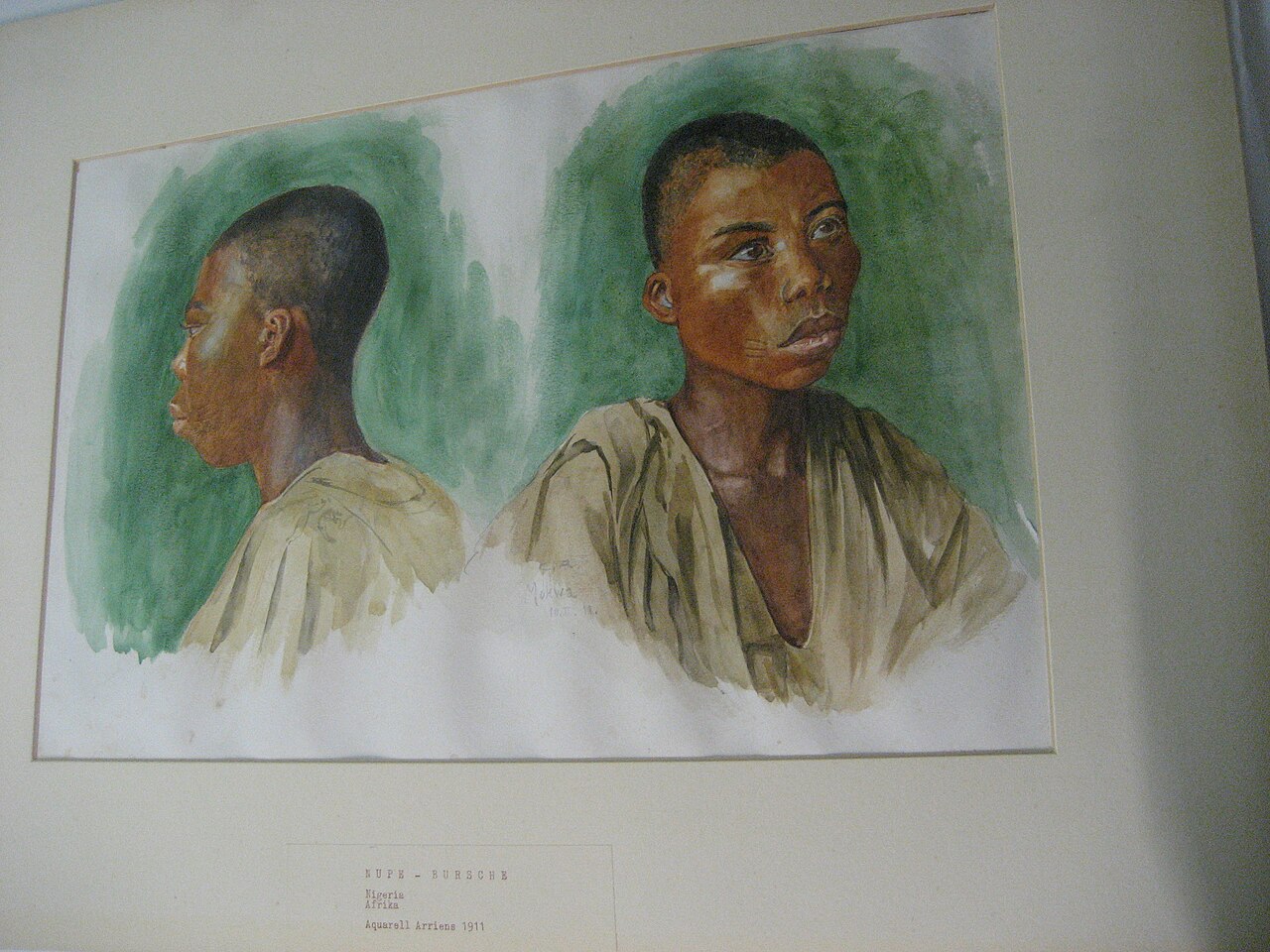
The Nupe are a people of central Nigeria, living in the valley of the Niger river and its tributary the Kaduna, chiefly in Niger State around the historic city of Bida. Numbering some three million or more, they are one of the notable peoples of Nigeria’s middle belt, heirs to an old kingdom and famous for their fine crafts.
The Nupe built a kingdom in the fertile riverlands, later organised as the Emirate of Bida, and developed a rich culture of Islam, statecraft and craftsmanship. Skilled farmers, fishers and above all artisans, working brass, glass, wood and cloth, the Nupe are known throughout Nigeria for the beauty of their manufactures and the elegance of their traditional culture.
The Name

The people call themselves the Nupe, and their language by the same name; neighbouring peoples know them by various names, but Nupe is the term by which they are generally known. They are a fairly homogeneous people, united by language and by their attachment to the Niger valley and the kingdom of Bida.
Their identity is bound up with their old kingdom, their Islam and their reputation as craftsmen. The name Nupe denotes a people proud of their history as state-builders in the riverlands of central Nigeria and of a tradition of fine craftsmanship that has made their name known across the country.
The Language
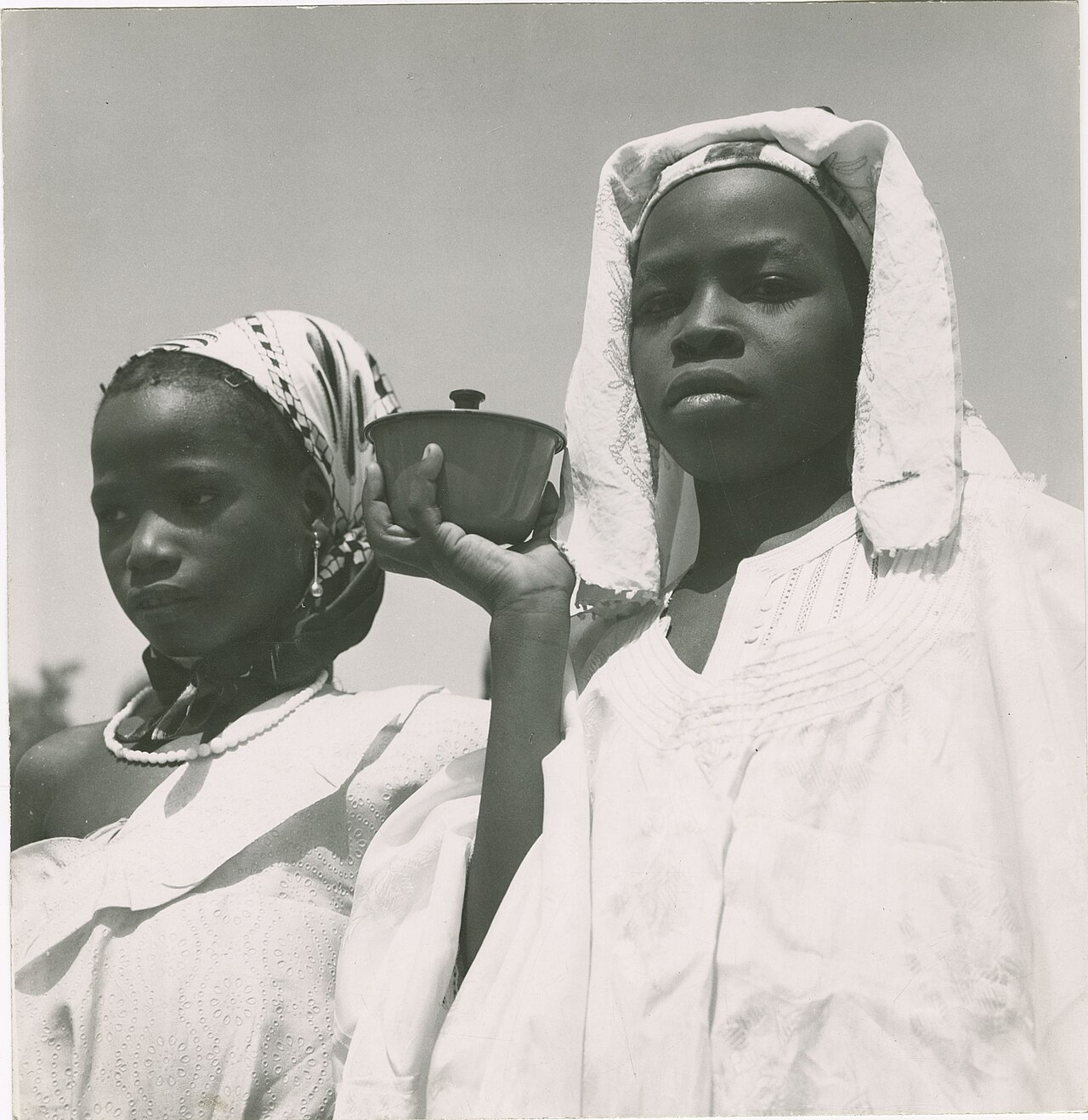
The Nupe speak Nupe, a language of the Nupoid group within the Benue-Congo branch of the Niger-Congo family, related to the tongues of neighbouring peoples of the middle belt. It is spoken by the whole people in the Niger valley and remains vigorous in daily life.
Rich in the traditions and titles of the kingdom and in the lore of crafts and Islam, the Nupe language carries the culture of the people. Hausa, the great language of northern Nigeria, and English are widely used for wider communication, but Nupe remains the everyday language of the people and a central marker of their identity.
The Homeland

The Nupe homeland lies in the fertile valley of the Niger and Kaduna rivers in central Nigeria, a land of riverine plains, floodlands, savanna and wooded country, centred on the city of Bida. The rivers, with their fish, their floodplains and their role as highways, are central to the life of the region.
The rich soils of the river valley and the floodlands supported farming and a dense population, while the rivers provided fish and trade. This well-watered country, at a crossroads of central Nigeria and astride the great river, shaped the farming, fishing and trading life of the Nupe and gave their kingdom its base and its wealth.
The Old Way of Life

The Nupe are farmers, fishers and craftsmen. They cultivate rice, especially in the river floodlands, together with yams, millet, sorghum, and a range of other crops, and they fish the Niger and Kaduna rivers, an important part of the economy. The fertility of the riverlands supported a substantial population.
But the Nupe are famous above all for their crafts and trade. The city of Bida in particular was a great centre of specialised manufacture, its guilds producing brass and glass work, cloth and other goods traded far across Nigeria. Farming, fishing and, most distinctively, skilled craftsmanship and commerce together sustained the economy of the Nupe kingdom.
Society and Community

Nupe society was organised as a kingdom, later the Emirate of Bida, ruled by a king or emir, the Etsu Nupe, at the head of a hierarchy of titled nobles, officials and, in the city, guilds of craftsmen. The court and the nobility governed the state, and an elaborate system of titles and offices ordered political life.
The specialised crafts of Bida were organised into guilds, hereditary and honoured, and the city was structured around these occupations. Below the level of the state, villages and lineages ordered rural life, and Islam shaped law and society. Marriage, kinship and the customs of the town and village governed daily life in this ordered and hierarchical kingdom.
Religion and Belief
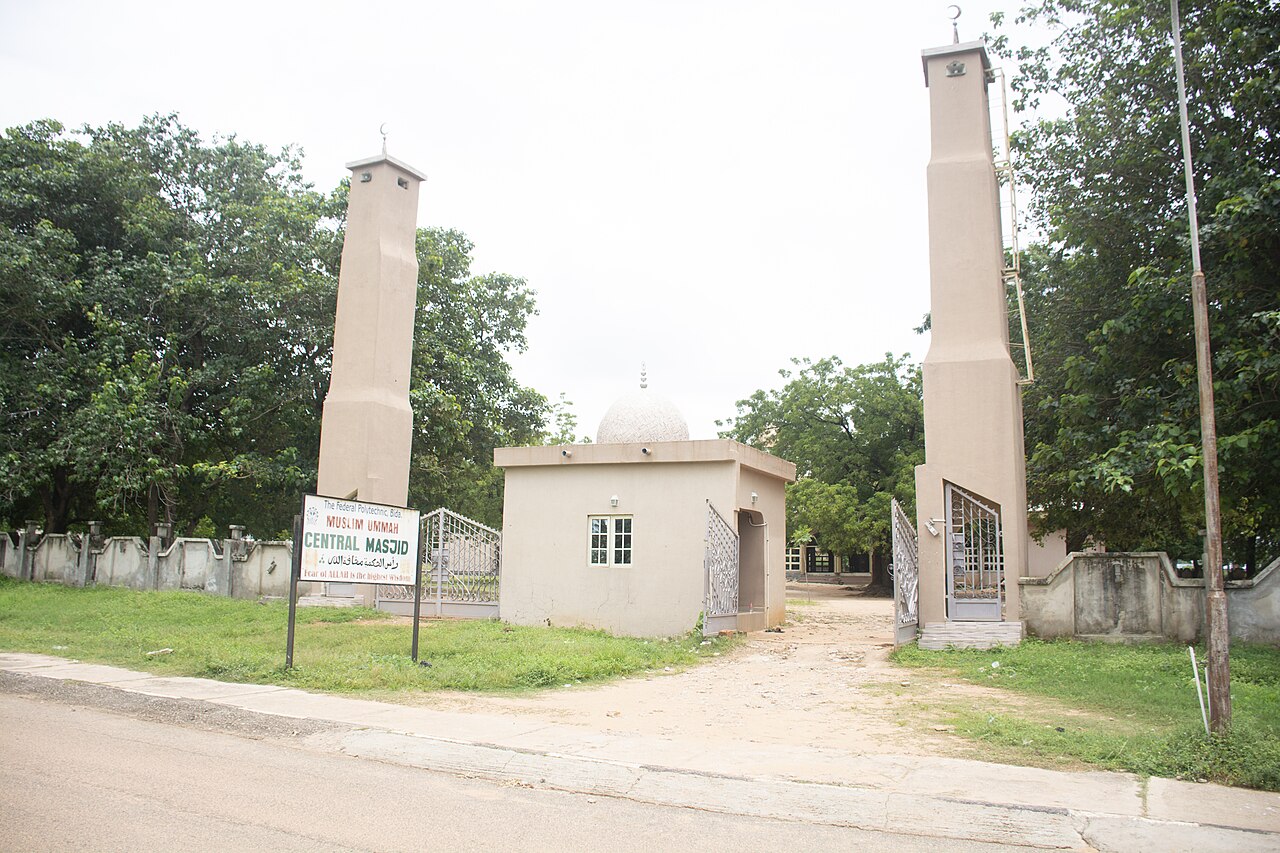
The Nupe are overwhelmingly Muslim, Islam having been established among them for centuries and reinforced by the Fulani jihad and the founding of the Emirate of Bida in the nineteenth century. The faith is central to their identity and daily life, and mosques, Quranic learning and the observance of Islamic law and festivals order the religious round.
As among other long-Islamised peoples of Nigeria, older customs and beliefs, and cults of spirits and masquerades, survived alongside and beneath the practice of Islam, especially in the countryside. But Islam is the dominant faith of the Nupe and has shaped their kingdom, their law and their culture, linking them to the wider Muslim world of northern Nigeria.
Traditions
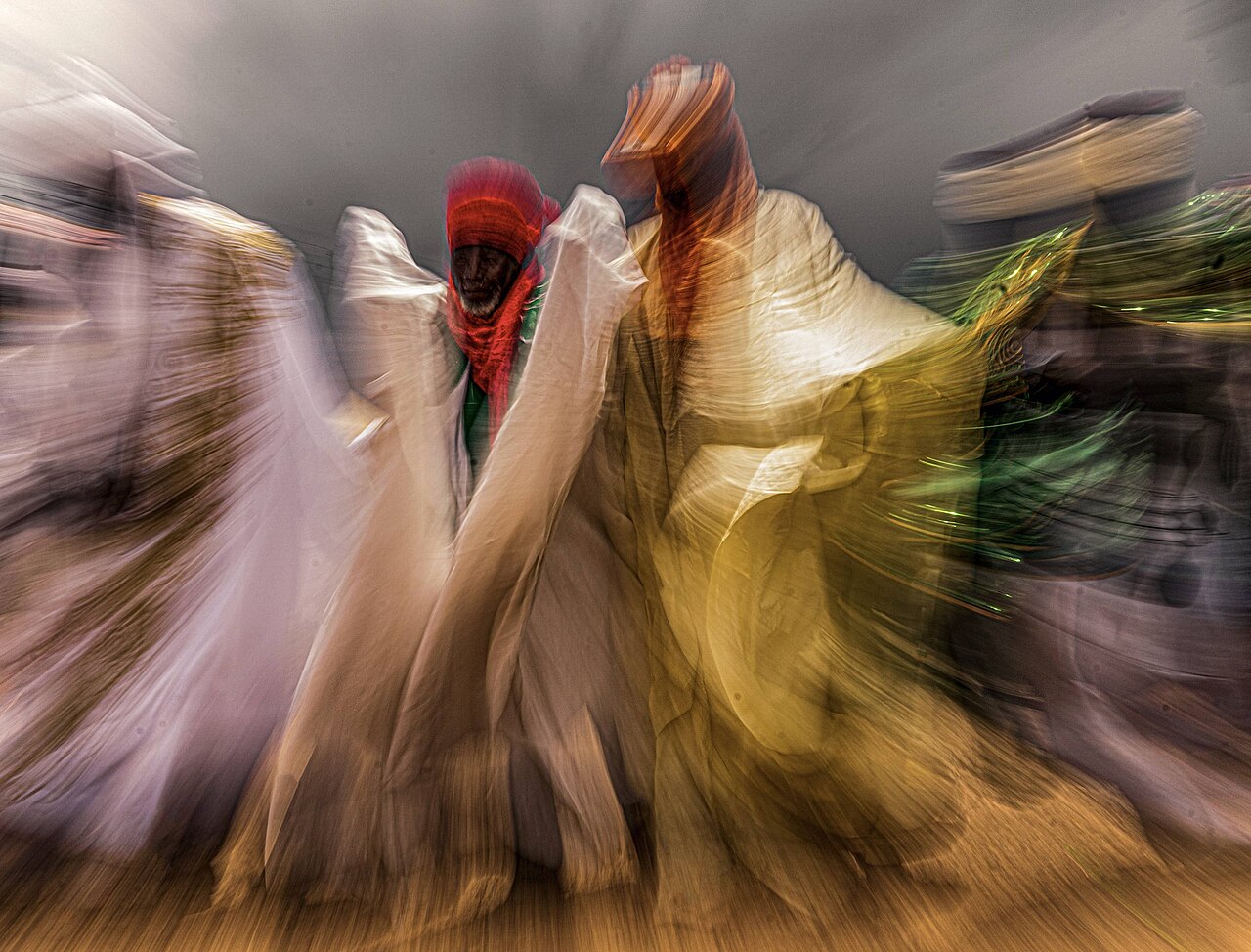
The traditions of the Nupe are bound up with the kingdom, Islam and craftsmanship. The ceremonies of the Etsu Nupe and his court, the festivals of Islam, and the rituals of the guilds and the life cycle order the traditional year. The masquerade societies, such as the famous ndakogboya, survived from the pre-Islamic past and held a place in village life.
The Nupe are known for their music and dance, and for the splendour of the court and its ceremonies, including the mounted display and the durbar. Crafts themselves are a cherished tradition, passed down through the guilds. Music, drumming, dance and the ceremonies of court and craft give Nupe culture its distinctive elegance and order.
Crafts
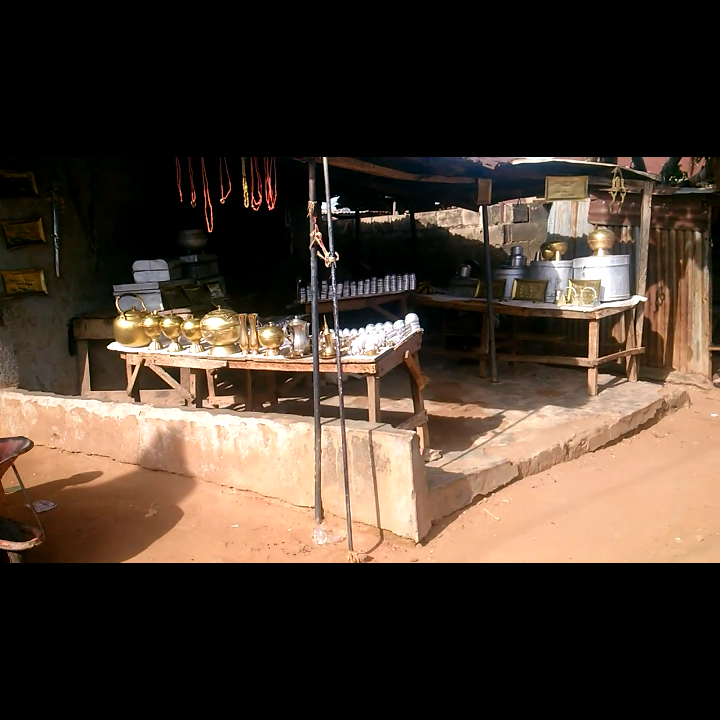
The Nupe are among the most celebrated craftsmen of Nigeria, and Bida in particular is famous for its specialised manufactures. The brass-smiths of Bida produce fine bowls, trays and ornaments in brass and bronze, and the city is renowned for its glass-making and bead-making, and for silver and other metalwork, crafts organised into hereditary guilds.
Beyond metal and glass, the Nupe are known for their weaving of cloth, their wood-carving, including the carved doors and stools of the court, their leatherwork and their canoe-building on the great river. The guilds of Bida, working in brass, glass and other materials, represent one of the great traditions of specialised craftsmanship in West Africa.
Food
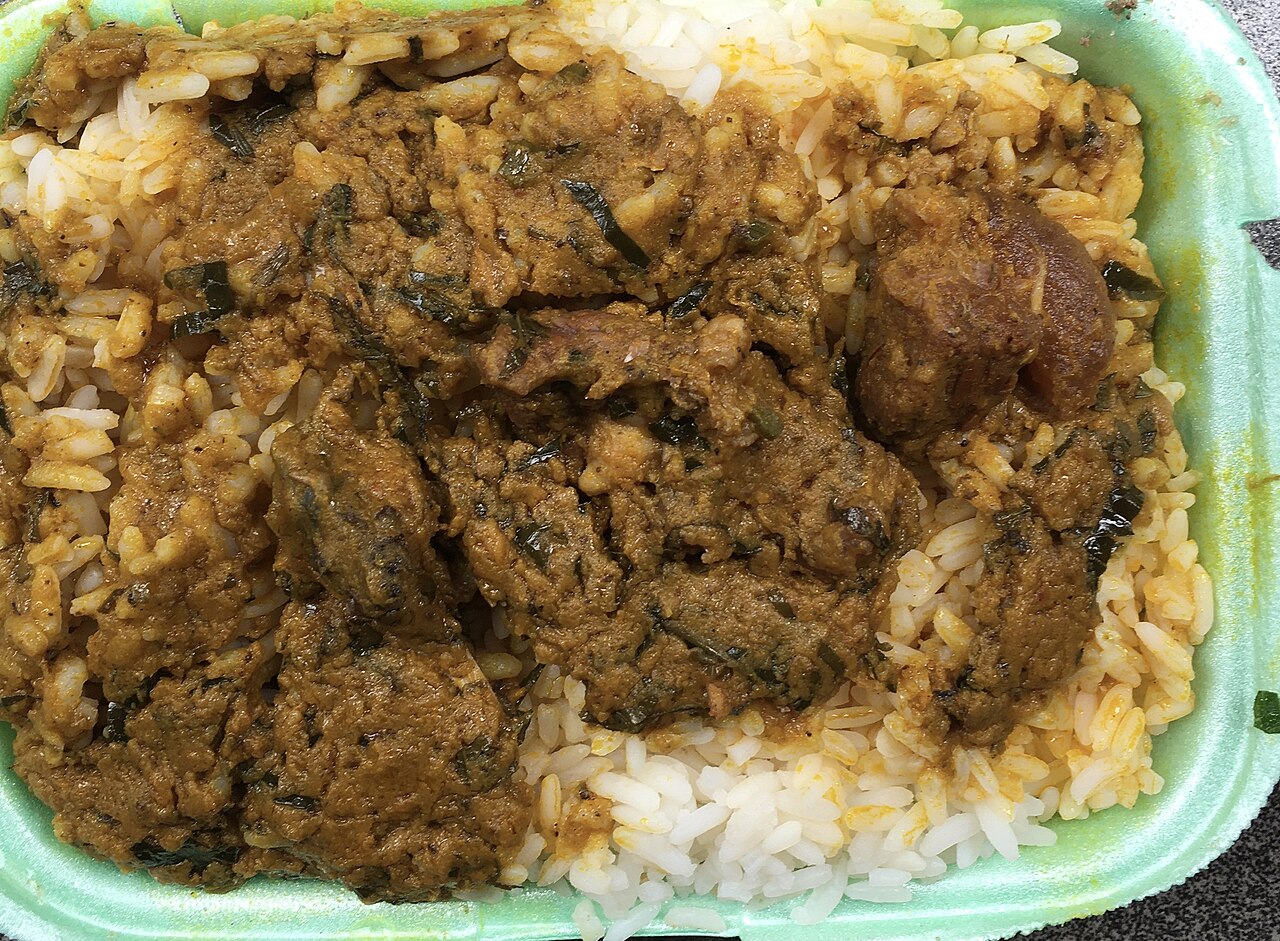
The staple foods of the Nupe come from their riverland farming: rice, grown in the floodlands and much prized, together with yams, millet and sorghum, eaten with rich soups and stews. Fish from the Niger and Kaduna rivers is an important part of the diet, fresh, dried or smoked, reflecting the riverine life of the people.
Soups and stews of vegetables, meat and fish, flavoured with the ingredients of central Nigeria, accompany the rice and other staples, and the food reflects both the farming and fishing of the river valley and the requirements of Islam. Rice in particular, from the floodlands of the Niger, is central to Nupe cooking and hospitality.
Festivals

Festive life among the Nupe is shaped by Islam, the ceremonies of the court and the milestones of the life cycle. The great Muslim festivals are celebrated with prayer, feasting and, at the emir’s court, the splendid mounted display of the durbar, in which richly caparisoned horses and riders parade before the Etsu Nupe.
Weddings, namings and the festivals of the guilds and villages bring communities together for music, dance and feasting, and the masquerades of the countryside appear at their seasons. Drumming, song and the pageantry of the court mark these occasions. Today the Muslim festivals and the durbar remain the great public celebrations of the Nupe, joined by national holidays and cultural events.
History

The Nupe kingdom arose in the riverlands of central Nigeria, its origins bound up with the legend of the culture-hero Tsoede, and by the sixteenth century it was a powerful state trading and warring in the middle belt. Famous for its cavalry and its crafts, the kingdom flourished for centuries at the crossroads of the Niger.
In the nineteenth century the Nupe were conquered in the course of the Fulani jihad, and the Emirate of Bida was established under a Fulani dynasty, though Nupe culture and crafts continued to flourish. Brought under British colonial rule as part of Northern Nigeria, and incorporated into the modern nation, the Nupe preserved their emirate, their Islam and their celebrated craftsmanship into the present day.
Today

Today the Nupe number some three million or more and remain concentrated in the Niger valley of central Nigeria, with Bida as their historic centre and Minna among the growing towns of the region. Farming, fishing and, above all, the famous crafts of Bida continue, and the Etsu Nupe remains a revered traditional ruler.
The brass, glass and other work of the Bida guilds is still produced and prized, and the durbar and the Muslim festivals continue as great occasions. Proud of their old kingdom, their Islam and their unrivalled tradition of craftsmanship, the Nupe carry their distinctive and elegant heritage into modern Nigeria, prominent in the life of the middle belt and the nation.
Related Peoples of the Region
- The Fur, the People of Darfur and Their Sultanate
- The Zaghawa, the Desert Herders of Chad and Darfur
- The Serer, the Ancient Farmers of Senegal
- The Mandinka, the Heirs of the Mali Empire
- The Soninke, the Founders of Ancient Ghana
- The Tiv, the Yam Farmers of the Benue Valley
- The Ijaw, the Water People of the Niger Delta
- The Edo, the People of Benin and the Bronze Casters
More Peoples of the World
- A Fifth of Humanity, the Story of the Han Chinese
- How the Maori Sailed Across the Pacific to Reach New Zealand
- Zulu of the Green Hills and Their Kingdom Forged by Shaka
- The People Who Never Vanished, the Story of the Maya
- Long Before the Arabs Came, North Africa Belonged to the Amazigh
- The People Who Emerged Into This World, the Story of the Navajo
- Meet the Ainu, an Indigenous People at Japan’s Northern Edge
You May Like

The Damara, an Ancient People of Namibia



